Content Menu
● What is powdered activated carbon?
● Why buying the right powdered activated carbon matters
● Main options: where to buy powdered activated carbon
>> 1. Direct from manufacturers
>> 2. Bulk distributors and technical resellers
>> 3. Online B2B platforms and e‑commerce
>> 4. Local chemical and water‑treatment suppliers
● Typical applications that guide where to buy
>> Water and wastewater treatment
>> Air and gas purification
>> Food and beverage, chemical and pharmaceutical
● Key technical parameters when buying powdered activated carbon
>> Core quality indicators
>> Standards and testing
● Cost, logistics and packaging considerations
● Why buy powdered activated carbon from a specialized Chinese manufacturer?
● Practical steps to choose where to buy powdered activated carbon
● Conclusion
● FAQ
>> 1. What is the difference between powdered activated carbon and granular activated carbon?
>> 2. Is powdered activated carbon safe for drinking water treatment?
>> 3. How do I choose between different powdered activated carbon grades?
>> 4. Can powdered activated carbon be regenerated or reused?
>> 5. What information should I provide when requesting a quote for powdered activated carbon?
● Citations:
Where to buy powdered activated carbon depends on your volume, application, and quality requirements: industrial buyers usually source powdered activated carbon directly from manufacturers or specialized bulk distributors, while small users can buy from online B2B platforms and technical resellers. For critical applications such as drinking water, food and beverage, or pharmaceuticals, it is essential to buy powdered activated carbon from suppliers that follow recognized testing and certification standards.[1][2][3][4][5]
What is powdered activated carbon?
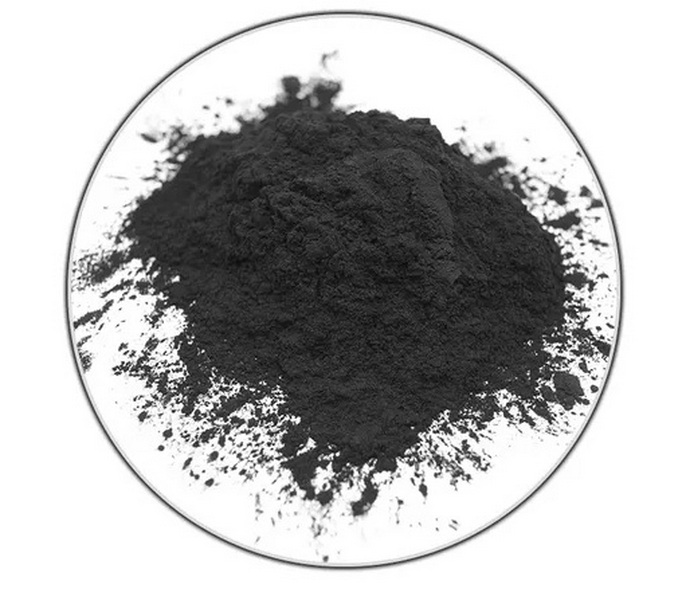
Powdered activated carbon is a very fine, highly porous adsorbent made from coal, wood, coconut shell or other carbon-rich raw materials, typically milled so that the vast majority passes through about 80–100 mesh. The small particle size of powdered activated carbon provides a large external surface area and fast adsorption kinetics, making it ideal for short‑contact or batch treatment of water, air and industrial liquids.[6][7][8][3]
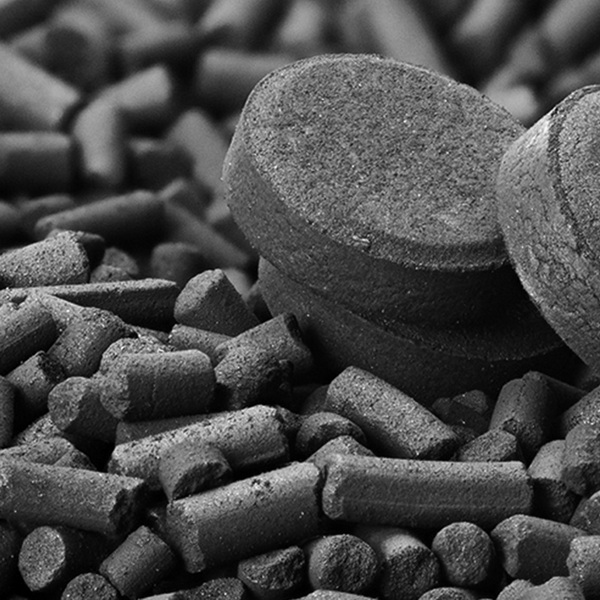
Powdered activated carbon is widely used to remove dissolved organic pollutants, color, odor, taste compounds and trace toxins from municipal water, industrial wastewater, food and beverage streams, chemicals and pharmaceutical intermediates. Compared with granular or pelletized grades, powdered activated carbon is usually dosed directly into a tank, pipe or clarifier and separated after use by sedimentation, filtration or other solid–liquid separation processes.[9][10][8][6]
Why buying the right powdered activated carbon matters
Choosing the right source of powdered activated carbon directly affects purification performance, operating cost, and regulatory compliance in water, air and process applications. Different raw materials and activation processes create different pore structures and surface chemistries, so two powdered activated carbon products with the same iodine number can behave very differently in a specific process.[11][12][6]
For drinking water and food‑contact uses, buying powdered activated carbon from suppliers that understand AWWA, ASTM, EN and food‑grade standards helps ensure consistent quality, low impurities and reliable documentation. In industrial wastewater or flue‑gas treatment, selecting powdered activated carbon from manufacturers experienced in those sectors improves the chances of meeting discharge or emission limits with a reasonable carbon dose.[13][2][8][4][12][9]
Main options: where to buy powdered activated carbon
1. Direct from manufacturers
Many industrial users buy powdered activated carbon directly from manufacturers, especially for large, recurring consumption. Manufacturers can offer customized powdered activated carbon grades (particle size, activity, ash content, pH, moisture, packaging) and often provide technical support, laboratory testing and application design assistance.[3][12][6][1]
For global buyers, China has become a major supply base for powdered activated carbon, offering coal‑based, wood‑based and coconut‑based grades for water treatment, air purification, food and pharmaceutical uses at competitive prices. Working directly with a Chinese powdered activated carbon manufacturer that focuses on export allows you to combine cost advantages with customized performance and flexible logistics for bulk shipments.[4][3]
2. Bulk distributors and technical resellers
Bulk distributors specialize in stocking multiple forms of activated carbon, including powdered activated carbon, granular and pelletized grades, and reactivated products. They are a good option if you need fast delivery from local warehouses, mixed loads of different carbon types, or smaller bulk quantities than a manufacturer's minimum order.[14][1][3]
Technical resellers often bundle powdered activated carbon supply with dosing equipment, feeder systems, slurry preparation tanks and on‑site service for water or flue‑gas treatment projects. This model suits utilities and industrial plants that want a single partner responsible for both powdered activated carbon quality and dosing performance.[8][12]
3. Online B2B platforms and e‑commerce
For small factories, laboratories or pilot plants, powdered activated carbon can be purchased through B2B marketplaces and specialized online stores that list multiple global and Chinese suppliers. These platforms make it easy to compare specifications, package sizes, prices and minimum order quantities for different powdered activated carbon grades.[3][11]
However, for critical water, food or pharma uses, it is important to verify that the seller is an authorized distributor or the original manufacturer and that the powdered activated carbon comes with complete technical and regulatory documentation.[2][4][11]
4. Local chemical and water‑treatment suppliers
In many countries, regional chemical distributors and water‑treatment companies stock powdered activated carbon for municipal and industrial customers. Buying from a local supplier can simplify logistics, provide shorter lead times, and offer on‑site support for trial dosing and process optimization.[6][8]
Local partners can also help align powdered activated carbon selection with national standards, discharge permits and industry‑specific guidelines, making it easier to pass inspections and audits.[5][9][13]
Typical applications that guide where to buy
Water and wastewater treatment
Powdered activated carbon is widely used in drinking water plants to remove taste and odor compounds, algal toxins, micropollutants and natural organic matter. Industrial wastewater and landfill leachate treatment systems also add powdered activated carbon to biologically active processes (like PACT systems) to handle difficult‑to‑degrade organics.[9][8][6]
Utilities and water‑intensive industries usually buy powdered activated carbon from specialized water‑treatment manufacturers or distributors that can supply large volumes, consistent quality and support for jar testing and full‑scale design. Many buyers specify that powdered activated carbon comply with recognized water‑treatment standards and be suitable for contact with potable water or environmental discharges.[12][13][2][4][6]
Air and gas purification
Although granular and pelletized carbons dominate gas‑phase applications, powdered activated carbon is often injected into flue‑gas streams for mercury and dioxin control in waste incineration and power plants. In these cases, operators typically work with suppliers who have proven powdered activated carbon products for emissions control and can support compliance with air‑quality regulations.[14][8][6]
These specialized suppliers may provide both powdered activated carbon and injection equipment, along with on‑site performance monitoring and optimization to reduce consumption per unit of pollutant removed.[12][6][14]
Food and beverage, chemical and pharmaceutical
In food and beverage production, powdered activated carbon is used for decolorization, removal of off‑flavors and purification of ingredients such as sugars, organic acids and vitamins. Chemical and pharmaceutical producers rely on powdered activated carbon to remove color bodies, by‑products and trace organics from intermediates and final products.[15][10][6]
These industries often buy powdered activated carbon from manufacturers with food‑grade, GMP or pharma‑oriented quality systems and a track record in those sectors. Buyers usually require detailed certificates of analysis, low ash and heavy‑metal content, and documentation that supports regulatory filings or customer audits.[15][2][4][11]
Key technical parameters when buying powdered activated carbon
Core quality indicators
When comparing offers for powdered activated carbon, industrial buyers typically evaluate:
- Iodine number or BET surface area as indicators of overall adsorption capacity.[6][3]
- Particle size distribution (e.g., percentage passing 100 mesh), which affects adsorption speed and handling.[7][8][3]
- Ash content and type of inorganic impurities, because ash does not adsorb and can interfere with sensitive processes.[4][3]
- Moisture content and bulk density, which influence dosing accuracy and shipping weight.[16][3]
For water and food uses, additional parameters such as pH, water‑soluble ash, leachable heavy metals and microbial counts are also important when selecting powdered activated carbon.[13][2][4]
Standards and testing
Reputable powdered activated carbon suppliers test their products according to national and international standards such as GB/T in China, ASTM, JIS and AWWA, depending on the target markets. For example, AWWA standards are widely used in water‑treatment purchasing documents, while ASTM test methods cover properties like particle size distribution, hardness and ash content.[2][16][13][4]
When buying powdered activated carbon, requesting test reports and confirming which standards the data follow helps ensure that different offers can be fairly compared and that the chosen grade will meet regulatory or contract requirements.[5][2][4]
Cost, logistics and packaging considerations
The total cost of buying powdered activated carbon includes not only the per‑kilogram price but also freight, customs duties, storage, dosing equipment and spent‑carbon handling. Bulk buyers often choose jumbo bags or bulk tankers for powdered activated carbon to reduce packaging waste and simplify handling, while smaller users may prefer 20–25 kg bags for easier manual dosing.[17][1][3]
Working with export‑experienced manufacturers can optimize shipping routes and packaging formats so that powdered activated carbon arrives in good condition and with minimal transit time. For long‑term projects, many industrial users negotiate framework contracts that lock in powdered activated carbon quality specs while allowing some price flexibility related to raw‑material and energy costs.[3][4]
Why buy powdered activated carbon from a specialized Chinese manufacturer?
China has extensive experience in producing coal‑based, wood‑based and coconut‑based activated carbons, and many manufacturers now focus specifically on export markets with strict quality and documentation requirements. For powdered activated carbon, Chinese suppliers can offer a broad portfolio of grades optimized for drinking water, industrial wastewater, flue‑gas injection, food and beverage, chemicals and pharmaceuticals, along with flexible packaging and OEM or private‑label options.[4][6][3]
Working with a specialized Chinese manufacturer that provides customized powdered activated carbon allows global buyers to balance performance, cost and logistics in a single source: the supplier can adjust particle size, activity, ash, surface chemistry and packaging to match specific process conditions and local regulations. Industrial customers can also benefit from technical support for jar testing, pilot trials and full‑scale optimization when introducing or upgrading powdered activated carbon systems.
Practical steps to choose where to buy powdered activated carbon
When deciding where to buy powdered activated carbon, industrial buyers can follow a simple step‑by‑step approach:
1. Define the application and key performance targets (contaminants, removal rate, contact time, acceptable carbon dose).
2. Shortlist suppliers (manufacturers, distributors, local partners) with proven experience in similar applications and markets.
3. Request technical data sheets and test reports for candidate powdered activated carbon grades, including standards used for testing.
4. Conduct laboratory or pilot tests (jar tests, batch or continuous trials) to compare performance, dose and cost per treated volume.
5. Evaluate logistics options, packaging, lead times and after‑sales technical support.
6. Finalize supply contracts with clear specifications, quality control criteria and communication channels for ongoing optimization.
By following these steps and working closely with a specialized powdered activated carbon manufacturer, buyers can secure reliable long‑term supply and consistent treatment performance.
Conclusion
Buying powdered activated carbon is not only about finding the lowest price; it is about selecting a reliable supplier that can provide the right grade, consistent quality, and strong technical support for your specific water, air, food, chemical or pharmaceutical application. For most industrial users, the best results come from partnering with a dedicated powdered activated carbon manufacturer—often based in China—with export experience, recognized testing standards, and the ability to customize products, packaging and logistics for global projects.[2][12][6][3][4]
FAQ
1. What is the difference between powdered activated carbon and granular activated carbon?
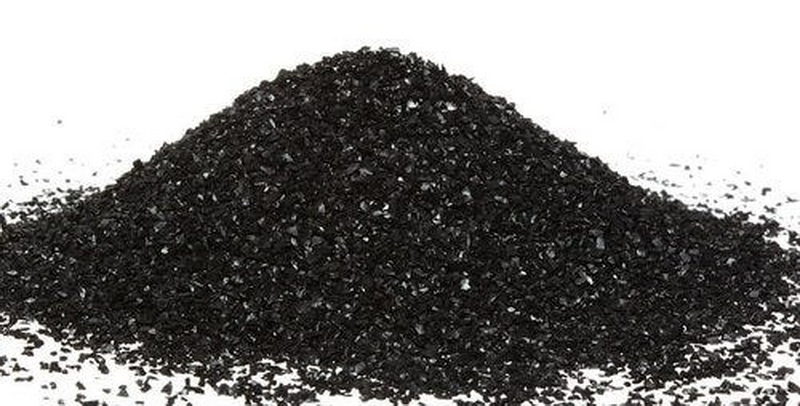
Powdered activated carbon consists of very fine particles (typically below 0.1–0.18 mm) designed for rapid adsorption and flexible dosing in liquid and some gas‑phase processes. Granular activated carbon has larger particles used mainly in fixed or moving‑bed filters and adsorption columns, where it can be regenerated and reused over multiple cycles.[10][7][8][3]
2. Is powdered activated carbon safe for drinking water treatment?
When produced and tested according to relevant water‑treatment and food‑grade standards, powdered activated carbon is widely used in municipal drinking water plants to remove taste, odor and micropollutants. Buyers must ensure that the powdered activated carbon supplier provides products suitable for potable water, with low impurities and documentation that meets local regulations.[13][6][2][4]
3. How do I choose between different powdered activated carbon grades?
Start by matching the raw material and pore structure of the powdered activated carbon to your contaminants and process conditions, using iodine number, surface area and pore size distribution as guides. Then compare ash, particle size, moisture and price, and run laboratory or pilot tests to determine which powdered activated carbon gives the lowest cost per unit of contaminant removed.[11][12][6][2][3]
4. Can powdered activated carbon be regenerated or reused?
In many wastewater and water applications, powdered activated carbon is used once and then removed with sludge or filter cake, because its fine size makes mechanical regeneration difficult. However, some suppliers offer processes that re‑activate fine carbons or convert spent granular carbon into react powdered activated carbon for specific uses, which can reduce overall waste and lifecycle cost.[8][16][9][6]
5. What information should I provide when requesting a quote for powdered activated carbon?
Suppliers can respond more accurately if you share details such as application type, flow rate, contaminants of concern, target removal efficiency, contact time, existing treatment steps and regulatory limits. It is also useful to specify any standards that the powdered activated carbon must meet, preferred raw material, packaging format, expected annual volume and delivery location.[12][6]
Citations:
[1](https://activatedcarbondepot.com)
[2](https://heycarbons.com/activated-carbon-testing-standards/)
[3](https://heycarbons.com/activated-carbon/)
[4](https://www.huameicarbon.com/activated-carbon-astm-testing-standards-pdf/)
[5](https://www.awwa.org/standards/)
[6](https://www.calgoncarbon.com/powdered-activated-carbon/)
[7](https://qizhongcarbon.com/blog/types-of-activated-carbon/)
[8](https://sodimate-inc.com/activated-carbon-types-applications-advantages/)
[9](https://en.wikipedia.org/wiki/Powdered_activated_carbon_treatment)
[10](https://en.wikipedia.org/wiki/Activated_carbon)
[11](https://ecofriendcarbon.com/blogs/how-to-choose-the-right-activated-carbon-detailed-guide)
[12](https://norit.com/expert-technical-advice)
[13](https://store.awwa.org/AWWA-B604-18-Granular-Activated-Carbon)
[14](https://www.karbonous.com/applications/)
[15](https://activatedcarbon.com/activated-carbon)
[16](https://www.activatedcarbon.org/wp-content/uploads/2025/02/Test_method_for_Activated_Carbon_86.pdf)
[17](https://recofiltration.com/virgin-powdered-activated-carbon)
[18](https://www.sciencedirect.com/topics/engineering/powdered-activated-carbon)
[19](https://www.bygen.com.au/post/emerging-trends-in-activated-carbon-technologies)
[20](https://www.sorbotech.uk/115,powdered_activated_carbon)


