Content Menu
● Activated Carbon Fiber vs. Traditional Activated Carbon
● Why Activated Carbon Fiber Has a Higher Price
>> 1. More complex raw materials
>> 2. Fiber processing adds manufacturing steps
>> 3. Lower yield and higher processing sensitivity
>> 4. Pore structure is engineered for fast adsorption
>> 5. Finished ACF products provide usable engineering formats
● Performance Advantages That Can Offset the Cost
>> Faster response in short-contact applications
>> Compact equipment design
>> Easier replacement and cleaner maintenance
● When Traditional Activated Carbon Is the Better Choice
● A Practical Cost Comparison Framework
>> Example: VOC polishing in limited space
● How to Specify Activated Carbon Fiber Correctly
● The Bottom Line
● FAQ
>> Is activated carbon fiber always more expensive than granular activated carbon?
>> Does activated carbon fiber adsorb contaminants faster?
>> Which is better for water treatment: activated carbon fiber or granular activated carbon?
>> Can activated carbon fiber be used for VOC removal?
>> Can activated carbon fiber be customized?
>> What information should I send to request an ACF quotation?
● References
Activated carbon fiber (ACF) usually costs more than traditional activated carbon because it requires a more controlled raw-material, fiber-forming, carbonization, activation, and finishing process. However, the purchase price alone does not tell the full story: in demanding water treatment, VOC removal, gas purification, pharmaceutical, food, and chemical applications, faster adsorption, compact system design, and easier handling can make activated carbon fiber a high-value solution.
At Guangdong Tongke Activated Carbon Co., Ltd., we work with industrial buyers who need to balance adsorption performance, operating stability, replacement frequency, installation space, and total treatment cost. The right question is not simply, "Why is activated carbon fiber more expensive?" It is: Which activated carbon format delivers the best result for this specific contaminant, process condition, and operating target?
Activated Carbon Fiber vs. Traditional Activated Carbon
Traditional activated carbon normally refers to granular activated carbon (GAC), powdered activated carbon (PAC), or pelletized activated carbon. These products are commonly manufactured from coconut shell, coal, wood, or other carbon-rich feedstocks. They are widely used because they are scalable, versatile, and economical for many bulk purification duties.
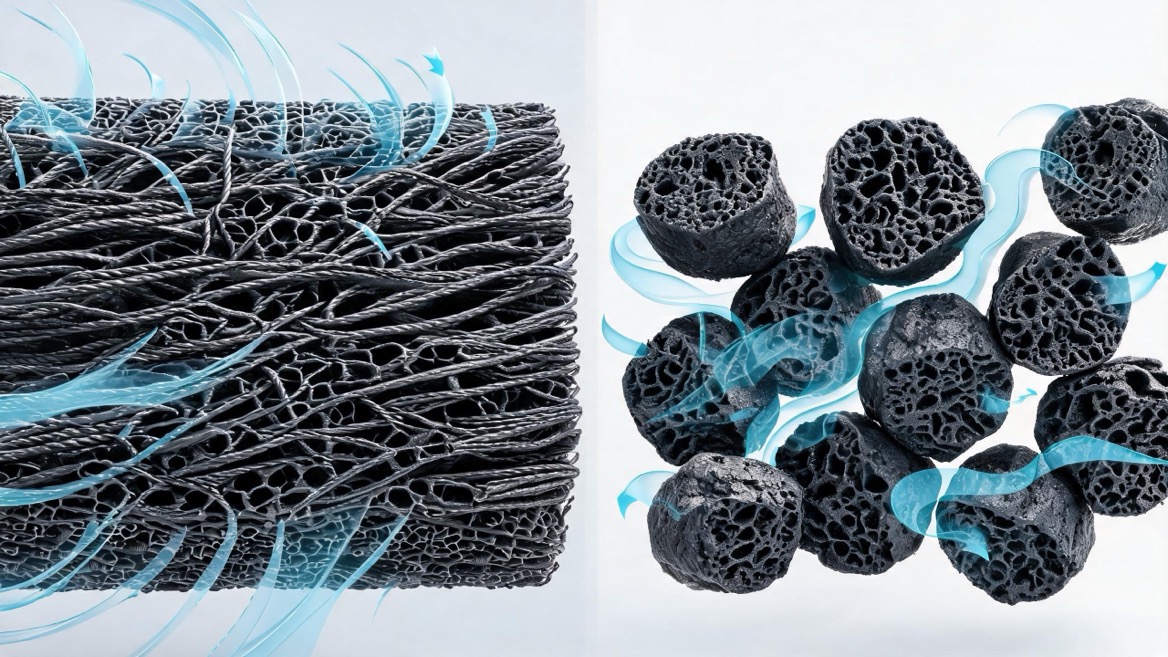
Activated carbon fiber is different. It begins as a fiber precursor, such as viscose, polyacrylonitrile (PAN), pitch, or another engineered fiber material. The precursor is stabilized, carbonized, activated, and converted into a porous adsorbent while retaining a fibrous structure.
This structure changes how contaminants reach adsorption sites.
| Factor | Activated Carbon Fiber | Traditional Activated Carbon |
| Physical form | Felt, cloth, paper, yarn, fabric, or shaped fiber media | Granules, powder, pellets, extrudates |
| Pore accessibility | Many pores are close to the fiber surface | Adsorbate often travels deeper into particles |
| Adsorption speed | Often very fast | Can be slower, especially with larger granules |
| Pressure drop | Can be low in properly designed fiber modules | Depends on particle size, bed depth, and flow rate |
| Installation format | Thin, compact, modular layers | Fixed beds, columns, vessels, dosing systems |
| Typical initial price | Higher | Usually lower |
| Best fit | Fast-cycle, high-performance, space-limited systems | Large-volume, conventional, cost-sensitive systems |
Activated carbon fiber commonly has a highly developed microporous structure. Published technical sources report typical ACF fiber diameters of roughly 5–30 μm, specific surface area around 1,000–1,500 m²/g, and average pore diameters of about 1.0–4.0 nm, although actual specifications vary substantially by precursor, activation method, and grade.
Why Activated Carbon Fiber Has a Higher Price
1. More complex raw materials
Traditional activated carbon can be produced from abundant materials such as coconut shell, coal, and wood. These feedstocks are relatively accessible and support high-volume production.
Activated carbon fiber requires a fiber precursor with consistent physical and chemical properties. The precursor must be suitable for conversion into a stable carbon fiber structure without losing its intended form.
That means manufacturers must control:
- Fiber diameter and uniformity
- Tensile behavior during heat treatment
- Chemical composition of the precursor
- Carbon yield after processing
- Final fabric, felt, or paper structure
Raw-material consistency is not optional for activated carbon fiber. Variations can affect pore development, strength, dust generation, adsorption performance, and processability.
2. Fiber processing adds manufacturing steps
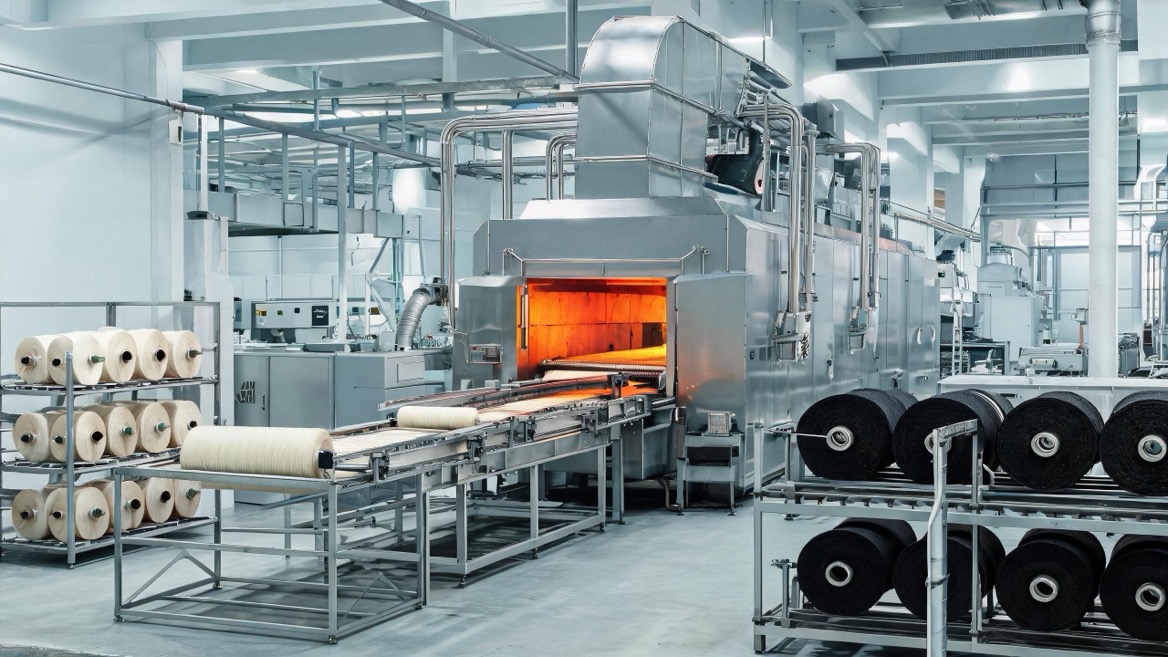
The manufacturing route for ACF is more specialized than the route for many granular carbon products. Depending on the precursor and end-use form, production can involve:
1. Preparing or sourcing the fiber precursor
2. Stabilizing the fiber structure
3. Carbonizing under controlled conditions
4. Activating to develop the pore network
5. Washing or neutralizing where required
6. Drying and heat-setting
7. Converting the material into cloth, felt, paper, cartridge media, or another usable format
8. Inspecting adsorption, ash, moisture, strength, and dimensional consistency
Each stage requires process control. If activation is too mild, the surface area and adsorption capacity may be insufficient. If it is too aggressive, the fiber can become weak, lose yield, or develop an unsuitable pore distribution.
This is one major reason why activated carbon fiber manufacturing cost is higher than standard activated carbon production cost.
3. Lower yield and higher processing sensitivity
ACF production can experience greater material loss during thermal conversion and activation. Manufacturers are not merely producing carbon; they are trying to create a functional adsorption structure while preserving the integrity of a fine fiber network.
A granular carbon producer may be able to crush, sieve, and classify a product into different mesh sizes. ACF producers must also manage physical characteristics such as:
- Fabric thickness
- Basis weight
- Fiber breakage
- Handling strength
- Roll uniformity
- Edge stability
- Dust release
- Air or liquid permeability
The finished adsorbent must perform chemically and mechanically. This dual requirement increases quality-control demands.
4. Pore structure is engineered for fast adsorption
A key value of activated carbon fiber is its pore accessibility. In many ACF products, micropores are distributed close to the external fiber surface. This shortens the path a contaminant must travel before reaching an adsorption site.
Traditional activated carbon particles may offer excellent internal surface area, but molecules must often diffuse through a more tortuous path inside the granule. For certain pollutants and short contact-time conditions, this internal diffusion can limit real operating performance.
Research and technical literature commonly identify ACF's high specific surface area, rapid adsorption kinetics, and short diffusion pathways as important performance advantages.
Faster adsorption is often what customers are paying for.
For example, a compact VOC treatment unit may have limited residence time. If the contaminant must be captured quickly, a high-performance fiber media can be more suitable than a larger conventional carbon bed. The material price may be higher, but the equipment footprint and required contact time may be lower.
5. Finished ACF products provide usable engineering formats
Activated carbon fiber is often sold as more than an adsorbent powder or bulk granule. It can be supplied as:
- Activated carbon fiber cloth
- Activated carbon fiber felt
- Activated carbon fiber paper
- Pleated filter media
- Composite filter layers
- Protective-mask media
- Customized rolls, sheets, pads, or modules
These formats can simplify assembly into customer equipment. They may reduce the need for loose-carbon containment screens, complex vessel filling, dust-management measures, or downstream particle filtration.
This is particularly valuable in applications requiring clean handling, compact construction, and easy replacement.
Performance Advantages That Can Offset the Cost
The higher price of activated carbon fiber is justified only when its performance improves the overall process. It is not automatically the best choice for every filtration project.
Faster response in short-contact applications
ACF can be highly effective where air or liquid moves through a system quickly. Its accessible micropore structure may support rapid capture of small organic molecules, odors, VOCs, and selected gas-phase contaminants.
Potential applications include:
- Industrial odor control
- VOC polishing
- Solvent vapor treatment
- Air purifier filters
- Respiratory protection media
- Electronics and clean-process air treatment
- Small-scale water polishing units
- Pharmaceutical and laboratory purification systems
For a system with very limited contact time, a faster adsorption rate may reduce the need for a larger bed volume.
Compact equipment design
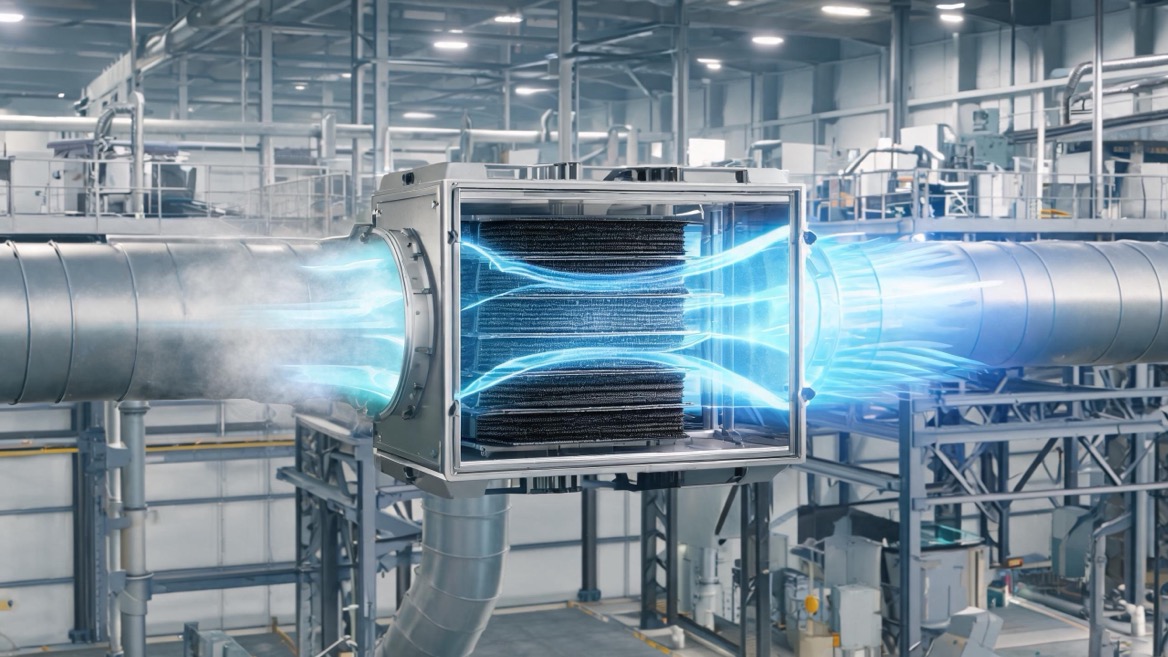
A conventional GAC system often needs a defined bed depth, vessel volume, and hydraulic contact time. In contrast, ACF can be configured as thin layers, folded media, cassettes, or compact modules.
This can help buyers where:
- Floor space is expensive
- Retrofit space is limited
- Equipment weight must be controlled
- Maintenance access is restricted
- Fast installation is required
- Portable treatment is needed
A compact design does not always mean lower total cost, but it can produce major advantages in high-value industrial environments.
Easier replacement and cleaner maintenance
Loose granular carbon must be filled, removed, transported, and handled. These tasks can create dust, require labor, and increase downtime.
ACF products can often be installed and replaced as pads, cartridges, rolls, or modules. This improves maintenance efficiency in many applications.
For example, an industrial exhaust system using a replaceable ACF cassette may allow technicians to remove a spent module and install a new one without emptying a carbon vessel. The benefit is not only speed. It can also improve site cleanliness and maintenance consistency.
When Traditional Activated Carbon Is the Better Choice
Traditional activated carbon remains the practical choice for many projects. GAC, PAC, and pelletized carbon are widely used because they provide reliable adsorption at a lower initial material cost.
Granular activated carbon is especially suitable for continuous-flow filtration systems, including fixed-bed and moving-bed configurations. It is commonly used for water purification, industrial wastewater treatment, odor control, vapor-phase adsorption, chemical processing, and solvent-related applications.
Choose conventional activated carbon when:
- The process handles large liquid or gas volumes
- Contact time is sufficient
- The installation has room for carbon beds
- The contaminant loading is high
- Initial material cost is the dominant factor
- A standard vessel-based treatment system is already in place
- Thermal reactivation or bulk carbon replacement is feasible
For municipal-scale water treatment or high-throughput industrial wastewater treatment, GAC can offer a strong balance of capacity, availability, and lifecycle economics.
A Practical Cost Comparison Framework
Comparing price per kilogram is a useful starting point, but it is not a complete purchasing method. A better evaluation compares the cost per unit of treated air, gas, or water over the expected service life.
Use the following checklist before selecting activated carbon fiber or traditional activated carbon.
1. Identify the target contaminant and concentration range
2. Confirm whether the application is liquid-phase or gas-phase
3. Measure flow rate, temperature, humidity, pressure, and contact time
4. Determine the required outlet concentration or removal efficiency
5. Compare adsorption capacity under real operating conditions
6. Evaluate breakthrough time rather than laboratory-only capacity
7. Include installation space, pressure drop, labor, and downtime
8. Assess disposal, regeneration, and replacement requirements
9. Request representative sample testing before a full-scale purchase
10. Compare total operating cost, not only material price
Example: VOC polishing in limited space
Consider an industrial coating line with a VOC polishing requirement and very limited space for a large adsorption vessel.
A low-cost granular carbon bed may require substantial volume to reach the required contact time. If the available footprint is restricted, the project may need duct modifications, structural changes, or a new equipment layout.
An activated carbon fiber module may cost more per kilogram, but it may fit inside a compact filter housing or retrofit section. If it achieves the required removal performance with faster adsorption and simpler maintenance, the installed solution can be commercially attractive.
The correct answer depends on the VOC type, concentration, humidity, airflow, temperature, fire-safety design, replacement interval, and emissions target. No responsible supplier should recommend a carbon grade based on price alone.
How to Specify Activated Carbon Fiber Correctly
Buyers can reduce performance risk by providing clear operating data when requesting an ACF quotation.
Please prepare:
- Target pollutants and chemical names
- Inlet and required outlet concentration
- Airflow or water flow rate
- Temperature and relative humidity
- Operating pressure and allowable pressure drop
- Required media shape: felt, cloth, paper, roll, sheet, cartridge, or custom module
- Dimensions, thickness, basis weight, and installation method
- Required compliance documents or test methods
- Estimated operating hours and replacement target
At Guangdong Tongke Activated Carbon Co., Ltd., a technically useful inquiry includes both the contaminant profile and the system conditions. This enables selection of a suitable activated carbon fiber grade, pore structure, product form, and packaging solution rather than offering a generic material that may not match the real application.
The Bottom Line
Activated carbon fiber costs more than traditional activated carbon because its raw materials, thermal processing, pore-structure control, finishing steps, and finished-media formats are more specialized. Its price reflects an engineered adsorption material designed for rapid capture, compact system integration, and controlled handling.
Traditional activated carbon is often the economical choice for large-scale, conventional treatment systems. Activated carbon fiber becomes more compelling when speed, compact design, low dust, rapid replacement, and high adsorption efficiency under short contact time have measurable operational value.
If you are evaluating ACF cloth, felt, paper, or customized activated carbon media for water treatment, air purification, VOC control, gas treatment, food processing, chemical production, or pharmaceutical applications, contact Guangdong Tongke Activated Carbon Co., Ltd. with your operating conditions. Our team can help compare activated carbon fiber and traditional activated carbon based on your actual process—not only the purchase price.
FAQ
Is activated carbon fiber always more expensive than granular activated carbon?
In most cases, yes. Activated carbon fiber usually has a higher initial unit price because it uses a more complex fiber-based manufacturing route and often requires additional conversion into felt, cloth, paper, or other engineered forms. The total project cost may still be competitive when compact equipment, rapid adsorption, and easier maintenance create operational savings.
Does activated carbon fiber adsorb contaminants faster?
Often, yes. ACF typically has pores that are more accessible from the fiber surface, which can shorten diffusion paths and support fast adsorption and desorption behavior. Actual results depend on the contaminant, pore-size distribution, humidity, temperature, and airflow or water-flow conditions.
Which is better for water treatment: activated carbon fiber or granular activated carbon?
Neither is universally better. GAC is widely used for high-volume, continuous water-treatment systems and can be cost-effective in fixed-bed vessels. ACF can be valuable in compact polishing systems, specialty filtration, or applications that require rapid adsorption and a thin media format.
Can activated carbon fiber be used for VOC removal?
Yes. Activated carbon fiber is used in air purification, industrial emission control, toxic-gas protection, and VOC-related applications. Its suitability depends on the compound, concentration, humidity, temperature, airflow, and required breakthrough time.
Can activated carbon fiber be customized?
Yes. Depending on the manufacturer and application, ACF can be supplied as cloth, felt, paper, rolls, sheets, pads, or integrated filter media. Customization may include thickness, basis weight, dimensions, pore characteristics, and final packaging format.
What information should I send to request an ACF quotation?
Provide the target contaminant, inlet concentration, desired outlet concentration, gas or liquid flow rate, temperature, humidity, operating pressure, equipment dimensions, desired product format, and expected service interval. This information supports a more accurate technical recommendation.
References
1. Centers for Disease Control and Prevention. *Filtration and Adsorption Performance of Activated Carbon Fiber.* [Read the publication].
2. Alfa Chemistry. *Activated Carbon Fiber.* [Read the technical overview].
3. Springer Nature. *Preparation and Performance Comparison of Cellulose-Based Activated Carbon Fibers.* [Read the research article].
4. American Chemical Society. *Rapid Preparation of Activated Carbon Fiber Felt Under Microwaves.* [Read the research article].
5. National Center for Biotechnology Information. *Assessment of the Porous Structure and Surface Chemistry of Activated Carbons.* [Read the article].
6. General Carbon Corporation. *Granular vs. Powdered Activated Carbon: Key Differences, Uses and Selection.* [Read the comparison].
7. Market.us. *Activated Carbon Market Size, Share and Industry Analysis.* [Read the market overview].


