Content Menu
● Honeycomb Activated Carbon in Simple Terms
● Why It Is Used in Industry
● Key Technical Benefits
● Main Specifications Buyers Should Check
● Honeycomb vs Pellet Carbon
● How to Choose the Right Grade
● What Recent Market Demand Means
● Practical Use Tips
● Where This Product Adds the Most Value
● Why Buyers Work With Tongke
● Conclusion
● FAQs
>> 1. What is honeycomb activated carbon used for?
>> 2. Is honeycomb activated carbon better than pellet carbon?
>> 3. Can honeycomb activated carbon be customized?
>> 4. What should buyers check before ordering?
>> 5. Does dust affect performance?
>> 6. Where is honeycomb activated carbon most useful?
● References
Honeycomb activated carbon is a high-performance adsorbent designed for industrial air purification, VOC removal, odor control, and exhaust gas treatment. Its structured channel design helps air pass through smoothly while maximizing contact with the carbon surface, making it especially useful for low-to-medium concentration gas streams and continuous treatment systems.
For buyers and engineers, the real advantage is not just adsorption capacity. It is the balance of low pressure drop, stable airflow, strong odor removal, and customizable block formats that makes honeycomb activated carbon a practical choice in modern pollution control systems.
Honeycomb Activated Carbon in Simple Terms
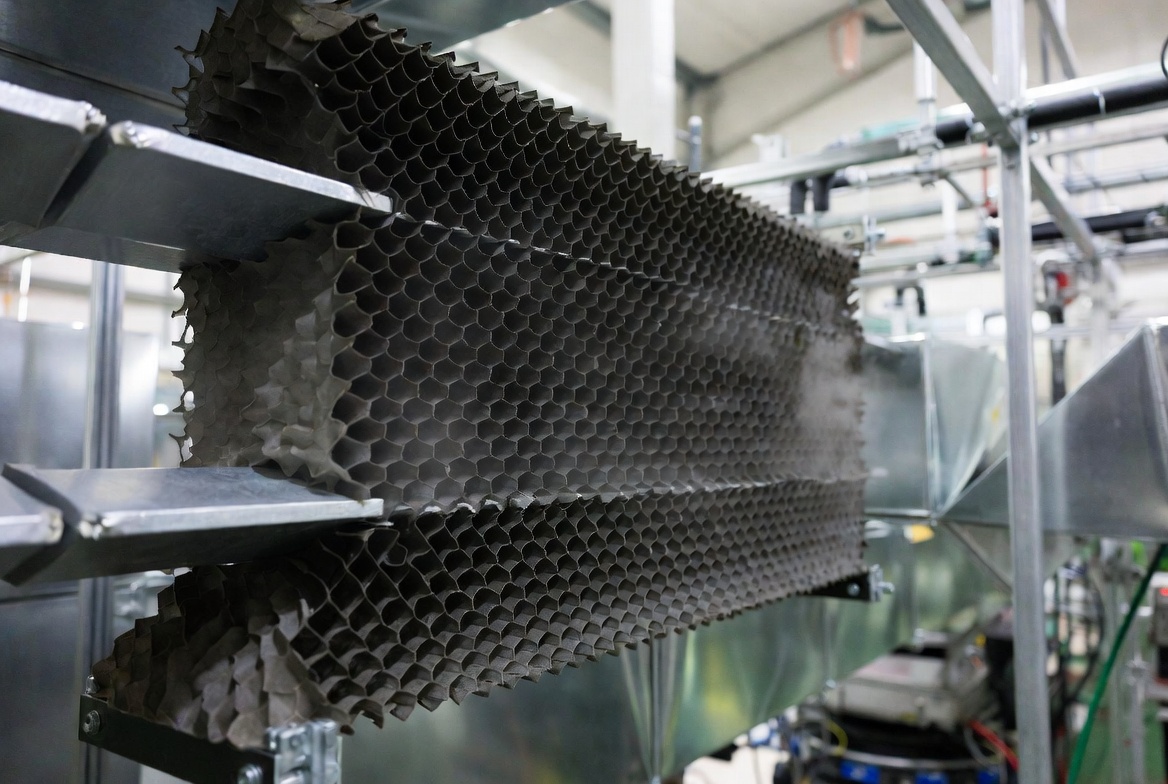
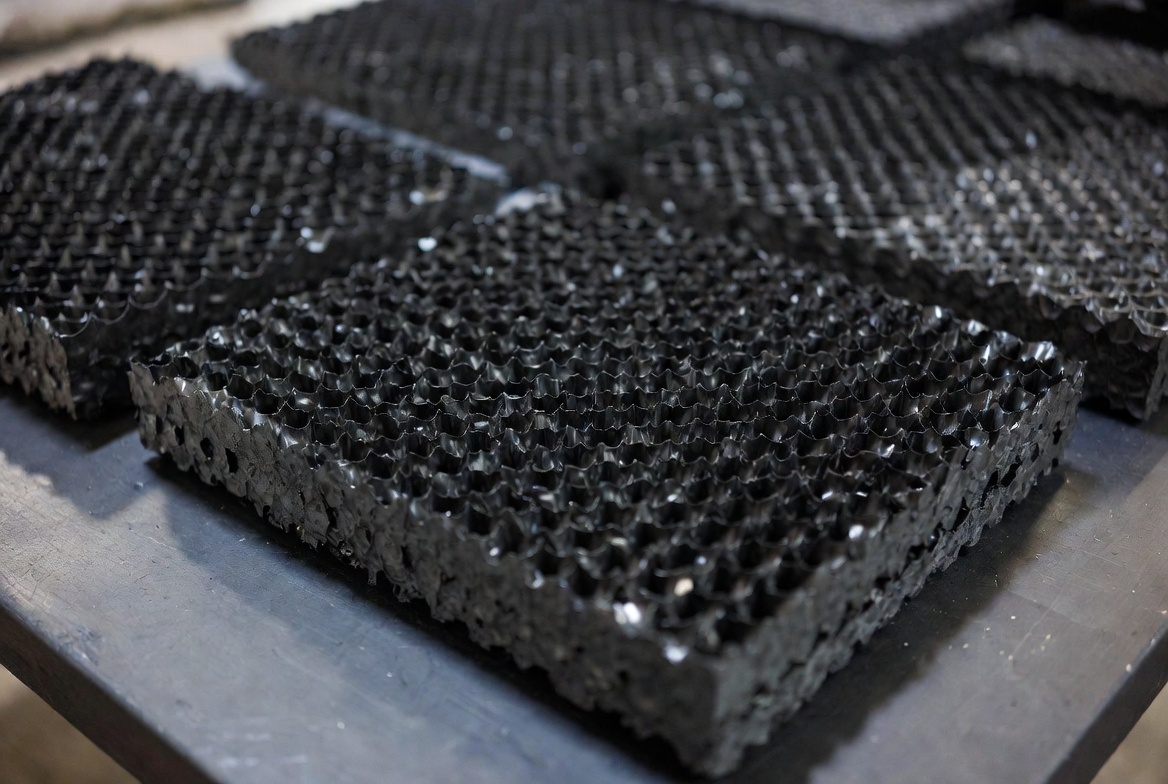
Honeycomb activated carbon is a shaped carbon block with many parallel channels running through it. These channels create a large surface area for adsorption while reducing airflow resistance, which is why the product is widely used in fume treatment, ventilation systems, and industrial waste-gas purification.
It is typically manufactured from activated carbon powders such as coal-based, coconut shell-based, or wood-based carbon, then formed, activated, and finished into a honeycomb structure. Some manufacturers also offer water-resistant grades and chemically impregnated versions for more demanding gas streams.
Why It Is Used in Industry
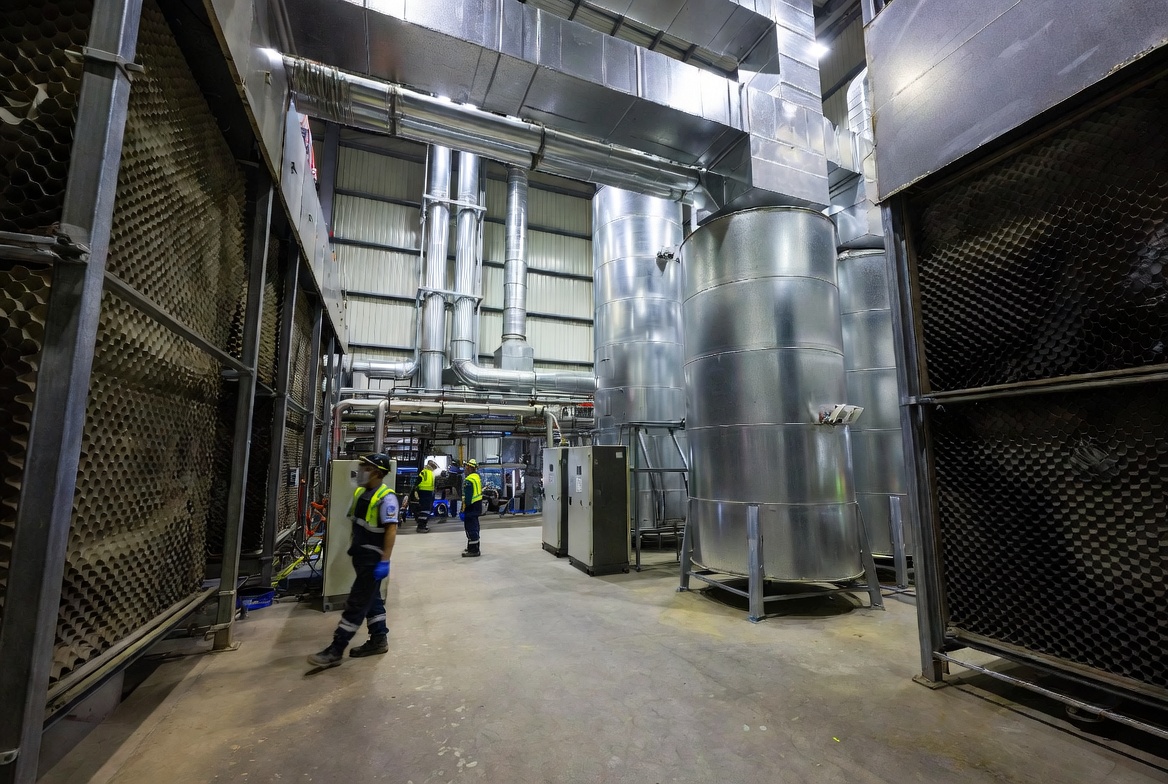
Honeycomb activated carbon is especially effective where a factory needs to treat large air volume with relatively low pollutant concentration. This makes it a strong fit for VOC-containing exhaust, odor control in production workshops, and pre-treatment or polishing stages in air-cleaning equipment.
Common industrial use cases include:
- VOC exhaust treatment.
- Odor removal in factories and ventilation systems.
- Air purification for enclosed work areas.
- Gas-phase adsorption in chemical and process industries.
- Support media in customized purification equipment.
Compared with loose granular media, the structured form helps reduce clogging risk and supports more stable airflow in equipment that runs continuously. That operational stability is often more valuable than maximum adsorption alone.
Key Technical Benefits
The biggest benefits of honeycomb activated carbon are mechanical structure and gas-flow efficiency. The channel design promotes even air distribution, which improves contact between contaminated gas and the adsorption surface.
Key advantages include:
- Low resistance to airflow, supporting lower energy loss in ventilation systems.
- Strong adsorption performance for odors, solvents, and VOCs.
- Flexible customization in size, pore density, and treatment grade.
- Suitable for continuous operation, especially in industrial exhaust systems.
- Option for chemical impregnation, which can improve performance in specific gas applications.
For buyers, this means better system efficiency and easier integration into engineered gas-treatment equipment.
Main Specifications Buyers Should Check
When comparing suppliers, the most useful technical data is not the marketing description but the engineering specification sheet. Common specification items include size, pore density, compressive strength, moisture content, bulk density, and adsorption indicators such as iodine value or CTC performance.
| Specification Item | Why It Matters | Typical Buyer Focus |
| Pore density | Affects airflow and resistance | Match with gas volume and system design |
| Compressive strength | Influences breakage risk during handling | Important for transport and installation |
| Moisture resistance | Helps in humid gas conditions | Useful for tougher industrial environments |
| Iodine value / adsorption indicator | Reflects adsorption capability | Higher values often mean stronger adsorption potential |
| Bulk density | Affects packing and loading efficiency | Important for cost and system sizing |
In practice, the best specification is the one matched to the gas type, air volume, humidity, and target contaminants. A product that looks strong on paper can still underperform if it is not matched to the actual exhaust conditions.
Honeycomb vs Pellet Carbon
Many industrial buyers compare honeycomb activated carbon with pellet activated carbon. The right choice depends on airflow behavior, installation design, and replacement convenience.
| Factor | Honeycomb Activated Carbon | Pellet Activated Carbon |
| Structure | Fixed block with channels | Cylindrical particles |
| Airflow resistance | Lower | Higher in some equipment layouts |
| Installation | Easy stacking and replacement | Depends on housing design |
| Clogging risk | Lower in many gas systems | Can be more prone in some setups |
| Best use | Large-air-volume exhaust and odor control | Applications requiring packed-bed flexibility |
For industrial exhaust systems, honeycomb formats are often preferred when airflow stability and low pressure drop matter most. Pellet media may still be useful in other packed-bed designs, but it is not always the most efficient choice for large-volume gas treatment.
How to Choose the Right Grade
Choosing the right grade starts with the gas stream itself. The best product depends on whether the target is benzene-like VOCs, mixed odors, acid gases, solvent fumes, or general indoor air purification.
A practical selection method is:
1. Identify the main contaminants.
2. Measure air volume and concentration.
3. Check humidity and dust loading.
4. Confirm the required service temperature.
5. Match pore density and treatment grade to the equipment.
Lower-pore-density products may work better for higher airflow, while finer channel structures can improve adsorption in lower-flow conditions. If the gas stream contains dust or tar mist, a pre-filter is important to prevent pore blockage and protect service life.
What Recent Market Demand Means
Industrial demand for activated carbon remains strong, and recent market forecasts show continued growth in the broader sector. One 2026 estimate places the activated carbon market in the multi-billion-dollar range, which reflects rising demand in air treatment, water purification, and industrial emissions control.
For manufacturers and buyers, this matters because the market is moving toward more application-specific grades. In other words, "one-size-fits-all" carbon is becoming less competitive than engineered products matched to a defined process, pollutant type, and operating condition.
This is also why suppliers that can offer custom pore density, water-resistant options, and special impregnation are likely to stand out in global sourcing.
Practical Use Tips
Honeycomb activated carbon performs best when the system is designed around its strengths. If the exhaust stream carries a lot of dust, mist, or sticky compounds, the carbon should not be exposed without pre-treatment.
Use these operational tips:
- Install dust removal upstream when needed.
- Avoid high-temperature operation beyond the product's rated limit.
- Replace media before clogging becomes severe.
- Choose the right pore density for the airflow rate.
- Store the product in dry conditions before installation.
For buyers, a product with good adsorption but poor system design will still disappoint. The full treatment setup matters as much as the carbon itself.
Where This Product Adds the Most Value
Honeycomb activated carbon creates the most value when a facility needs reliable exhaust treatment without major airflow disruption. That makes it useful in workshops, coating lines, printing facilities, chemical plants, and other environments where odor and VOC control are business-critical.
It is also attractive for export-oriented manufacturers because the product can be customized for different regions, equipment designs, and compliance targets. For procurement teams, that flexibility reduces integration risk and helps shorten project lead time.
Why Buyers Work With Tongke
Guangdong Tongke Activated Carbon Co., Ltd. supplies honeycomb activated carbon and other activated carbon products for industrial applications including water treatment, air purification, food and beverage processing, chemicals, and pharmaceuticals. The company position is especially relevant for buyers looking for custom grades, export support, and application-oriented product development.
For industrial sourcing, that means the purchasing conversation should focus on performance targets, not just product shape. A good supplier should help define the right carbon type, density, pore structure, and handling approach for the actual process environment.
Conclusion
Honeycomb activated carbon is a smart choice for industrial gas purification when the goal is strong adsorption, stable airflow, and easy equipment integration. Its structured design, customization options, and suitability for VOC and odor control make it especially valuable in modern exhaust-treatment systems.
For global buyers, the best results come from matching the product grade to the gas stream, humidity, dust load, and operating temperature. If you are sourcing for an industrial project, a technically guided specification review is the fastest path to better performance and lower operating risk.
FAQs
1. What is honeycomb activated carbon used for?
It is mainly used for VOC removal, odor control, and industrial exhaust gas treatment in air purification systems.
2. Is honeycomb activated carbon better than pellet carbon?
It depends on the application. Honeycomb carbon is often better for large-air-volume gas treatment because it offers lower airflow resistance and easier installation.
3. Can honeycomb activated carbon be customized?
Yes. Suppliers commonly customize size, pore density, strength, and in some cases chemical impregnation or water-resistant performance.
4. What should buyers check before ordering?
Buyers should confirm contaminant type, air volume, humidity, temperature, dust load, and required adsorption performance before choosing a grade.
5. Does dust affect performance?
Yes. Dust and tar mist can block pores, increase resistance, and reduce adsorption efficiency, so pre-filtration is often recommended.
6. Where is honeycomb activated carbon most useful?
It is most useful in systems that need continuous gas treatment, stable airflow, and effective odor or VOC removal in industrial environments.
References
1. [Huamei Carbon — What is Honeycomb Activated Carbon?]
2. [Tongke Carbon — News]
3. [Business Research Insights — Honeycomb Activated Carbon Market Size]
4. [Qizhong Carbon — Honeycomb Activated Carbon Product Page]
5. [Hongsen Carbon — Honeycomb Activated Carbon in VOC Control Equipment]
6. [Xingsen Carbon — Industrial Honeycomb Activated Carbon Solutions]
7. [CED Engineering — Air Pollution Control: Carbon Adsorption for VOCs]
8. [Terra Universal — Activated Carbon Filters for FFUs]
9. [Research and Markets — Activated Carbon Market Report 2026]
10. [Fact.MR — Activated Carbon Market]


