Content Menu
● Introduction
● What GAC Does
● Core Difference
● Side-By-Side View
● Performance In Water
● Operational Factors
● Cost And Lifecycle
● What Buyers Often Miss
● Practical Selection Guide
● Manufacturer Perspective
● Real-World Use Cases
● Conclusion
● FAQ
>> 1. Which is better for drinking water, coconut shell GAC or coal GAC?
>> 2. Does coconut shell GAC last longer?
>> 3. Can coal GAC be used in drinking water systems?
>> 4. Is coconut shell GAC always more expensive?
>> 5. How should I choose between them for a new project?
>> 6. Can the same carbon be used for all water systems?
● References
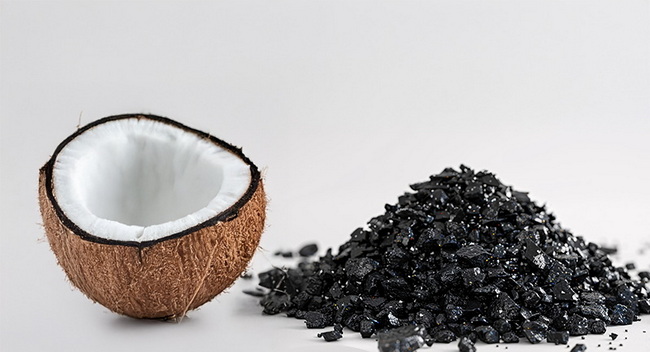
Coconut Shell GAC and Coal GAC can both work well in drinking water systems, but they are not interchangeable. The better choice depends on the target contaminants, contact time, operating cost, and the level of water polishing you need.
Introduction
In drinking water treatment, granular activated carbon is used to remove taste, odor, chlorine, chloramines, disinfection by-products, and many trace organics. Different raw materials create different pore structures, which is why coconut shell and coal-based carbons perform differently in real systems.
For manufacturers, engineers, and distributors, this comparison is not just about adsorption capacity. It is also about bed life, pressure drop, hardness, regeneration behavior, and whether the system is municipal, industrial, or point-of-use.
What GAC Does
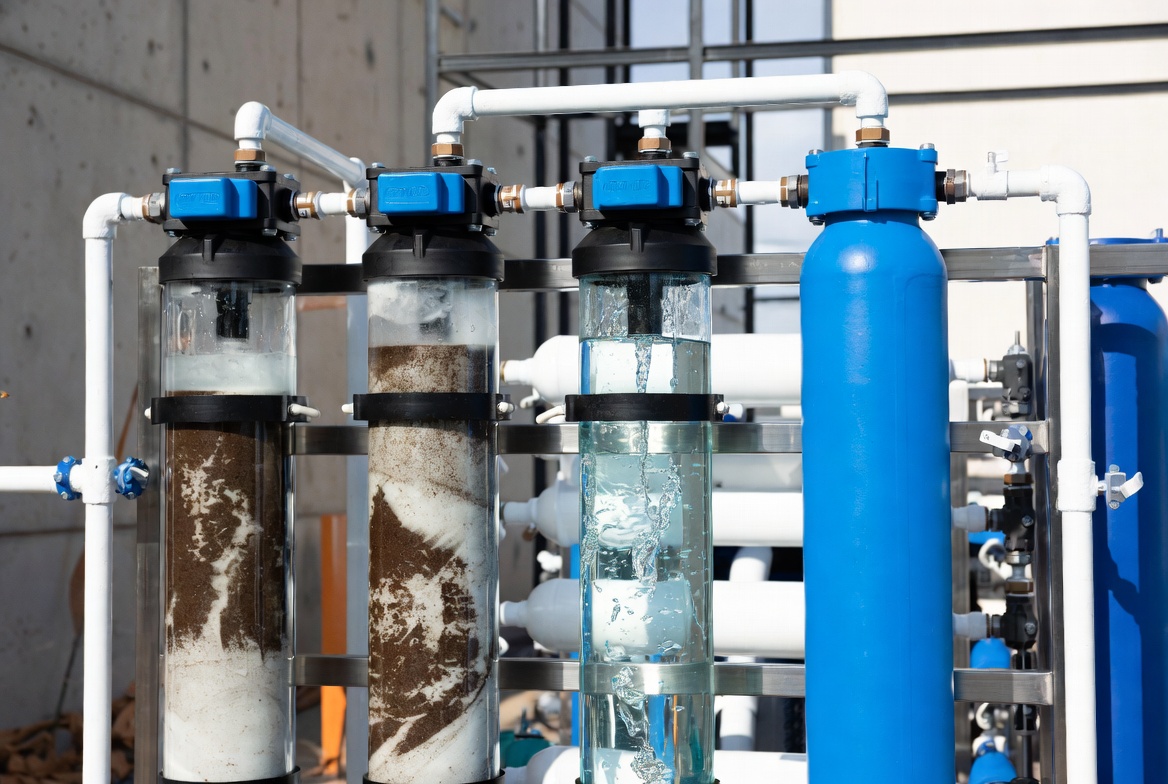
Granular activated carbon works mainly by adsorption, meaning contaminants attach to the huge internal surface inside the pores. In drinking water applications, it is commonly installed after clarification and before final disinfection or membrane protection steps.
A well-designed GAC bed can improve water taste and odor, reduce organic precursors, and help control chlorine or chloramine residuals. The exact performance depends on pore size distribution, raw material, particle size, and how the bed is operated.
Core Difference
The simplest way to view the difference is this: coconut shell GAC is typically micropore-rich, while coal GAC usually offers a more mixed pore structure with more mesopores and macropores. That structural difference drives performance in drinking water systems.
In practical terms, coconut shell carbon often excels at smaller molecules and polishing duty, while coal-based carbon can be better suited when a wider range of compounds or heavier loading is involved.
Side-By-Side View
| Factor | Coconut Shell GAC | Coal GAC |
| Pore structure | More micropores, strong for small molecules | More mesopores/macropores, broader pore distribution |
| Drinking water polishing | Often strong for VOCs, taste and odor, and final polishing | Often strong where broader adsorption and longer contact are needed |
| Hardness and dust | Typically higher hardness, lower dust | Can vary by grade; often selected for engineered performance |
| Bed consumption | Often lower in some VOC-focused uses | May consume faster in some small-molecule polishing tasks |
| Sustainability | Renewable feedstock from coconut shells | Coal-based feedstock is non-renewable |
| Best fit | POU/POE drinking water, polishing, flavor/odor control | High-loading systems, broader contaminant profiles, and some industrial water duties |
Performance In Water
For drinking water systems, coconut shell GAC is often preferred when the target is low-molecular-weight contaminants such as many VOCs. One published comparison reported nearly twice the benzene saturation capacity for coconut shell carbon versus bituminous coal carbon under the conditions tested.
That said, laboratory performance does not always transfer perfectly to full-scale plants. Background organics, empty bed contact time, influent variability, and pretreatment quality can reduce the advantage of any carbon grade.
Coal GAC can be valuable when the system needs a broader pore network or when operating conditions favor deeper penetration into the carbon bed. In those cases, coal-based grades may deliver more stable service in challenging raw water profiles.
Operational Factors
The best carbon is not chosen by raw material alone. Plant operators should compare iodine value, hardness, ash content, particle size, and bulk density, because these parameters affect both adsorption and hydraulics.
Key operating considerations include:
- Contact time. Short contact times favor carbon with strong fast-adsorption behavior.
- Pretreatment quality. Good coagulation, sedimentation, and filtration can reduce loading on the carbon bed.
- Backwashing behavior. Harder carbons typically generate less attrition and fines.
- Regeneration plan. Regeneration or replacement schedules should be based on real breakthrough data, not assumptions.
Cost And Lifecycle
Price per ton is only one part of the equation. A cheaper carbon can become more expensive if it exhausts faster, creates more dust, or needs more frequent replacement.
In VOC-focused drinking water systems, coconut shell GAC may reduce carbon consumption and lifecycle cost because of its strong micropore performance. Coal GAC may still win in applications where the contaminant mix or flow conditions justify its pore structure and operating profile.
What Buyers Often Miss
One of the most overlooked issues is site-specific testing. Two water sources can look similar on paper and still behave very differently in a carbon bed because of TOC, competing organics, temperature, pH, and disinfectant chemistry.
Another overlooked point is that the best choice for municipal drinking water is not always the best choice for packaged systems or residential point-of-entry units. Smaller systems often benefit from coconut shell GAC because of compact bed design and strong polishing performance.
Practical Selection Guide
Use this simple decision path:
1. Identify the top contaminants, including chlorine, chloramines, VOCs, taste/odor compounds, and DBP precursors.
2. Check whether the application is municipal, commercial, industrial, or point-of-use.
3. Compare required contact time with the carbon's adsorption profile.
4. Ask for hardness, iodine number, ash content, mesh size, and bulk density.
5. Run pilot testing if the water source is variable or the compliance target is strict.
For many drinking water polishing systems, coconut shell GAC is the first product to test. For broader adsorption challenges or more demanding operating profiles, coal GAC should remain in the shortlist.
Manufacturer Perspective
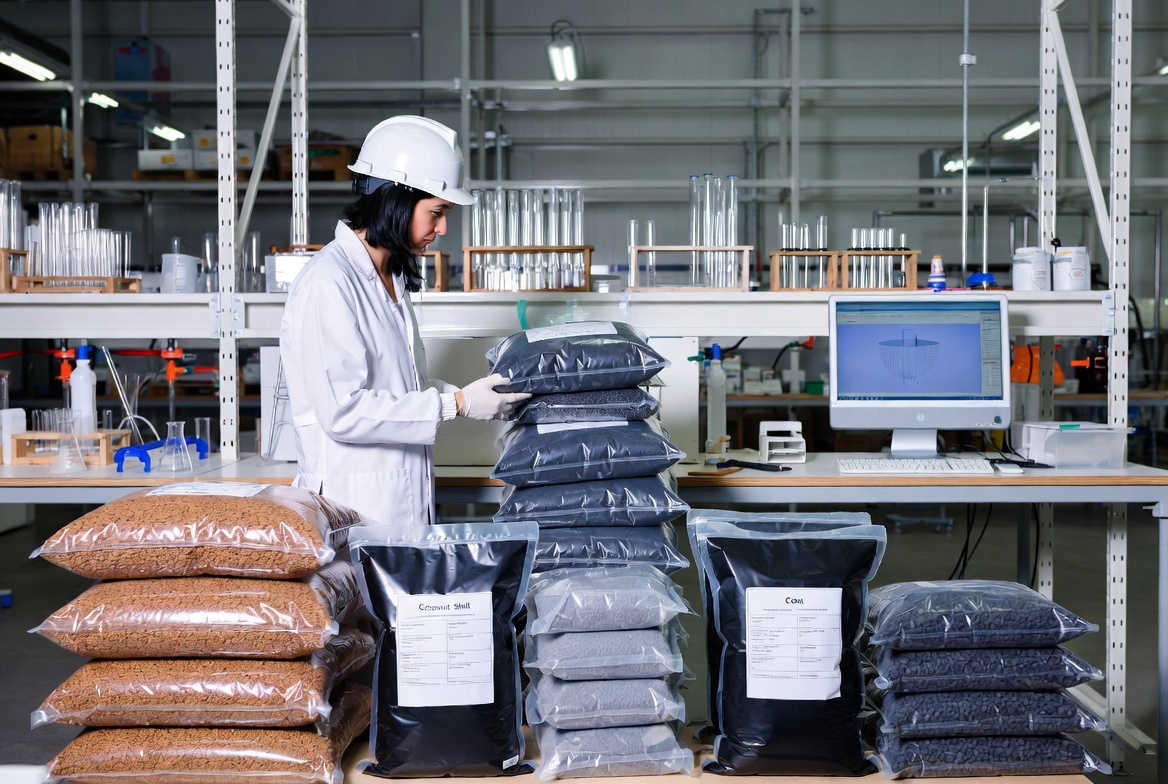
For a manufacturer like Guangdong Tongke Activated Carbon Co., Ltd., the right recommendation should always start with the water source and the end use. A tailored carbon grade is often more important than a generic "best" material claim.
That is especially true for export projects, where drinking water regulations, system design, and operating habits vary widely by country. A supplier with multiple carbon types can match the media to the application instead of forcing one grade into every project.
Real-World Use Cases
- Municipal polishing: Coconut shell GAC is often used for final taste and odor improvement after conventional treatment.
- POU and POE systems: Coconut shell carbon is frequently chosen where compact design and low dust matter.
- High-load treatment trains: Coal GAC can be attractive where a broader pore structure supports a wider contaminant mix.
- RO protection: Either carbon can work if it is correctly sized and the bed is designed to remove oxidants before membranes.
Conclusion
If your primary goal is drinking water polishing, VOC removal, and a hard, low-dust carbon bed, coconut shell GAC is often the stronger starting point. If your system faces a wider contaminant spectrum, variable raw water, or a need for more generalized adsorption behavior, coal GAC deserves serious consideration.
The best results usually come from pilot testing with the actual source water, because the "best" carbon is the one that performs best in your system, not just in a specification sheet.
If you are designing or upgrading a drinking water filtration system, request a carbon selection review before placing bulk orders. A tailored recommendation can reduce changeout frequency, stabilize water quality, and improve total lifecycle value.
FAQ
1. Which is better for drinking water, coconut shell GAC or coal GAC?
Coconut shell GAC is often better for drinking water polishing, especially for small organic molecules, VOCs, and odor control. Coal GAC can be better when the application needs a broader pore structure or more generalized adsorption.
2. Does coconut shell GAC last longer?
Often yes, because it is usually harder and produces less dust, which can help reduce attrition in the bed. Actual service life still depends on influent water quality and operating conditions.
3. Can coal GAC be used in drinking water systems?
Yes. Coal GAC is widely used in drinking water treatment when the source water profile and system design make it a good fit.
4. Is coconut shell GAC always more expensive?
Not necessarily. Even when unit price is higher, total operating cost may be lower if carbon consumption is reduced and service life improves.
5. How should I choose between them for a new project?
Start with contaminant identification, contact time, and pilot testing. Then compare hardness, iodine value, ash content, particle size, and lifecycle cost before final selection.
6. Can the same carbon be used for all water systems?
No. Different waters need different pore structures and operating profiles, so the best carbon for one source may not work well for another.
References
1. [Comparison of Bituminous and Coconut Shell Activated Carbon]
2. [An Evaluation of Activated Carbon for Drinking Water Treatment]
3. [Activated carbon for water]
4. [Top 10 Activated Carbon For Water Purification Manufacturers in China]
5. [Which Carbon is Better: Coal-Based or Coconut Shell Carbon]


