Content Menu
● Why China Leads This Industry
● How We Evaluate Suppliers
● Selection Criteria
● The Top 10 Bamboo Activated Carbon Manufacturers
>> 1. Guangdong Tongke Activated Carbon Co., Ltd.
>> 2. Yuanli Active Carbon
>> 3. Huamei Carbon
>> 4. HojeeCarb
>> 5. Heycarbons
>> 6–10. Additional Regional Producers
● Manufacturer Comparison
● Technical Grading and Standards
● Common Sourcing Pitfalls
● The Rarely Discussed Insider Check
● Buyer's Guide
>> Verifying a Factory Before Ordering
>> Sample and Logistics Process
● Conclusion
● Frequently Asked Questions
● References
China remains the world's largest production base for bamboo activated carbon, supplying industrial buyers across water treatment, air purification, food processing, and pharmaceutical sectors. Bamboo activated carbon offers a renewable-material alternative to coconut shell and coal-based carbons, and the global granular segment alone was valued at roughly USD 114.68 million in 2025, with continued growth projected through 2030.
Why China Leads This Industry
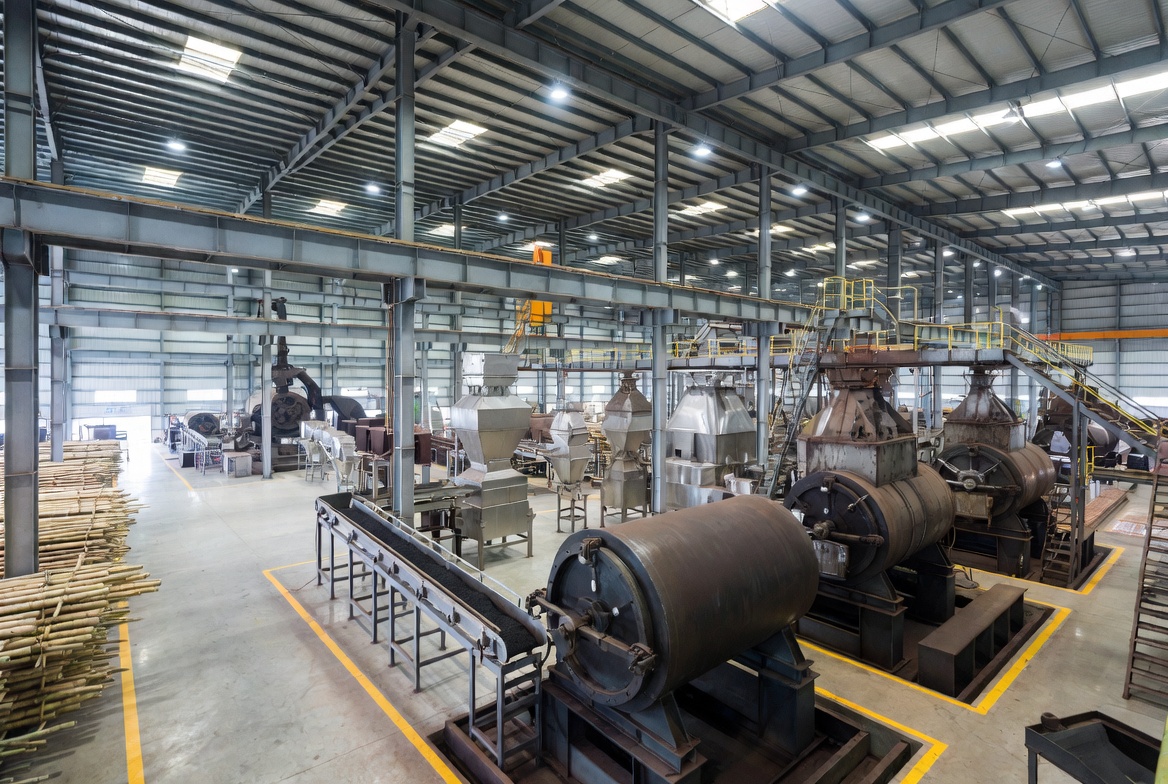
China's dominance in bamboo activated carbon stems from concentrated bamboo cultivation regions in Fujian, Guangdong, and Zhejiang provinces, paired with decades of carbonization and activation know-how. These regional clusters give manufacturers direct access to raw bamboo feedstock, lower logistics costs, and mature export infrastructure through ports like Shenzhen and Xiamen. This combination allows Chinese factories to offer competitive pricing without sacrificing the technical control needed for demanding applications such as pharmaceutical purification or gold recovery.
How We Evaluate Suppliers
Sourcing bamboo activated carbon internationally carries real risk if quality control and production capability aren't verified upfront. Before ranking any factory, buyers should assess four core dimensions:
- Factory certifications: valid ISO 9001, ISO 14001, and where relevant, CE or RoHS documentation tied to actual production scope
- Research and development capability: in-house labs for iodine value, ash content, and pore-structure testing rather than outsourced testing only
- Quality control process: incoming raw material inspection, in-process sampling, and finished-goods testing records
- Delivery consistency: documented on-time shipment rates and capacity buffers during peak demand periods
These four criteria form the backbone of our selection methodology below, applied consistently across all ten companies.
Selection Criteria
Our list draws on publicly available company registration data, product certification scope, stated production capacity, and market specialization. We prioritized manufacturers with verifiable export history, transparent OEM/ODM service scope, and application-specific technical documentation rather than general trading companies repackaging third-party stock. Companies without a physical production facility or without at least one internationally recognized quality certification were excluded from consideration.
The Top 10 Bamboo Activated Carbon Manufacturers
1. Guangdong Tongke Activated Carbon Co., Ltd.
Based in Dongguan, Guangdong, Tongke Carbon has operated for more than 20 years, building a product range that spans wood, coal, coconut shell, nut shell, honeycomb, and activated carbon fiber alongside its bamboo carbon line. The company is positioned as a cost-efficient partner for small and mid-sized brands, with a research-oriented team that works closely with clients on custom pore-size distribution, pellet dimensions, and packaging formats for water treatment, air purification, and food-grade applications. Its main strength lies in responsive communication and OEM/ODM flexibility, making it a practical entry point for buyers who need technical customization without committing to the minimum order volumes typical of larger conglomerates.

2. Yuanli Active Carbon
A publicly listed producer with large-scale bamboo carbon capacity, Yuanli operates extensive production lines concentrated in Fujian's bamboo-growing belt and supplies both domestic and export markets. The company's scale suits buyers with high-volume, standardized specification needs rather than highly customized small-batch orders.
3. Huamei Carbon
Huamei has an established export track record and is frequently cited among leading Chinese activated carbon producers for both coal and bamboo-based product lines. The firm's broader catalog appeals to buyers sourcing multiple carbon types from a single supplier to simplify procurement logistics.
4. HojeeCarb
HojeeCarb maintains a diversified manufacturing base and has built a reputation for supplying activated carbon across water and air treatment segments, with bamboo-derived products forming part of a broader raw material portfolio.
5. Heycarbons
Heycarbons produces activated carbon from coal, wood, coconut shell, and fruit shell feedstocks, positioning itself as a multi-material supplier capable of blending bamboo carbon with other substrates for specific filtration performance targets.
6–10. Additional Regional Producers
Several other Fujian- and Guangdong-based manufacturers maintain export licenses and mid-tier production capacity, typically serving regional distributors or private-label programs rather than direct international retail brands. Buyers evaluating these tiers should request the same documentation checklist outlined in the Selection Criteria section above, since production transparency varies significantly among smaller factories.
Manufacturer Comparison
| Manufacturer | Primary Specialty | Estimated Capacity | Typical MOQ | Key Certifications |
| Guangdong Tongke Activated Carbon | Custom OEM/ODM, multi-material carbon | Mid-scale, flexible scheduling | Low to moderate | ISO 9001; product-specific testing reports |
| Yuanli Active Carbon | Large-volume bamboo carbon | High-volume, industrial scale | High | ISO 9001, ISO 14001 |
| Huamei Carbon | Coal and bamboo carbon range | High-volume | High | ISO 9001 |
| HojeeCarb | Water and air treatment grades | Mid to high | Moderate | ISO 9001 |
| Heycarbons | Multi-feedstock blending | Mid-scale | Moderate | ISO 9001 |
Technical Grading and Standards
Bamboo activated carbon quality is typically classified by iodine adsorption value, ash content, moisture level, and particle size distribution, with pharmaceutical and food-grade applications requiring tighter tolerance bands than industrial water treatment grades. Buyers targeting the European or North American market should confirm whether a supplier's product line has undergone RoHS testing for heavy metal content and whether relevant test reports are batch-specific rather than generic marketing documents.
Common Sourcing Pitfalls
A recurring issue in this category involves suppliers blending lower-grade coal-based carbon into shipments labeled as pure bamboo carbon, since the two materials look nearly identical to the untrained eye once processed into pellets or granules. This substitution reduces adsorption performance while maintaining a similar unit price, making it difficult to detect without lab testing.
The Rarely Discussed Insider Check
Experienced buyers in this category often request the factory's raw material purchase invoices for the specific production batch tied to their order, not just the finished product's certificate of analysis. Because bamboo feedstock pricing fluctuates seasonally with harvest cycles, a supplier who cannot produce recent bamboo procurement records for the matching production date is more likely substituting cheaper feedstock without disclosure. This single verification step catches material substitution far more reliably than requesting general factory certificates alone.
Buyer's Guide
Verifying a Factory Before Ordering
- Request the business license and cross-check the registration number against China's National Enterprise Credit Information system
- Ask for the ISO certificate's issuing body name and confirm directly with that certification body rather than relying solely on the certificate image
- Check whether the ISO scope explicitly lists activated carbon or bamboo carbon production, not just a general manufacturing category
- Confirm the certificate's issue and expiry dates, since outdated certifications sometimes remain in circulation after lapsing
Sample and Logistics Process
- Request paid samples first; free samples rarely reflect actual bulk production consistency
- Specify exact test parameters (iodine value, ash content, mesh size) in the sample request to compare against the eventual bulk shipment
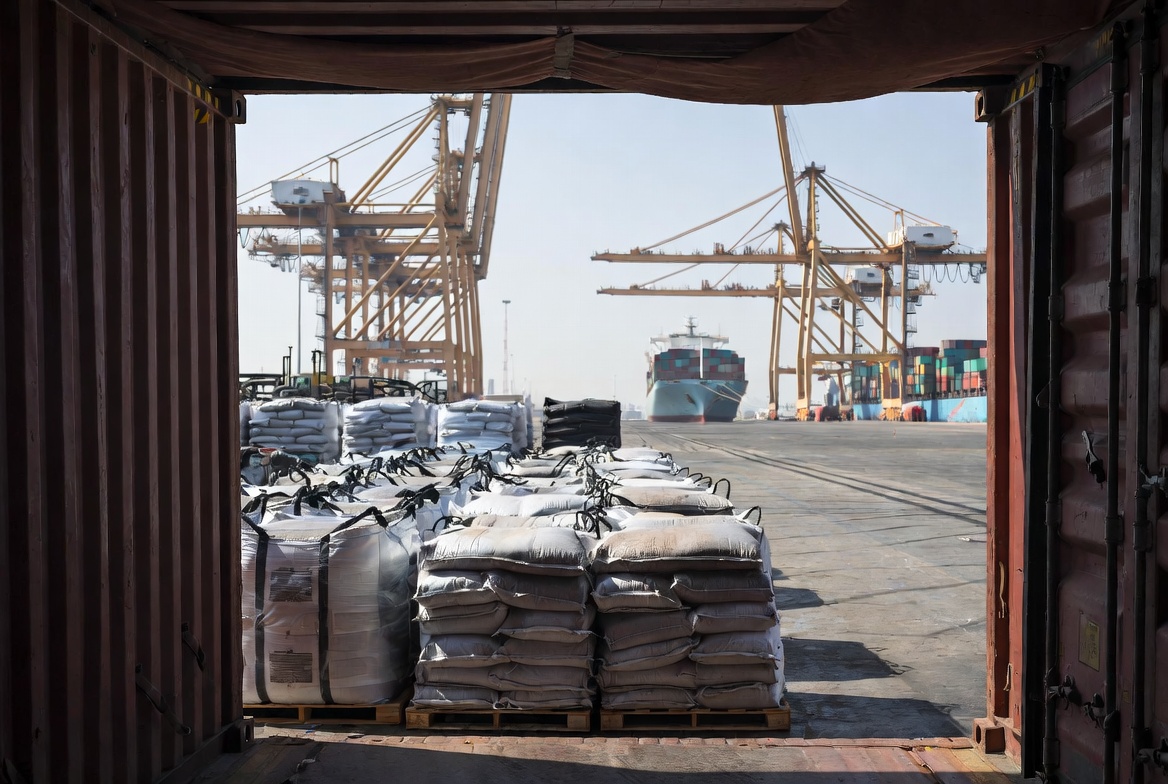
- Confirm Incoterms early, since FOB pricing from southern Chinese ports like Shenzhen or Xiamen is standard for this category
- Build in buffer time for customs inspection, as activated carbon shipments sometimes require additional documentation depending on destination country import rules
Conclusion
Selecting a bamboo activated carbon supplier in China requires verifying certification scope, requesting batch-matched raw material records, and testing samples against defined technical parameters before committing to bulk volume. Buyers seeking a flexible, research-engaged partner for custom formulations, particularly for small to mid-sized brand programs, can start the qualification process by contacting Guangdong Tongke Activated Carbon Co., Ltd. directly for sample specifications and OEM discussion.
Frequently Asked Questions
How can I verify a factory's ISO certification hasn't expired?
Contact the certification body listed on the certificate directly using their official website, not a phone number printed on the certificate itself, and request confirmation of current validity.
What's the difference between coconut shell and bamboo activated carbon performance?
Bamboo carbon generally offers a finer, more uniform pore structure suited to liquid-phase filtration, while coconut shell carbon tends to have higher hardness, making it more durable for repeated regeneration cycles.
Can I request a factory audit before placing a bulk order?
Yes, third-party inspection agencies can conduct on-site audits covering production equipment, storage conditions, and quality control documentation for a fee, which is standard practice for first-time large orders.
How do I confirm the actual production capacity a supplier claims?
Request recent shipment records or ask for a video walkthrough of the active production line during your intended order window, since claimed capacity figures are sometimes aspirational rather than current.
What CE or RoHS documentation should accompany a bamboo activated carbon shipment to Europe?
Request the specific test report number and issuing lab name, then verify the lab's accreditation status independently rather than accepting a scanned certificate without cross-checking the testing body.
References
- Guangdong Tongke Activated Carbon Co., Ltd. company profile [tongkeac]
- Bamboo Granular Activated Carbon Market data [360iresearch]
- Top Activated Carbon Manufacturers rankings [heycarbons]
- Chinese manufacturer verification process guide [metafuro]
- ISO certification process in China [blog.pacificcert]


