Content Menu
● What Makes Decolorizing Activated Carbon Different
● The Raw Materials That Drive Performance
● Where Decolorizing Activated Carbon Is Used
>> Sugar and Sweetener Refining
>> Food and Beverage Processing
>> Pharmaceutical and Chemical Manufacturing
>> Wastewater and Industrial Effluent Treatment
● Application Methods: Static Contact vs. Column Adsorption
● Practical Dosing Considerations
● Why Sourcing Quality Matters for Buyers
● Take the Next Step Toward Cleaner, Clearer Products
● Frequently Asked Questions
● References
Decolorizing activated carbon has become the backbone of purification processes across sugar refining, pharmaceuticals, and beverage production worldwide. This article breaks down how it works, why pore structure matters, and how manufacturers like Guangdong Tongke Activated Carbon Co., Ltd. engineer this material to meet the strictest industrial purity standards.
What Makes Decolorizing Activated Carbon Different
Decolorizing activated carbon is a specially engineered form of activated carbon optimized to trap color-causing organic molecules from liquids and gases. Unlike standard activated carbon, which often focuses on small-molecule contaminants such as chlorine or volatile organic compounds, decolorizing grades are designed with a mesoporous structure that targets larger, complex pigment compounds.
This distinction matters because color-forming molecules—melanoidins, caramels, tannins, and polyphenols—are typically bulkier than odor or taste compounds. A carbon that excels at odor removal will not necessarily excel at decolorization. Manufacturers must fine-tune the pore architecture specifically for this purpose.
The Raw Materials That Drive Performance
Not every activated carbon feedstock performs equally well in decolorization. The raw material determines the pore distribution, which in turn dictates adsorption capacity for pigment molecules.
- Wood-based carbon — offers a naturally mesoporous structure, ideal for capturing mid-sized color molecules
- Coconut shell carbon — provides a balance of micropores and mesopores, useful for both decolorization and general purification
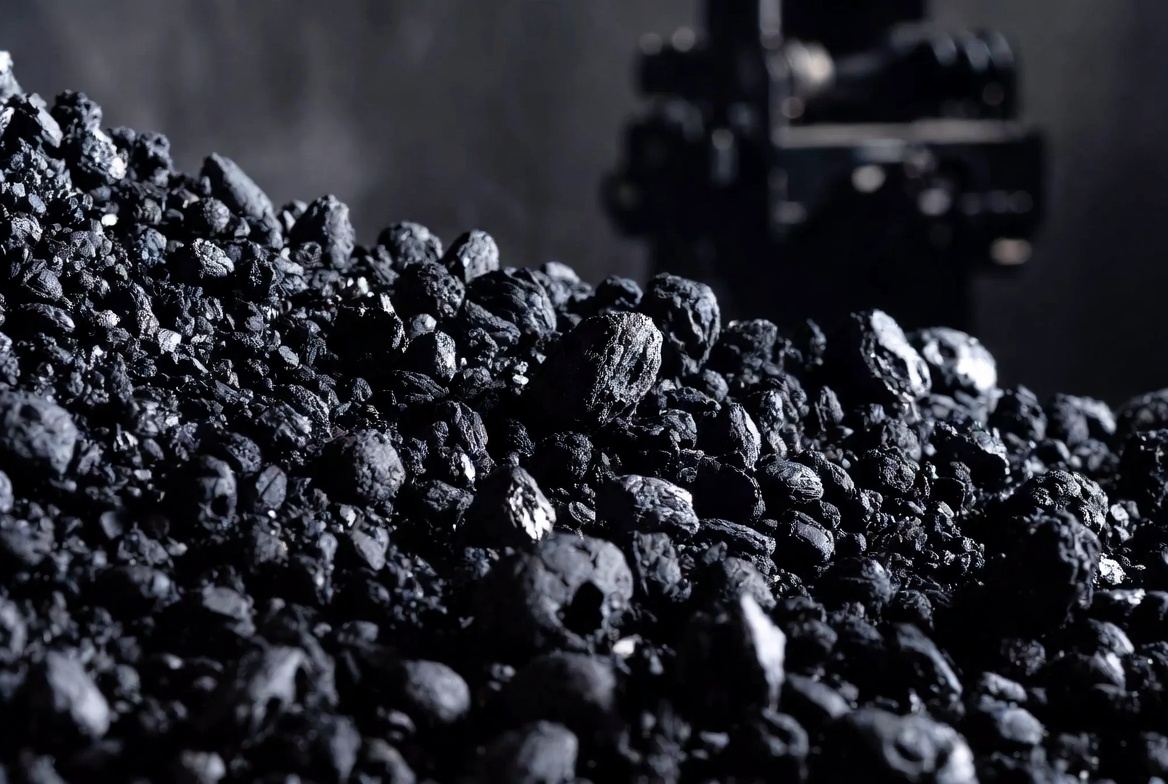
- Coal-based carbon (lignite or bituminous) — suited for heavy-duty decolorization tasks but may require extra washing to reduce ash content
The activation method—steam or chemical activation—is carefully controlled during production to maximize pore size distribution for pigment adsorption. Contemporary high-performance activated carbons now reach BET surface areas of 1,600 to 3,000 square meters per gram, with optimized pore diameters of 2.0 to 4.0 nanometers and total pore volumes between 1.0 and 3.0 cubic centimeters per gram. These structural parameters directly correlate with how efficiently a carbon adsorbs large pigment molecules versus simply having high surface area alone.
Where Decolorizing Activated Carbon Is Used
Sugar and Sweetener Refining
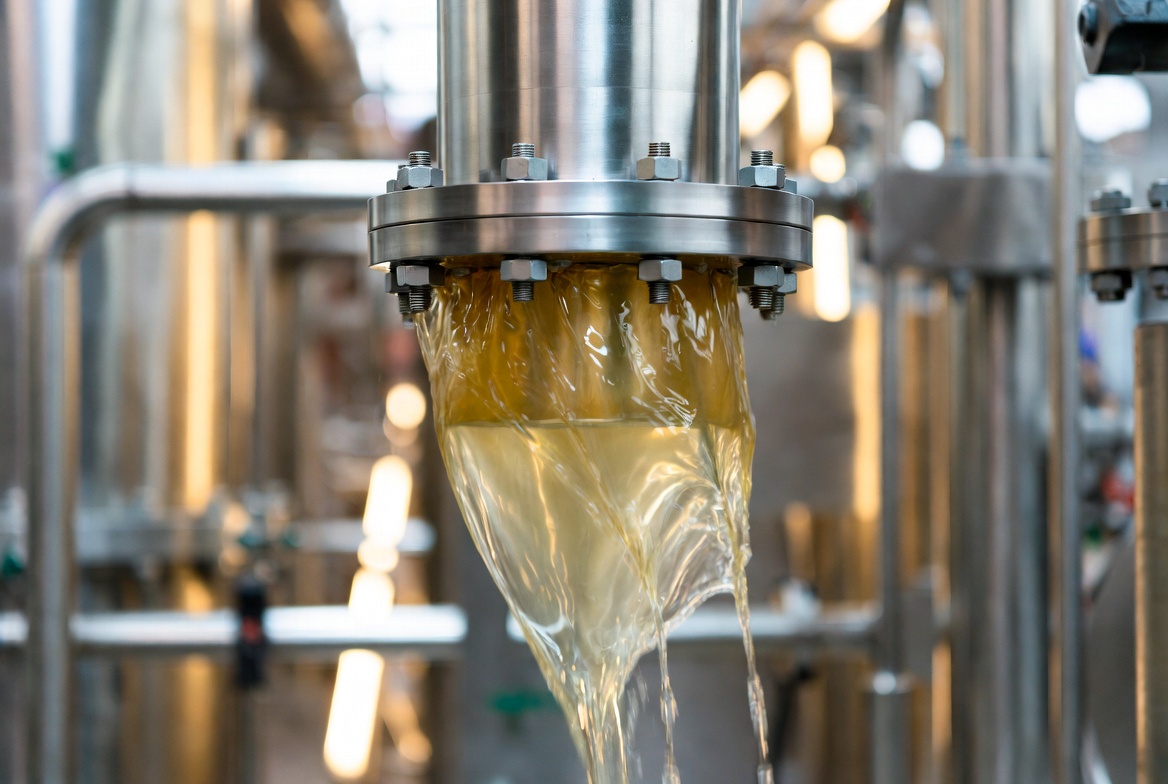
The sugar industry remains one of the largest consumers of decolorizing activated carbon. Raw sugar solutions contain pigments such as melanoidins, caramels, and polyphenols that must be stripped out to produce the clear, white sugar consumers expect. High-fructose corn syrup production follows a similar path, requiring water-clear purification to meet food industry standards. Beyond color, removing these substances also speeds up crystallization, reduces foaming during evaporation, and improves filterability of the liquor—benefits that go directly to a refinery's operating efficiency.
Food and Beverage Processing
Edible oils like palm, soybean, and canola rely on decolorizing carbon to remove color bodies and oxidation byproducts. Fruit juices and concentrates use it to eliminate both enzymatic and non-enzymatic browning compounds. In alcoholic beverages—vodka, rum, and wine—activated carbon adsorbs tannins and fusel oils that would otherwise cloud the final product. Notably, the decolorization process is engineered to improve visual clarity without altering taste or aroma, a critical requirement for beverage producers.
Pharmaceutical and Chemical Manufacturing
Active pharmaceutical ingredients often demand ultra-pure, colorless intermediates before they can proceed to formulation. Organic acids such as citric, lactic, and acetic acid require color removal from colored fermentation byproducts. Dye and chemical intermediate producers likewise depend on decolorizing carbon to purify precursor chemicals to acceptable purity levels.
Wastewater and Industrial Effluent Treatment
Textile manufacturers use decolorizing carbon to remove dye residues and meet environmental discharge regulations. Chemical plants apply the same technology to target soluble organic pollutants responsible for effluent coloration.
Application Methods: Static Contact vs. Column Adsorption
Industrial decolorization typically follows one of two operational approaches, and choosing the right method affects both cost and throughput.
| Method | Process | Best Suited For |
| Static contact | Powdered carbon mixed directly into the liquid, then removed by filtration | Batch processing, smaller volumes, sugar syrups |
| Column adsorption | Liquid passed continuously through a fixed bed of granular carbon | Continuous production lines, large-scale beverage and pharma operations |
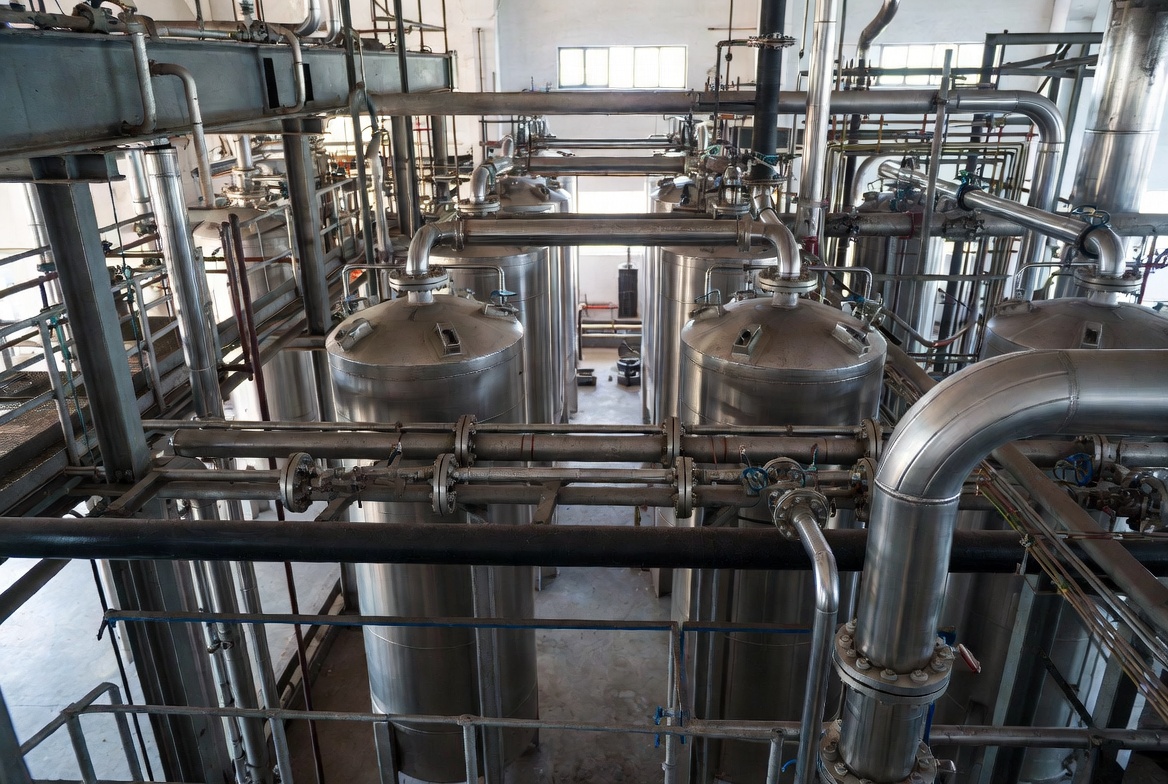
Static contact treatment offers flexibility for smaller or variable batches, while column systems are preferred where continuous throughput and lower labor input are priorities.
Practical Dosing Considerations
Getting dosage right is one of the most overlooked steps in decolorization, yet it directly affects both cost and product quality. Overdosing wastes material and can strip beneficial compounds along with pigments, while underdosing leaves residual color and impurities.
1. Start with a bench-scale trial. Test multiple dosage levels (typically 1–20 grams per liter depending on the application) before committing to full-scale treatment.
2. Match particle size to contact time. Finer powdered carbon reacts faster in short-contact static systems; granular carbon suits longer-residence column systems.
3. Monitor mesopore-to-micropore ratio. Studies show oxidative surface modification can raise mesopore area substantially—one trial recorded an increase from 129 to 340 square meters per gram, lifting decolorization capacity from 92% to 96% at a lower dose.
4. Reassess seasonally. Raw material color load (e.g., sugarcane vs. beet feedstock) varies by harvest season, so dosing should be revisited periodically rather than fixed indefinitely.
Why Sourcing Quality Matters for Buyers
Procurement teams sourcing decolorizing carbon for export-grade manufacturing should weigh more than price per ton. Pore structure consistency, low ash content, and batch-to-batch reproducibility determine whether a supplier can support continuous industrial operations without unplanned downtime. Buyers serving pharmaceutical or food-grade clients should also confirm documentation on heavy metal content and microbial limits, since these specifications are increasingly scrutinized by end customers in regulated markets.
Guangdong Tongke Activated Carbon Co., Ltd. produces a full range of activated carbon formats—including powdered, granular, pellet, honeycomb, wood-based, coal-based, and coconut shell activated carbon—engineered for water treatment, air and gas purification, food and beverage decolorization, and chemical processing. Our production integrates in-house scientific research with manufacturing, allowing customization of pore structure and particle sizing to match specific decolorization targets across sugar refining, edible oil processing, and wine and beer production.
Take the Next Step Toward Cleaner, Clearer Products
If your production line depends on consistent, high-purity decolorization—whether for sugar syrup, edible oils, pharmaceutical intermediates, or industrial wastewater—reach out to our technical team for a tailored carbon recommendation and sample evaluation based on your specific liquid or gas stream.
Frequently Asked Questions
1. What is the difference between decolorizing activated carbon and standard activated carbon?
Decolorizing carbon is engineered with a higher proportion of mesopores to trap large, complex pigment molecules, while standard activated carbon often prioritizes micropores for small-molecule contaminants like chlorine or VOCs.
2. Which raw material produces the best decolorizing carbon?
Wood-based carbon is favored for its naturally mesoporous structure, coconut shell carbon offers a balanced pore profile, and coal-based carbon suits heavy-duty applications requiring additional ash reduction.
3. How is decolorizing activated carbon used in sugar refining?
It removes pigments such as melanoidins, caramels, and polyphenols from raw sugar solutions, producing clear syrup while also improving crystallization speed and filterability.
4. What is the difference between static contact and column adsorption methods?
Static contact involves mixing powdered carbon directly into the liquid before filtering it out, while column adsorption passes liquid continuously through a fixed bed of granular carbon for ongoing treatment.
5. Does activated carbon decolorization affect taste or nutritional value?
Properly dosed decolorizing carbon targets pigment-causing molecules without significantly altering the chemical or nutritional properties of the treated liquid.
6. How much activated carbon is needed for effective decolorization?
Dosage varies by application, typically ranging from 1 to 20 grams per liter, and should be determined through bench-scale trials specific to the liquid being treated.
References
1. Oxidation of Activated Carbon: Application to Vinegar Decolorization — https://www.sciencedirect.com/science/article/abs/pii/S0956053X02001686 [pubmed.ncbi.nlm.nih]
2. Activated Carbon for Decolorization in Food and Beverages — https://www.tongkeac.com [tongkeac]
3. Assessment of the Porous Structure and Surface Chemistry of Activated Carbons — MDPI Journal Article [pmc.ncbi.nlm.nih]
4. The Science Behind Decolorizing Activated Carbon: How It Works & Why It Matters — https://www.huameicarbon.com/the-science-behind-decolorizing-activated-carbon-how-it-works-why-it-matters/ [huameicarbon]
5. Task IV – Activated Carbon (Food and Beverage Industry Report) [nepis.epa]
6. Activated Carbon Powder: Comprehensive Analysis of Structure and Performance [eureka.patsnap]
7. Application — Guangdong Tongke Activated Carbon Co., Ltd. — https://www.tongkeac.com/Application.html [tongkeac]
8. Decolorization with Activated Carbon — Technical Overview [carbotecnia]


