As the global push for carbon neutrality and stringent emission standards intensifies, Canada has emerged as a critical market for advanced filtration technologies. In 2026, the Canadian industrial landscape is facing a pivotal shift. With the Environment and Climate Change Canada (ECCC) implementing stricter Volatile Organic Compound (VOC) regulations and the 2030 Emissions Reduction Plan in full swing, industries are moving beyond traditional granular carbon toward more efficient, low-pressure-drop solutions.
In this expert guide, we analyze the top Honeycomb Activated Carbon Manufacturers and Suppliers in Canada, evaluating them based on technical performance, Experience, Expertise, Authoritativeness, and Trustworthiness standards, and their ability to meet the unique demands of the Canadian climate and regulatory environment.
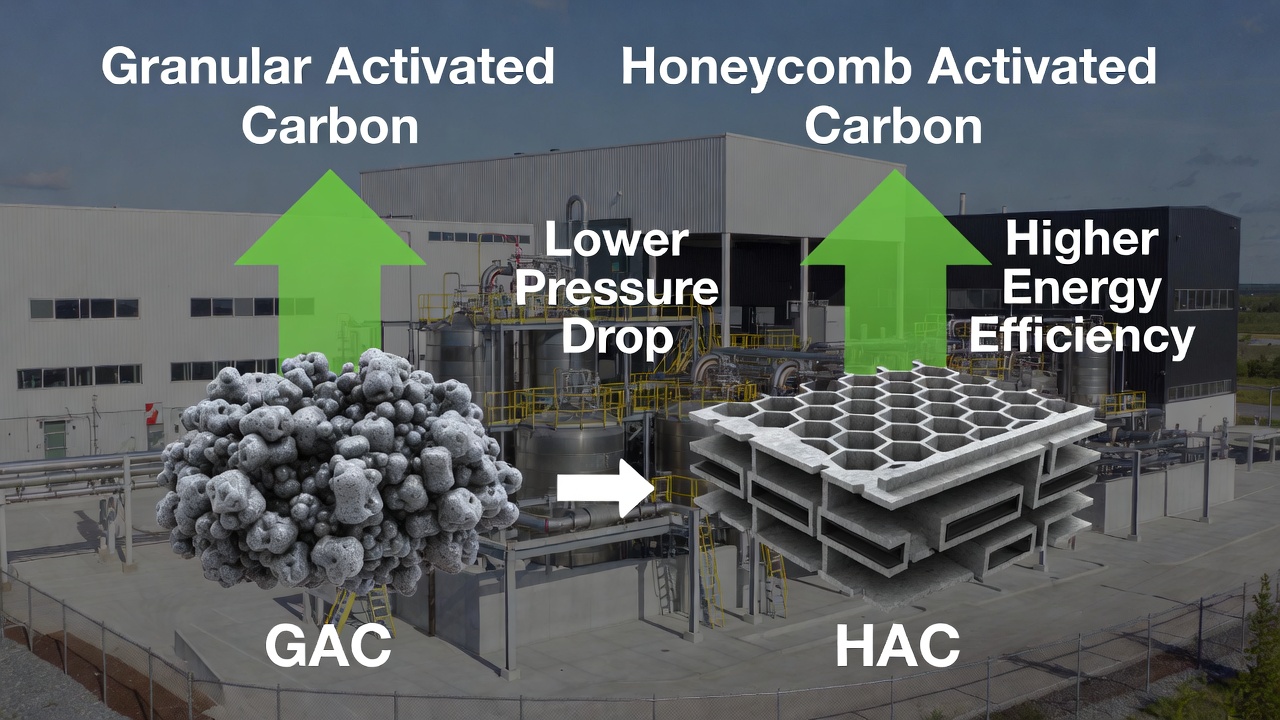
Historically, Canadian industries relied heavily on Granular Activated Carbon (GAC) for water and air treatment. However, the shift toward Honeycomb Activated Carbon (HAC) has been driven by the need for higher energy efficiency in HVAC and industrial exhaust systems.
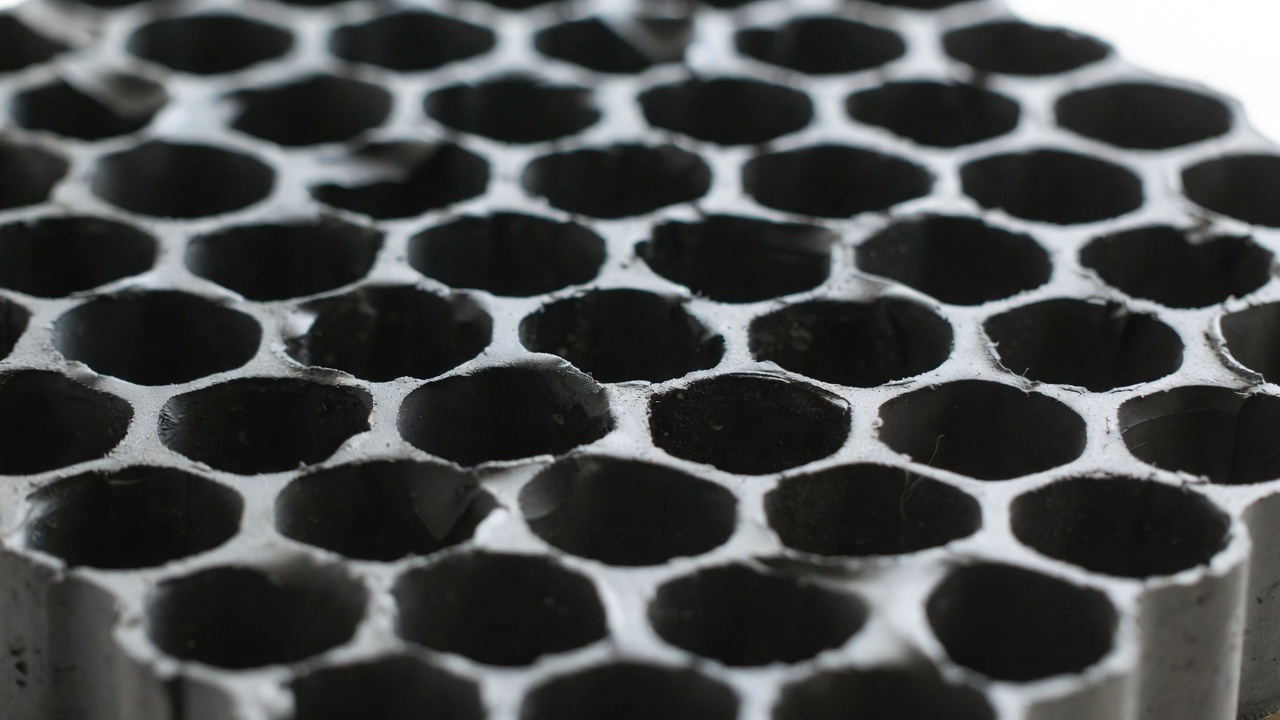
The unique hexagonal structure of HAC allows for a significant reduction in air resistance—often up to 50% lower than traditional pellets—which translates directly into lower energy costs for large-scale facilities in Ontario, Alberta, and Quebec. For an industry expert, the choice is clear: when processing high-volume, low-concentration VOC gases, the honeycomb structure is the gold standard for 2026.
The following list identifies the leading entities providing activated carbon solutions within Canada, ranging from local distributors to international manufacturers with a strong domestic footprint.
While headquartered in China, Tongke is a critical primary manufacturer for many Canadian B2B brands and wholesalers.
- Specialization: High-precision Honeycomb Activated Carbon (water-resistant and standard types).
- Competitive Edge: Tongke fills the "innovation-to-cost" gap, offering specialized OEM services that allow Canadian distributors to provide high-performance, customized honeycomb blocks that meet specific ASHRAE standards.
As a global titan in the carbon industry, Calgon Carbon maintains a dominant presence in Canada. Their expertise lies in high-capacity industrial systems.
- Specialization: Large-scale municipal water treatment and industrial vapor phase adsorption.
- Why They Lead: Their rigorous testing protocols and "Cycle-of-Carbon" sustainability programs align perfectly with Canada’s environmental mandates.
With dedicated operations in Ottawa, General Carbon has become a go-to for custom impregnated media.
- Specialization: Impregnated honeycomb carbon for acid gas removal and mercury control.
- Expert Insight: Their ability to provide bilingual (English/French) technical support and local inventory in Ontario makes them highly reliable for rapid-response projects.
As a premier chemical distributor, Brenntag offers an extensive logistics network that spans the entire country.
- Specialization: Supply chain management and distribution of diverse carbon grades.
- Value Add: They are essential for mid-sized enterprises looking for integrated chemical and filtration solutions without the complexity of direct importing.
Nalco focuses heavily on the "Liquid Phase" applications but has expanded its air purification offerings in response to the growing demand for indoor air quality (IAQ) in Canadian commercial spaces.
- Specialization: Water-to-Air filtration systems and specialized adsorption monitoring.
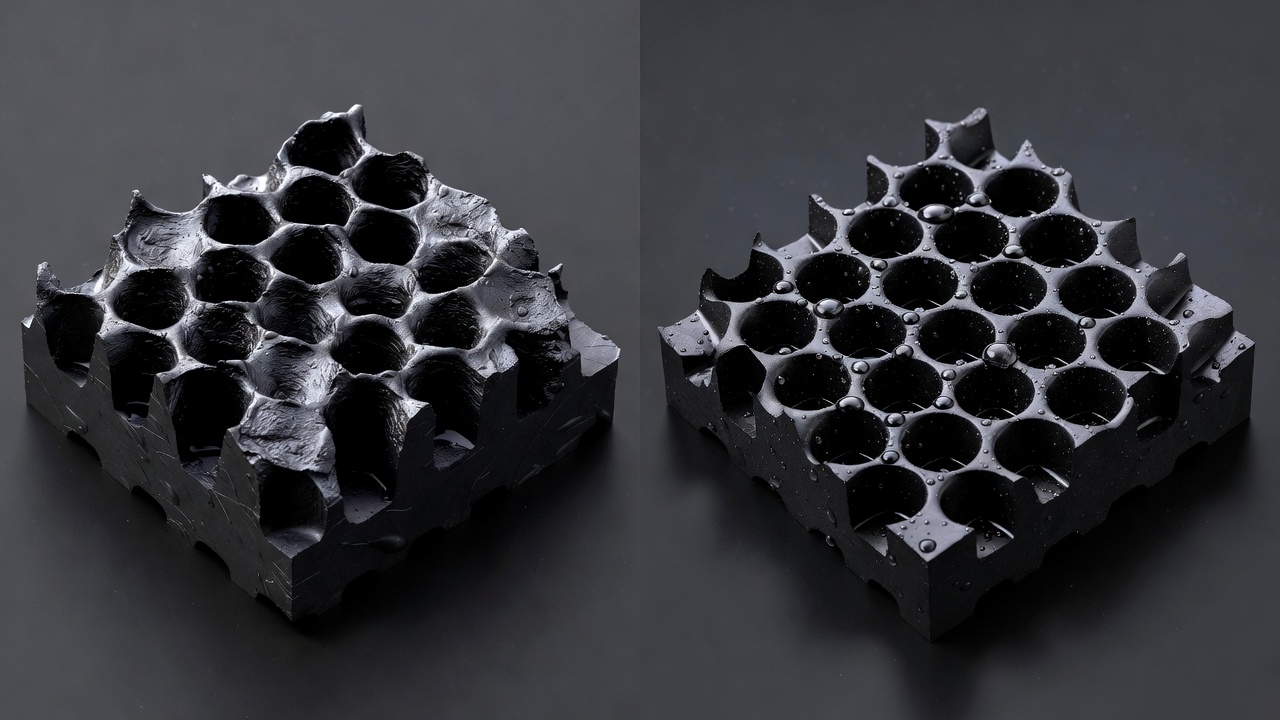
For procurement managers in Canada, understanding the distinction between material types is vital, especially given the high humidity in coastal regions like British Columbia.
Most generic supplier lists fail to address the "Canadian Context" regarding thermal swing adsorption (TSA). In Canada, industrial exhaust often undergoes extreme temperature fluctuations.
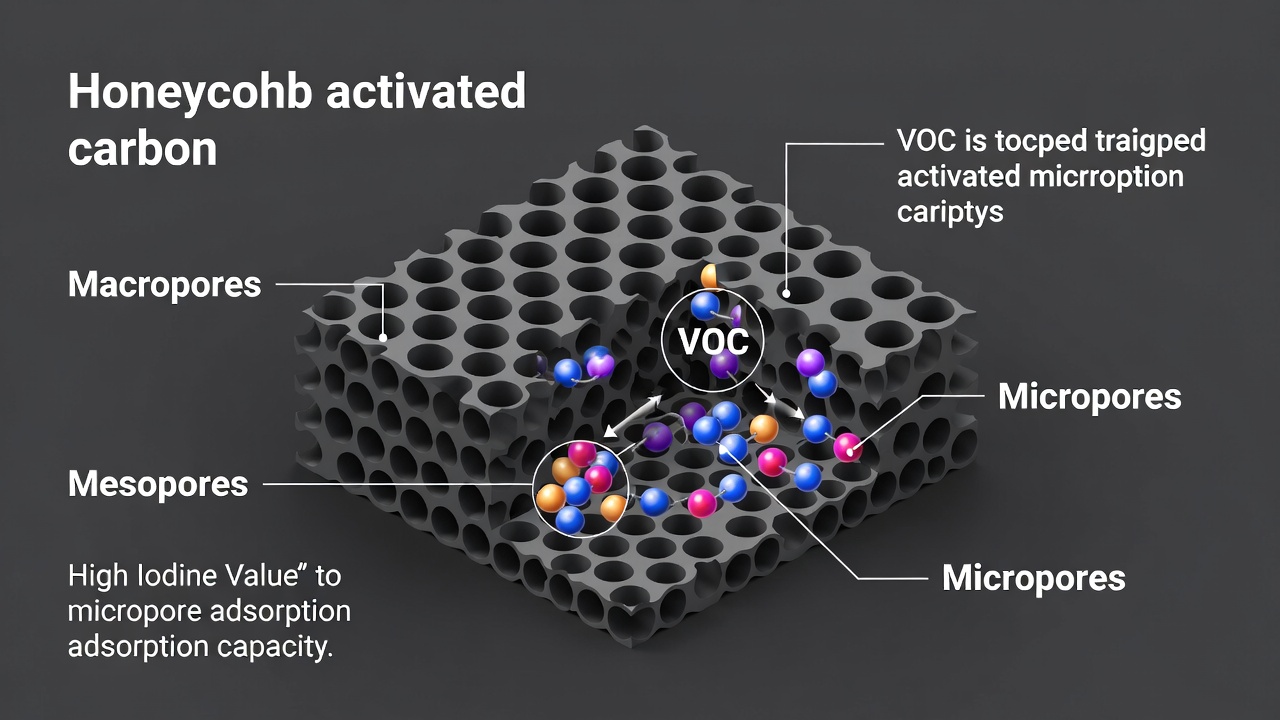
In colder regions, molecular kinetic energy is lower. To maintain high adsorption efficiency, Canadian engineers should specify honeycomb carbon with an Iodine Value of at least 800mg/g. This ensures that even at lower temperatures, the micropore structure remains active enough to capture trace contaminants like benzene and formaldehyde.
A significant trend in 2026 is the shift toward renewable precursors. Manufacturers like Tongke are increasingly using high-quality coconut shell charcoal for honeycomb production rather than coal-based sources. This reduces the ash content and aligns with the ESG (Environmental, Social, and Governance) goals of Canadian firms.
When vetting a supplier, do not just look at the price.
1. Request ASTM D2854/D2866 Data: A trustworthy manufacturer will provide precise bulk density and ash content reports.
2. Verify Pore Volume Distribution: For gas-phase honeycomb carbon, the balance between macropores (for transport) and micropores (for adsorption) is critical. Ask for the pore size distribution curve.
3. Check for REACH and ISO Certifications: This is non-negotiable for international trade in 2026.
If you are upgrading your facility’s air scrubbers in Canada, follow these steps:
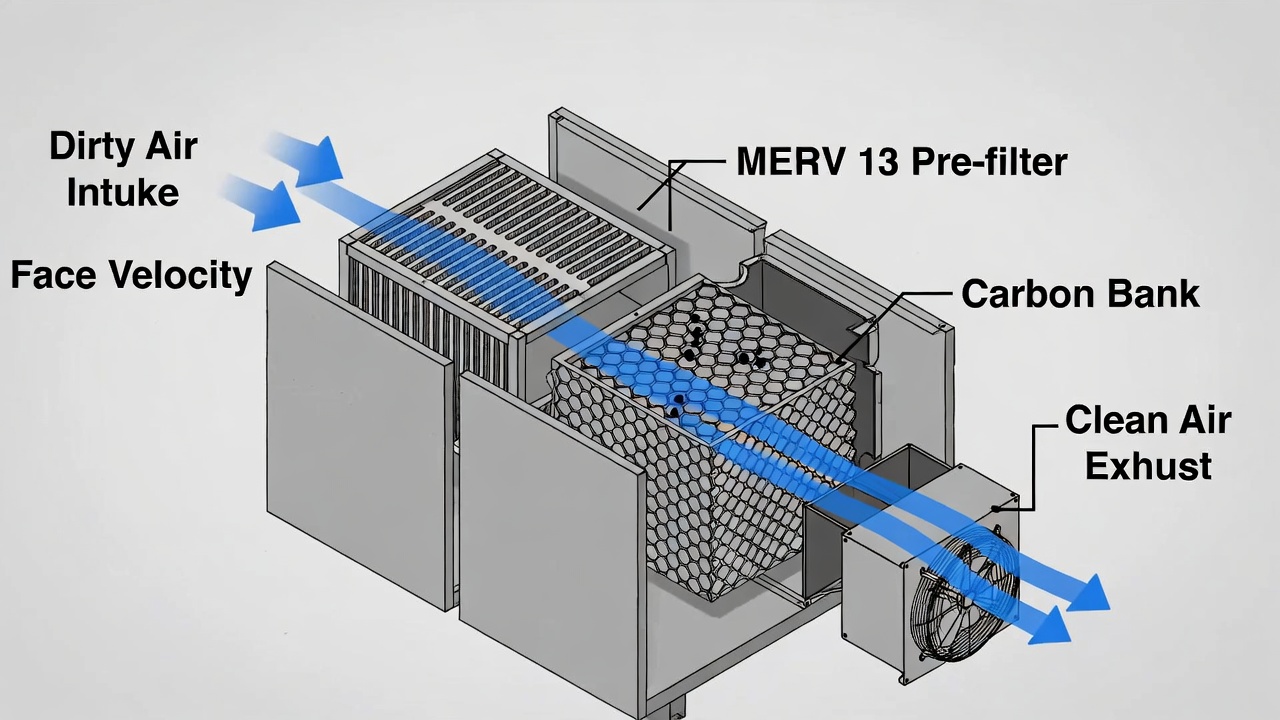
1. Calculate Face Velocity: Ensure your air velocity stays between 0.5 - 1.2 m/s. Honeycomb carbon performs best when the contact time (CT) is maximized.
2. Pre-filtration is Mandatory: In Canadian industrial zones, dust and particulate matter can quickly clog the honeycomb channels. Always use a MERV 13 or higher pre-filter to extend the life of your carbon blocks.
3. Monitor Pressure Drop: Use a differential pressure gauge. A sudden drop in pressure often indicates "channeling," where air bypasses the carbon, leading to breakthrough emissions.
While local Canadian distributors provide logistics, the primary manufacturing innovation often originates from specialist factories like Guangdong Tongke. By sourcing directly or through certified partners, Canadian companies gain access to:
- Custom Geometric Shapes: Beyond the standard $100 times 100 times 100 text{ mm}$ cubes.
- Specialized Impregnation: (e. g., KMnO₄ for formaldehyde or KOH for H₂S).
- Wholesale Pricing: Cutting out multiple tiers of middle-men while maintaining technical compliance.
Typically, honeycomb carbon lasts between 6 to 12 months depending on the concentration of pollutants and the efficiency of pre-filtration. In high-load environments like paint booths, replacement every 4–6 months may be necessary to prevent breakthrough.
Yes. It can be regenerated through thermal desorption (heating) or vacuum desorption. However, for most honeycomb blocks, the structural integrity may degrade after 2-3 cycles, making replacement more cost-effective for smaller installations.
Coconut shell-based carbon is superior for high-purity air and water applications due to its lower ash content and higher hardness. Coal-based carbon is often chosen for large-scale industrial waste gas where cost-efficiency is the primary driver.
Adsorption is an exothermic process, meaning it is generally more efficient at lower temperatures. However, frozen moisture in the air can clog the pores. Using a desiccant or pre-heater in extreme cold is recommended.
The most common sizes are 100 times 100 times 100 mmand 50 times 50 times 100 mm. Custom sizes can be manufactured for specific filter housings through OEM partners like Tongke.
We are activated carbon manufacturer integrating scientific research, development, production and sales. the product categories cover wood activated carbon, coal activated carbon, honeycomb activated carbon, coconut shell activated carbon, fruit shell activated carbon and other activated carbon product.
CONTACT US
Phone:+86-18928289566 Email: tongkecarbon@dghxt.com WhatsApp: +86-18928289566 Add:Room 12-11, Nancheng Street, Dongguan City, Guangdong Province, China