Content Menu
● Introduction: Why Source Coal Activated Carbon from China
● How to Evaluate Reliable Coal Activated Carbon Suppliers
>> Key dimensions: plant, lab, quality and delivery
>> Technical aspects that matter for buyers
>> China's cluster advantage
>> Building trust through transparent information
● Top 10 Coal Activated Carbon Manufacturers in China (2026)
>> 1. Guangdong Tongke Activated Carbon Co., Ltd. – Flexible OEM Partner for Industrial Applications
>> 2. Nanping Yuanli Active Carbon – Granular Coal Carbon Specialist
>> 3. Gongyi Jiaxin Water Purification Materials Co., Ltd. – Cost‑Effective Water Treatment Supplier
>> 4. Shijiazhuang Hongsen Activated Carbon Co., Ltd. – Multi‑Grade Coal Granular Producer
>> 5. Henan Xingnuo Environmental Protection Materials Co., Ltd. – Granular Carbon and Desulfurizer Producer
>> 6. Jiangsu Agnes Environmental Technology Co., Ltd. – Coal Granular Carbon and Catalytic Media
>> 7. Shanghai Xicarbon Environmental Protection Technology Co., Ltd. – Granular and Columnar Coal Carbon
>> 8. Zhengzhou Xingsen Activated Carbon Co., Ltd. – Coal Granular Carbon for Gas Treatment
>> 9. Henan Jiahe Water Purification Materials Co., Ltd. – Coal Granular Carbon for Water Purification
>> 10. Henan Xingyuan Environmental Protection Materials Co., Ltd. – Granular Carbon and Honeycomb Media
● Comparative Overview: Capacity, MOQ and Certifications
>> Manufacturer comparison table
● Industry Pain Points and How to Avoid Common Pitfalls
● Insider Guidance: Matching Claimed Capacity with Real Infrastructure
● Buyer's Guide: Factory Checks, Sampling and Logistics
>> Verifying factory documents and certificates
>> Sample qualification workflow
>> Logistics, packaging and Incoterms
● FAQ
● References
Introduction: Why Source Coal Activated Carbon from China
China is one of the world's largest producers and exporters of activated carbon, supplying hundreds of thousands of tons annually to Asia, Europe and North America across coal, wood, coconut and specialty grades. Coal activated carbon has become a core material for industrial water treatment, flue gas cleaning, solvent recovery, food and beverage purification and pharmaceutical processing, supported by integrated clusters in provinces such as Guangdong, Shandong, Henan and Fujian.
Manufacturers benefit from proximity to coal resources, large‑scale carbonization and activation facilities, and well-developed downstream packaging and logistics. This reduces lead times and stabilizes costs for overseas buyers. For procurement managers seeking long-term partners, China offers a broad spectrum of suppliers from high-capacity plants to flexible OEM/ODM factories that support small and mid-sized brands with customized specifications and branding.

How to Evaluate Reliable Coal Activated Carbon Suppliers
Key dimensions: plant, lab, quality and delivery
Experienced buyers usually shortlist Chinese coal activated carbon suppliers based on four core dimensions: plant capability, laboratory strength, quality control and supply stability.
- Factory capability
A qualified producer should operate its own carbonization and activation facilities, with clear information on furnace types, annual capacity and main product lines. On-site or third‑party audits help confirm that claimed capacity matches actual infrastructure.
- Laboratory and technical support
A serious plant maintains its own lab capable of testing iodine number, methylene blue adsorption, hardness, ash, pH, particle size distribution and, for gas-phase grades, CTC and specific VOC indices. Evidence that the lab can adjust formulations for different feedstocks and applications (e.g. dechlorination, VOC removal, decolorization, pharmaceutical purification) is an important indicator of technical depth.
- Quality control and traceability
Robust quality systems include incoming inspection of raw coal, in‑process sampling at each activation stage and final batch testing before shipment. Traceability from batch numbers to furnace line, production date and test reports is vital for risk management in high‑value projects.
- Supply stability and logistics
Reliable suppliers keep buffer stock in domestic warehouses and coordinate sea, rail or multimodal transport through established logistics partners. This supports both trial orders with small MOQ and stable replenishment for large OEM projects.
Technical aspects that matter for buyers
Coal activated carbon is valued for its mechanical strength and balanced pore structure, which are especially important in continuous filtration systems and large‑scale industrial treatment plants. When assessing offers, buyers should focus on parameters such as iodine number, methylene blue value, surface area, hardness, ash content, moisture, particle size and, for gas-phase uses, CTC and specific adsorption indices.
For drinking water, materials must comply with relevant potable water regulations and often require additional drinking-water approval depending on the destination market. Food and beverage applications may involve further food safety and religious certifications. Industrial and electronic uses sometimes demand restrictions on hazardous substances to align with local environmental and product safety rules.
China's cluster advantage
China's activated carbon clusters combine raw material processing, carbonization, activation, finishing and packaging in tightly linked industrial chains, particularly in Guangdong, Fujian, Shandong and Henan. These clusters are similar to the way regions like Foshan specialize in furniture or Shenzhen in electronics, with supporting industries, logistics and technical talent concentrated in regional ecosystems.
This structure makes it easier for buyers to find alternative suppliers within a region, negotiate competitive pricing and secure redundancy in supply while maintaining comparable technical standards. Many international projects therefore treat China as their primary sourcing base for coal activated carbon, complemented by local distribution and stock points in end markets.
Building trust through transparent information
To build trust, buyers should look for suppliers that provide transparent information on capacity, equipment, certifications, laboratory capabilities and reference cases. Clear communication about strengths, typical capacity range, target markets and customization capabilities allows procurement managers to cross‑check and form a realistic view of each potential partner.
Selection Criteria for the Top 10 List
For this 2026 list of coal activated carbon manufacturers in China, the following criteria are applied:
- Primary business in activated carbon (powdered, granular, pellet, honeycomb or specialty grades), with a clear focus on coal-based materials rather than purely trading.
- Documented production capacity (typically above 10,000 tons/year or equivalent) and export experience across several overseas markets.
- Evidence of quality management systems and relevant product certifications for water, air or food-contact use, as appropriate.
- Capability to support OEM/ODM services, including customized specifications, packaging, branding and application‑level technical support for small and mid-sized brands.
- Balanced positioning: not only focusing on premium grades, but also offering competitive pricing and practical MOQ for emerging brands and regional distributors.
This list is not exhaustive, but it offers a pragmatic starting point and benchmarking reference for buyers building or optimizing their supplier portfolio.
Top 10 Coal Activated Carbon Manufacturers in China (2026)
1. Guangdong Tongke Activated Carbon Co., Ltd. – Flexible OEM Partner for Industrial Applications
Guangdong Tongke Activated Carbon Co., Ltd. (Tongke Carbon) is based in Dongguan and has more than 20 years of experience providing customized activated carbon solutions. The company's portfolio covers wood-based, coal-based, honeycomb, coconut shell and nut shell activated carbon, as well as activated carbon fiber and anthracite filter media, with total annual capacity around 30,000 tons.
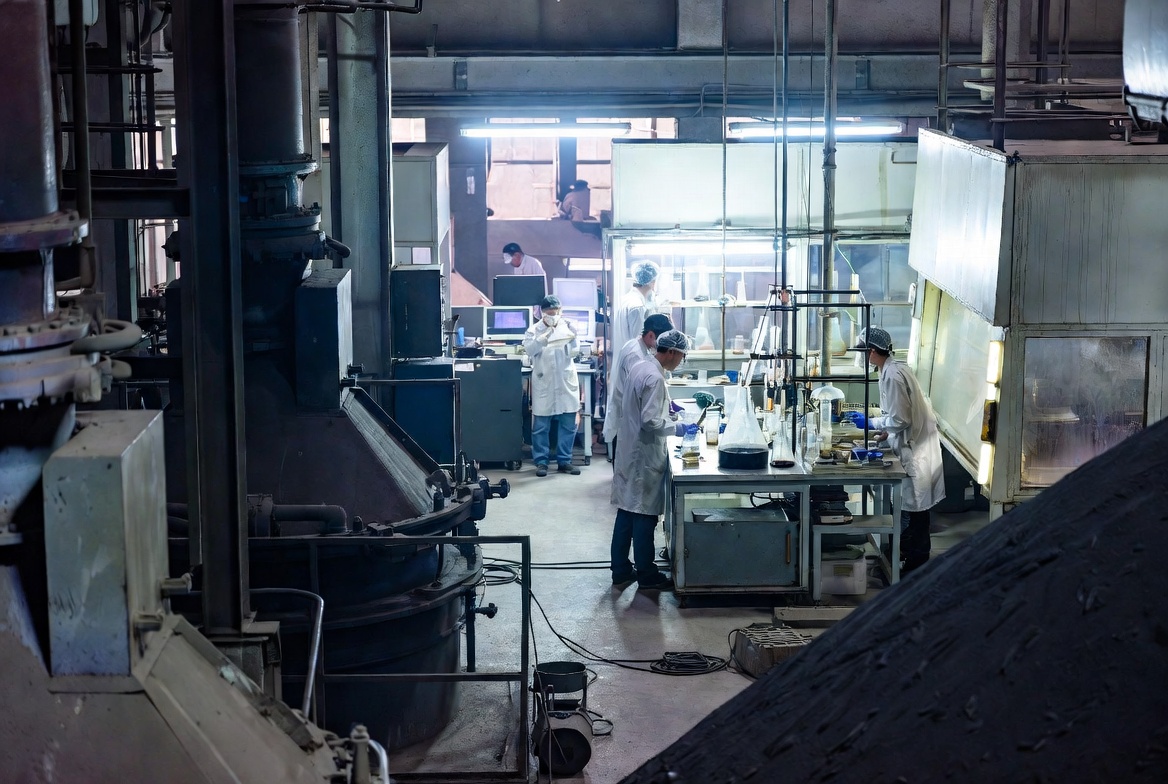
Tongke operates advanced production equipment and professional laboratories and follows strict quality control from raw material to finished product, including full testing and optional third‑party inspections. Its products carry key international approvals for drinking water and food-related uses and are supported by a 3,000 m² warehouse and mature transport system. Tongke is particularly suitable for small and mid‑sized brands, thanks to flexible MOQ, strong OEM/ODM capabilities, fast communication and an emphasis on co‑developing tailored grades for specific applications in water, air, gas, food and pharmaceutical processing.
2. Nanping Yuanli Active Carbon – Granular Coal Carbon Specialist
Nanping Yuanli Active Carbon is a well-established producer known for its granular and columnar activated carbon. Its coal-based granular grades are widely used in water purification and air treatment systems, where durability and mechanical strength are important.
The company focuses on serving medium and large industrial users and system integrators that require stable, long‑term supply of standard granular coal activated carbon. Its main strengths are consistency in core parameters and experience with long-duration contracts for utilities and industrial projects, while MOQ is generally more suitable for larger buyers.
3. Gongyi Jiaxin Water Purification Materials Co., Ltd. – Cost‑Effective Water Treatment Supplier
Gongyi Jiaxin Water Purification Materials Co., Ltd. in Henan manufactures coal-based powdered and granular activated carbon aimed primarily at water treatment applications. Benefiting from proximity to coal and other raw materials, Jiaxin typically offers competitive prices and fast shipment for volume orders.
Its customer base includes regional distributors and large water treatment projects that prioritize cost-performance and stable supply. Jiaxin is particularly interesting when buyers need large volumes of coal activated carbon for filtration media, with less emphasis on sophisticated application-specific customization.
4. Shijiazhuang Hongsen Activated Carbon Co., Ltd. – Multi‑Grade Coal Granular Producer
Shijiazhuang Hongsen Activated Carbon Co., Ltd., established in 2005, is a sizable producer of coal-based granular activated carbon, honeycomb activated carbon and other related products. The company serves both domestic industrial users and overseas customers.
Hongsen operates as a large-scale supplier for environmental protection and water treatment projects that need bulk granular media. Customization is limited compared to highly flexible OEM‑oriented factories, but its scale and broad range of grades make it a useful reference supplier for benchmarking offers and building dual‑sourcing strategies.
5. Henan Xingnuo Environmental Protection Materials Co., Ltd. – Granular Carbon and Desulfurizer Producer
Henan Xingnuo Environmental Protection Materials Co., Ltd. is a coal-based granular activated carbon producer that also manufactures zinc oxide desulfurizers and coconut shell activated carbon. It serves environmental protection projects where both adsorptive carbon media and complementary sorbents are needed.
Its granular coal activated carbon is typically used in flue gas cleaning, desulfurization and industrial water treatment. Buyers that seek both carbon media and desulfurization materials from a single source may find Xingnuo attractive, though the level of customization is usually moderate.
6. Jiangsu Agnes Environmental Technology Co., Ltd. – Coal Granular Carbon and Catalytic Media
Jiangsu Agnes Environmental Technology Co., Ltd. produces coal-based granular activated carbon alongside catalysts and zeolite particles. The company targets environmental and chemical markets that require combined filtration and catalytic functions.
Agnes positions itself as a multi‑product environmental material supplier rather than a pure activated carbon specialist. This can be efficient for buyers who want to integrate several media types in one project, while those seeking very tailored carbon solutions may prefer more specialized manufacturers.
7. Shanghai Xicarbon Environmental Protection Technology Co., Ltd. – Granular and Columnar Coal Carbon
Shanghai Xicarbon Environmental Protection Technology Co., Ltd. focuses on coal‑based granular and columnar activated carbon as well as wood powder carbons. Located in an advanced industrial hub, the company enjoys good access to ports and international logistics.
It serves industrial and environmental protection projects that require both granular and pelletized coal activated carbon. Xicarbon is a practical choice when buyers want standard coal grades from a supplier with strong logistics, though customization tends to revolve around fine‑tuning existing products rather than developing entirely new formulations.
8. Zhengzhou Xingsen Activated Carbon Co., Ltd. – Coal Granular Carbon for Gas Treatment
Zhengzhou Xingsen Activated Carbon Co., Ltd. produces coal-based granular activated carbon, iron oxide desulfurizers and anthracite filter media. Its portfolio is oriented toward gas treatment, desulfurization and industrial water filtration.
By combining coal activated carbon with iron oxide and other adsorbents, Xingsen offers integrated solutions for gas purification systems where different contaminants must be removed simultaneously. When sourcing from this type of supplier, buyers should ensure that technical teams can support selection of the right media combination and layer design.
9. Henan Jiahe Water Purification Materials Co., Ltd. – Coal Granular Carbon for Water Purification
Henan Jiahe Water Purification Materials Co., Ltd. manufactures coal-based granular activated carbon, activated alumina balls and coconut shell activated carbon. It focuses on water purification projects and bulk media supply.
Jiahe's coal activated carbon is often used together with activated alumina and other media in multi-layer filtration systems. The company primarily targets project-oriented orders where larger MOQ is acceptable and price competitiveness in full media packages is important.
10. Henan Xingyuan Environmental Protection Materials Co., Ltd. – Granular Carbon and Honeycomb Media
Henan Xingyuan Environmental Protection Materials Co., Ltd. provides coal-based granular activated carbon alongside zeolite honeycomb and iron oxide desulfurizers. It serves industrial projects, particularly in gas and air purification.
Its strength lies in combining granular carbon with structured media like honeycomb and complementary sorbents. Buyers should focus on verifying consistency in these multi-component systems and make sure that the supplier's process control and quality monitoring meet project requirements.
Comparative Overview: Capacity, MOQ and Certifications
The table below summarizes typical positioning of representative Chinese coal activated carbon manufacturers.
Manufacturer comparison table
| Manufacturer / Type | Approx. Capacity (t/year) | Typical MOQ | Main strengths and focus |
| Guangdong Tongke Activated Carbon Co., Ltd. | ≈30,000 (coal + other bases) | Small, flexible OEM MOQ | Strong lab, international approvals, wide application coverage, deep OEM/ODM support |
| Nanping Yuanli Active Carbon | Medium–large granular focus | Medium MOQ | Stable granular coal carbon for long‑cycle water and air filters |
| Gongyi Jiaxin Water Purification Materials Co., Ltd. | Large stock-driven supply | Larger project-based MOQ | Cost-effective powdered and granular carbon for water treatment |
| Shijiazhuang Hongsen Activated Carbon Co., Ltd. | >10,000 t/year (multi-grade) | Medium–large MOQ | Granular and honeycomb coal carbon for industrial filtration and environmental projects |
| Henan Xingnuo Environmental Protection Materials Co., Ltd. | Medium capacity (granular + sorbents) | Medium MOQ | Coal granular carbon plus desulfurizers for environmental protection systems |
| Jiangsu Agnes Environmental Technology Co., Ltd. | Medium capacity (multi-media) | Medium MOQ | Coal granular, catalysts and zeolites for comprehensive environmental applications |
| Shanghai Xicarbon Environmental Protection Tech Co., Ltd. | Medium–large (granular/pellet) | Medium MOQ | Granular and columnar coal carbon with good export logistics |
| Zhengzhou Xingsen Activated Carbon Co., Ltd. | Medium capacity | Medium MOQ | Coal granular, iron oxide desulfurizer and anthracite for gas treatment systems |
| Henan Jiahe Water Purification Materials Co., Ltd. | Medium capacity for water media | Larger project-oriented MOQ | Coal granular plus activated alumina and coconut shell for water purification |
| Henan Xingyuan Environmental Protection Materials Co., Ltd. | Medium (granular + honeycomb) | Medium MOQ | Coal granular, honeycomb and desulfurizers for gas and air purification |
Industry Pain Points and How to Avoid Common Pitfalls
Sourcing coal activated carbon from China offers important cost and performance advantages, but experienced buyers repeatedly encounter similar issues.
- Material substitution or hidden blending
One risk is partial substitution of higher-grade material with lower-cost alternatives, while keeping lab reports within nominal limits. This can significantly reduce performance in demanding applications such as gold recovery, food decolorization or pharmaceutical purification. Buyers should insist on detailed certificates of analysis, random batch testing and, for critical projects, independent third‑party testing before large shipments.
- Overstated performance parameters
Another risk is overstated iodine number, CTC or hardness values used as selling points during quotation. To manage this, buyers should demand test reports with clearly stated methods and standards, track results across multiple batches and define acceptable tolerance bands in contracts.
- Weak quality systems and expired certifications
Cases of expired or non-accredited quality certificates do appear in practice. Verification via official certification body databases and national accreditation registries is now a standard due‑diligence step. Any reluctance to share verifiable certificate information should be treated as a warning sign.
- Inconsistent batch quality over time
Differences in coal feedstock, furnace operation and process control can lead to gradual drift in product parameters. Long-term buyers typically build in contractual clauses that require trend tracking for key parameters and define triggers for joint investigation and corrective action when deviations exceed agreed levels.
Insider Guidance: Matching Claimed Capacity with Real Infrastructure
An important strategy that experienced buyers use—but which is rarely explained openly—is to compare a supplier's claimed annual capacity with the visible plant infrastructure and energy footprint.
If a mid‑size factory claims very high output yet appears to have only a small number of furnaces, limited warehouse space and modest energy or emissions infrastructure, a substantial portion of supply is likely outsourced or traded. This can dilute quality control and traceability because a portion of production is effectively controlled by upstream third parties.
Practical steps include asking detailed questions about furnace type and number, daily throughput, energy sources, warehouse size and batch tracking practices. Buyers often prefer factories whose physical equipment, laboratory scale and warehousing clearly match their stated capacity. Manufacturers like Tongke, with visible production and R&D facilities plus sizeable warehousing and logistics setups, often stand out positively in this respect.
Buyer's Guide: Factory Checks, Sampling and Logistics
Verifying factory documents and certificates
When reviewing factory documents and certificates, buyers should:
- Read the full certificates, paying attention to legal entity name, standard version, scope, covered sites, issue and expiry dates and the issuing body.
- Use the issuing body's official website or public directory to look up the certificate number or company name and confirm status, scope and validity.
- Confirm that the issuing body itself is recognized by an accreditation agency, using national or international accreditation directories.
- Record verification steps (date, source, screenshot or downloaded confirmation) to maintain a clear audit trail supporting procurement decisions.
This process is equally important for management system certificates and product-related approvals.
Sample qualification workflow
A structured sample qualification workflow for coal activated carbon typically includes:
1. Defining target specifications for iodine number, hardness, particle size, ash content, moisture and application‑specific performance indices.
2. Requesting lab samples in sufficient quantity for both analytical and application tests, usually several kilograms or a small drum.
3. Running comparative tests against incumbent materials under identical conditions to assess removal efficiency, service life, pressure drop and regeneration behavior where relevant.
4. Approving a detailed technical specification and agreed certificate‑of‑analysis format, then placing a pilot order under controlled conditions before moving to full commercial volumes.
For critical applications, buyers often test multiple batches from the same supplier over time to check for consistency before final approval.
Logistics, packaging and Incoterms
Coal activated carbon is commonly shipped in 25 kg bags, big bags or custom OEM packaging with labeled pallets. When confirming an order, buyers should clarify:
- Packaging format, palletization plan and container loading details to minimize moisture ingress and mechanical damage during transit.
- Standard lead times for stocked grades and extended lead times for special specifications or OEM packaging.
- Preferred Incoterms (FOB, CIF, CFR, DAP, etc.) and responsibilities for export documentation, MSDS, HS codes and compliance declarations for the destination market.
Factories with their own warehouses and long-term logistics partners are generally better equipped to handle both trial orders and stable periodic replenishment.
FAQ
1. How can I check whether a factory's certificate is still valid?
First, read the full certificate to note the legal entity, standard, scope and expiry date. Then search the certificate number or company name in the issuing body's public directory or verification tool and confirm the status and validity period.
2. How do I distinguish a real manufacturer from a trader when sourcing coal activated carbon?
Ask for detailed information and visual evidence of production equipment, laboratories and warehouses, including furnace types, production lines and storage areas. Combine this with third‑party factory audits or video inspections and compare claimed annual capacity with realistic output of the visible infrastructure.
3. What is the most effective way to compare offers from different Chinese suppliers?
Request standardized technical data sheets and test samples from each supplier and run all tests under identical application conditions. Compare not only initial performance but also consistency across multiple batches and the supplier's responsiveness when discussing adjustments and corrective actions.
4. Which parameters are critical when qualifying coal activated carbon for drinking water use?
Key parameters include iodine number, mechanical strength, particle size distribution, ash content, moisture and any local limits for heavy metals and leachable substances. In many regions, an additional drinking-water approval is required, so buyers should check whether the material is already approved for similar applications.
5. How can I reduce the risk of quality drift over a long‑term contract?
Define detailed specifications and certificate‑of‑analysis requirements in the contract and agree on regular batch testing and trend tracking for core parameters. Include clauses that specify corrective actions, re‑testing and, if necessary, switching to alternative grades or production lines when deviations exceed agreed limits.
References
1. Tongke Carbon. About Us – Guangdong Tongke Activated Carbon Co., Ltd.
Retrieved from: [https://www.tongkeac.com/aboutus.html]
2. Tongke Carbon. Tongke Carbon Official Website – Products and Applications Overview.
Retrieved from: [https://www.tongkeac.com/]
3. Tongke Carbon. Activated Carbon Product Categories and Technical Information.
Retrieved from: [https://www.tongkeac.com/products.html]
4. Tongke Carbon. How Activated Carbon Is Manufactured For Industrial Water Air And Process Applications.
Retrieved from: [https://www.tongkeac.com/how-activated-carbon-is-manufactured-for-industrial-water-air-and-process-applications.html]
5. Tongke Carbon. Top 10 Coconut Shell Activated Carbon Manufacturers in China.
Retrieved from: [https://www.tongkeac.com/top-10-coconut-shell-activated-carbon-manufacturers-in-china.html]


