Content Menu
● What Is Activated Carbon?
● How Do Activated Carbon Filters Work?
● Are Activated Carbon Filters Effective for Water?
>> Chlorine, Taste, and Odor
>> Organic Chemicals and VOCs in Water
● Are Activated Carbon Filters Effective for Air and Gas?
● Granular vs Powdered Activated Carbon Performance
● What Do Activated Carbon Filters Not Remove?
● Key Factors That Affect Activated Carbon Filter Effectiveness
>> Contact Time, Flow Rate, and Bed Depth
>> Saturation, Breakthrough, and Replacement
● Why Activated Carbon Filters Are Popular in Industry
● Practical Tips for Using Activated Carbon Filters
● Conclusion
● FAQ About Activated Carbon Filters
>> 1) Are activated carbon filters safe for drinking water?
>> 2) How long do activated carbon filters last?
>> 3) Do activated carbon filters remove all chemicals?
>> 4) Are activated carbon air filters effective against cigarette smoke?
>> 5) How do I choose between granular activated carbon and powdered activated carbon?
● Citations:
Activated carbon filters are highly effective for removing many organic chemicals, chlorine, odors, and volatile organic compounds (VOCs) from water, air, and gases when they are correctly selected, sized, and maintained. However, no activated carbon filter is universal, and performance depends on the activated carbon type, contact time, contaminant load, and system design.[1][2][3][4]
What Is Activated Carbon?
Activated carbon is a specially processed form of carbon with an extremely high internal surface area and a complex network of micro‑pores that adsorb contaminants from water, air, and industrial fluids. It is usually produced from coal, coconut shell, wood, or other carbon‑rich raw materials that are carbonized and then “activated” with steam or chemicals to open up pores.[5]
Because activated carbon is so porous, a single gram can have hundreds of square meters of internal surface area, which makes activated carbon an incredibly powerful adsorbent for many dissolved and gaseous pollutants. For this reason, activated carbon is widely used in municipal water treatment, industrial process purification, air and gas cleaning, food and beverage decolorization, and many other applications.[2][1][5]
How Do Activated Carbon Filters Work?
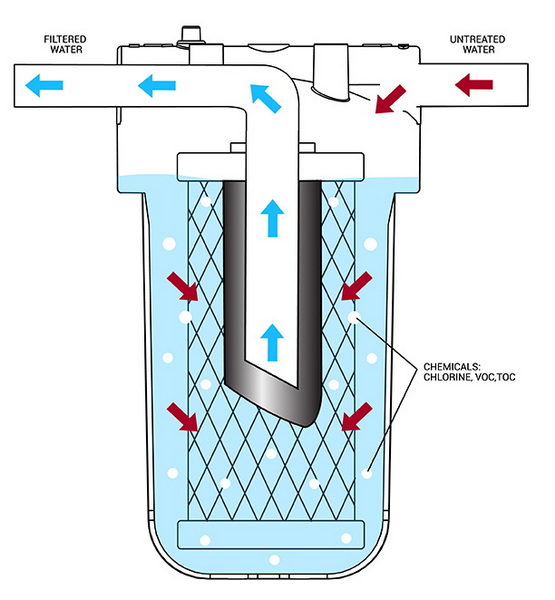
Activated carbon filters work primarily through adsorption, where molecules of contaminants attach to the internal surface of activated carbon rather than being absorbed into the bulk material. As water, air, or gas passes through the activated carbon filter, target compounds diffuse into the pores and are trapped on the activated carbon surface, leading to cleaner output.[6][1][5][2]
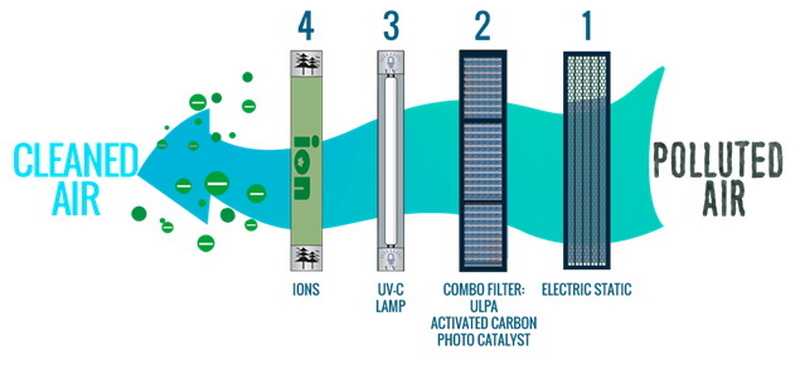
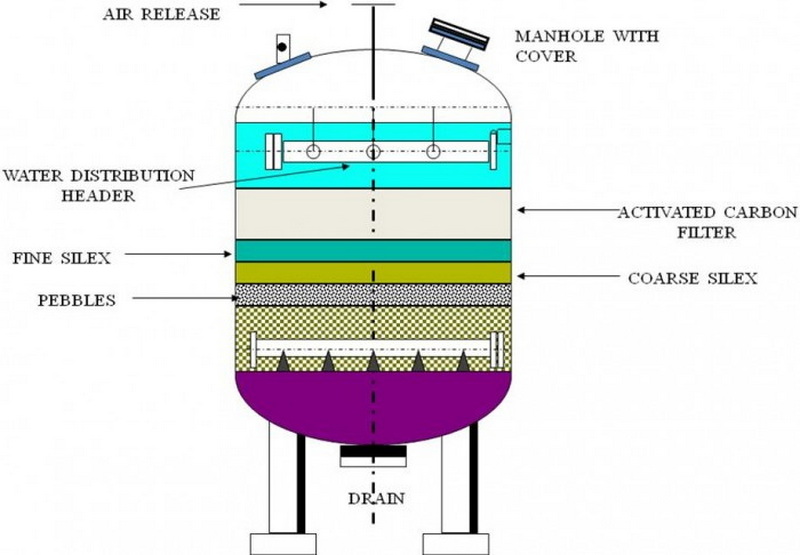
In water treatment, activated carbon filters can be designed as granular activated carbon (GAC) beds in pressure vessels or gravity filters, or as carbon block filters combining activated carbon with binders and fine pores. In air purification, activated carbon filters are usually beds or panels filled with activated carbon granules or pellets, often combined with HEPA media to capture particles while activated carbon captures VOCs and odors.[7][8][9][10]
Are Activated Carbon Filters Effective for Water?
Chlorine, Taste, and Odor
Activated carbon filters are very effective at removing chlorine and many taste‑ and odor‑causing organic compounds from drinking water. Certification standards such as NSF/ANSI 42 are specifically designed to verify that activated carbon filters can reduce chlorine, taste, and odor to acceptable aesthetic levels.[11][12][10][7]
Because activated carbon reacts with chlorine and adsorbs organic molecules, a properly sized activated carbon filter can dramatically improve the taste and smell of municipal water. This makes activated carbon a standard choice for point‑of‑use filters, refrigerator filters, faucet filters, and whole‑house carbon units.[13][14][15][11]
Organic Chemicals and VOCs in Water
Activated carbon filters can effectively remove a wide range of dissolved organic chemicals, including many pesticides, herbicides, disinfection by‑products, and industrial solvents, through adsorption on the activated carbon surface. NSF/ANSI 53 is a performance standard for filters (often carbon‑based) that reduce health‑related contaminants such as certain VOCs and some heavy metals.[12][10][1][11]
However, the effectiveness of activated carbon for any specific contaminant depends on pore structure, contact time, concentration, and competition from other compounds. For critical drinking‑water applications, users should choose activated carbon filters that are certified for the specific contaminants of concern and follow the manufacturer's rated capacity and flow limits.[4][10][15][11]
Are Activated Carbon Filters Effective for Air and Gas?
Activated carbon air filters are highly effective for capturing VOCs, many odors, and various gaseous pollutants because these compounds readily adsorb onto activated carbon surfaces. As indoor air passes through an activated carbon air filter, odorous and chemical molecules bond to the activated carbon, significantly improving air freshness and comfort.[8][9][16]
In many systems, activated carbon filters for air are used together with HEPA or particulate filters, because activated carbon targets gases and vapors while HEPA captures solid particles like dust, pollen, and smoke droplets. This combination offers comprehensive indoor air purification, especially valuable in homes with smokers, pets, or VOC‑emitting materials such as paints and furniture.[9][16][8]
Granular vs Powdered Activated Carbon Performance
Granular activated carbon (GAC) consists of millimeter‑scale particles and is usually used in fixed‑bed filters for continuous water or gas treatment. Powdered activated carbon (PAC) consists of very fine particles that are dosed into water or process streams and later removed by sedimentation or filtration, making PAC ideal for batch or emergency treatment.[17][18][19]
PAC typically offers faster adsorption because of its smaller particle size and higher external surface area, which makes it suitable for short‑contact, high‑intensity treatment, while GAC provides more stable performance and easier regeneration in continuous systems. For large industrial water plants and many air systems, GAC activated carbon filters are often preferred for long runtime and reactivation, whereas PAC activated carbon is favored when flexible dosing or short‑term contaminant spikes must be handled.[18][19][20][17]
What Do Activated Carbon Filters Not Remove?
Activated carbon filters are not universal and are generally ineffective for many dissolved inorganic contaminants such as most salts, hardness minerals, and many simple ions. Activated carbon by itself does not reliably remove pathogens like bacteria and viruses, so it should not be treated as a complete disinfection solution.[3][14][10][4]
Some contaminants, including certain heavy metals and fluoride, may require special activated carbon formulations or combination systems with ion exchange, reverse osmosis, or metal‑oxide media to achieve high removal efficiency. For comprehensive treatment, activated carbon filters are often integrated into multi‑stage systems where other technologies handle particles, microbes, or dissolved inorganic chemicals that activated carbon cannot remove.[14][11][4][12]
Key Factors That Affect Activated Carbon Filter Effectiveness
Contact Time, Flow Rate, and Bed Depth
Activated carbon filters need sufficient contact time between the fluid and activated carbon to achieve effective adsorption; if the flow rate is too high, contaminants may pass through before they are fully captured. Bed depth and activated carbon volume also affect performance: deeper beds and larger mass of activated carbon provide more adsorption sites, longer residence time, and higher overall removal capacity.[10][7][4]
Engineers often design activated carbon filters based on empty‑bed contact time (EBCT) or similar metrics to ensure adequate exposure for the specific contaminants and concentrations. For small household filters, following the manufacturer's recommended flow rate and not exceeding the rated capacity is essential to keep activated carbon performance within design limits.[20][15][7][11]
Saturation, Breakthrough, and Replacement
Over time, activated carbon pores become saturated with adsorbed contaminants, and the activated carbon filter gradually loses effectiveness, eventually allowing “breakthrough” of pollutants. Because adsorption is unseen, users typically cannot visually detect when activated carbon is exhausted, which is why replacement schedules or monitoring are so important.[16][3][4][10]
Industrial systems often track influent and effluent contaminant concentrations to determine when an activated carbon filter bed needs regeneration or replacement, while consumer products rely on time‑based or volume‑based replacement indicators. If an activated carbon filter is used far beyond its rated life, captured compounds can even be displaced by others or desorb under changing conditions, reducing safety.[15][4][10][16]
Why Activated Carbon Filters Are Popular in Industry
Activated carbon filters are popular because activated carbon media are versatile, cost‑effective, and scalable from small cartridges to large industrial vessels and mobile carbon filter units. The same fundamental activated carbon adsorption principles can be applied to drinking water polishing, wastewater treatment, solvent recovery, air deodorization, and gas purification.[1][2][18]
In many cases, activated carbon filters help industries meet regulatory limits for VOC emissions, disinfection by‑products, or residual organics while keeping operating costs under control. Activated carbon filters can also be regenerated (for many GAC systems), which reduces waste and supports more sustainable purification strategies in the long term.[19][18][10][1]
Practical Tips for Using Activated Carbon Filters
- Choose activated carbon filters certified for relevant standards (NSF/ANSI 42, 53, 401, etc.) and the specific contaminants of concern in your water.[11][6]
- Match activated carbon type (granular activated carbon, powdered activated carbon, carbon block, or impregnated activated carbon) to the application, flow rate, and expected contaminant load.[17][18]
- Design or select activated carbon filters with sufficient contact time and bed depth, avoiding excessive flow that reduces activated carbon performance.[7][4]
- Replace or regenerate activated carbon according to rated capacity, or use monitoring to detect breakthrough in critical systems.[3][10]
- Combine activated carbon filters with sediment pre‑filtration and microbial disinfection (UV, RO, etc.) when full protection is required.[4][12]
Conclusion
Activated carbon filters are effective and widely used solutions for removing chlorine, many organic chemicals, VOCs, and odors from water, air, and gases, making them a cornerstone technology in modern purification systems. However, activated carbon filters have clear limitations, especially for dissolved inorganic contaminants and microbes, so they must be correctly designed, certified, and integrated into multi‑stage treatment systems, with suitable activated carbon type, contact time, and replacement schedules to maintain reliable performance.[2][1][3][4]
FAQ About Activated Carbon Filters
1) Are activated carbon filters safe for drinking water?
Yes, activated carbon filters are generally safe for drinking water when they use food‑grade activated carbon media and are manufactured to recognized standards such as NSF/ANSI 42 or 53. Users must install and maintain activated carbon filters according to instructions, replacing the activated carbon media on time to avoid bacterial growth and loss of adsorption capacity.[12][10][7][11]
2) How long do activated carbon filters last?
The lifetime of an activated carbon filter depends on water quality, contaminant concentration, flow rate, and activated carbon volume, but consumer filters often last from a few weeks to several months, while large GAC beds can run for many months or longer before regeneration. Because activated carbon saturation is not visible, following the manufacturer's rated capacity or using monitoring (for industrial systems) is the best way to decide when activated carbon should be replaced.[10][15][3][4]
3) Do activated carbon filters remove all chemicals?
No, activated carbon filters do not remove all chemicals; they are excellent for many organic compounds and chlorine but much less effective for many dissolved salts, hardness minerals, nitrates, and some metals. For contaminants that activated carbon cannot handle efficiently, a combined system using technologies like reverse osmosis, ion exchange, or specialized media is required.[14][3][12]
4) Are activated carbon air filters effective against cigarette smoke?
Activated carbon air filters can significantly reduce cigarette smoke odors and many gas‑phase components of smoke, especially VOCs, but they must be used together with particulate filters to capture tar particles and fine smoke aerosols. Over time, cigarette smoke quickly saturates activated carbon, so air filters containing activated carbon must be replaced more frequently in smoking environments to stay effective.[8][9][16]
5) How do I choose between granular activated carbon and powdered activated carbon?
Granular activated carbon is typically chosen for continuous fixed‑bed activated carbon filters, where long runtime, low dust, and potential regeneration are important, while powdered activated carbon is favored for batch treatment, seasonal problems, or emergency events where fast adsorption and flexible dosing are needed. The choice depends on system size, flow rate, operating mode, and whether you prefer reusable GAC activated carbon beds or single‑use PAC activated carbon dosing.[18][19][20][17]
Citations:
[1](https://puragen.com/uk/insights/the-effectiveness-of-activated-carbon-filters/)
[2](https://activated-carbon.com/insights/the-effectiveness-of-activated-carbon-filters/)
[3](https://olympianwatertesting.com/exploring-the-advantages-and-limitations-of-activated-carbon-filtration/)
[4](https://support.cascadedesigns.com/hc/en-us/articles/35376955864467-What-are-some-of-the-limitations-of-activated-carbon-in-water-treatment-devices)
[5](https://en.wikipedia.org/wiki/Activated_carbon)
[6](https://waterfilterguru.com/nsf-ansi-standard-certifications-explained/)
[7](https://extensionpubs.unl.edu/publication/g1489/na/html/view)
[8](https://terra-bloom.com/blogs/news/activated-carbon-air-filters-untangling-the-true-from-the-false)
[9](https://alen.com/blogs/health-benefits/activated-carbon-air-filter)
[10](https://www.health.state.mn.us/communities/environment/hazardous/topics/gac.html)
[11](https://www.frizzlife.com/blogs/guide/nsf-ansi-water-filter-certification-42-vs-53-58-401)
[12](https://www.nsf.org/consumer-resources/articles/standards-water-treatment-systems)
[13](https://www.homewater.com/blog/the-benefits-of-activated-carbon-filters-improve-your)
[14](https://benjaminfranklinmb.com/pros-and-cons-of-activated-carbon-water-filtration-systems-myrtle-beach-sc-2/)
[15](https://www.frizzlife.com/blogs/guide/nsf-certified-water-filter-guide-2025-for-safe-drinking-water)
[16](https://molekule.com/blogs/all/activated-carbon-air-filter)
[17](https://heycarbons.com/granular-activated-carbon-vs-powdered-activated-carbon/)
[18](https://www.yrdcarbon.com/news/differences-granular-powdered-activated-carbon.html)
[19](https://www.aqualitek.com/granular-vs-powdered-activated-carbon.html)
[20](https://www.naturecarbon.com/news/water-treatment-activated-carbon-is-powder-or-30155961.html)


