Content Menu
● What Are Activated Carbon Parameters and Why They Matter
● Iodine Value: Core Indicator for Micropore Adsorption
>> Why Iodine Value Is So Important
>> Practical Specification Tips
● pH of Activated Carbon: Compatibility with Your Process
>> Typical pH Ranges by Raw Material
● Methylene Blue Value: Indicator for Medium Molecule Decolorization
>> What Methylene Blue Tells You About Pore Structure
● Specific Surface Area: Total Adsorption Playground
>> Typical Ranges and Interpretation
● Ash Content: Hidden Enemy of Effective Adsorption
>> Why Low Ash Matters
● Heavy Metals: Safety Indicator for Sensitive Applications
>> Sources and Control Strategies
● CTC (Carbon Tetrachloride Activity): Gas Phase Performance Benchmark
>> How CTC Relates to Gas Applications
● Molasses Value: Mesopore Strength for Macromolecular Removal
>> Where Molasses Value Is Critical
● Strength (Hardness): Durability Under Real Operating Conditions
>> Strength Hierarchy by Form and Raw Material
● How to Specify Activated Carbon for Different Industries
>> Basic Parameter Mapping by Application
● Real‑World Project Example (Conceptual Case)
● Testing Standards and Data Reliability
● Quick Reference Table: Typical Granular Activated Carbon Data
● How Guangdong Tongke Activated Carbon Supports Custom Projects
● Call to Action: Design Your Next Project Around the Right Activated Carbon Parameters
● FAQs about Activated Carbon Parameters
● References
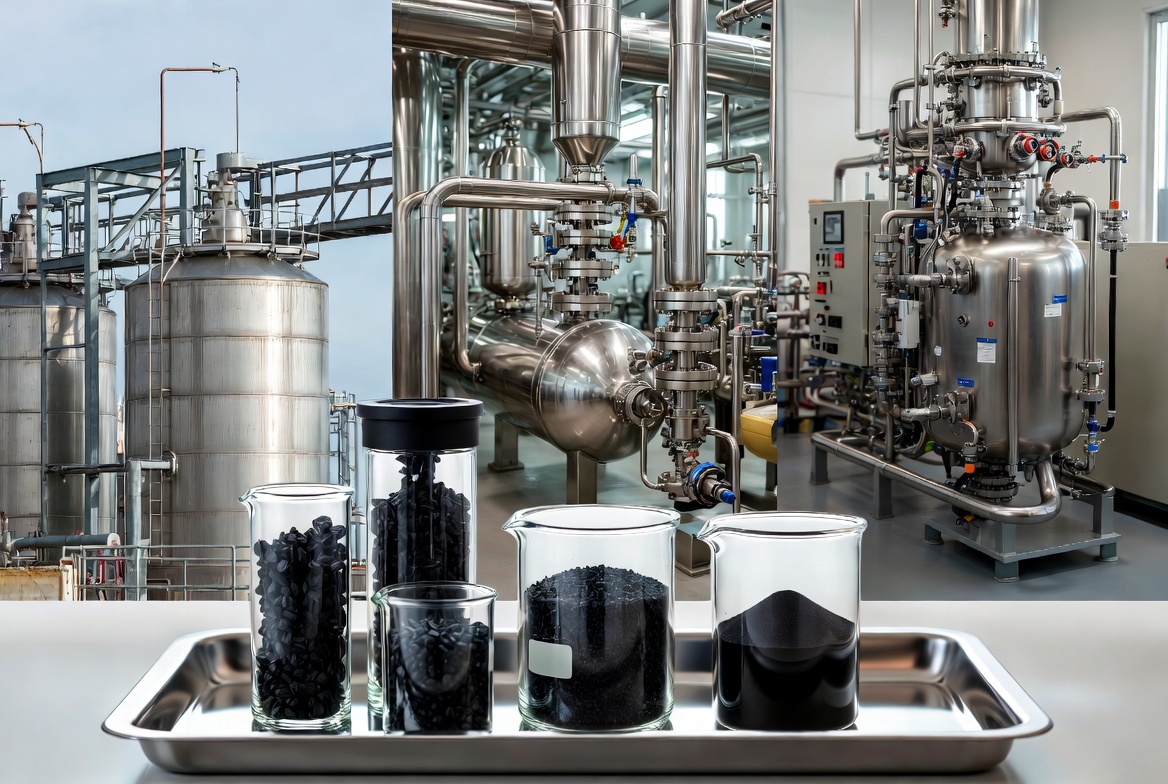
Activated carbon performance is defined by a set of critical parameters—iodine value, pH, methylene blue, specific surface area, ash, CTC, molasses value and strength—that directly determine how well a product works in real industrial applications. Understanding and specifying these parameters correctly is the difference between a system that simply "runs" and a solution that delivers stable, compliant, cost‑effective purification for years. [tongkeac]
As a Chinese manufacturer focused exclusively on activated carbon, Guangdong Tongke Activated Carbon Co., Ltd. has spent over 20 years tailoring these parameters for global projects in water treatment, air and gas purification, food and beverage refining, chemicals, and pharmaceuticals. This article explains each parameter in practical terms and shows how engineers, buyers and quality managers can use them to select the right activated carbon grade for their process. [heycarbons]
What Are Activated Carbon Parameters and Why They Matter
Activated carbon is a microcrystalline carbon material with a black appearance, well‑developed pore structure and large specific surface area, giving it strong adsorption and decolorization ability. These properties are quantified by standardized parameters so that technical teams can design, compare and control performance across different plants and suppliers. [pmc.ncbi.nlm.nih]
Key reasons these parameters matter:
- They link lab data to real‑world adsorption behaviour in water, air and process streams. [pmc.ncbi.nlm.nih]
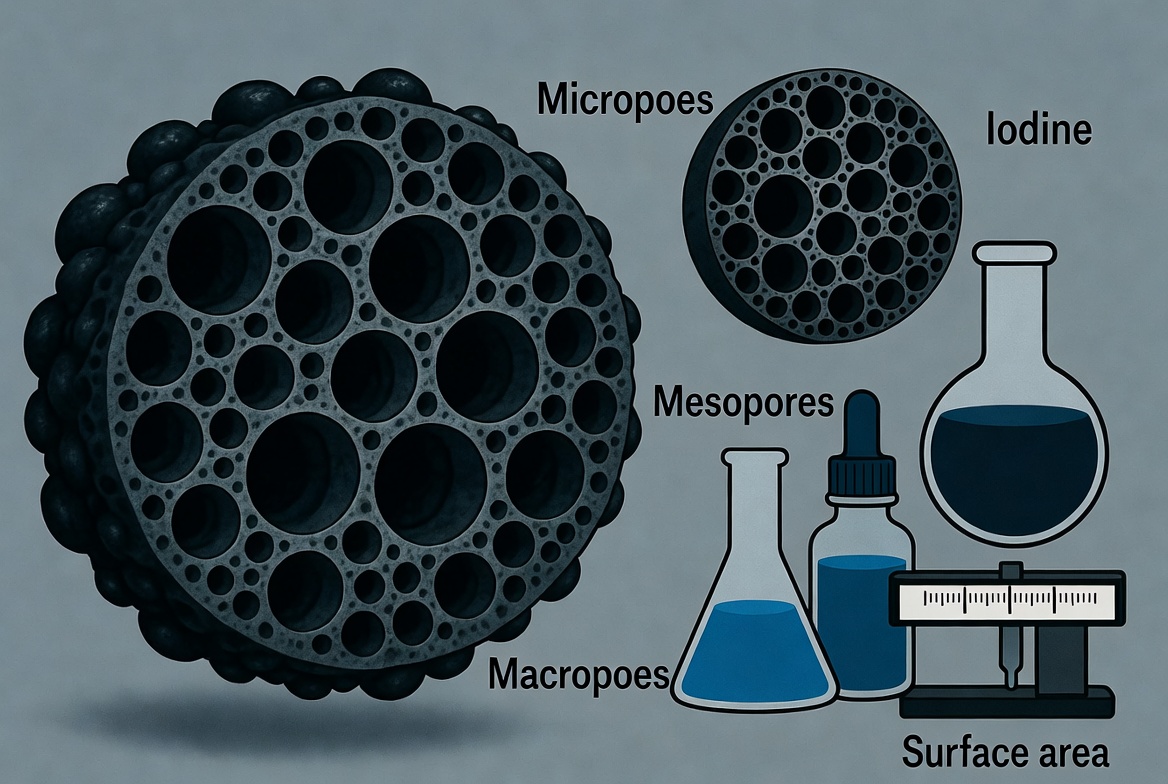
- They help engineers match pore structures (micro, meso, macro) to target pollutants of different molecular sizes. [scielo]
- They enable global buyers to compare products from different origins using international standards such as ASTM and GB/T. [pmc.ncbi.nlm.nih]
From a practical standpoint, high iodine value, suitable pH and optimized methylene blue and molasses values are often the starting point for any serious technical discussion. The following sections break down what each parameter really means in day‑to‑day operation. [heycarbons]
Iodine Value: Core Indicator for Micropore Adsorption
Iodine value expresses the ability of activated carbon to adsorb iodine, measured in mg of iodine per gram of carbon (mg/g). The higher the iodine value, the richer the microporous structure and the stronger the adsorption of small organic molecules and certain gases. [maxapress]
Why Iodine Value Is So Important
- It is a primary indicator for small molecular organic matter removal in water treatment and air purification. [pmc.ncbi.nlm.nih]
- It correlates with specific surface area and micropore volume, especially in carbons developed for drinking water polishing and VOC control. [link.springer]
- Typical industrial products range approximately from 500–1200 mg/g, while speciality carbons for ultra‑pure water can reach even higher values. [maxapress]
In liquid phase applications—drinking water, industrial wastewater, food and beverage filtration—high iodine value carbons with rich microporosity help remove small organic contaminants that impact taste, odour and safety. In gas phase, iodine value supports removal of low‑molecular‑weight VOCs and certain toxic gases. [heycarbons]
Practical Specification Tips
- For general industrial water treatment, many projects start at ≥800 mg/g iodine value. [pmc.ncbi.nlm.nih]
- Semiconductor ultra‑pure water and high‑end beverage lines often require iodine values up to 1200 mg/g or above, combined with strict ash and heavy metal limits. [link.springer]
- When comparing suppliers, always confirm test methods (ASTM D4607 or relevant GB/T standards) to ensure data is aligned. [pmc.ncbi.nlm.nih]
pH of Activated Carbon: Compatibility with Your Process
Activated carbon pH is influenced by the raw material and activation process, and it directly affects how the carbon interacts with water, ions and functional additives. Coal‑based carbons tend to be alkaline, coconut shell carbons near neutral, and untreated wood powder carbons acidic. [madeinchina]
Typical pH Ranges by Raw Material
- Wood powdered carbon: naturally around pH 2–4, often adjusted to 3–5, 4–7 or 5–8 for specific applications. [madeinchina]
- Coal‑based carbon: typically pH 9–12 before acid washing; acid treatment can bring it down to around 7–9. [tongkeac]
- Coconut shell carbon: generally pH 8–10, adjustable to 7–9 through acid and water washing. [tongkeac]
The effect of pH on adsorption is significant: surface charge and functional groups change with pH, which alters the removal efficiency for particular pollutants. In practice, process engineers adjust both water chemistry and carbon pH to optimize target removal and to protect downstream equipment. [pmc.ncbi.nlm.nih]
Methylene Blue Value: Indicator for Medium Molecule Decolorization
Methylene blue value measures the capacity of activated carbon to adsorb methylene blue dye, reflecting performance for medium molecular weight organic pollutants. It is expressed in mg/g or ml/0.1 g, with a standard conversion of 1 ml/0.1 g ≈ 15 mg/g. [scielo]
What Methylene Blue Tells You About Pore Structure
- Methylene blue has a larger molecular diameter than iodine, so the test focuses more on mesopores and larger micropores. [scielo]
- Higher methylene blue values indicate more pore volume in the size range relevant for dyes, colour bodies and certain organic contaminants. [link.springer]
- In practice, wood‑based powdered and granular carbons usually show the highest methylene blue values, followed by fruit shell carbons, coal and coconut shell products. [madeinchina]
This parameter is widely used in wastewater treatment, food and beverage decolorization, and industrial processes where removal of dyes and pigments is critical. For example, Tongke's food‑grade wood powder carbons combine high methylene blue values with carefully controlled ash and pH for reliable sugar, beverage and pharmaceutical decolorization. [tongkeac]
Specific Surface Area: Total Adsorption Playground
Specific surface area (SSA) refers to the total surface area per unit mass of activated carbon, usually expressed in m²/g. This is typically measured using the BET method, which accounts for micro, meso and macropores collectively. [heycarbons]
Typical Ranges and Interpretation
- Many commercial activated carbons show SSA between 500–1000 m²/g, depending on origin and activation conditions. [pmc.ncbi.nlm.nih]
- High‑performance carbons can reach 900–1300 m²/g or even higher, especially in specialist products for demanding liquid and gas purification. [link.springer]
- Higher surface area generally supports stronger adsorption, but performance also depends on pore size distribution and surface chemistry. [scielo]
High SSA carbons are preferred in water treatment, air purification, pharmaceutical processes and food applications where high purity and fast kinetics are required. For project design, engineers often consider SSA alongside iodine value, methylene blue and molasses value to balance capacity and selectivity. [heycarbons]
Ash Content: Hidden Enemy of Effective Adsorption
Ash content is the weight percentage of inorganic residue remaining after complete combustion of activated carbon in a controlled furnace. It represents minerals and non‑combustible materials that do not contribute to adsorption and can actually block pores or interfere with chemical stability. [link.springer]
Why Low Ash Matters
- Ash occupies part of the pore structure, especially micro and mesopores, reducing effective surface area. [pmc.ncbi.nlm.nih]
- Metal oxides and inorganic residues in ash can react with certain pollutants or influence pH and oxidation state. [heycarbons]
- High ash content may lead to scaling or fouling in high‑end water treatment and pharmaceutical systems. [pmc.ncbi.nlm.nih]
Manufacturers reduce ash through careful raw material selection, pretreatment (washing, acid washing), optimized activation, and post‑activation retreatment. Guangdong Tongke uses these measures to deliver low‑ash carbons for sensitive applications such as food decolorization and medical intermediates. [tongkeac]
Heavy Metals: Safety Indicator for Sensitive Applications
Heavy metal content in activated carbon refers to trace elements like lead, cadmium, mercury and chromium originating from raw materials, equipment or incidental contamination. In water treatment, food and pharmaceutical industries, heavy metal control is a non‑negotiable safety requirement. [madeinchina]
Sources and Control Strategies
- Natural minerals present in coal, wood, coconut shells and fruit shells can remain after activation. [link.springer]
- Chemical activation, catalysts or equipment may introduce additional metal traces. [pmc.ncbi.nlm.nih]
- Without specific treatment, heavy metal content often increases in the order: coconut shell < fruit shell < wood < coal. [madeinchina]
To reduce heavy metals, manufacturers prioritize low‑contaminant raw materials, apply acid washing, and maintain clean production environments. For global buyers, heavy metal specifications and test methods are essential parts of technical datasheets and supplier qualification. [madeinchina]
CTC (Carbon Tetrachloride Activity): Gas Phase Performance Benchmark
CTC value measures the adsorption capacity of activated carbon for carbon tetrachloride (CCl₄), expressed as a percentage of carbon tetrachloride adsorbed per unit weight of carbon. It is a key indicator of gas phase adsorption capacity for macromolecular organic vapours. [tongkeac]
How CTC Relates to Gas Applications
- CTC targets larger organic molecules in vapour phase, aligned with mesoporous and macroporous structures. [pmc.ncbi.nlm.nih]
- A CTC value of 60% means that 1 g of activated carbon can adsorb 0.6 g of carbon tetrachloride. [tongkeac]
- Higher CTC values are preferred in solvent recovery, VOC abatement, toxic gas purification and industrial exhaust treatment. [tongkeac]
Improving CTC involves selecting suitable raw materials, finely controlling activation temperature and time, and possibly modifying surface chemistry. Tongke's coal‑based and briquetted granular carbons are engineered with adjustable CTC values to meet project‑specific gas treatment requirements. [tongkeac]
Molasses Value: Mesopore Strength for Macromolecular Removal
Molasses value represents the decolorization ability of activated carbon on molasses solution, reflecting adsorption of high molecular weight, complex organic mixtures. It is closely linked to mesopore volume and performance on large molecules like pigments, odours and certain organic colloids. [heycarbons]
Where Molasses Value Is Critical
- Food and beverage industries use high molasses value carbons to remove undesirable pigments and odours while preserving product quality. [tongkeac]
- Industrial wastewater and process streams with dyes and complex organics benefit from carbons with strong molasses performance. [madeinchina]
- Gas phase applications involving complex VOC mixtures may also consider molasses value in combination with CTC. [tongkeac]
In specification work, molasses value complements methylene blue and CTC by covering larger molecular-weight contaminants, helping process engineers design robust multi‑stage adsorption systems. [heycarbons]
Strength (Hardness): Durability Under Real Operating Conditions
Strength (or hardness) describes the ability of activated carbon to resist crushing and abrasion under compression, impact and friction. It is a key physical parameter for long‑term operation in columns, filters and packed beds. [tongkeac]
Strength Hierarchy by Form and Raw Material
- By form: columnar > granular > powdered activated carbon in typical strength ranking. [tongkeac]
- By raw material: generally coconut shell > fruit shell > coal > wood in mechanical strength. [madeinchina]
- High strength reduces fines generation, pressure drop swings and adsorber clogging. [tongkeac]
For continuous processes with backwashing, high flow velocities or frequent thermal regeneration, specifying adequate strength is essential to keep systems stable and minimize replacement costs. [tongkeac]
How to Specify Activated Carbon for Different Industries
From a practical engineering standpoint, the most important step is translating these parameters into application‑specific specifications. Below is an illustrative decision framework that many project teams follow. [tongkeac]
Basic Parameter Mapping by Application
| Application | Priority Parameters |
| Municipal & industrial water | Iodine value, specific surface area, ash, pH |
| Beverage & sugar decolorization | Methylene blue, molasses value, ash, pH |
| Air & gas purification (VOC, odours) | CTC, iodine value, strength |
| Pharmaceutical & fine chemicals | Iodine value, SSA, heavy metals, ash, pH |
| Solvent recovery & gas phase | CTC, strength, molasses value |
For example, a beverage manufacturer focusing on colour and odour control will give methylene blue and molasses value more weight than CTC, while a gas treatment system for VOC removal will prioritize CTC and mechanical strength. [tongkeac]
Real‑World Project Example (Conceptual Case)
A European beverage plant upgrading its sugar decolorization line needed to reduce colour units and improve filter life without redesigning its entire process. The team evaluated multiple activated carbon grades and ultimately selected a Tongke wood‑based powdered carbon with: [madeinchina]
- High methylene blue and molasses values for strong decolorization capability. [tongkeac]
- Controlled ash and heavy metal levels to comply with food grade requirements. [tongkeac]
- Tailored pH to match existing process conditions and protect equipment. [heycarbons]
By aligning key parameters with target performance, the plant improved decolorization efficiency and extended carbon replacement intervals, demonstrating how parameter‑driven specification leads to measurable business outcomes. [madeinchina]
Testing Standards and Data Reliability
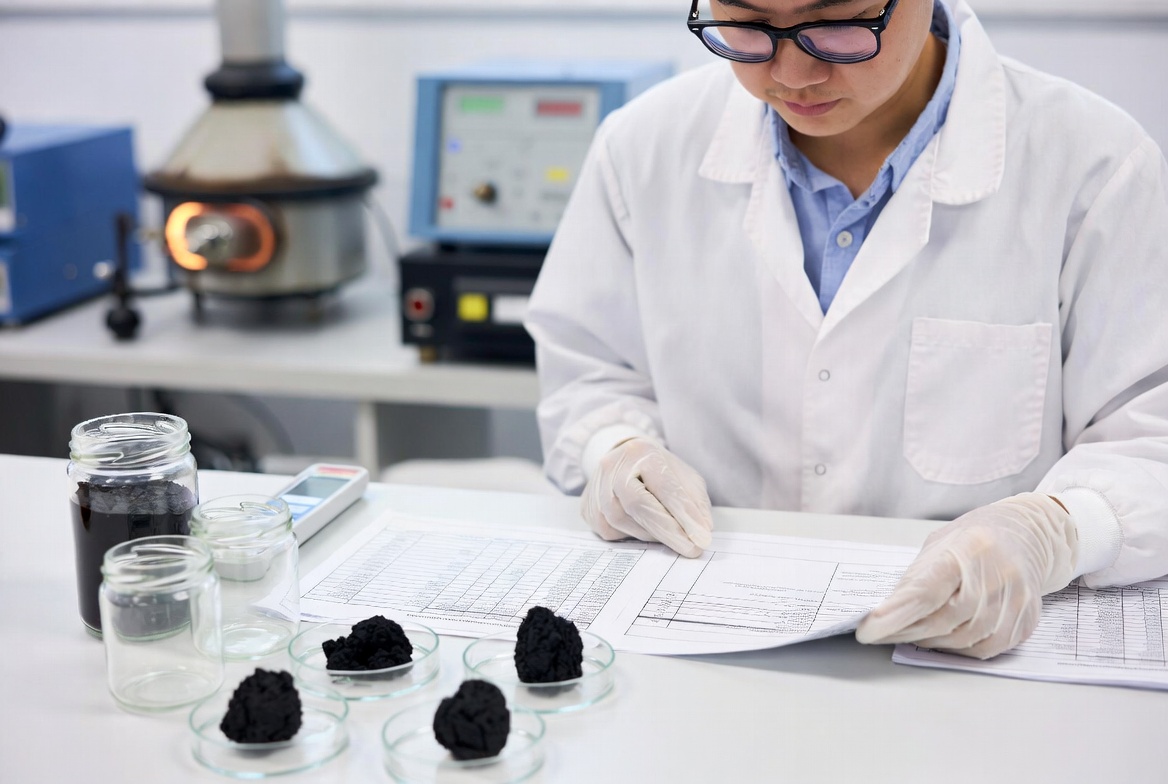
Technical buyers and QA managers should pay close attention not only to parameter values, but also to testing standards behind the data. [pmc.ncbi.nlm.nih]
Common standards include:
- Iodine value: ASTM D4607, GB/T 12496.8 (wood), GB/T 7702.7 (coal). [pmc.ncbi.nlm.nih]
- pH: ASTM D3838, GB/T 12496.7 (wood), GB/T 7702.16 (coal). [pmc.ncbi.nlm.nih]
- Methylene blue: GB/T 12496.10 (wood), GB/T 7702.6 (coal). [pmc.ncbi.nlm.nih]
- Specific surface area: GB/T 7702.21 for coal‑based activated carbon. [heycarbons]
- Ash, strength, heavy metals: various ASTM and GB/T methods aligned with product type. [pmc.ncbi.nlm.nih]
When qualifying a supplier, it is good practice to ask for standard references, test reports and reproducibility information to ensure that lab data reflects actual production batches. [scielo]
Quick Reference Table: Typical Granular Activated Carbon Data
Guangdong Tongke's granular activated carbon portfolio illustrates how key parameters are tuned within practical ranges for different projects. [tongkeac]
| Parameter | Typical Range (Tongke GAC) |
| Iodine value | 700–1200 mg/g |
| Specific surface area | 900–1300 m²/g |
| Filling density | 0.45–0.55 g/cm³ |
| CTC | 40–65% |
| Mechanical strength | ≥90% |
| Moisture | ≤5% |
| pH | 7–10 |
| Ash | 10–12% |
These ranges are further adjusted for project‑specific needs, including mesh size distribution and custom parameter targets. [tongkeac]
How Guangdong Tongke Activated Carbon Supports Custom Projects
As an OEM/ODM‑oriented manufacturer, Guangdong Tongke Activated Carbon Co., Ltd. specializes in customizing granular, powdered, honeycomb and fiber‑based carbons around these parameters. [tongkeac]
Typical support for engineering and procurement teams:
- Application‑driven material selection (wood, coal, coconut shell, nut shell, hybrid blends). [madeinchina]
- Parameter customization for iodine value, methylene blue, molasses, CTC, pH, ash and strength to fit process constraints. [tongkeac]
- Cost‑effective designs that balance performance, regeneration potential and total lifecycle cost. [tongkeac]
This approach allows global partners to treat Guangdong Tongke as a technical extension of their process design team, not just a commodity supplier. [tongkeac]
Call to Action: Design Your Next Project Around the Right Activated Carbon Parameters
If you are planning or upgrading a water, air, food or pharmaceutical purification system, specifying the right activated carbon parameters early in the design will reduce risk and improve long‑term performance. Guangdong Tongke Activated Carbon Co., Ltd. can help engineers and buyers translate project requirements into practical product specifications, including tailored iodine value, CTC, methylene blue, molasses, pH, ash and strength ranges. [heycarbons]
To discuss your application or request technical datasheets and sample evaluation support, contact our engineering team and start building a parameter‑optimized activated carbon solution for your next project. [tongkeac]
FAQs about Activated Carbon Parameters
Q1: Is higher iodine value always better?
Not necessarily. Higher iodine value indicates stronger micropore adsorption, which is ideal for small molecules, but for macromolecular pollutants you may need higher methylene blue or molasses values and suitable mesoporosity. [scielo]
Q2: How do I choose between wood‑based and coal‑based carbons?
Wood‑based carbons usually have excellent decolorization performance and high methylene blue values, while coal‑based carbons often provide strong mechanical strength and good gas‑phase CTC performance. [heycarbons]
Q3: Why does pH adjustment matter for my water treatment system?
pH affects both the surface chemistry of activated carbon and the speciation of dissolved contaminants, so adjusting pH improves adsorption efficiency and protects downstream equipment. [pmc.ncbi.nlm.nih]
Q4: How often should I request updated test data from suppliers?
For critical applications (pharmaceuticals, food, high‑purity water), it is sensible to verify parameter data and test standards at least once per year or whenever major process changes occur. [pmc.ncbi.nlm.nih]
Q5: Can multiple types of activated carbon be combined in one system?
Yes. Many advanced systems combine different carbons with complementary iodine, CTC, methylene blue and molasses values to cover a broad range of pollutants and optimize cost‑performance. [scielo]
References
1. Heycarb Activated Carbon – "A Guide to Activated Carbon Parameters: Iodine Value, PH, Methylene Blue, Specific Surface Area, Ash, CTC etc." https://heycarbons.com/a-guide-to-activated-carbon-parameters-iodine-value-ph-methylene-blue-specific-surface-area-etc/
2. Guangdong Tongke Activated Carbon Co., Ltd. – Activated Carbon Product Portfolio https://www.tongkeac.com/activated-carbon-product.html
3. Guangdong Tongke Activated Carbon Co., Ltd. – Granular Activated Carbon Specifications https://www.tongkeac.com/granular-activated-carbon.html
4. Tongke Food Grade Powder Activated Carbon – Product and Technical Data https://www.madeinchina.com/mall/show-China-Factory-Cheap-Food-Grade-Decolorization-Wood-Powder-Activated-Carbon-for-Beverage-Food-Mgs-Sugar-Oil-Refining
5. Estimation of surface area and pore volume of activated carbons by methylene blue and iodine numbers https://www.scielo.br/j/qn/a/VY5JpTFcqRhbzSFZc9xqd3J/?lang=en
6. Characterization techniques as supporting tools for activated carbon and biochar performance assessment https://pmc.ncbi.nlm.nih.gov/articles/PMC8398246/
7. Role of microporosity and surface functionality of activated carbon in methylene blue dye removal from water https://link.springer.com/article/10.1007/s11814-013-0172-y
8. Performance parameters of activated carbon (Table data) https://pmc.ncbi.nlm.nih.gov/articles/PMC6747196/table/ijerph-16-03112-t001/
9. Adsorption of methylene blue dye and potato processing wastewater using activated carbon – overview of iodine number ranges https://www.maxapress.com/article/id/69d5abfcfa6c580788ac9a5e


