Content Menu
● Granular Activated Carbon vs. Powdered Activated Carbon
● Why Continuous Systems Favor GAC
● Performance Benefits in Industrial Water Treatment
● Where GAC Delivers the Most Value
● New Insight From an Operations View
● Industry Trend and Market Direction
● What Buyers Should Ask Before Choosing GAC
● Why Tongke Can Support This Need
● Conclusion
● FAQ
>> 1. Is granular activated carbon better than powdered activated carbon?
>> 2. What contaminants does GAC remove best?
>> 3. Why is GAC used in fixed-bed systems?
>> 4. Can GAC be regenerated?
>> 5. Which industries use GAC most often?
● References
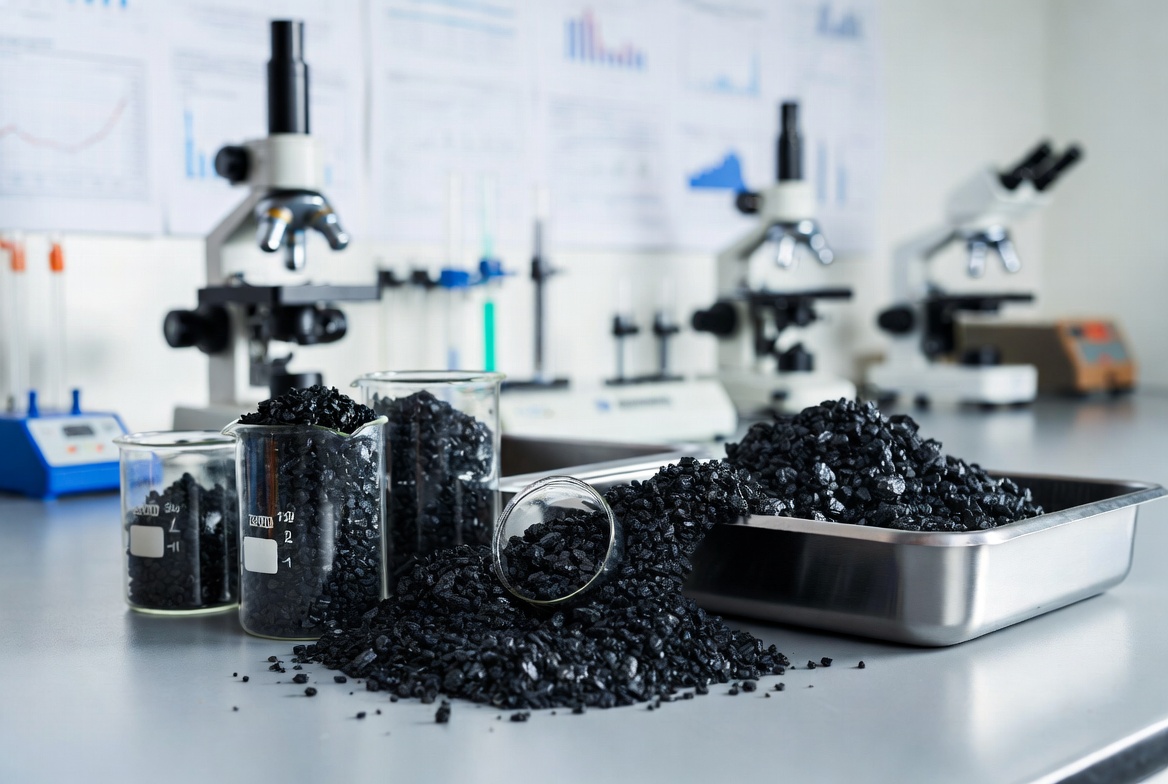
Granular activated carbon, often called GAC, is widely preferred for continuous water filtration because it combines stable flow, long service life, and strong adsorption performance in fixed-bed systems. For industrial users that need consistent treatment 24/7, GAC is usually the more practical choice than powdered activated carbon, especially when the process must run with minimal interruption.
Granular Activated Carbon vs. Powdered Activated Carbon
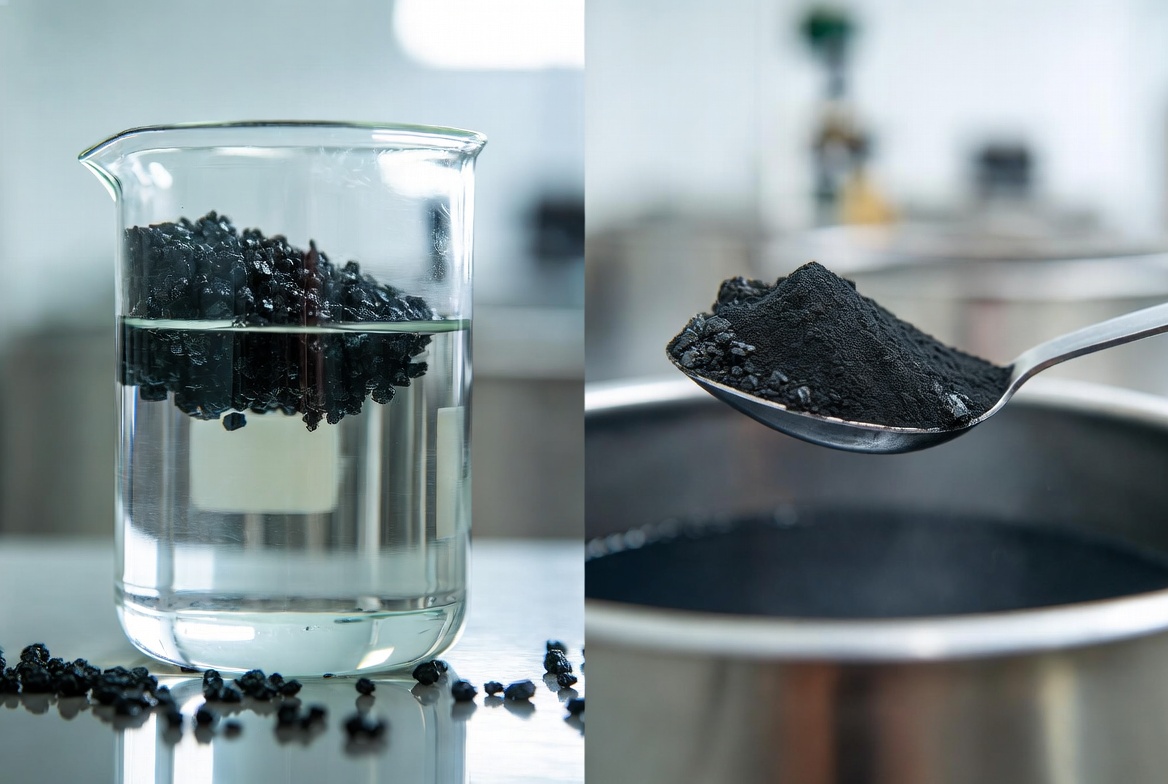
The core difference is particle form and operating method. GAC uses larger granules and is installed as a filter bed, while powdered activated carbon is dosed as a fine powder and then removed later through clarification or filtration. That difference changes everything: contact time, regeneration potential, system stability, and operating efficiency.
| Factor | Granular Activated Carbon (GAC) | Powdered Activated Carbon (PAC) |
| Operating mode | Fixed-bed, continuous filtration | Dosed into water, then separated later |
| Response speed | Slower initial adsorption, stronger for long runs | Fast adsorption for short-term or shock events |
| Reuse | Regeneration and reuse are often possible | Usually single-use |
| Best use case | Continuous treatment systems | Batch treatment or emergency dosing |
| Operational stability | High | Lower in continuous systems |
Why Continuous Systems Favor GAC
In my view, the biggest reason GAC wins in continuous filtration is process consistency. Water passes through a carbon bed, so contaminants are removed in a controlled and repeatable way as the bed gradually progresses from fresh to saturated media. This makes GAC especially suitable for plants that cannot afford frequent dosing changes or batch-based interruptions.
Another major advantage is hydraulic behavior. GAC beds can support steady flow while maintaining useful contact between water and media, which is critical in long-duration treatment lines. PAC may work very quickly, but it is less suited to a system that must operate continuously with predictable performance.
Performance Benefits in Industrial Water Treatment
GAC is widely used in drinking water, industrial wastewater, food and beverage, and chemical processing because it removes a broad range of unwanted compounds, including taste- and odor-causing substances, chlorine, organics, and some micropollutants. In many facilities, this translates into cleaner process water, better product stability, and more reliable downstream operations.
Key performance benefits include:
- Long operating cycles, which reduce shutdowns and changeouts.
- High adsorption capacity, especially in fixed-bed designs.
- Better suitability for regeneration, improving lifecycle economics.
- Strong mechanical stability, which supports repeated backwashing and continuous service.
For operators, that means GAC is often not just a filtration media choice, but a total cost decision over the full life of the system.
Where GAC Delivers the Most Value
GAC is especially strong in applications where the contaminant load is steady rather than sudden. Drinking water systems use it to improve taste and odor and reduce organics. Industrial plants use it in polishing stages, process water treatment, and pre-treatment for sensitive equipment or production lines.
It is also a strong fit for:
- Continuous municipal and industrial water treatment.
- Food and beverage purification where water quality affects final product quality.
- Chemical and pharmaceutical water systems that require stable and repeatable removal of organics.
- Systems designed for backwashing and regeneration.
New Insight From an Operations View
A point many articles miss is that GAC selection is not only about adsorption. It is also about maintenance strategy. In real operations, backwashing frequency, pressure drop, bed depth, and regeneration planning all affect actual performance more than the product brochure does.
A practical way to think about it is this:
1. Identify the target contaminant.
2. Confirm whether the system runs continuously or in batches.
3. Check the available contact time and bed depth.
4. Plan backwashing and media replacement.
5. Evaluate regeneration and disposal costs.
That logic is why experienced engineers often choose GAC when they need a stable, long-horizon solution rather than a rapid-response treatment tool.
Industry Trend and Market Direction
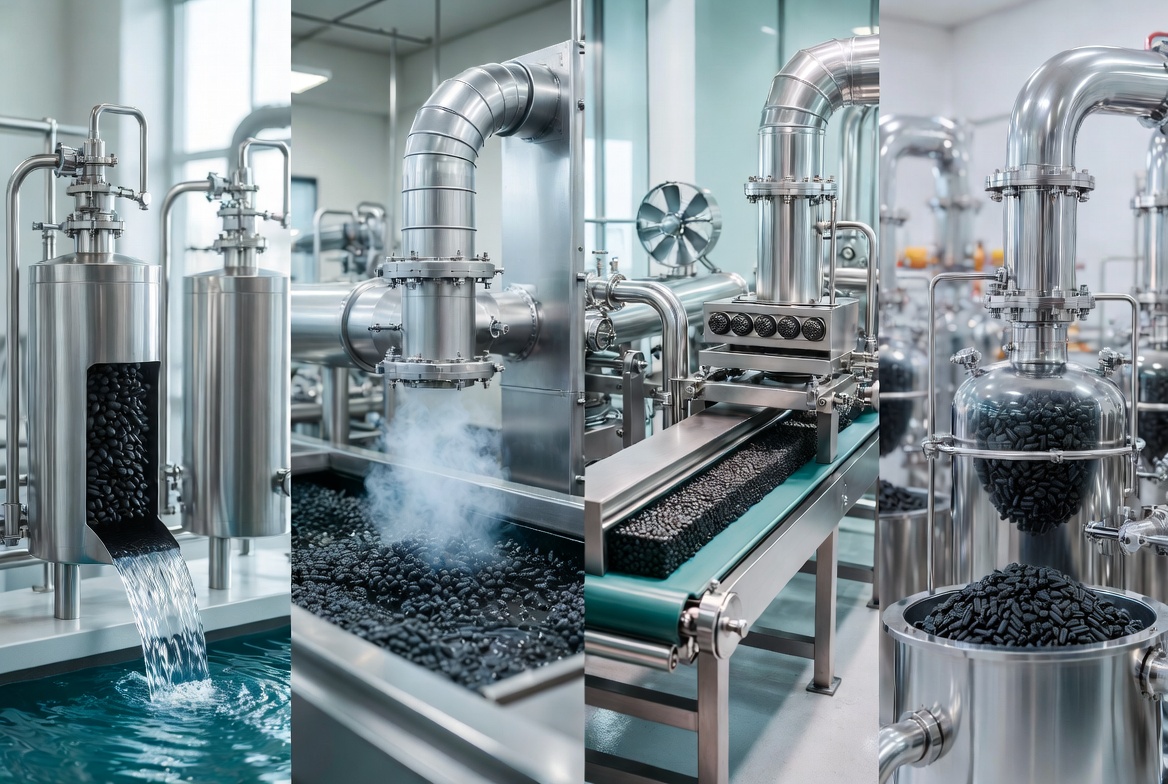
The market outlook also supports continued demand for activated carbon in water treatment. Recent market research points to strong growth in activated carbon filters, driven by environmental regulation and industrial demand for better purification technologies. This matters because continuous water treatment is becoming more important as manufacturers face stricter discharge, reuse, and quality requirements.
At the same time, the market is shifting toward application-specific carbon selection rather than generic media buying. In practical terms, that means buyers increasingly want products matched to flow rate, contaminant profile, regeneration target, and operating environment.
What Buyers Should Ask Before Choosing GAC
If you are sourcing GAC for continuous water filtration, ask these questions:
- What contaminants must be removed?
- What is the required flow rate?
- Is the system continuous, intermittent, or batch-based?
- Will the bed be backwashed or regenerated?
- What is the acceptable pressure drop?
- What service life is expected?
These questions help avoid the most common mistake: choosing carbon by price alone instead of by system fit. For industrial buyers, the right GAC grade can improve uptime, reduce replacement frequency, and support more predictable water quality.
Why Tongke Can Support This Need
As a manufacturer focused on activated carbon solutions for water treatment and other industrial uses, Guangdong Tongke Activated Carbon Co., Ltd. can support custom selection based on raw material, iodine value, particle size, hardness, and application conditions. For continuous filtration projects, this kind of tailored matching is often the difference between acceptable performance and truly reliable long-term operation.
Conclusion
Granular activated carbon is preferred for continuous water filtration because it is built for stable flow, long service life, and repeatable adsorption in fixed-bed systems. Compared with powdered activated carbon, GAC is better suited to systems that must run continuously, be backwashed or regenerated, and deliver consistent water quality over time.
FAQ
1. Is granular activated carbon better than powdered activated carbon?
For continuous filtration, yes in most cases. GAC is designed for fixed-bed operation and long service life, while PAC is better for rapid, short-term treatment.
2. What contaminants does GAC remove best?
GAC is effective for taste, odor, chlorine, dissolved organics, VOCs, and other compounds commonly found in water treatment applications.
3. Why is GAC used in fixed-bed systems?
Because its granular form supports steady flow through a filter bed, giving the water sustained contact with the media during continuous operation.
4. Can GAC be regenerated?
In many industrial systems, yes. Regeneration and reuse are key reasons GAC can be more economical over the full lifecycle.
5. Which industries use GAC most often?
Water treatment, food and beverage, chemical processing, and pharmaceutical-related purification systems are among the most common users.
References
1. [How to Choose the Right Activated Carbon for Your Industry?]
2. [Water Treatment Activated Carbon Is Powder Or Granular?]
3. [Understanding Granular Activated Carbon for Water Treatment]
4. [Activated Carbon Filter Market Size, Growth, Trends Report]
5. [Granular vs. Powdered Activated Carbon: Key Differences]
6. [Tastes, Odors, Drinking Water, Activated Carbon]
7. [GRANULAR ACTIVATED CARBON (GAC) FACT SHEET]
8. [Activated Carbon in Industrial Filtration Systems]
9. [Activated Carbon Market Report 2026]


