Content Menu
● Why Japan needs coconut shell activated carbon
● Guangdong Tongke Activated Carbon Co., Ltd. – strategic partner for Japan
>> Core strengths for Japanese buyers
● Leading coconut shell activated carbon players in and around Japan
>> Kuraray – specialty activated carbon solutions
>> Osaka Gas Chemicals – solution‑oriented carbon business
>> Asahicoke Industry – Acti Carbon series
>> International Coconut Shell Activated Carbon Manufacturers and Suppliers serving Japan
● How Japanese buyers select Coconut Shell Activated Carbon Manufacturers and Suppliers
>> Key technical factors
>> Commercial and service considerations
● Typical cooperation model with Guangdong Tongke for Japan
● Sample list of notable coconut shell activated carbon–related companies for Japan
● Conclusion
● FAQ – Coconut Shell Activated Carbon Manufacturers and Suppliers in Japan
>> 1. What are the main benefits of coconut shell activated carbon for Japanese applications?
>> 2. How can Japanese buyers choose reliable Coconut Shell Activated Carbon Manufacturers and Suppliers?
>> 3. Why collaborate with Guangdong Tongke instead of relying only on domestic suppliers?
>> 4. Can coconut shell activated carbon be regenerated in Japanese plants?
>> 5. Which sectors in Japan most depend on Coconut Shell Activated Carbon Manufacturers and Suppliers?
● Citations:
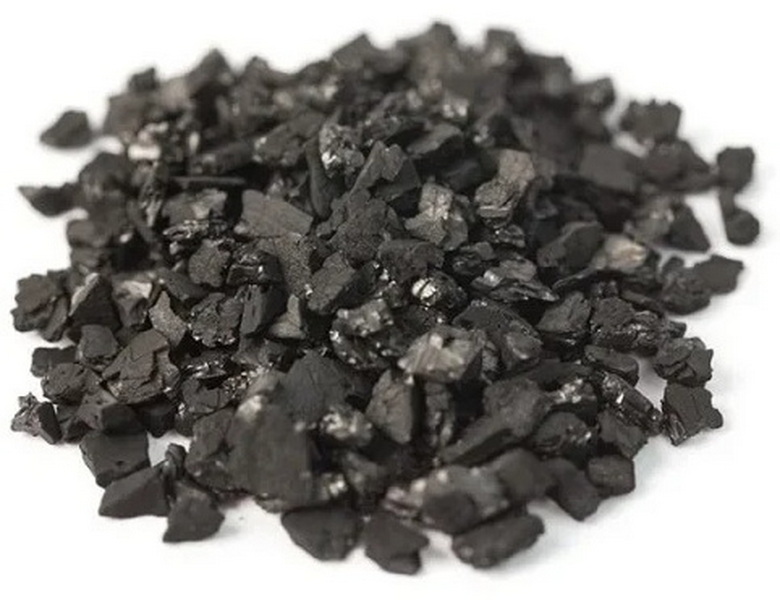
Japan relies on a mix of domestic and international Coconut Shell Activated Carbon Manufacturers and Suppliers to support demanding water treatment, air and gas purification, food and beverage, chemical, and pharmaceutical applications. Partnering with strong Coconut Shell Activated Carbon Manufacturers and Suppliers helps Japanese buyers secure stable quality, compliance with strict regulations, and reliable long‑term supply.[1][2][3][4]
Why Japan needs coconut shell activated carbon
Japan's industrial base and environmental rules create strong demand for Coconut Shell Activated Carbon Manufacturers and Suppliers in multiple sectors. Industries increasingly prefer coconut‑shell grades because of high hardness, low dust, and excellent microporosity for removing trace contaminants.[2][3][5][1]
- Municipal and industrial water treatment plants use coconut shell activated carbon to remove organic matter, residual chlorine, taste, odor, micropollutants, and PFAS in some advanced systems.[5][1][2]
- Air and gas purification units in factories, incineration plants, and VOC control systems rely on coconut shell activated carbon for solvent recovery and odor removal because of its strong adsorption and mechanical strength.[4][2]
- Food and beverage producers in Japan use coconut shell activated carbon for color removal, dechlorination, and off‑flavor control in beverages, sugar solutions, and speciality ingredients.[1][5]
- Chemical and pharmaceutical manufacturers deploy coconut shell activated carbon in fine chemical purification, catalyst recovery, and API polishing steps where purity and low leachable impurities are critical.[6][3]
Guangdong Tongke Activated Carbon Co., Ltd. – strategic partner for Japan
Guangdong Tongke Activated Carbon Co., Ltd. is a professional Chinese manufacturer and exporter focusing on customized activated carbon solutions for global industrial users, including Japanese buyers. As one of the Coconut Shell Activated Carbon Manufacturers and Suppliers serving Japan, the company provides tailored products for water treatment, air and gas purification, food and beverage, chemical, and pharmaceutical applications.
Core strengths for Japanese buyers
- Custom product design
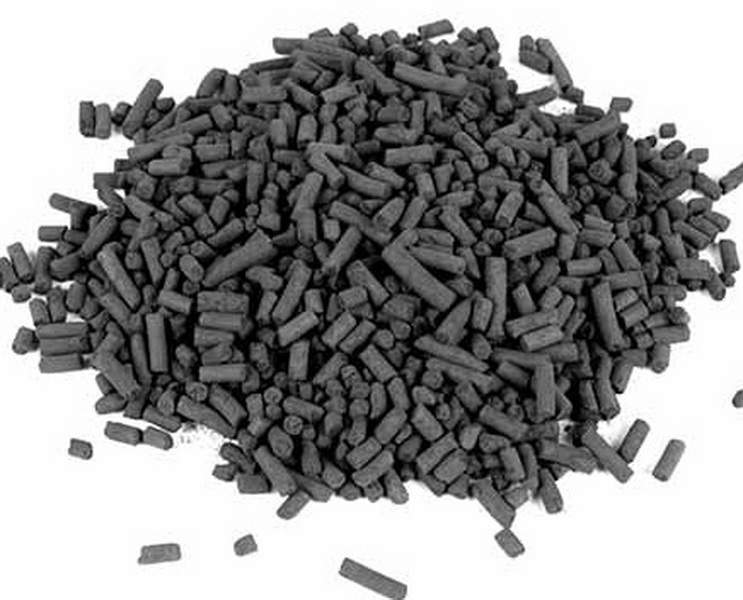
Guangdong Tongke develops coconut shell activated carbon in granular, powdered, and pellet forms, with specific iodine values, particle size distributions, and hardness tailored to Japanese process requirements. Japanese customers can request customized Coconut Shell Activated Carbon Manufacturers and Suppliers solutions for column retrofits, new projects, or performance upgrades in existing systems.
- Industrial application expertise
The company supports engineering teams in municipal water plants, factory wastewater systems, flue‑gas treatment, VOC control, food processing, and pharmaceutical purification with application‑oriented selection and testing protocols. This expertise helps Japanese users get the best value from Coconut Shell Activated Carbon Manufacturers and Suppliers instead of relying only on catalog values.
- Stable quality & global logistics
Guangdong Tongke uses controlled raw‑material sourcing and strict production management so that coconut shell activated carbon batches remain consistent in activity, bulk density, and ash content. With export experience and containerized shipping, the company can build regular supply programs for Japanese clients seeking reliable Coconut Shell Activated Carbon Manufacturers and Suppliers over the long term.
Leading coconut shell activated carbon players in and around Japan
While Guangdong Tongke Activated Carbon Co., Ltd. is a key export partner, Japanese buyers also work with domestic and international Coconut Shell Activated Carbon Manufacturers and Suppliers for multi‑source security. Many of these companies offer coconut‑shell grades in addition to coal‑ and wood‑based activated carbons.[3][2][5][1]
Kuraray – specialty activated carbon solutions
Kuraray supplies a broad portfolio of granular and powdered activated carbon products, including coconut shell‑based materials for water and liquid purification. Its coconut shell activated carbon grades are known for high purity, sufficient hardness, and low dust generation, which suits Japanese water treatment and food applications.[5][1]
Osaka Gas Chemicals – solution‑oriented carbon business
Osaka Gas Chemicals markets activated carbon solutions through its activated carbon business division, working as a solution provider for air, water, and process purification. While it offers multiple raw‑material bases, it cooperates globally with Coconut Shell Activated Carbon Manufacturers and Suppliers to supply products that match Japanese environmental standards.[3][4]
Asahicoke Industry – Acti Carbon series
Asahicoke Industry's Acti Carbon product family covers coconut shell, wood, and coal‑based activated carbon in powdered, granular, molded, and pellet forms. Its coconut shell type activated carbon is applied in water purification plants, sewage treatment, factory wastewater management, gas purification, deodorization, and dioxin removal in Japanese facilities.[2]
International Coconut Shell Activated Carbon Manufacturers and Suppliers serving Japan
- Western Adsorbents (WAC) positions itself as a major supplier of granular, extruded, and coconut shell activated carbon to Japanese customers.[7]
- Southern Carbon exports coconut shell activated carbon to Japan and other markets, emphasizing eco‑friendly production and customized water purification solutions.[8]
- Global brands such as Jacobi Carbons and others appear in international overviews as large producers of coconut shell‑based activated carbon, and some of their products reach Japanese users through regional channels.[9][10]
How Japanese buyers select Coconut Shell Activated Carbon Manufacturers and Suppliers
Japanese purchasing and engineering teams evaluate Coconut Shell Activated Carbon Manufacturers and Suppliers using a mix of technical, commercial, and sustainability criteria. A structured selection process helps reduce risk in critical projects like municipal water supply, incineration plants, and pharmaceutical production.[4][1][2][3]
Key technical factors
- Raw material and pore structure
Coconut shell activated carbon is favored for its predominantly microporous structure, which is effective for removing small organic molecules and trace contaminants from water and gas. When comparing Coconut Shell Activated Carbon Manufacturers and Suppliers, Japanese engineers review iodine value, methylene blue adsorption, pore size distribution, and ash content.[1][2][5]
- Particle size, hardness, and pressure drop
The correct particle size and shape (granule vs pellet) affects bed pressure drop, backwash behavior, and mass transfer in fixed‑bed systems. High hardness and low abrasion are crucial because Japanese plants often run long operating cycles and need Coconut Shell Activated Carbon Manufacturers and Suppliers that can guarantee minimal carbon loss and dust.[2][5][1]
- Regulatory and quality compliance
Suppliers to Japanese water and food sectors must align with standards such as JWWA certifications for water treatment carbons and food‑grade safety requirements where applicable. Strong Coconut Shell Activated Carbon Manufacturers and Suppliers typically operate ISO‑certified facilities and supply detailed documentation for audits.[3][5][2]
Commercial and service considerations
- Long‑term supply security, including multiple production bases or backup suppliers, is important because many Japanese projects run continuously for decades.[4][3]
- Technical service – including pilot tests, on‑site troubleshooting, and regeneration advice – can be a differentiator among Coconut Shell Activated Carbon Manufacturers and Suppliers for Japan.[2][4]
- Sustainability expectations are rising, so buyers look for coconut shell activated carbon produced with energy‑efficient activation technologies and responsible raw‑material sourcing.[8][9]
Typical cooperation model with Guangdong Tongke for Japan
Working with Guangdong Tongke as a leading export‑oriented member of the Coconut Shell Activated Carbon Manufacturers and Suppliers ecosystem allows Japanese companies to combine cost‑effective sourcing with technical support. Cooperation usually follows a staged model that reduces technical and commercial risk for both sides.
- Requirement analysis and sample proposal
The process begins with detailed discussion of water, gas, or liquid characteristics, operating temperature, residence time, and target removal performance. Guangdong Tongke then proposes one or more coconut shell activated carbon grades with specification sheets, along with indicative dosing or bed design information.
- Laboratory and pilot validation
Japanese customers often perform jar tests, rapid small‑scale column tests, or pilot plant trials to compare Coconut Shell Activated Carbon Manufacturers and Suppliers under real conditions. Guangdong Tongke can supply multiple coconut shell activated carbon samples and adjust specifications based on test feedback.[1][2]
- Commercial agreement and long‑term optimization
After successful validation, the parties define contract volumes, delivery schedules, and potential regeneration or replacement strategies. As process conditions or regulations evolve, Guangdong Tongke can update coconut shell activated carbon specifications to keep Japanese customers at the forefront of performance among Coconut Shell Activated Carbon Manufacturers and Suppliers.
Sample list of notable coconut shell activated carbon–related companies for Japan
| Company name | Type / role | Relevance to coconut shell activated carbon in Japan |
| Guangdong Tongke Activated Carbon Co., Ltd. | Export‑oriented Chinese manufacturer | Supplies customized coconut shell activated carbon products to Japanese industrial users seeking flexible Coconut Shell Activated Carbon Manufacturers and Suppliers partnerships. |
| Kuraray (activated carbon business) | Japanese specialty chemical company | Provides granular and powdered activated carbon, including coconut shell‑based grades for water, liquid, and gas purification in Japan.kuraray-c+1 |
| Osaka Gas Chemicals (Activated Carbon Business Division) | Japanese solution provider | Offers integrated activated carbon solutions and cooperates with global Coconut Shell Activated Carbon Manufacturers and Suppliers to serve Japanese markets.fortunebusinessinsights+1 |
| Asahicoke Industry – Acti Carbon | Japanese activated carbon producer | Produces coconut shell, wood, and coal‑based activated carbon for water purification, wastewater treatment, gas purification, and deodorization.asahicoke |
| Western Adsorbents (WAC) | International supplier | Markets bulk granular, extruded, and coconut shell activated carbon for Japanese customers requiring large‑volume supply.westernadsorbents |
| Southern Carbon | Indian exporter | Supplies coconut shell activated carbon to environmental industries, including customers in Japan.southerncarbon |
| Jacobi Carbons | Global producer | One of the world’s largest coconut shell activated carbon producers whose products reach Japan via global distribution networks.huameicarbon+1 |
Conclusion
Japan's stringent environmental standards and sophisticated industrial base make it a key destination for high‑quality Coconut Shell Activated Carbon Manufacturers and Suppliers. Japanese buyers rely on a combination of domestic players such as Kuraray, Osaka Gas Chemicals, and Asahicoke, as well as international Coconut Shell Activated Carbon Manufacturers and Suppliers, to achieve stable performance and compliance in water, air, and process purification.[1][4][2]
Guangdong Tongke Activated Carbon Co., Ltd. stands out as a strategic external partner, offering customized coconut shell activated carbon grades, strong application support, and export‑oriented logistics tailored to Japanese requirements. By integrating Guangdong Tongke into their supplier portfolio, Japanese companies can diversify sourcing while maintaining high technical standards, ensuring that their chosen Coconut Shell Activated Carbon Manufacturers and Suppliers continue to deliver value as regulations and performance expectations rise.[3]
FAQ – Coconut Shell Activated Carbon Manufacturers and Suppliers in Japan
1. What are the main benefits of coconut shell activated carbon for Japanese applications?
Coconut shell activated carbon offers high hardness, low dust, and a predominantly microporous structure that is ideal for removing small organic molecules, odors, and trace contaminants from water and gas. For Japanese users comparing Coconut Shell Activated Carbon Manufacturers and Suppliers, these properties translate into long bed life, stable pressure drop, and reliable effluent quality in municipal, industrial, and food‑grade systems.[5][1][2]
2. How can Japanese buyers choose reliable Coconut Shell Activated Carbon Manufacturers and Suppliers?
Buyers should evaluate raw‑material type, iodine value, pore size distribution, hardness, and certification status alongside references from similar Japanese projects. It is also important to consider technical support, pilot test capabilities, long‑term supply security, and the ability of Coconut Shell Activated Carbon Manufacturers and Suppliers to adapt products as regulations and process targets change.[3][5][1][2]
3. Why collaborate with Guangdong Tongke instead of relying only on domestic suppliers?
Working with Guangdong Tongke allows Japanese companies to access flexible, customized coconut shell activated carbon grades and competitive pricing without sacrificing quality. As an export‑oriented member of the Coconut Shell Activated Carbon Manufacturers and Suppliers community, Guangdong Tongke offers dedicated technical communication, tailored specifications, and containerized logistics specifically aligned with Japanese industrial needs.
4. Can coconut shell activated carbon be regenerated in Japanese plants?
Many granular coconut shell activated carbon products used in Japan can be thermally regenerated off‑site, reducing waste and total cost of ownership. When selecting Coconut Shell Activated Carbon Manufacturers and Suppliers, Japanese buyers should discuss regeneration feasibility, expected number of cycles, and any changes in adsorption performance after regeneration.[4][2]
5. Which sectors in Japan most depend on Coconut Shell Activated Carbon Manufacturers and Suppliers?
Key sectors include municipal water and wastewater treatment, industrial wastewater, waste incineration, VOC and flue‑gas control, food and beverage processing, and pharmaceutical and fine chemical production. These users often require certified products, full traceability, and strong application support from Coconut Shell Activated Carbon Manufacturers and Suppliers to operate within Japan's strict environmental and quality frameworks.[6][1][2][3][4]
Citations:
[1](https://www.kuraray-c.co.jp/en/products/kuraraycoal.html)
[2](https://www.asahicoke.co.jp/en/productdetail003/)
[3](https://www.fortunebusinessinsights.com/blog/top-activated-carbon-companies-10992)
[4](https://www.ogc.co.jp/shirasagi/e/)
[5](https://www.kuraray.com/global-en/products/activated-carbon/)
[6](https://www.futamura.co.jp/english/products/activated_carbon/)
[7](https://westernadsorbents.com/activated-carbon-manufacturer-in-japan/)
[8](https://southerncarbon.com/coconut-shell-activated-carbon-japan/)
[9](https://www.huameicarbon.com/the-top-10-activated-carbon-cpmpanies-in-the-globle-market-2022/)
[10](https://www.jacobi.net/about/)
[11](https://www.perplexity.ai/search/ae3154b0-607d-44a7-856a-775b3f9e3dee)
[12](https://www.towa-jm.com/en)
[13](https://www.kowa.co.jp/eng/business/trading/general_trading/chemicals.html)
[14](https://www.jtops.com/en/en_wp/wp-content/uploads/2023/10/2023%E5%B9%B411%E6%9C%88%EF%BD%9E-%E8%8B%B1%E8%AA%9E%E7%89%88.pdf)
[15](https://cocowork.com/en/company/index.html)
[16](https://en.52wmb.com/cb-japan/activated_carbon)


