Content Menu
● Why Vietnam Coconut Shell Activated Carbon Is in High Global Demand
● How This Supplier Ranking and Review‑Style Guide Was Built
● What Real Buyers Care About Most in Vietnam Coconut Shell Activated Carbon
>> 1. Real‑World Product Performance
>> 2. Delivery Reliability and Peak‑Season Performance
>> 3. Technical Communication and After‑Sales Support
● Vietnam Coconut Shell Activated Carbon Supplier Ranking: Types of Players
>> Snapshot of Leading Supplier Types in Vietnam and the Region
● Representative Vietnam and Regional Coconut Activated Carbon Suppliers
>> Vietnam‑Focused Producer – Example: Suneeta Carbons (Vietnam Footprint)
>> Global Specialists – Haycarb and Similar Majors
● How Guangdong Tongke Activated Carbon Co., Ltd. Supports Vietnam‑Oriented Buyers
>> Company Profile and Production Strength
>> Application‑Driven Technical Support
● How to Select the Right Vietnam Coconut Shell Activated Carbon Supplier
>> Step‑by‑Step Supplier Selection Checklist
>> Common Pitfalls and How to Avoid Them
● Case 1 – Transition from Coal‑Based to Vietnam Coconut Shell Carbon in Water Treatment
● Case 2 – Supporting a Biogas Plant with Air and Gas Treatment Expertise
● Conclusion and Call to Action
● Frequently Asked Questions (FAQ)
>> 1. Why is coconut shell activated carbon preferred over coal‑based carbon in many applications?
>> 2. Is Vietnam coconut shell activated carbon suitable for drinking water applications?
>> 3. How can I evaluate if a supplier's carbon will work in my existing system?
>> 4. What role does a company like Guangdong Tongke Activated Carbon play if my main goal is to buy Vietnam origin carbon?
>> 5. How important are ESG and sustainability factors when choosing an activated carbon supplier?
● References
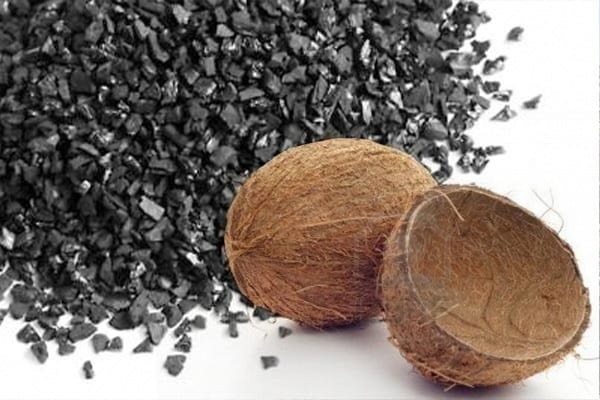
Coconut shell activated carbon from Vietnam has become one of the most sought‑after filtration media in global markets, especially for water treatment, air and gas purification, and high‑value industrial processes. At the same time, experienced Chinese manufacturers such as Guangdong Tongke Activated Carbon Co., Ltd. play a key role by delivering customized, application‑specific solutions that help international buyers de‑risk their Vietnam sourcing strategies. [linkedin]
Why Vietnam Coconut Shell Activated Carbon Is in High Global Demand
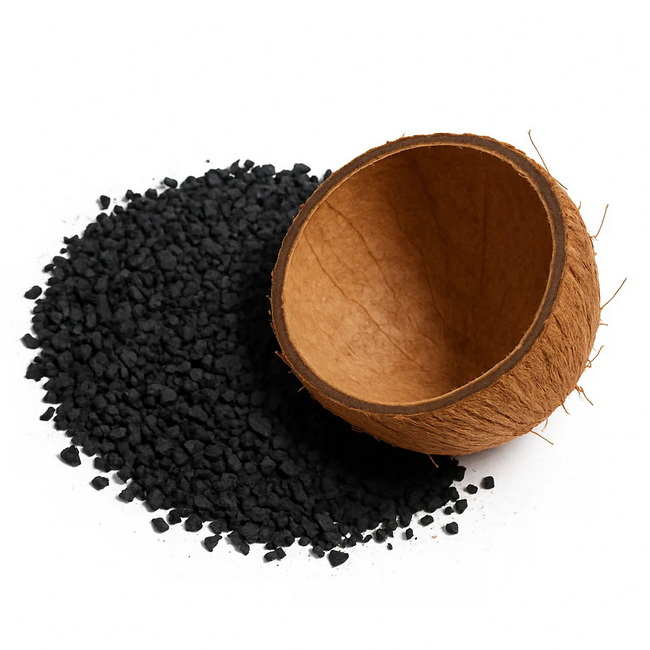
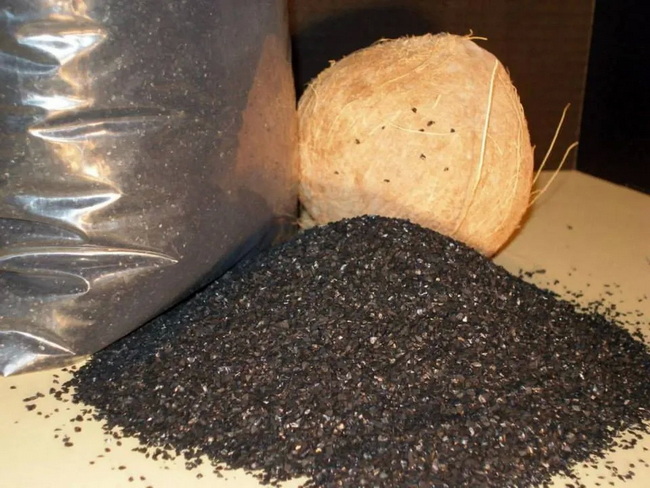
Vietnam's coconut shell–based activated carbon industry has grown rapidly on the back of abundant local coconut resources and rising global demand for sustainable filtration media. Buyers from North America, Europe, and Asia increasingly specify coconut shell activated carbon due to its high micro‑porosity, strong adsorption capacity, and renewable origin. [puragen]
From a practical standpoint, this means:
- Higher adsorption efficiency in both liquid and gas phase applications. [haycarb]
- Longer service life and better hardness compared with many coal‑based carbons in comparable applications. [sciencedirect]
- Better alignment with ESG and environmental compliance targets for end users. [linkedin]
In sectors such as municipal water treatment, food and beverage, pharmaceuticals, and air purification, Vietnam‑origin coconut shell activated carbon has shifted from a low‑cost alternative to a strategic, high‑performance material. [taiwannews.com]
How This Supplier Ranking and Review‑Style Guide Was Built
To write a useful buyer‑oriented ranking, we combined multiple perspectives rather than relying only on catalogue data. The approach focuses on real buyer experience, expert evaluation, and transparent criteria. [taiwannews.com]
Core inputs used:
- Publicly available market research and industry reports on Vietnam's activated carbon sector. [linkedin]
- Application notes and technical articles from leading industry players in air and gas, water, and industrial processing. [haycarb]
- Company information and export profiles from manufacturers in China and Vietnam, including Guangdong Tongke Activated Carbon Co., Ltd. [tkcarbon.en.made-in-china]
Key evaluation dimensions:
1. Product performance (iodine value, pore structure, hardness, ash content, real‑world behavior).
2. Consistency and quality control across batches and shipments.
3. Delivery reliability and logistics for global buyers.
4. Technical support and communication quality.
5. ESG and regulatory readiness for high‑standard markets.
This guide is written from a hybrid angle: part industry consultant viewpoint, part experienced buyer perspective, so that procurement teams can quickly filter which types of suppliers match their project needs.
What Real Buyers Care About Most in Vietnam Coconut Shell Activated Carbon
In actual RFQs and tender evaluations, buyers rarely choose purely on price. The most experienced procurement managers focus on a cluster of value drivers.
1. Real‑World Product Performance
In applications such as drinking water, wastewater polishing, and biogas purification, the effective adsorption capacity over time matters more than a single iodine value on a COA. Buyers pay attention to: [puragen]
- Stability of key parameters (iodine value, methylene blue, moisture, ash) across multiple shipments.
- Mechanical strength and attrition, which directly affect pressure drop, dust levels, and backwash behavior. [sciencedirect]
- Actual service life before breakthrough, often measured in operating days or volume treated per kilogram. [haycarb]
2. Delivery Reliability and Peak‑Season Performance
Because Vietnam is a major export base, port congestion and peak‑season capacity constraints can impact lead times. Buyers repeatedly highlight: [taiwannews.com]
- Ability to keep FOB lead times stable during peak demand.
- Clear communication about production slots, vessel schedules, and container loading plans.
- Backup options (for example, cooperation with Chinese partners) to avoid line stoppages.
3. Technical Communication and After‑Sales Support
Many mid‑sized buyers lack internal carbon experts and rely heavily on supplier support during selection and troubleshooting. The most appreciated suppliers: [puragen]
- Provide pre‑sales application review instead of simply quoting a generic grade.
- Support root‑cause analysis when performance issues occur.
- Offer suggestions on bed depth, empty bed contact time (EBCT), and regeneration or replacement intervals.
Vietnam Coconut Shell Activated Carbon Supplier Ranking: Types of Players
Rather than listing only brand names, it is more useful to classify suppliers by their strength profile, then give representative examples. This helps buyers match the right partner to each project. [linkedin]
Snapshot of Leading Supplier Types in Vietnam and the Region
| Supplier type | Example companies | Core strengths | Best‑fit buyers |
| Application‑driven Chinese manufacturers collaborating with Vietnam | Guangdong Tongke Activated Carbon Co., Ltd. and similar firms | Broad product portfolio (coal, wood, coconut), deep application know‑how, flexible customization, stable export experience | Buyers wanting both Vietnam origin material and wider technical support |
| Vietnam‑based integrated producers | Suneeta Carbons (Vietnam footprint), local coconut‑shell specialists | Strong local raw material access, competitive cost base, large volumes for water and gold recovery | Municipal water plants, mining, bulk industrial users |
| Global activated carbon majors with Vietnam sourcing | Jacobi Carbons, Haycarb, Kuraray, etc. | Advanced R&D, global QA, multi‑country sourcing, strong documentation | High‑spec applications, pharma, food & beverage, multinationals |
Sources highlight that global leaders such as Jacobi Carbons, Haycarb, Kuraray, and others dominate high‑end segments, while Vietnam‑based producers and regional experts cover a wide range of volume and mid‑tier needs. [haycarb]
Representative Vietnam and Regional Coconut Activated Carbon Suppliers
> Note: Company examples here are illustrative and based on publicly available information; buyers should always perform their own due diligence.
Vietnam‑Focused Producer – Example: Suneeta Carbons (Vietnam Footprint)
Suneeta Carbons is presented as a major producer and exporter with a strong presence in Vietnam, supplying coal‑, wood‑, and coconut shell‑based activated carbons for applications such as water treatment, oil refining, and gold recovery. With over 45 years of industry experience, it stresses quality and reliability, and offers multiple physical forms including granular, pelletized, and powdered carbon. [suneetacarbons]
From a buyer's perspective, this type of supplier is attractive when:
- Large volumes for standard water and gold grades are required.
- A combination of Vietnam supply and broader regional capacity is valuable for risk diversification.
- Pricing and long‑term availability are more critical than extreme customization.
Global Specialists – Haycarb and Similar Majors
Haycarb and other global players invest heavily in application R&D, especially in air and gas purification, where coconut shell activated carbon's micro‑porous structure provides superior removal of VOCs and toxic gases. Their materials are often used in: [haycarb]
- Solvent recovery units and VOC abatement systems.
- Natural gas and biogas purification, particularly for hydrogen sulfide removal. [haycarb]
- High‑end industrial and environmental protection projects with tight emission limits.
For buyers in regulated markets, these suppliers provide:
- Extensive product documentation and regulatory support.
- Proven case histories across multiple countries.
- Integration with global technical teams and field engineers. [haycarb]
How Guangdong Tongke Activated Carbon Co., Ltd. Supports Vietnam‑Oriented Buyers
Although based in China, Guangdong Tongke Activated Carbon Co., Ltd. (Tongke) is a relevant partner for buyers exploring Vietnam coconut shell activated carbon because it combines multi‑base manufacturing in China with a very broad product range and export experience. [tongkeac]
Company Profile and Production Strength
Tongke is an integrated manufacturer of activated carbon, with facilities in Guangdong and subsidiaries in several Chinese provinces. The company's portfolio includes: [tkcarbon.en.made-in-china]
- Coconut shell activated carbon, wood‑based carbon, coal‑based carbon, honeycomb carbon, and fruit shell carbons. [tkcarbon.en.made-in-china]
- Powdered, granular, and pelletized forms, as well as specialized grades for desulfurization, denitrification, and solvent recovery. [global.chinese-activatedcarbon]
- Products used in water treatment, air purification, decolorization, food processing, and power industry applications. [global.chinese-activatedcarbon]
This mix allows Tongke to design application‑specific solutions and, where appropriate, incorporate Vietnam origin or Vietnam‑competitive products into a wider supply strategy.
Application‑Driven Technical Support
From an expert buyer's view, the advantage of working with a company like Tongke lies less in single grades and more in holistic application support. Typical value‑added services include: [tongkeac]
- Reviewing raw water or gas composition and recommending appropriate iodine range, particle size, and hardness for the coconut shell carbon.
- Providing technical suggestions on bed design, EBCT, and regeneration or replacement frequency based on similar projects.
- Offering trial quantities and pilot‑scale support, then scaling to full‑size deliveries once performance is validated.
In complex projects—such as combined air and water treatment systems in chemical or pharmaceutical plants—this kind of integrated support reduces the risk of mis‑specification and unplanned downtime. [puragen]
How to Select the Right Vietnam Coconut Shell Activated Carbon Supplier
This section adds an actionable framework for buyers, filling a common gap in generic supplier lists.
Step‑by‑Step Supplier Selection Checklist
1. Define your critical performance metrics
- For water: target contaminants, required removal efficiency, permissible pressure drop.
- For gas: VOC types, sulfur compounds, operating temperature and humidity. [puragen]
2. Screen supplier type and expertise
- Volume‑driven, price‑competitive Vietnam producers for large, standard projects. [suneetacarbons]
- Global majors for highly regulated, mission‑critical lines. [taiwannews.com]
- Application‑driven partners such as Tongke for integrated, multi‑media or multi‑stage systems. [global.chinese-activatedcarbon]
3. Request and compare technical data
- Iodine value, methylene blue, hardness, ash, moisture, and typical pore size distribution. [sciencedirect]
- Standard COA, plus any third‑party test reports relevant to drinking water or food contact.
4. Run pilot tests and validate in real conditions
- Start with a limited volume and monitor breakthrough curve, pressure drop, and mechanical stability.
- Collect data over time—this provides far more insight than one‑time lab tests.
5. Evaluate long‑term support and flexibility
- Check communication quality, responsiveness, and problem‑solving attitude.
- Ensure the supplier has contingency plans for raw material or logistics disruptions. [linkedin]
Common Pitfalls and How to Avoid Them
- Choosing purely on iodine value or price: High iodine does not always equal better performance if pore structure is mismatched to the target contaminants. [sciencedirect]
- Ignoring mechanical strength: Poor hardness leads to fines and dust, increasing pressure drop and shortening bed life. [sciencedirect]
- Underestimating logistics risk: Port congestion or limited export capacity can disrupt just‑in‑time operations; dual‑sourcing with Chinese partners can mitigate this. [taiwannews.com]
Case 1 – Transition from Coal‑Based to Vietnam Coconut Shell Carbon in Water Treatment
A mid‑sized industrial park in Southeast Asia upgraded from coal‑based granular activated carbon to Vietnam coconut shell–based carbon to improve taste and odor removal and extend filter run times. After pilot trials, operators reported: [linkedin]
- Clearer, more stable effluent quality.
- Reduced carbon replacement frequency, lowering overall lifecycle cost.
- Smoother backwash behavior due to higher mechanical strength. [sciencedirect]
Case 2 – Supporting a Biogas Plant with Air and Gas Treatment Expertise
A biogas power plant needing to control hydrogen sulfide and other acid gases adopted coconut shell activated carbon recommended in an industry application note. Working with a supplier that understood both gas purification and adsorption mechanics, the plant achieved: [haycarb]
- Improved engine protection and reduced corrosion.
- More predictable changeout intervals for the carbon beds.
- Better compliance with emission requirements. [haycarb]
Conclusion and Call to Action
Vietnam coconut shell activated carbon has evolved into a high‑value, high‑performance filtration material backed by a growing ecosystem of local producers and global technology partners. For buyers, the real advantage comes when you combine competitive Vietnam sourcing with deep application expertise and diversified supply, as offered by companies like Guangdong Tongke Activated Carbon Co., Ltd. [tongkeac]
If you are planning a new water, air, gas, or process filtration project—or benchmarking your current carbon supplier—you can:
- Use the selection checklist above to structure your internal evaluation.
- Shortlist 2–3 suppliers across different types (Vietnam‑based, global majors, and application‑driven partners).
- Reach out to Tongke's technical team to discuss your project data, request tailored grade recommendations, and arrange sample testing. [tkcarbon.en.made-in-china]
A focused technical conversation, supported by real operating data, is often the fastest path to a lower total cost of ownership and more reliable system performance.
Contact us to get more information!
Frequently Asked Questions (FAQ)
1. Why is coconut shell activated carbon preferred over coal‑based carbon in many applications?
Coconut shell activated carbon has a more micro‑porous structure, which provides higher surface area and better adsorption of small molecules commonly found in drinking water and air purification. It also typically offers higher hardness and lower dust, improving bed stability and reducing pressure drop. [sciencedirect]
2. Is Vietnam coconut shell activated carbon suitable for drinking water applications?
Yes, Vietnam coconut shell activated carbon is widely used in drinking water treatment, provided that the grade is designed for potable water and supported by appropriate quality and regulatory documentation. Buyers should request COAs and, where needed, third‑party testing to confirm suitability for local standards. [linkedin]
3. How can I evaluate if a supplier's carbon will work in my existing system?
The most reliable method is to run a pilot test using your actual water or gas stream and operating conditions. Monitor key indicators such as breakthrough, pressure drop, and service life, then compare the results with current media to assess potential benefits. [sciencedirect]
4. What role does a company like Guangdong Tongke Activated Carbon play if my main goal is to buy Vietnam origin carbon?
An application‑driven manufacturer such as Tongke can:
- Help define the correct grade and specification for your project.
- Provide technical support across multiple applications (water, air, gas, food, pharma). [global.chinese-activatedcarbon]
- Offer supply chain flexibility by integrating Vietnam‑competitive products with broader activated carbon portfolios. [tongkeac]
5. How important are ESG and sustainability factors when choosing an activated carbon supplier?
ESG considerations are increasingly important, especially in projects financed by international lenders or serving regulated consumer markets. Choosing suppliers that use renewable raw materials such as coconut shells and invest in environmentally responsible production supports both regulatory compliance and corporate sustainability goals. [linkedin]
References
1. Vietnam Coconut Shell Based Activated Carbon Market Forecasts and insights. [linkedin]
2. Haycarb PLC – "Unlocking the potential of coconut shell activated carbon in air and gas treatment." [haycarb]
3. Guangdong Tongke Activated Carbon Co., Ltd. – Company introduction and product range. [tkcarbon.en.made-in-china]
4. Shanxi Carbon‑Chem Industry Co., Ltd. – Product descriptions and application fields for various activated carbons. [global.chinese-activatedcarbon]
5. Suneeta Carbons – Activated carbon products and presence in Vietnam. [suneetacarbons]
6. Scientific literature on fabrication and characterization of coconut shell activated carbon for industrial adsorption. [sciencedirect]
7. Puragen – "Understanding Coconut Shell Activated Carbon." [puragen]
8. TH Global Vietnam – Coconut shell charcoal product overview and raw material information. [thglobalvietnam]
9. Vietnam activated carbon market news and segmentation by local and international manufacturers. [taiwannews.com]


