Content Menu
● Guangdong Tongke Activated Carbon Co., Ltd. – Priority Partner for Japan
>> Product range for Japanese buyers
>> Quality, certifications, and service
>> Cooperation models for Japanese customers
● Other Key Coconut Activated Carbon Manufacturers and Suppliers Serving Japan
>> Asahicoke Industry – Acti Carbon (Japan)
>> Kuraray Group – Shirasagi and related brands (Japan)
>> International suppliers with reach into Japan
● Why Coconut Shell Activated Carbon Is Favored in Japan
>> Performance benefits
>> Sustainability and ESG considerations
● How Japanese Buyers Evaluate Coconut Activated Carbon Manufacturers and Suppliers
>> Technical and quality requirements
>> Commercial and logistical factors
>> Communication and technical support
● Application Trends for Coconut Shell Activated Carbon in Japan
>> Water and wastewater treatment
>> Air and gas purification
>> Food, beverage, and pharmaceuticals
● Practical Tips for Working with Coconut Activated Carbon Manufacturers and Suppliers
● Conclusion
● FAQ – Coconut Activated Carbon Manufacturers and Suppliers in Japan
>> 1. What should Japanese buyers focus on when selecting Coconut Activated Carbon Manufacturers and Suppliers?
>> 2. Why is coconut shell activated carbon preferred over other types in many Japanese applications?
>> 3. How does Guangdong Tongke Activated Carbon Co., Ltd. support Japanese customers?
>> 4. Can one supplier cover both water and air treatment needs in Japan?
>> 5. How can Japanese buyers build long‑term, stable relationships with Coconut Activated Carbon Manufacturers and Suppliers?
● Citations:
Coconut Activated Carbon Manufacturers and Suppliers in Japan play a vital role in safeguarding water quality, indoor air, and industrial process streams for electronics, food and beverage, chemical, and pharmaceutical companies. For Japanese buyers, partnering with reliable Coconut Activated Carbon Manufacturers and Suppliers means stable adsorption performance, strict regulatory compliance, and optimized lifecycle costs in demanding applications.
As sourcing strategies become more global, many Japanese users combine domestic producers with overseas Coconut Activated Carbon Manufacturers and Suppliers that can offer large capacity, competitive pricing, and customized grades. This article highlights a featured Chinese partner—Guangdong Tongke Activated Carbon Co., Ltd.—followed by other important coconut‑based suppliers serving the Japanese market, and then explains key selection criteria, application trends, and practical FAQs.
Guangdong Tongke Activated Carbon Co., Ltd. – Priority Partner for Japan
Guangdong Tongke Activated Carbon Co., Ltd. is a professional manufacturer integrating scientific research, development, production, and sales of activated carbon, including a full range of coconut shell activated carbon products. Located in Dongguan, Guangdong Province, the company also operates subsidiaries in Shandong, Sichuan, and Hunan, which helps secure stable capacity and flexible logistics for overseas markets such as Japan.
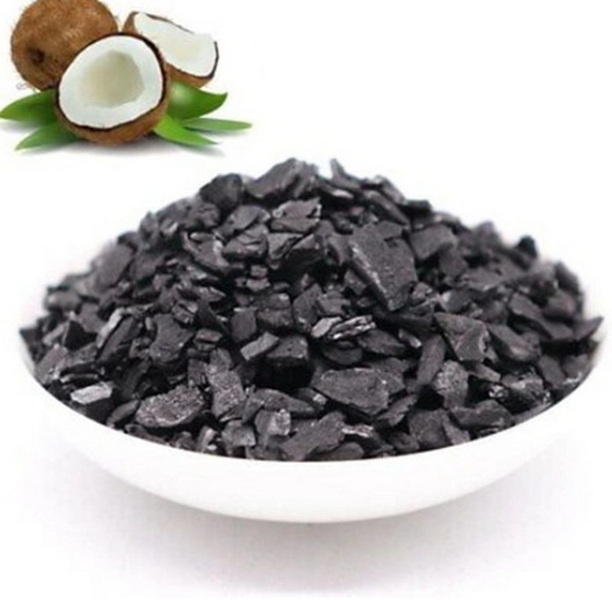
Tongke's product categories cover coconut shell activated carbon, coal‑based carbon, wood‑based carbon, honeycomb activated carbon, fruit and nut shell activated carbon, activated carbon fiber, and anthracite filter media. Its coconut shell activated carbon is widely used in water treatment, air and gas purification, decolorization, food and beverage processing, solvent recovery, and power industry applications such as thermoelectric and nuclear power plants.
Product range for Japanese buyers
For buyers that need Coconut Activated Carbon Manufacturers and Suppliers capable of serving multiple lines and plants, Tongke offers coconut shell products in several forms:
- Granular activated carbon (GAC) from fine mesh up to larger particle sizes for municipal and industrial water filtration.
- Powdered activated carbon (PAC) for process water polishing, decolorization, and emergency treatment of taste and odor issues.
- Pelletized and extruded coconut shell activated carbon for gas‑phase applications such as VOC control, solvent recovery, and odor treatment.
- Honeycomb and shaped carbons that provide low pressure drop and easy installation in air treatment and deodorization systems.
These coconut‑based products can be tailored in terms of iodine value, CTC value, hardness, ash content, and particle size distribution to meet Japanese technical specifications. Because many Japanese standards are strict, especially in drinking water, food, and pharmaceutical applications, having Coconut Activated Carbon Manufacturers and Suppliers who can fine‑tune these parameters is a practical advantage.
Quality, certifications, and service
Tongke emphasizes stable quality management with more than 20 years of experience in activated carbon manufacturing. The company's products have obtained certifications such as NSF, KOSHER, and HALAL, which are helpful for customers in food and beverage, bottling, and pharmaceutical sectors worldwide. For Japanese projects, these certifications demonstrate that the coconut shell activated carbon is produced under internationally recognized safety and hygiene standards.
Beyond product quality, Tongke positions itself among Coconut Activated Carbon Manufacturers and Suppliers as a solution‑oriented partner rather than a simple raw‑material vendor. Its engineering and sales teams can assist buyers with:
- Selecting suitable coconut grades based on raw water, feed gas composition, and target contaminants.
- Designing or optimizing filter beds and adsorption towers to achieve desired service life and pressure drop.
- Planning replacement schedules for granular activated carbon, including options for regeneration where appropriate.
- Consolidating multiple media such as coconut shell GAC and anthracite filter media into complete filter packages.
This kind of technical support helps Japanese users reduce trial‑and‑error risks and shortens the time needed to qualify new Coconut Activated Carbon Manufacturers and Suppliers.
Cooperation models for Japanese customers
To better fit Japanese procurement practices, Guangdong Tongke Activated Carbon Co., Ltd. can work through different cooperation models:
- Direct export from China to Japanese end‑users or engineering companies that manage import procedures on their own.
- Cooperation with Japanese trading companies that act as local partners, handling customs clearance, warehousing, and local currency transactions.
- OEM or private‑label production for Japanese brands that wish to sell coconut shell activated carbon under their own names.
By combining flexible production with multiple cooperation modes, Tongke offers Japanese buyers more options than many other Coconut Activated Carbon Manufacturers and Suppliers, especially when long‑term, large‑volume projects are involved.
Other Key Coconut Activated Carbon Manufacturers and Suppliers Serving Japan
While Guangdong Tongke Activated Carbon Co., Ltd. is highlighted as a strategic export partner, Japanese buyers usually benchmark a range of Coconut Activated Carbon Manufacturers and Suppliers before creating long‑term supply frameworks. Domestic producers and regional or global brands provide important reference points for price, performance, and service.
Asahicoke Industry – Acti Carbon (Japan)
Asahicoke Industry's Acti Carbon brand is a well‑known Japanese producer of activated carbon, supplying coconut shell, wood, and coal‑based carbons in powdered, granular, molded, and specialty forms. Its activated carbon is used in water purification plants, wastewater treatment, sewage plants, garbage incineration facilities, and factory exhaust treatment, including dioxin removal.
Under an ISO 9001‑based quality management system, Asahicoke offers various coconut shell and other activated carbons that are washed, pH‑adjusted, or chemically treated to meet different process requirements. For powdered activated carbon for water supply, the company has obtained Japan Water Works Association (JWWA) certification, which is crucial for municipal projects. As one of the major domestic Coconut Activated Carbon Manufacturers and Suppliers, Asahicoke also provides technical advice, equipment improvement, and coordination of regeneration and replacement work for granular carbon beds.
Kuraray Group – Shirasagi and related brands (Japan)
Kuraray, a diversified Japanese chemical and materials company, produces high‑performance activated carbons under brands such as Shirasagi and Kuraray Coal. These include steam‑activated carbons made from coconut shells and other raw materials in powdered, granular, pelletized, and spherical forms. Kuraray's products are used in high‑purity water for electronics, pharmaceutical manufacturing, chemical processing, and solvent or gas purification systems.
Thanks to advanced pore‑structure control and strong R&D capability, Kuraray is frequently mentioned among global Coconut Activated Carbon Manufacturers and Suppliers. Japanese buyers often turn to Kuraray when they need specialty carbons with consistent ultra‑high surface area, tight particle size distribution, and extremely low impurity levels for sensitive applications.
International suppliers with reach into Japan
Although Japan has strong domestic production, importers and trading houses also source from international Coconut Activated Carbon Manufacturers and Suppliers, particularly for coconut shell‑based products. A few examples include:
- Philippine‑Japan Active Carbon Corp. (PJAC), part of a larger group supplying granular coconut shell activated carbon with high adsorption capacity, high hardness, low ash content, and recognized certifications such as ISO 9001 and NSF for drinking‑water contact.
- Global players like Jacobi Carbons, Calgon Carbon, and several Sri‑Lanka‑based producers, which provide coconut shell activated carbon for water, air, and process applications around the world.
For Japanese buyers, these brands and their local distributors function as alternative Coconut Activated Carbon Manufacturers and Suppliers during benchmarking or when specific niche grades are required.
Why Coconut Shell Activated Carbon Is Favored in Japan
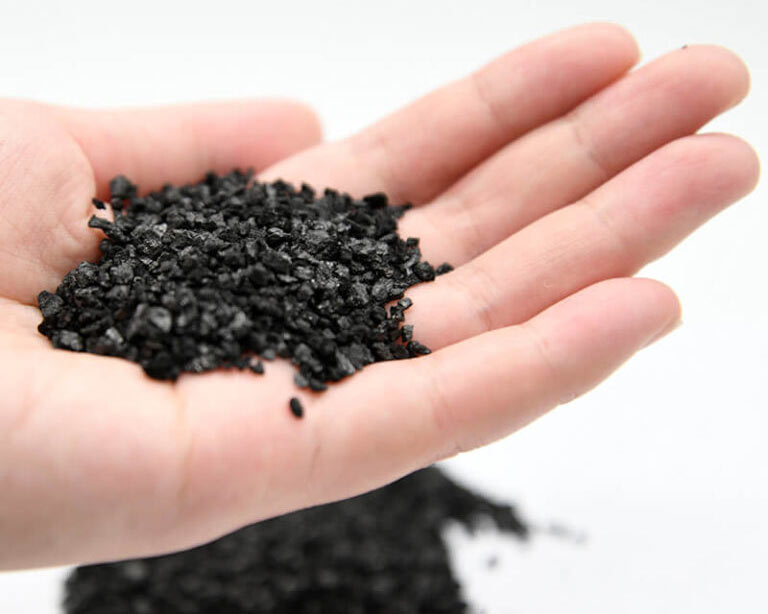
Coconut shell activated carbon has several intrinsic advantages that make it popular among Japanese users compared with some coal‑ or wood‑based carbons. The combination of physical hardness, pore structure, and sustainability is especially attractive.
Performance benefits
Coconut shell activated carbon typically exhibits high hardness and low dust generation, which helps reduce fines in filters and lowers the risk of pressure‑drop increase or valve clogging. Its microporous structure is particularly effective for removing small organic molecules, chlorine, trihalomethanes, disinfection by‑products, and many volatile organic compounds from water and gas streams.
In high‑purity applications such as semiconductor water, pharmaceuticals, and fine chemicals, coconut‑based products often deliver lower ash and lower metal content than many general‑purpose coal‑based carbons. This helps maintain product purity and reduces contamination risks, which is one reason Coconut Activated Carbon Manufacturers and Suppliers emphasize coconut grades in their product lineups for Japan.
Sustainability and ESG considerations
Coconut shells are an agricultural by‑product, and using them as raw material for activated carbon supports resource efficiency and waste reduction. For Japanese companies focused on ESG goals and environmental certifications, sourcing from Coconut Activated Carbon Manufacturers and Suppliers that rely on renewable coconut materials supports sustainability claims.
Additionally, the long service life and regenerability of high‑quality coconut shell activated carbon further improve its environmental and lifecycle cost profile. Many Coconut Activated Carbon Manufacturers and Suppliers now promote regeneration programs to reduce waste and total cost of ownership. This fits well with Japan's emphasis on circular economy and responsible resource use.
How Japanese Buyers Evaluate Coconut Activated Carbon Manufacturers and Suppliers
When Japanese procurement teams evaluate Coconut Activated Carbon Manufacturers and Suppliers, they follow a structured approach that covers technical performance, quality assurance, compliance, logistics, and communication. Understanding these criteria will help suppliers position themselves more effectively in the Japanese market.
Technical and quality requirements
Japanese buyers expect Coconut Activated Carbon Manufacturers and Suppliers to present clear technical documentation, including:
- Detailed product specifications: iodine value, surface area, pore volume, hardness, ash content, moisture, pH, and apparent density.
- Application recommendations: guidelines describing which coconut grades are suitable for drinking water, beverage production, wastewater, air purification, solvent recovery, or gas‑phase odor control.
- Testing and analysis capabilities: demonstration of in‑house labs or third‑party test reports for key parameters, as well as support for trial runs and sample evaluation.
Certifications such as ISO 9001, NSF, KOSHER, HALAL, and, where applicable, JWWA approval are often treated as minimum entry tickets for serious long‑term collaboration. Coconut Activated Carbon Manufacturers and Suppliers that actively maintain and update these certifications send a strong signal of reliability and professionalism.
Commercial and logistical factors
In addition to technical performance, Japanese customers often pay close attention to:
- Lead times and inventory: the ability of Coconut Activated Carbon Manufacturers and Suppliers to maintain safety stock in Asia or Japan, and to ship quickly in emergencies.
- Packaging and handling: availability of multiple packaging options (small bags, big bags, drums), clear labeling, and palletization suitable for Japanese warehouses and handling equipment.
- Long‑term cost: not only unit price, but also expected bed life, regeneration options, and disposal costs for spent carbon.
Suppliers that can present total‑cost‑of‑ownership comparisons—illustrating how higher‑performance coconut grades extend service life or reduce maintenance—have an edge in negotiations. This is one of the reasons why experienced Coconut Activated Carbon Manufacturers and Suppliers increasingly provide lifecycle analysis rather than focusing solely on initial price.
Communication and technical support
Smooth communication, responsive customer service, and proactive technical support are critical aspects of working successfully with Japanese buyers. Coconut Activated Carbon Manufacturers and Suppliers that assign dedicated account managers, provide English or Japanese documentation, and respond quickly to technical questions are more likely to build trust.
Tongke, for example, emphasizes customized solutions, collaborative problem‑solving, and long‑term partnerships rather than one‑off shipments, which aligns well with the relationship‑driven procurement culture in Japan. This approach helps position the company as a key candidate among Coconut Activated Carbon Manufacturers and Suppliers for extended supply agreements.
Application Trends for Coconut Shell Activated Carbon in Japan
Demand patterns in Japan influence how Coconut Activated Carbon Manufacturers and Suppliers design and promote their product portfolios. Several key application segments are especially important.
Water and wastewater treatment
Drinking‑water plants, bottled‑water facilities, beverage manufacturers, and industrial users rely heavily on coconut shell activated carbon for removing chlorine, taste and odor compounds, organic pollutants, and micropollutants. Granular coconut shell activated carbon is widely used in fixed beds or filters, sometimes in multi‑media configurations combined with sand and anthracite.
Wastewater treatment plants and industrial effluent systems use both granular and powdered coconut shell activated carbon for polishing, color removal, and reduction of trace organic contaminants. As regulatory limits on emerging pollutants tighten, Coconut Activated Carbon Manufacturers and Suppliers are developing higher‑activity coconut grades with finer pore structures to address these needs.
Air and gas purification
In air‑treatment and gas‑phase adsorption, coconut shell activated carbon is valued for its hardness and stability under cycling conditions. Pellets, extrudates, and honeycomb structures made from coconut materials are used in:
- VOC and solvent vapor recovery systems in chemical and printing industries.
- Odor control at sewage treatment plants, garbage facilities, and industrial sites.
- Gas‑phase purification in processes that handle toxic or corrosive compounds.
Coconut Activated Carbon Manufacturers and Suppliers are also working on impregnated coconut carbons for specific gas contaminants such as acidic gases, basic gases, or mercury, which may be relevant for Japanese environmental regulations and plant safety requirements.
Food, beverage, and pharmaceuticals
Coconut shell activated carbon is frequently selected in food and beverage applications for decolorization, taste and odor improvement, and removal of trace organics. Its relatively low impurity content and strong mechanical properties make it well suited for repeated use in packed beds and column systems.
In pharmaceuticals and fine chemicals, coconut shell carbons are used for purification of intermediates, removal of residual solvents, and treatment of process water. Here, Coconut Activated Carbon Manufacturers and Suppliers compete based on consistency, traceability, and support for compliance with Good Manufacturing Practice and other regulatory frameworks.
Practical Tips for Working with Coconut Activated Carbon Manufacturers and Suppliers
For Japanese buyers and engineering teams, effective cooperation with Coconut Activated Carbon Manufacturers and Suppliers can significantly reduce risk and cost. The following practical tips can guide smoother collaboration:
- Start with detailed specifications: share raw water or gas analysis, flow rates, temperatures, and target removal efficiencies with your supplier at an early stage.
- Request representative samples: test small quantities from shortlisted Coconut Activated Carbon Manufacturers and Suppliers under real or pilot conditions to compare performance.
- Clarify regeneration and disposal options: discuss whether spent coconut shell activated carbon can be regenerated locally or overseas, and how disposal will be handled under Japanese regulations.
- Plan safety stock and buffer capacity: agree on minimum inventory levels and lead times to prevent production interruptions.
- Maintain regular communication: schedule periodic reviews with your supplier to address performance, upcoming projects, and any changes in regulations or process conditions.
Applying these practices makes it easier to integrate an overseas partner like Guangdong Tongke Activated Carbon Co., Ltd. into a long‑term sourcing strategy for Japan and helps ensure that collaboration with Coconut Activated Carbon Manufacturers and Suppliers remains stable and beneficial for both sides.
Conclusion
Coconut Activated Carbon Manufacturers and Suppliers in and around Japan form a sophisticated ecosystem that supports stringent requirements in water treatment, air and gas purification, food and beverage processing, and advanced chemical and pharmaceutical production. Domestic companies such as Asahicoke Industry and Kuraray deliver strong local technical support, while international producers extend the range of coconut shell activated carbon grades available to Japanese customers.
Within this landscape, Guangdong Tongke Activated Carbon Co., Ltd. stands out as a high‑capacity, solution‑oriented Chinese manufacturer that can provide customized coconut shell activated carbon products and integrated media packages for Japanese projects. By carefully evaluating technical specifications, certifications, logistics capability, and technical service, Japanese buyers can build long‑term relationships with Coconut Activated Carbon Manufacturers and Suppliers that deliver stable performance, compliance, and competitive total cost of ownership.
Contact us to get more information!
FAQ – Coconut Activated Carbon Manufacturers and Suppliers in Japan
1. What should Japanese buyers focus on when selecting Coconut Activated Carbon Manufacturers and Suppliers?
Japanese buyers should focus on technical performance, certifications, and long‑term reliability when selecting Coconut Activated Carbon Manufacturers and Suppliers. That means checking detailed specifications such as iodine value, hardness, ash content, and moisture, as well as verifying ISO, NSF, JWWA, or other relevant approvals. It is also important to evaluate the supplier's ability to provide application support, test data, and clear documentation in English or Japanese.
2. Why is coconut shell activated carbon preferred over other types in many Japanese applications?
Coconut shell activated carbon is often preferred because it combines high hardness with a predominantly microporous structure that is excellent for removing small organic molecules and chlorine. It usually has lower ash and lower metal content than many general‑purpose coal‑based carbons, which is critical for high‑purity water, sensitive chemical processes, and pharmaceutical production. As a renewable resource derived from agricultural by‑products, coconut shell also supports sustainability and ESG goals for Japanese companies.
3. How does Guangdong Tongke Activated Carbon Co., Ltd. support Japanese customers?
Guangdong Tongke Activated Carbon Co., Ltd. supports Japanese customers by offering a wide portfolio of coconut shell activated carbon in granular, powdered, pelletized, and honeycomb forms, along with other media such as anthracite filter materials. The company combines large production capacity with customized specifications, recognized certifications, and experience in global exports. Together with technical advice on grade selection, bed design, and replacement planning, this makes Tongke an attractive partner among Coconut Activated Carbon Manufacturers and Suppliers serving Japan.
4. Can one supplier cover both water and air treatment needs in Japan?
Yes, many leading Coconut Activated Carbon Manufacturers and Suppliers provide product lines for both water and air treatment, including coconut shell GAC for liquid‑phase filtration and pellets or honeycomb carbons for gas‑phase adsorption. Buyers should verify that the supplier offers grades specifically designed for their intended use, such as drinking water, wastewater polishing, odor control, or VOC removal. Working with one supplier that covers both areas can simplify logistics and technical coordination, especially for large industrial complexes.
5. How can Japanese buyers build long‑term, stable relationships with Coconut Activated Carbon Manufacturers and Suppliers?
Japanese buyers can build long‑term relationships with Coconut Activated Carbon Manufacturers and Suppliers by establishing clear technical and commercial expectations from the start and maintaining open communication. This includes sharing process changes, planning future demand, and jointly reviewing performance data on a regular basis. When both sides cooperate on technical optimization, regeneration strategies, and inventory planning, the result is a stable, cost‑effective supply of coconut shell activated carbon that supports long‑term plant reliability.
Citations:
1. https://www.tongkeac.com
2. https://www.tongkeac.com/aboutus.html
3. https://www.tongkeac.com/products.html
4. https://tkcarbon.en.made-in-china.com
5. https://m.made-in-china.com/company-tkcarbon/
6. https://www.asahicoke.co.jp/en/productdetail003/
7. https://www.kuraray.com/global-en/products/activated-carbon/
8. https://www.kowa.eu/activated-carbon/
9. https://www.tongkeac.com/top-coconut-shell-activated-carbon-manufacturers-and-suppliers-in-japan.html


