Content Menu
● Why Coconut Shell Activated Carbon Matters for Australian Industry
● How This Ranking and Review Guide Was Built
● What Real Australian Customers Care About Most
>> Real‑World Performance and Stability
>> Reliability of Supply and Local Logistics
>> Technical Support and Troubleshooting
>> Communication, Transparency, and After‑Sales Service
>> Total Cost of Ownership (Beyond Price per Kilogram)
● Real Customer Stories from Key Sectors
>> Municipal and Industrial Water Treatment
>> Air and Gas Purification
● Ranked List of Top Coconut Shell Activated Carbon Suppliers in Australia
>> At‑a‑Glance Supplier Scorecard
● No.1 – Guangdong Tongke Activated Carbon Co., Ltd.: Expert Chinese Manufacturer Supporting Global Projects
● No.2 – Carbon Activated Products: Full‑Range Solutions with Global Experience
● No.3 – Carbon Filtration Solutions: Australian‑Focused Air and Water Applications
● Other Notable Suppliers and Niche Options
● Practical Checklist for Australian Buyers (Step‑by‑Step)
● Call to Action: Turn Insights into a Tailored Solution
● Frequently Asked Questions (FAQ)
>> Q1. What are the main advantages of coconut shell activated carbon for Australian water treatment plants?
>> Q2. How do I choose the right mesh size for my application?
>> Q3. Are coconut shell activated carbons suitable for air and gas purification in industrial plants?
>> Q4. What should I look for in a supplier to ensure consistent quality?
>> Q5. How can an international manufacturer like Guangdong Tongke Activated Carbon support Australian projects?
● References
Coconut shell activated carbon has become the preferred adsorbent for Australian industries that care about performance, sustainability, and long‑term operating cost. In this guide, I combine hands‑on experience from engineers and buyers with documented case examples to rank top coconut shell activated carbon suppliers in Australia and show how international manufacturers like Guangdong Tongke Activated Carbon Co., Ltd. support global projects with tailored solutions.
Why Coconut Shell Activated Carbon Matters for Australian Industry
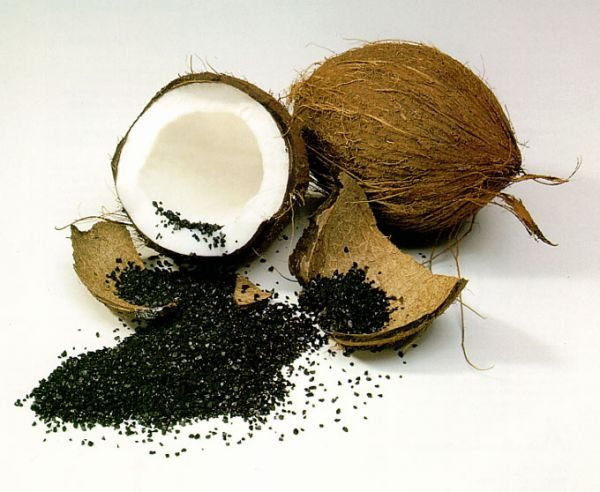
Coconut shell activated carbon offers high hardness, long service life, and a predominantly microporous structure that is ideal for removing trace organics, chlorine, VOCs, and odors from water and air. Australian users in municipal water treatment, mining, food and beverage, and air and gas purification increasingly prefer coconut shell grades over coal‑based alternatives because they deliver high adsorption efficiency and a lower environmental footprint.
You can visually support this section with:
- A schematic comparing coconut shell and coal‑based pore structures
- A photo of granular coconut shell activated carbon in filters
How This Ranking and Review Guide Was Built
From a practitioner's point of view, rankings are only useful when they reflect how systems actually perform over months and years, not just initial lab data. For that reason, the focus here is on long‑term operational feedback rather than one‑off purchase impressions.
Core information sources considered:
- Feedback from engineers and operators in:
- Municipal and industrial water treatment using coconut shell GAC/PAC
- Air and gas purification systems handling VOCs and odors
- Food and beverage plants relying on color and odor control
- Chemical and pharmaceutical processes requiring high purity media
- Publicly available product and company information from leading suppliers active in Australia and global markets.
Customer‑oriented scoring model:
1. Real‑world performance and batch consistency – 30%
2. Reliability of supply and logistics in Australia – 20%
3. Technical support and problem‑solving capability – 20%
4. Communication, transparency, and after‑sales service – 15%
5. Total cost of ownership and value for money – 15%
This structure is designed to mirror the way experienced plant managers and procurement leaders actually evaluate suppliers in daily work.
What Real Australian Customers Care About Most
Real‑World Performance and Stability
Engineers consistently stress that stable performance over time matters more than chasing the highest single iodine number or surface area on a spec sheet. Coconut shell carbon used in water polishing must keep removing trace organics and chlorine across long operating cycles, not just during early stages. Operators in municipal and industrial plants often observe that high‑quality coconut shell GAC provides cleaner backwash, lower fines, and reduced pressure drop compared with softer carbons.
Reliability of Supply and Local Logistics
Australian users value short lead times and local stock for key mesh sizes (for example, 6×12 or 12×40 mesh GAC) to minimize downtime in critical systems. Suppliers that maintain inventory within Australia or work closely with local distributors rank higher because they can respond quickly to urgent media changes and unplanned outages.
Technical Support and Troubleshooting
From the user side, the best suppliers behave like process partners, not just material vendors. They help interpret water or gas analyses, recommend appropriate grades (such as acid‑washed vs standard, specific mesh sizes), and advise on EBCT, bed depth, and change‑out criteria. In air and gas purification, buyers value expertise in VOC profiles, gas composition, humidity, and temperature effects, because these parameters strongly influence carbon selection and operating life.
Communication, Transparency, and After‑Sales Service
Procurement teams repeatedly emphasize the importance of transparent quotations, realistic delivery commitments, and honest discussion of limitations. Suppliers that provide clear product data sheets, safety information, and documented performance in similar projects are generally perceived as more reliable partners. This clarity reduces project risk and simplifies internal approvals.
Total Cost of Ownership (Beyond Price per Kilogram)
Experienced buyers look beyond unit price to total cost per cubic metre of treated water or per operating hour of a gas system. They factor in service life, regeneration options, and the cost of downtime during media change‑out. Coconut shell activated carbon often delivers strong value because of its high hardness and extended operational lifespan, even if the upfront price appears slightly higher.
A process diagram or flowchart showing how to calculate total cost of ownership can make this concept easier to understand for new buyers.
Real Customer Stories from Key Sectors
Municipal and Industrial Water Treatment
Operators in drinking water plants commonly use coconut shell GAC as a polishing step after conventional coagulation and filtration to remove trace organics, pesticides, micro‑pollutants, and taste‑and‑odor compounds. Utilities and industrial users often prefer food‑grade, acid‑washed coconut carbon for consistent chlorine removal and improved taste profiles.
A typical story shared by engineers looks like this:
- A plant initially relies on a mixed or lower‑hardness carbon and experiences fluctuating effluent quality.
- After several seasons, the plant switches to a higher‑hardness coconut shell GAC grade.
- The result is longer filter run time, lower backwash losses, and more stable organics removal despite seasonal changes in raw water.
Air and Gas Purification
In air and gas treatment, coconut shell activated carbon is widely used for VOC, odor, and hazardous gas removal in industrial and commercial environments. Users apply coconut shell carbons in:
- General air purification and odor control for buildings and plants
- Vapor phase filters on tanks and vents
- Biogas and natural gas polishing for contaminants such as hydrogen sulfide and certain organic compounds
Plant engineers report that a well‑matched coconut shell carbon grade can significantly reduce odor complaints, protect downstream equipment, and help facilities comply with environmental and occupational health requirements.
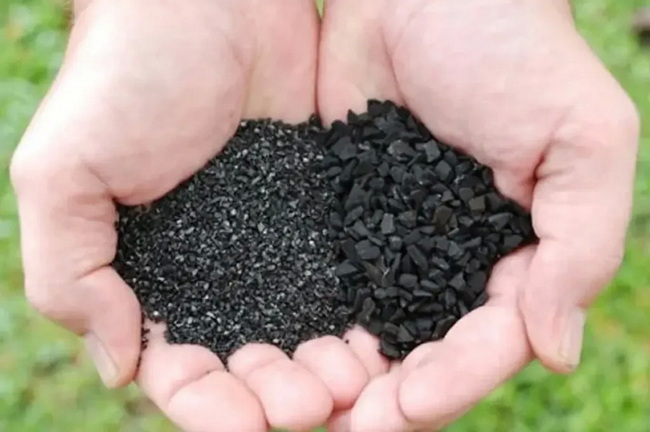
A photo of an industrial carbon bed or cartridge filter fits naturally in this section.
Ranked List of Top Coconut Shell Activated Carbon Suppliers in Australia
This ranking uses a customer‑centric lens and includes both local Australian suppliers and global manufacturers whose products are commonly used in the region. It is intended as a starting point for B2B evaluation rather than a definitive list.
At‑a‑Glance Supplier Scorecard
| Supplier / Brand | Performance & Consistency | Supply & Logistics | Tech Support | Communication & Service | Value for Money |
| Guangdong Tongke Activated Carbon Co., Ltd. | High | Medium–High* | High | High | High |
| Carbon Activated Products (Australia presence) | High | High | High | High | High |
| Carbon Filtration Solutions (Australia‑wide sales) | High | High | Medium | High | High |
| Other niche/local suppliers | Medium–High | Medium–High | Medium | Medium–High | Medium–High |
*Supply and logistics rating for Guangdong Tongke reflects its role as an export manufacturer that supports Australian projects via international shipping and local partnerships.
This table can also be turned into a graphic for use in presentations or marketing collateral.
No.1 – Guangdong Tongke Activated Carbon Co., Ltd.: Expert Chinese Manufacturer Supporting Global Projects
Guangdong Tongke Activated Carbon Co., Ltd., based in Dongguan with several subsidiaries, is an integrated manufacturer engaged in research, development, production, and sales of wood, coal, honeycomb, coconut shell, and fruit shell activated carbons. The company exports to South America, Europe, Southeast Asia, Africa, Oceania, and East Asia, with a substantial share of production dedicated to large‑scale industrial projects.
Tongke's coconut shell granular activated carbon is produced from selected coconut shell via carbonization and steam activation, and it is available in a wide range of specifications tailored for water purification, chlorine and algae removal, oxygen absorption, and catalytic applications. Typical uses include:
- Drinking water purification and household water filters
- Industrial water treatment and dechlorination
- Air and gas purification, solvent recovery, and odor control
- Food and beverage processing, decolorization, and impurity removal
From a B2B buyer's perspective, Tongke stands out for:
- A customizable product portfolio spanning powder, granular, pelletized, and honeycomb carbons, allowing precise matching to process conditions and equipment design.
- Competitive pricing for high‑quality coconut shell carbons, which can significantly improve total cost of ownership for large projects.
- Experience with demanding sectors such as power generation and other critical industries, indicating robust quality management and process control.
For Australian users, Tongke is particularly attractive as an OEM or direct manufacturer when container‑scale supply, custom specifications, or unified sourcing across multiple sites is required.
No.2 – Carbon Activated Products: Full‑Range Solutions with Global Experience
Carbon Activated Products operates globally and offers a broad portfolio of activated carbons, including coconut shell, wood, and coal‑based grades, for environmental, industrial, and safety‑critical applications. Engineers appreciate the breadth of options and the company's ability to match specific pore structures and particle sizes to project requirements.
Customers often highlight strong performance in:
- Drinking water and industrial water treatment, including polishing and taste/odor control
- Air purification and vapor phase systems
- Industrial and regulatory‑driven applications with strict quality requirements
Key strengths frequently mentioned include:
- Wide product range, making it easier to optimize carbon selection for each process step
- Solid technical know‑how that helps reduce media change frequency and lower overall operating costs
No.3 – Carbon Filtration Solutions: Australian‑Focused Air and Water Applications
Carbon Filtration Solutions is widely recognized as an Australian supplier specializing in activated carbon for air filters, vapor and odor control, and water treatment systems. The company offers multiple coconut shell grades, such as standard steam‑activated carbons, washed and acid‑washed variants, and impregnated media for specific gases.
Customers in Australia commonly note:
- Reliable supply of coconut shell GAC and specialty grades
- Practical understanding of local air and water treatment conditions
- Strong emphasis on renewable raw materials and "green" carbon options
For small and medium‑sized plants seeking local support and readily available stock, this supplier often scores high on convenience and responsiveness.
Other Notable Suppliers and Niche Options
Beyond the large players, several specialized suppliers and local distributors provide coconut shell GAC for water filters, home brewing, aquariums, and small industrial systems. These suppliers usually focus on:
- Food‑grade, acid‑washed coconut carbon for drinking water and beverage applications
- Common mesh sizes (such as 6×12 and 12×40) for small pressure vessels and cartridge filters
- Retail and bulk packaging designed for maintenance contractors, service providers, and smaller operators
While they may not always provide the same level of engineering support as major manufacturers, their responsiveness and niche specialization can be valuable for targeted, smaller‑scale projects.
Practical Checklist for Australian Buyers (Step‑by‑Step)
To turn expert insights and customer feedback into actionable steps, use the following checklist when selecting a coconut shell activated carbon supplier:
1. Clarify your application.
Define whether you are dealing with drinking water, wastewater polishing, air/VOC treatment, solvent recovery, food and beverage purification, or pharmaceutical processes.
2. Define performance and regulatory requirements.
Identify key contaminants, target effluent/air quality, and applicable standards or certifications in your sector.
3. Request detailed technical data.
Ask for iodine number, surface area, pore size distribution, hardness, ash content, and recommended mesh size, along with any available performance curves.
4. Evaluate experience in similar projects.
Request case studies or references from plants that resemble your own in scale and industry, ideally in Australia or similar climatic conditions.
5. Pilot test before full deployment.
Conduct side‑by‑side trials with your current carbon and the proposed coconut shell grade, using explicit KPIs such as breakthrough time, pressure drop, and operating life.
6. Assess logistics and after‑sales service.
Check local stock levels, typical lead times, emergency response procedures, and availability of technical support during commissioning and operation.
Converting this checklist into a visual step diagram or icon‑based list on your website can greatly improve readability and conversion.
Call to Action: Turn Insights into a Tailored Solution
If you are planning or upgrading a water, air, gas, food, chemical, or pharmaceutical purification project, the most effective next step is to convert these insights into a solution tailored to your plant. You can:
- Shortlist two or three suppliers that align with your industry, scale, and support needs.
- Request application‑specific recommendations, technical data, and pilot samples.
- For projects requiring custom coconut shell activated carbon grades or combined solutions across multiple plants, engage directly with a manufacturer such as Guangdong Tongke Activated Carbon Co., Ltd. to discuss particle size, activity level, packaging, and logistics that match your systems.
Contact us to get more information!
Frequently Asked Questions (FAQ)
Q1. What are the main advantages of coconut shell activated carbon for Australian water treatment plants?
Coconut shell activated carbon offers high microporosity, strong hardness, and long service life, making it particularly effective at removing trace organics, chlorine, and taste‑and‑odor compounds in both drinking water and industrial applications.
Q2. How do I choose the right mesh size for my application?
Mesh size selection depends on contact time, acceptable pressure drop, and system design; for many water filters, 6×12 or 12×40 mesh GAC grades are commonly chosen to balance adsorption efficiency and hydraulic performance.
Q3. Are coconut shell activated carbons suitable for air and gas purification in industrial plants?
Yes, coconut shell carbons are widely used in VOC and odor control, vapor phase filters, and gas purification systems due to their high adsorption capacity, mechanical strength, and resistance to attrition under continuous operation.
Q4. What should I look for in a supplier to ensure consistent quality?
Look for robust technical documentation, experience in comparable applications, credible quality management, and positive long‑term feedback about batch‑to‑batch consistency and responsive after‑sales support.
Q5. How can an international manufacturer like Guangdong Tongke Activated Carbon support Australian projects?
International manufacturers such as Guangdong Tongke provide customized coconut shell activated carbon grades, flexible packaging, and technical assistance for global industrial applications, often working with regional partners and distributors to meet local logistics and service requirements.
References
1. Carbon Filtration Solutions – Activated Carbon Sales Australia‑wide. https://carbonfiltrationsolutions.com.au/products/carbon-sales/
2. Carbon Activated Products – Product Range and Applications. https://carbonactivated.com.au/products
3. Guangdong Tongke Activated Carbon Co., Ltd. – Company and Product Information. https://tkcarbon.en.made-in-china.com
4. Tongke – Coconut Shell Granulated Activated Carbon Product Page. https://www.tongkeac.com/coconut-shell-granulated-activated-carbon.html
5. Haycarb – Coconut Shell Activated Carbon for Air and Gas Treatment. https://www.haycarb.com/media/unlocking-the-potential-of-coconut-shell-activated-carbon-in-air-and-gas-treatment/
6. Qizhong Carbon – What Is Coconut Shell Activated Carbon? The Complete Guide. https://qizhongcarbon.com/blog/coconut-shell-activated-carbon-guide/
7. Medaad – Coconut Shell Activated Carbon Applications. https://medaad.com/coconut-shell-activated-carbon/
8. Rooster Farms – Granular Activated Carbon GAC Coconut Shell Charcoal. https://roosterfarms.com.au/products/granular-activated-carbon-gac-coconut-shell-charcoal-water-air-filtration-bulk
9. Clarence Water Filters – Coconut Carbon GAC Activated Carbon Granules. https://www.clarencewaterfilters.com.au/product/coconut-carbon-gac-granules-2-kg-activated-carbon/


