Content Menu
● Introduction: Why Sri Lanka and Global Suppliers Matter
● Guangdong Tongke Activated Carbon Co., Ltd. – A Strategic Partner for Sri Lankan Buyers
>> Product portfolio and technical strengths
>> Custom solutions and typical applications
● Overview of Sri Lanka's Activated Carbon Industry
>> Raw materials and process characteristics
● Leading Activated Carbon Manufacturers and Suppliers in Sri Lanka
>> Key players at a glance
● How to Select the Right Supplier in Sri Lanka
>> Core selection criteria
● Applications of Activated Carbon in Key Industries
>> Major application segments
● Building Long‑Term Partnerships with Activated Carbon Manufacturers and Suppliers
>> Best practices for cooperation
● Conclusion
● FAQ
>> 1: Why are Sri Lankan activated carbon manufacturers and suppliers so important globally?
>> 2: What advantages does Guangdong Tongke Activated Carbon Co., Ltd. offer to Sri Lankan buyers?
>> 3: How should a water treatment plant choose between coconut‑shell and coal‑based activated carbon?
>> 4: What certifications should reputable activated carbon manufacturers and suppliers have?
>> 5: Can buyers combine products from Sri Lankan and Chinese activated carbon suppliers in one system?
● Citations:
Activated carbon manufacturers and suppliers in Sri Lanka play a crucial role in the global purification market, especially with coconut‑shell based products that are known for high hardness and low impurities. For global buyers, partnering with reliable Activated Carbon Manufacturers and Suppliers in Sri Lanka and China—such as Guangdong Tongke Activated Carbon Co., Ltd.—ensures stable quality, competitive pricing, and long‑term technical support for water, air, food, and pharmaceutical applications.[1][2][3][4]
Introduction: Why Sri Lanka and Global Suppliers Matter
Sri Lanka is one of the world's most important hubs for coconut‑shell activated carbon, supplying a significant share of global demand with exports valued at over 100 million USD annually. At the same time, advanced Chinese Activated Carbon Manufacturers and Suppliers provide complementary capacity, product diversity, and custom formulations that strengthen international supply chains.[2][3][4][1]
In applications such as water treatment, air and gas purification, food and beverage decolorization, gold recovery, and pharmaceutical filtration, activated carbon performance depends heavily on raw material, pore structure, and process control. Buyers therefore increasingly look for partners who can offer both high‑quality coconut‑shell products from Sri Lanka and engineered coal‑, wood‑, and specialty carbons from China and other regions.[5][6][4][2]
To help global sourcing managers, this guide introduces leading Activated Carbon Manufacturers and Suppliers in and around Sri Lanka, with Guangdong Tongke Activated Carbon Co., Ltd. highlighted first as a strategic Chinese partner for Sri Lankan and global users.[6][1]
Guangdong Tongke Activated Carbon Co., Ltd. – A Strategic Partner for Sri Lankan Buyers
Guangdong Tongke Activated Carbon Co., Ltd. is a professional activated carbon manufacturer in China that integrates research, development, production, and sales, serving customers in water treatment, air purification, food processing, solvent recovery, and energy sectors. The company is headquartered in Dongguan, Guangdong, and operates multiple subsidiaries and production bases in provinces such as Shandong, Sichuan, and Hunan, giving it strong nationwide coverage and stable supply capacity.[7][4][1]
Product portfolio and technical strengths
Tongke is one of the most versatile Activated Carbon Manufacturers and Suppliers, offering a wide range of base materials and formats tailored to diverse industrial requirements.[8][1]
- Wood‑based powdered activated carbon for decolorization and purification in sugar, MSG, glycerin, pharmaceuticals, and fine chemicals.[1][8]
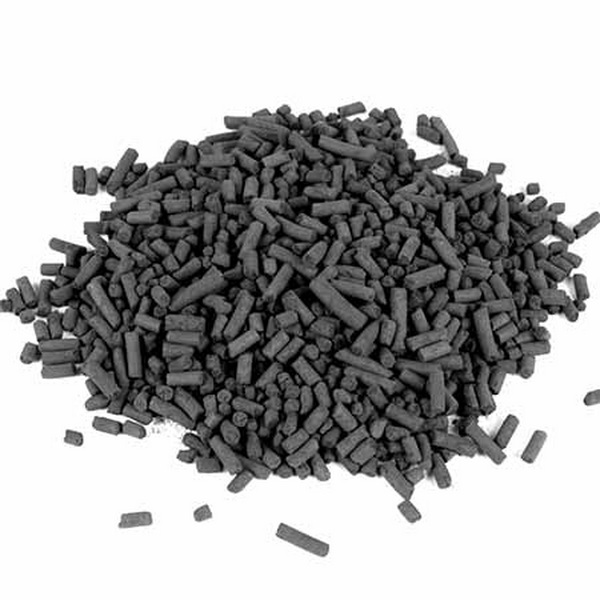
- Coal‑based granular and pellet activated carbon for drinking water plants, sewage treatment plants, industrial wastewater treatment, flue gas purification, and VOC control.[4][1]
- Coconut‑shell activated carbon and nut‑shell carbons for high‑hardness, low‑ash filtration in water, air, and gold recovery systems.[2][1]
- Honeycomb and shaped activated carbon blocks for high‑efficiency gas treatment, indoor air purification, and solvent recovery systems.[4][1]
Tongke focuses on pore‑structure design and precise activation control, delivering products with optimized surface area, pore size distribution, hardness, and low dust generation, which are critical for continuous fixed‑bed and moving‑bed systems. For global buyers working with Sri Lankan coconut‑shell activated carbon, Tongke's portfolio provides complementary coal‑ and wood‑based grades to build complete multi‑stage purification solutions.[6][1][4]
Custom solutions and typical applications
As one of the more solution‑driven Activated Carbon Manufacturers and Suppliers, Tongke supports custom specifications, including iodine number, methylene blue value, CTC activity, pH, particle size, and impurity control. Its technical team can recommend blends and grades for target applications such as:[1][4]
- Municipal and industrial water treatment (TOC removal, chlorine, pesticides, VOCs).[5][1]
- Air and gas purification (odour control, solvent recovery, flue gas polishing).[9][1]
- Food and beverage decolorization and purification (sugar, edible oils, beverages).[2][1]
- Pharmaceutical and fine chemical purification (API polishing, solvent purification).[10][1]
For Sri Lankan importers, OEM filter manufacturers, and international buyers who already source coconut‑shell grades locally, partnering with Guangdong Tongke Activated Carbon Co., Ltd. helps consolidate additional product families and secure long‑term supply at competitive lead times.[4][1]
Overview of Sri Lanka's Activated Carbon Industry
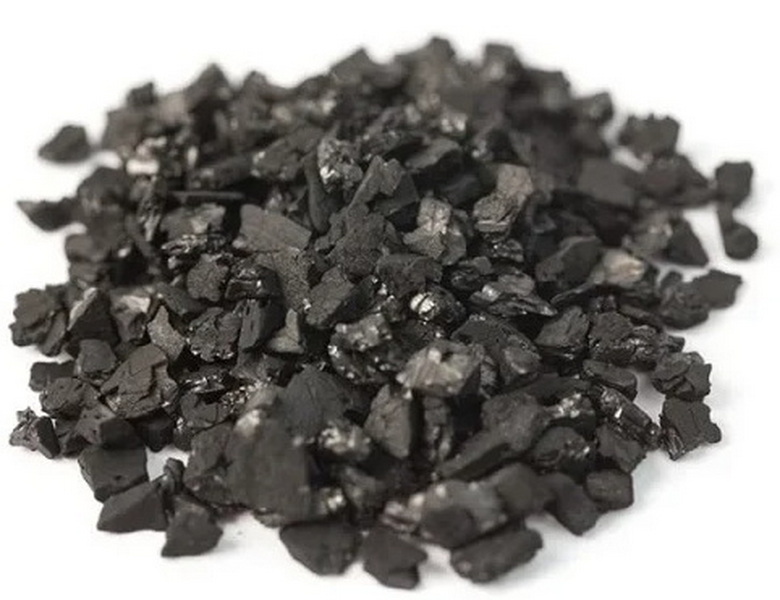
Sri Lanka is globally recognized for high‑quality coconut‑shell activated carbon, benefiting from its strong coconut industry and established expertise in charring and steam activation. Coconut‑shell activated carbon produced in Sri Lanka is prized for high density, low dust, high hardness, and very low levels of sulfur and arsenic, making it ideal for potable water, food, and sensitive industrial applications.[11][6][2]
Raw materials and process characteristics
The core raw material for most Sri Lankan Activated Carbon Manufacturers and Suppliers is coconut shell, a by‑product of coconut oil and desiccated coconut production. Shell charcoal is produced via controlled carbonization, followed by steam activation in vertical or rotary furnaces to develop micro‑ and mesoporous structures suitable for adsorption of organics, chlorine, VOCs, and odours.[11][6][2]
Some producers also experiment with rice husks, wood, and other biomass sources, but coconut shell remains the dominant base due to its high fixed‑carbon content and favourable porous structure after activation. Environmental initiatives, such as “green charcoaling” and energy‑recovery systems, help reduce emissions and improve sustainability across the Sri Lankan activated carbon value chain.[5][6][2]
Leading Activated Carbon Manufacturers and Suppliers in Sri Lanka
The following table summarizes several prominent Activated Carbon Manufacturers and Suppliers linked to Sri Lanka and related coconut‑shell industries, along with Guangdong Tongke as a key external partner for global buyers.
Key players at a glance
| Company | Location / Origin | Key Raw Material | Notable Features | Main Application Focus |
| Guangdong Tongke Activated Carbon Co., Ltd. | Dongguan, China; supplying globally | Wood, coal, coconut shell, nut shell | Full‑range R&D, multi‑base materials, custom formulations | Water, air & gas, food, chemicals, pharma, energytkcarbon.made-in-china+1 |
| Haycarb PLC | Sri Lanka (multiple plants plus Thailand, Indonesia) | Coconut shell | One of the largest coconut‑shell activated carbon producers, strong sustainability programs | Water, air, gold recovery, energy storage, specialty useshayleys+1 |
| Adam Carbons Limited | Sri Lanka (“coconut triangle”) | 100% Sri Lankan coconut shell | Vertical & horizontal furnaces, very low sulfur and arsenic, large single‑site capacity | Water, air, gas, food, industrial purificationadamcarbons+1 |
| Carbon Activated Corp Lanka | Sri Lanka (affiliate of global group) | Coconut shell, coal, wood | Part of global distribution network, offers multiple base materials | Water, air & gas, gold, food & beverageactivatedcarbon+1 |
| Western Adsorbents & Catalysts | Sri Lanka | Coal, wood, coconut shell | Tailored granular activated carbon (GAC) solutions | Water treatment, gas purification, process industrieswesternadsorbents |
| JB Carbon | Sri Lanka | Coconut shell | Range of premium coconut‑shell GAC and PAC | Water purification, industrial and environmental usesjbcarbon |
These Activated Carbon Manufacturers and Suppliers complement each other: Sri Lankan producers offer premium coconut‑shell grades, while Guangdong Tongke Activated Carbon Co., Ltd. and other global suppliers expand the material and application coverage. Together, they enable buyers to design multi‑media filtration systems combining coconut‑shell GAC, coal‑based GAC, wood‑based PAC, and structured carbons such as pellets and honeycomb blocks.[6][5][1][4]
How to Select the Right Supplier in Sri Lanka
When evaluating Activated Carbon Manufacturers and Suppliers in Sri Lanka and abroad, buyers should move beyond pricing to assess technical performance, consistency, and service capability. A structured supplier‑selection approach helps reduce trial‑and‑error costs and ensures stable long‑term operation of purification systems.[17][10][9][5]
Core selection criteria
Important criteria for choosing activated carbon partners include:
- Raw material and base type: Match coconut shell, coal, or wood bases to your application; for example, coconut shell for potable water and food, coal‑based for large‑scale wastewater or flue gas, and wood‑based PAC for decolorization.[5][2]
- Performance parameters: Check iodine number, CTC activity, methylene blue value, hardness, ash, moisture, and particle size distribution to ensure compatibility with your system design.[10][5]
- Certifications and compliance: Look for ISO quality management, food‑grade certifications, NSF/EN standards where applicable, and alignment with environmental regulations.[12][5]
- Technical support and customization: Evaluate whether the supplier can propose customized Activated Carbon Manufacturers and Suppliers solutions, including tailored pore structures, impregnation, or blends.[9][1]
For many projects, a dual‑sourcing strategy—combining a Sri Lankan coconut‑shell supplier with a Chinese partner like Guangdong Tongke Activated Carbon Co., Ltd.—balances risk, availability, and product diversity.[6][1]
Applications of Activated Carbon in Key Industries
Leading Activated Carbon Manufacturers and Suppliers in Sri Lanka and China support a wide portfolio of end‑use industries, each with specific performance and regulatory requirements. Understanding these application profiles helps buyers communicate technical needs clearly and select appropriate grades.[10][5]
Major application segments
- Water and wastewater treatment: Municipal plants, bottled‑water producers, and industrial facilities use GAC filters to remove chlorine, taste and odour compounds, pesticides, and organic micro‑pollutants. Coconut‑shell activated carbon from Sri Lanka is widely used thanks to its high surface area and mechanical strength, often complemented by coal‑based grades for cost‑effective bulk contaminant removal.[2][5][6]
- Air and gas purification: Activated carbon is used to capture VOCs, odours, and toxic gases in industrial exhaust, solvent recovery systems, and indoor air filtration units. Honeycomb and pelletized carbons supplied by companies such as Guangdong Tongke Activated Carbon Co., Ltd. offer low pressure drop and high adsorption capacity for these applications.[9][1][4][5]
- Food, beverage, and pharmaceuticals: Powdered activated carbon (PAC) grades are widely used for decolorization and purification of sugar solutions, edible oils, beverages, and pharmaceutical intermediates, requiring food‑grade quality and tight impurity control. Many Activated Carbon Manufacturers and Suppliers provide specialized steam‑activated coconut‑shell and wood‑based PAC that meet these regulatory standards.[1][10][5][2]
- Energy storage and specialty uses: High‑surface‑area carbons are increasingly used in supercapacitors, battery electrodes, and gas storage applications, fields in which advanced Sri Lankan and international suppliers are expanding their R&D efforts.[17][5]
Building Long‑Term Partnerships with Activated Carbon Manufacturers and Suppliers
For global industrial users, activated carbon is a strategic consumable rather than a one‑off purchase, making long‑term partnerships with reliable Activated Carbon Manufacturers and Suppliers essential. Stable performance, predictable regeneration or replacement cycles, and responsive technical support directly influence operating costs and regulatory compliance.[17][10][9][5]
Best practices for cooperation
To build effective partnerships with suppliers in Sri Lanka and with Guangdong Tongke Activated Carbon Co., Ltd., buyers can follow several best practices:
- Pilot testing and validation: Run bench‑scale and pilot‑scale trials with candidate carbons to validate removal efficiency, pressure drop, and service life before full‑scale implementation.[9][5]
- Technical data sharing: Provide detailed feed‑water or gas analyses, operating conditions, and system design data so suppliers can recommend optimal grades and operating parameters.[5][1]
- Framework contracts and inventory planning: Develop medium‑ to long‑term supply agreements and safety‑stock strategies to manage demand peaks and logistics lead times.[3][10]
- Continuous optimization: Work with technical teams from both Sri Lankan manufacturers and Guangdong Tongke to periodically review performance data and adjust carbon grades or operating conditions.[4][5]
This collaborative approach allows buyers to fully leverage the strengths of Sri Lankan coconut‑shell producers and advanced Chinese suppliers, creating robust, cost‑effective purification solutions for global markets.[1][5]
Conclusion
Sri Lanka's activated carbon industry has become a global reference point for high‑quality coconut‑shell products, supported by long experience, strong coconut agriculture, and growing sustainability initiatives. At the same time, international Activated Carbon Manufacturers and Suppliers such as Guangdong Tongke Activated Carbon Co., Ltd. provide complementary multi‑base materials, advanced product engineering, and custom solutions that broaden options for industrial buyers worldwide.[2][4][5][1]
For sourcing managers, OEM filter producers, and end users in water treatment, air and gas purification, food and beverage, chemical processing, and pharmaceuticals, the optimal strategy is often to combine Sri Lankan coconut‑shell suppliers with technically capable global partners. By carefully evaluating raw materials, performance parameters, certifications, technical support, and long‑term cooperation potential, companies can secure reliable, cost‑effective activated carbon solutions that protect both process performance and environmental compliance.[10][6][5]
FAQ
1: Why are Sri Lankan activated carbon manufacturers and suppliers so important globally?
Sri Lankan Activated Carbon Manufacturers and Suppliers are important because the country exports a substantial share of the world's coconut‑shell activated carbon, valued at over 100 million USD annually and covering several percent of global demand. Their products are prized for high hardness, low dust, and low levels of sulfur and arsenic, which are critical factors for drinking water, food, and sensitive industrial applications.[3][6][2]
2: What advantages does Guangdong Tongke Activated Carbon Co., Ltd. offer to Sri Lankan buyers?
Guangdong Tongke Activated Carbon Co., Ltd. offers a broad portfolio of wood‑, coal‑, coconut‑shell‑, and honeycomb‑based carbons, enabling Sri Lankan buyers to complement local coconut‑shell GAC with specialized grades for gas treatment, decolorization, and solvent recovery. As one of the more integrated Activated Carbon Manufacturers and Suppliers, it provides R&D support, customized specifications, and stable large‑scale capacity through multiple production bases in China.[7][4][1]
3: How should a water treatment plant choose between coconut‑shell and coal‑based activated carbon?
For drinking water and high‑purity applications, coconut‑shell activated carbon from Sri Lankan manufacturers and suppliers is often preferred due to its high micro‑porosity, hardness, and low impurities. Coal‑based activated carbon from companies like Guangdong Tongke Activated Carbon Co., Ltd. can be selected for large‑volume industrial wastewater treatment, where cost effectiveness and broader pore‑size distribution are advantageous.[5][1][2]
4: What certifications should reputable activated carbon manufacturers and suppliers have?
Reputable Activated Carbon Manufacturers and Suppliers typically operate under ISO‑based quality management systems and, for drinking water and food applications, may hold certifications aligned with NSF, EN, or equivalent standards. Many also demonstrate environmental compliance and sustainability through local environmental authority approvals and documented initiatives for low‑emission charcoaling and energy recovery.[12][6][5]
5: Can buyers combine products from Sri Lankan and Chinese activated carbon suppliers in one system?
Yes, many industrial users design systems that integrate coconut‑shell activated carbon from Sri Lankan manufacturers and suppliers with coal‑ or wood‑based grades from international partners such as Guangdong Tongke Activated Carbon Co., Ltd. This approach allows operators to exploit the strengths of each base material—high purity and hardness from coconut shell and broader pore structures or specialized formats from coal and wood—to optimize performance and cost.[4][1][5]
Citations:
[1](https://tkcarbon.en.made-in-china.com)
[2](https://www.srilankabusiness.com/blog/activated-carbon-sri-lanka.html)
[3](https://oec.world/en/profile/bilateral-product/activated-carbon/reporter/lka)
[4](https://www.tongkeac.com)
[5](https://www.hayleys.com/purification/)
[6](https://www.adamcarbons.com)
[7](https://www.tongkeac.com/aboutus.html)
[8](https://m.made-in-china.com/product/Wood-Powdered-Activated-Carbon-for-Bleaching-Refined-Glycerin-2071033235.html)
[9](https://westernadsorbents.com/activated-carbon-manufacturer-in-sri-lanka/)
[10](https://www.marketresearchfuture.com/reports/activated-carbon-market/companies)
[11](https://coconutcommunity.org/page-statistics/market-review/market-review-of-coconut-shell-charcoal-december-2024)
[12](https://www.haycarb.com)
[13](https://cda.gov.lk/web/images/pdf/export_perfo/2020_exporters/COCONUT_SHELL_PRODUCTS.pdf)
[14](https://activatedcarbon.com)
[15](https://carbonactivatedlanka.com)
[16](http://www.jbcarbon.com)
[17](https://www.6wresearch.com/industry-report/sri-lanka-activated-carbon-for-mercury-control-market)
[18](https://www.srilankabusiness.com/exporters-directory/coconut-product-exporters-in-sri-lanka/shell-product-manufacturers/activated-carbon-suppliers/)
[19](http://xmtkhxt.com/en/content13.aspx)
[20](https://www.jacobi.net)


