Content Menu
● Introduction: Why China for Virgin Activated Carbon
● How to Evaluate a High-Quality Virgin Activated Carbon Supplier
● Transparent Selection Criteria for This Top 10 List
● Top 10 Virgin Activated Carbon Manufacturers in China (2026)
>> 1. Guangdong Tongke Activated Carbon Co., Ltd. – Flexible OEM Partner for Industrial Applications
>> 2. Nanping Yuanli Active Carbon Company – Granular Carbon Specialist
>> 3. Gongyi Jiaxin Water Purification Materials Co., Ltd. – Value Supplier for Water Treatment
>> 4. Shandong‑Based Large-Scale Activated Carbon Producers
>> 5. Fujian and Southern China Coconut Shell Activated Carbon Producers
>> 6. Honeycomb Activated Carbon and Air Purification Specialists
>> 7. Integrated Activated Carbon Groups with Multi-Product Portfolios
>> 8. Specialty Virgin Activated Carbon Producers for Food & Pharma
>> 9. OEM/ODM-Focused Mid-Sized Factories Serving Emerging Brands
>> 10. Environmentally Focused Manufacturers with Strong ISO 14001 Systems
● Key Technical Considerations for Virgin Activated Carbon
● Comparison Table: Representative Chinese Virgin Activated Carbon Manufacturers
● Industry Pain Points and How to Avoid Common Pitfalls
● "Insider" Sourcing Tip Rarely Discussed Online
● Buyer's Guide: Verifying Factories, Samples and Logistics
>> Verifying Factory Certifications
>> Sample and Qualification Process
>> Logistics and Incoterms Considerations
● Conclusion and Practical CTA
● FAQ: Advanced Questions Procurement Managers Often Ask
● References
Introduction: Why China for Virgin Activated Carbon
China is one of the largest producers and exporters of activated carbon worldwide, supplying more than 300,000 tons of activated carbon to global markets annually, including Japan, Korea, Europe and India. Virgin activated carbon from China covers wood‑based, coal‑based, coconut shell and specialty grades for water treatment, air and gas purification, food and beverage, chemical and pharmaceutical industries. [yuanlicarbonyl]
Industrial clusters in Guangdong, Fujian, Shandong and Henan integrate raw material processing, carbonization, activation and downstream packaging, which reduces lead times and stabilizes costs for overseas buyers. For procurement managers seeking long‑term partners, China offers a wide spectrum of factory sizes—from flexible mid‑sized OEM suppliers to large-scale producers with 30,000+ tons annual capacity and global certification portfolios. [b2bdata.baidu]
How to Evaluate a High-Quality Virgin Activated Carbon Supplier
Before shortlisting any Chinese manufacturer, experienced buyers typically screen suppliers against four core dimensions: factory certification, R&D strength, QC procedures and delivery reliability. [chinamakershub]
- Factory certifications and compliance
Buyers should require at minimum ISO 9001 quality management and often ISO 14001 environmental management for virgin activated carbon used in water, air and food applications. For export to Europe or North America, suppliers must demonstrate product‑level compliance such as NSF for drinking water carbon, and RoHS/REACH for applications involving electronics or food contact materials. [chinacheckup]
- R&D and application engineering capability
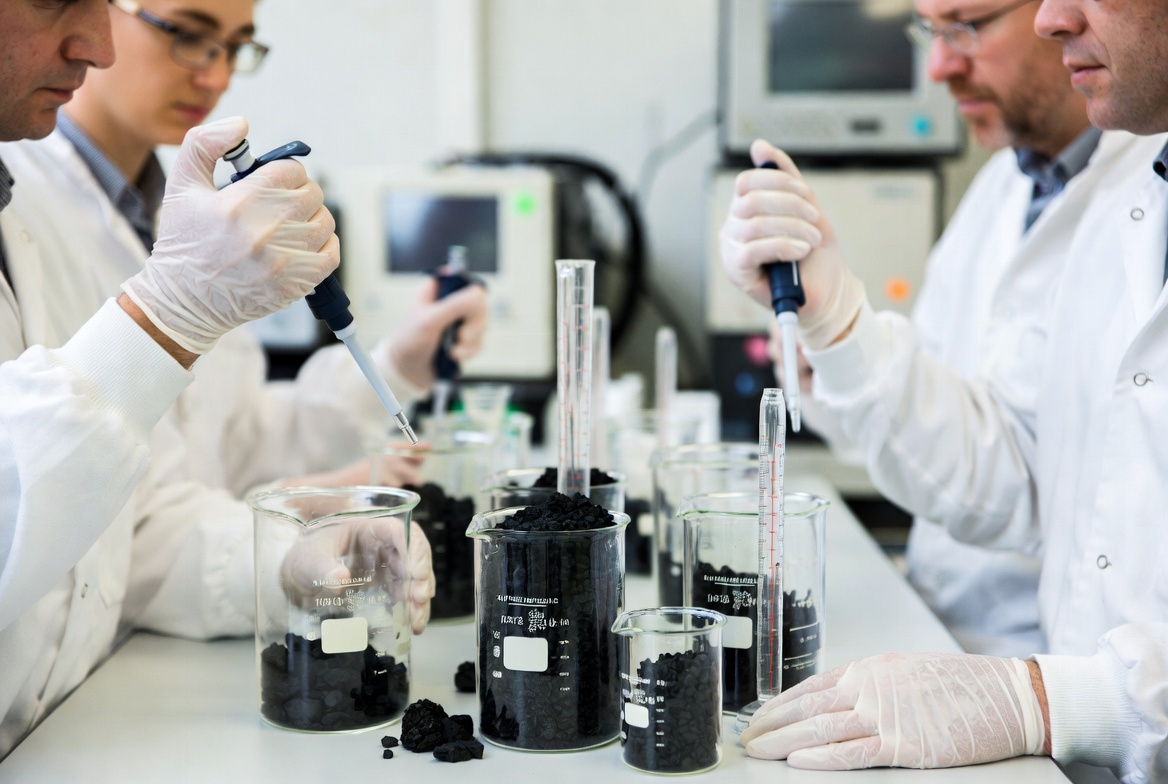
A capable factory maintains its own laboratory for iodine value, methylene blue, hardness, ash content, pH and particle size testing, and can adjust activation parameters for different feedstocks (wood, coal, coconut shell, nut shell). Procurement managers should look for evidence of formulation optimisation for specific applications, such as VOC removal, dechlorination, decolourisation or pharmaceutical purification. [yuanlicarbonyl]
- Quality control and traceability
Robust QC systems include incoming raw material checks, in‑process sampling at each activation stage, and final batch testing before shipment, often with third‑party verification. Traceability from batch number to production date, furnace line and test report is critical to manage risk in high‑value applications. [chinamakershub]
- Delivery stability and logistics capability
Reliable suppliers maintain buffer stock in domestic warehouses and coordinate sea, rail or multimodal shipping through mature transportation systems. Buyers should verify whether the factory can support small MOQ trial orders while still guaranteeing stable supply for scale‑up, especially for OEM private‑label projects. [b2bdata.baidu]
Transparent Selection Criteria for This Top 10 List
This 2026 list focuses on virgin activated carbon manufacturers in China that meet typical requirements of global industrial buyers. The selection criteria include: [wits.worldbank]
- Core business in activated carbon (powdered, granular, pellet, honeycomb, fiber or specialty grades) with virgin material focus rather than recycled carbon. [yuanlicarbonyl]
- Documented production capacity (generally above 10,000 tons/year or equivalent) and export track record to multiple overseas markets. [b2bdata.baidu]
- Evidence of ISO‑based quality management and relevant product certifications (NSF, KOSHER, HALAL, CE / RoHS / REACH for application‑specific use). [chinamakershub]
- Ability to support OEM/ODM services, including customized specifications, packaging, branding and technical support for small and mid‑size brands. [yuanlicarbonyl]
- Balanced positioning: not purely "top‑tier premium only" but including factories offering competitive pricing and flexible MOQs for emerging brands. [b2bdata.baidu]
This list is not exhaustive but aims to give procurement managers a practical starting point and a framework for cross‑checking other potential suppliers in China. [wits.worldbank]
Top 10 Virgin Activated Carbon Manufacturers in China (2026)
1. Guangdong Tongke Activated Carbon Co., Ltd. – Flexible OEM Partner for Industrial Applications
Guangdong Tongke Activated Carbon Co., Ltd. (Tongke Carbon) is a Dongguan‑based manufacturer with more than 20 years of activated carbon industry experience. The company focuses on customized virgin activated carbon solutions for water treatment, air and gas purification, food and beverage, chemicals, pharmaceuticals and other industrial uses. [b2bdata.baidu]
Tongke's portfolio includes wood‑based, coal‑based, honeycomb, coconut shell and nut shell activated carbon, as well as activated carbon fiber and anthracite filter media, with an annual capacity of about 30,000 tons. The factory operates advanced production equipment and professional research laboratories, supported by strict quality inspection from raw material sourcing through final shipment, and endorses third‑party testing to validate product performance. [b2bdata.baidu]
For OEM and smaller brands, Tongke offers competitive pricing and small MOQs as a direct manufacturer, backed by a 3,000‑square‑meter warehouse and mature transportation system that enable fast delivery and stable supply. The company exports to Southeast Asia, Europe and North America, and its products are certified by NSF, KOSHER and HALAL, making it a practical choice for buyers who need reliable quality with flexible specifications rather than only premium "flagship" grades. [b2bdata.baidu]

2. Nanping Yuanli Active Carbon Company – Granular Carbon Specialist
Nanping Yuanli Active Carbon Company is widely recognised in China for granular activated carbon, especially for water purification and air treatment applications. The company has well‑established kilns and activation lines that focus on granular and columnar forms, optimizing hardness and pore structure for long‑term use in industrial filters. [yuanlicarbonyl]
Yuanli serves domestic and international markets and generally targets medium to large buyers who need continuous supply of granular virgin carbon. The factory's strengths lie in stable product parameters and experience with long‑term contracts, which appeals to utilities, chemical plants and large OEM system integrators. [yuanlicarbonyl]
3. Gongyi Jiaxin Water Purification Materials Co., Ltd. – Value Supplier for Water Treatment
Gongyi Jiaxin Water Purification Materials Co., Ltd. appears among China's top activated charcoal manufacturers rankings with a strong focus on water purification media, including powdered and granular activated carbon. The company is located in Henan, close to coal and other raw material bases, which supports competitive production costs and rapid supply. [b2bdata.baidu]
Jiaxin's customer base includes regional distributors and water treatment projects that prioritise cost‑effectiveness, making it a candidate when buyers need large quantities of virgin carbon at aggressive pricing. Its strengths are broad product coverage and accumulated experience in filtration media rather than highly customised high‑end specialty grades. [b2bdata.baidu]
4. Shandong‑Based Large-Scale Activated Carbon Producers
Several Shandong manufacturers listed in top activated charcoal rankings operate integrated plants with significant annual output for granular and powdered activated carbon. These factories often supply both domestic industrial customers and export markets, providing coal‑based and wood‑based virgin carbon suitable for metallurgical, chemical and environmental applications. [b2bdata.baidu]
Their competitive edge lies in scale and raw material access, which can support long‑term framework agreements and buffer stock for large projects. Buyers should expect relatively standardised specifications and may need to negotiate for more flexible OEM services, especially for niche branding or packaging. [b2bdata.baidu]
5. Fujian and Southern China Coconut Shell Activated Carbon Producers
Fujian and neighbouring provinces host several coconut shell activated carbon manufacturers featured in granular carbon rankings for 2026. These factories specialise in high hardness, low ash coconut shell carbon used in gold recovery, VOC removal, and high‑end water treatment where mechanical durability is critical. [yuanlicarbonyl]
They typically serve export‑oriented customers in mining, environmental engineering and industrial filtration, and may offer customised particle sizes and iodine values within defined ranges. Procurement managers should pay attention to their batch‑to‑batch consistency, as coconut shell feedstock can vary seasonally. [yuanlicarbonyl]
6. Honeycomb Activated Carbon and Air Purification Specialists
Some South China manufacturers focus on honeycomb activated carbon blocks and pellets for air purification systems, especially in VOC control, indoor air quality and industrial exhaust treatment. These factories design honeycomb structures to balance pressure drop and adsorption capacity, often combining virgin carbon with specific binders to ensure mechanical strength. [limesilo]
Their main customers are OEM air filtration equipment brands and project contractors, who require stable geometries, customised dimensions and consistent bulk density. Buyers should review their experience in gas‑phase applications and any project references in automotive, electronics or paint lines. [limesilo]
7. Integrated Activated Carbon Groups with Multi-Product Portfolios
China also has integrated groups that produce powdered, granular, pellet and specialty activated carbon alongside related filtration media. These groups often run several plants across provinces and cater to global buyers needing multi‑site risk diversification and consolidated procurement. [yuanlicarbonyl]
Their advantages include broad product lines, strong negotiation power with freight and raw material suppliers, and often in‑house logistics teams. However, minimum order quantities can be higher, and smaller brands may find more flexibility with mid‑sized players like Tongke for customised projects. [yuanlicarbonyl]
8. Specialty Virgin Activated Carbon Producers for Food & Pharma
A subset of Chinese factories focus on high‑purity virgin activated carbon grades for food and pharmaceutical decolourisation, odour removal and impurity control. These suppliers emphasise low heavy metals, controlled pH and fine particle distributions, and may hold KOSHER, HALAL and NSF certifications to access global markets. [chinamakershub]
Such factories usually work closely with application engineers in beverage, sugar, edible oil and API production to tailor carbon performance and support validation batches. Buyers should verify documentation on residual impurities and ensure that certificates are up‑to‑date and issued by accredited bodies. [chinacheckup]
9. OEM/ODM-Focused Mid-Sized Factories Serving Emerging Brands
Mid‑sized activated carbon manufacturers in Guangdong and Zhejiang increasingly position themselves as OEM/ODM partners for overseas brands looking to launch private‑label filter media or air‑purification solutions. They typically offer smaller MOQs, flexible packaging, label design support and technical consultation. [yuanlicarbonyl]
Tongke Carbon is a representative of this segment, combining R&D laboratories, strict QC and multiple certification schemes with customer‑centric service and one‑stop procurement and logistics support. This profile is particularly attractive to distributors and mid‑size brands that value communication efficiency and customised formulations over minimum‑cost commodity supply. [b2bdata.baidu]
10. Environmentally Focused Manufacturers with Strong ISO 14001 Systems
Finally, some Chinese activated carbon factories differentiate themselves through robust environmental management systems under ISO 14001 and related schemes. They emphasise responsible waste handling, emissions control and energy management, which is increasingly required by European and North American buyers. [chinacheckup]
While not always the lowest‑cost option, these factories reduce compliance risk for buyers facing strict ESG and CSR requirements. Their virgin carbon products often target projects with government scrutiny or brand‑sensitive end‑users. [chinamakershub]
Key Technical Considerations for Virgin Activated Carbon
Virgin activated carbon performance depends on feedstock, activation process and finishing (washing, drying, sieving). Procurement managers typically evaluate: [yuanlicarbonyl]
- Material grades and pore structure
Wood‑based carbon usually offers high surface area and microporosity suitable for decolourisation, while coal‑based grades provide strong mechanical strength for continuous filtration, and coconut shell is favoured for gold recovery and gas‑phase VOC capture. [yuanlicarbonyl]
- Critical parameters
Iodine value, methylene blue adsorption, surface area, hardness, ash content, moisture and particle size distribution are standard indicators. Application‑specific indicators include CTC for gas‑phase adsorption and dechlorination capacity for water treatment. [chinamakershub]
- Regulatory and certification requirements
For drinking water carbon, NSF certification and compliance with local potable water standards are essential, while food and beverage uses require alignment with relevant food safety regulations and sometimes KOSHER/HALAL. Industrial and electronics applications may require RoHS and REACH compliance to limit hazardous substances. [chinamakershub]
Comparison Table: Representative Chinese Virgin Activated Carbon Manufacturers
Below is an illustrative comparison of key dimensions that procurement managers usually consider. It is not a complete market overview but shows typical positioning. [chinamakershub]
Industry Pain Points and How to Avoid Common Pitfalls
Sourcing virgin activated carbon from China offers clear cost and capacity advantages, but experienced buyers are aware of several common risks. [chinacheckup]
- Material substitution or mixing
One frequent issue is partial substitution of higher‑priced feedstock (e.g. coconut shell) with cheaper materials while keeping the same specification labels. This may not be obvious from basic certificates but can impact performance in sensitive applications like gold recovery or pharmaceuticals. Experienced buyers therefore require detailed COAs, random batch testing and, for high‑risk projects, third‑party lab verification before large shipments. [chinacheckup]
- Over‑stated performance parameters
Iodine value, CTC or hardness figures can be inflated on paper to win bids. Buyers should insist on test reports showing methods and standards (e.g. ASTM, GB/T) and compare results from different batches over time. [chinacheckup]
- Inconsistent QC and expired certifications
Some factories present ISO, NSF or other certificates that are expired or issued by non‑accredited bodies, which reduces their real value. Verification through CNAS/CNCA databases or international bodies (BSI, SGS, TÜV, etc.) is an essential step to avoid relying on invalid documentation. [sourcingwill]
An internal avoidance strategy used by experienced buyers is to compare the factory's claimed activated carbon capacity with realistically observable infrastructure and energy consumption. [sourcingwill]
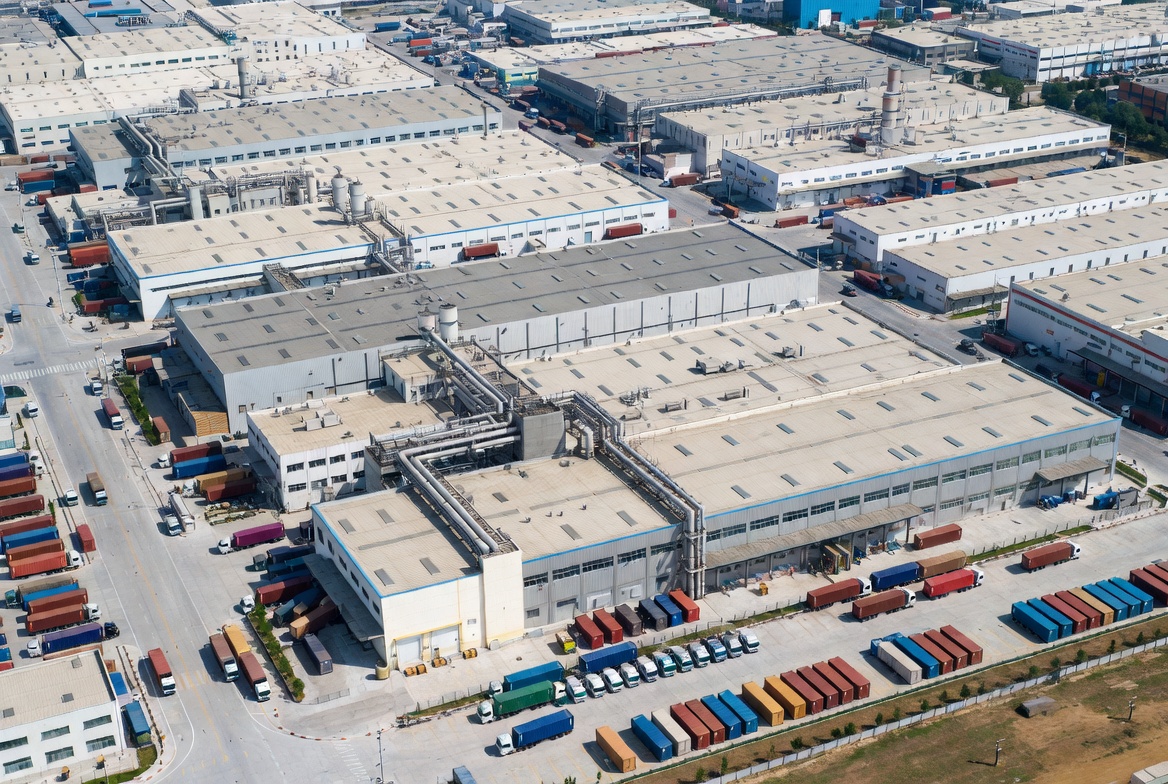
If a mid‑sized plant claims very high annual output but has limited number of kilns or furnaces, no visible large warehouse space, and modest energy infrastructure, it often indicates that part of the supply comes from subcontracted or trading sources rather than in‑house production. In practice, this means that QC and traceability may be less controlled than advertised; experienced buyers therefore ask detailed questions about furnace count, daily throughput, energy sources and batch traceability, and may prioritise factories whose physical infrastructure, laboratory capacity and warehousing align clearly with their capacity claims. [sourcingwill]
Buyer's Guide: Verifying Factories, Samples and Logistics
Verifying Factory Certifications
To check ISO 9001 / ISO 14001 validity, buyers can:
- Confirm that certificates are issued by accredited bodies (look for CNAS marks or well‑known international certifiers like BSI, SGS, TÜV Rheinland, etc.). [chinacheckup]
- Use CNCA or CNAS databases and the certification body's own search tools to verify certificate numbers and expiration dates. [chinacheckup]
- Request original PDF versions and cross‑check scope (it should explicitly state production of activated carbon or related materials). [chinamakershub]
For NSF, KOSHER, HALAL and similar product certifications, buyers should verify directly on certification body websites or through official inquiry channels rather than relying on scanned images. [chinamakershub]
Sample and Qualification Process
A typical sample qualification process for virgin activated carbon includes:
1. Defining target parameters (iodine value, hardness, particle size, ash, moisture, application‑specific performance). [b2bdata.baidu]
2. Requesting 5–10 kg lab samples or 1–2 drums depending on application and test protocol. [yuanlicarbonyl]
3. Running application tests (e.g. decolourisation, VOC removal, chlorine removal, gold adsorption) and comparing results with incumbent materials. [chinamakershub]
4. Approving a technical specification sheet and COA format before placing pilot orders, with agreed tolerance ranges for key parameters. [chinamakershub]
Logistics and Incoterms Considerations
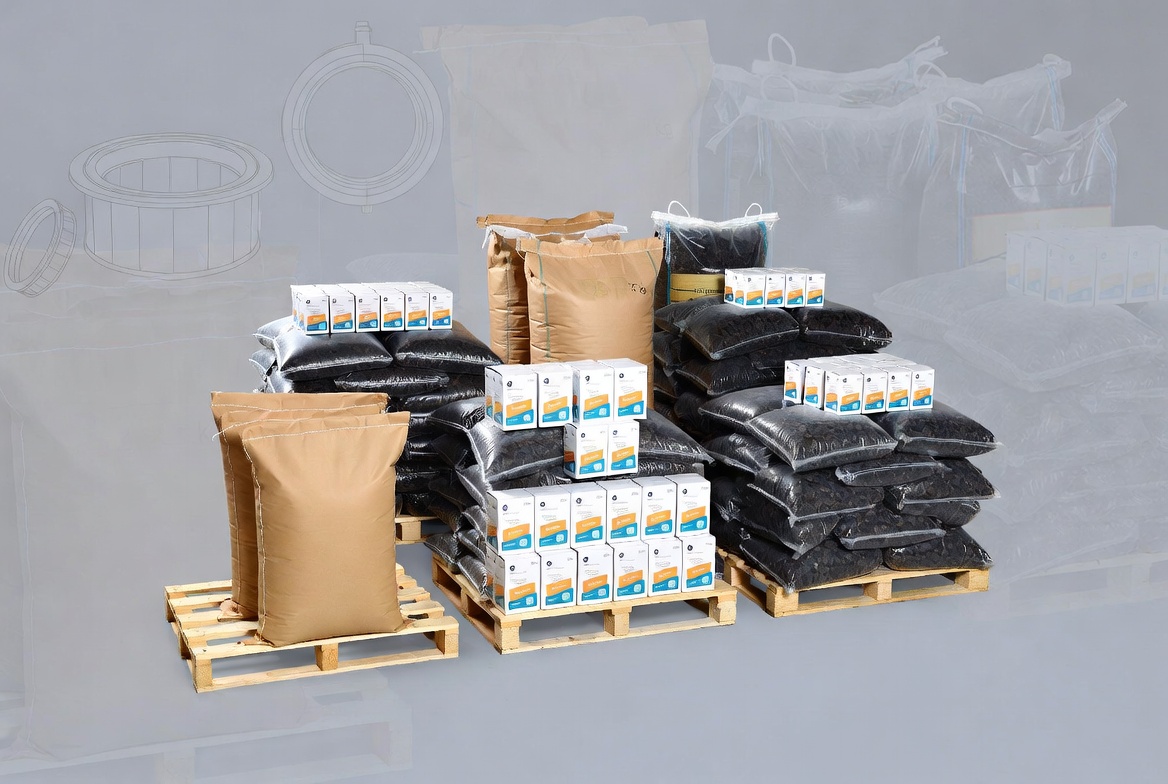
China‑based manufacturers commonly ship virgin activated carbon in 25 kg bags, jumbo bags or customized OEM packaging, via FOB, CIF or DAP terms depending on the buyer's preference. Buyers should clarify: [b2bdata.baidu]
- Packaging type, palletization and container loading plan to avoid damage or moisture during transport. [yuanlicarbonyl]
- Lead times for standard versus customised grades and whether the factory keeps safety stock for repeat orders. [b2bdata.baidu]
- Responsibility for documentation such as MSDS, customs codes and compliance statements for destination markets. [wits.worldbank]
Conclusion and Practical CTA
China's virgin activated carbon industry offers a broad range of manufacturers—from high‑capacity commodity suppliers to agile OEM partners such as Guangdong Tongke Activated Carbon Co., Ltd., which combine strict QC, diversified product lines and flexible MOQs for global buyers. For procurement managers, the key is to systematically evaluate certifications, R&D capability, QC processes and delivery reliability, using transparent criteria and structured sampling protocols to build long‑term, low‑risk supply relationships. [wits.worldbank]
If you are planning to source virgin activated carbon from China for water, air, food, chemical or pharmaceutical applications, consider shortlisting mid‑sized, R&D‑driven factories that can provide tailored grades, credible certifications and responsive technical support—starting with suppliers like Tongke that are set up to work closely with small and mid‑size brands on OEM/ODM projects. [chinamakershub]
FAQ: Advanced Questions Procurement Managers Often Ask
1. How can I confirm that a factory's ISO certificate has not expired?
Check the expiry date on the certificate and verify the certificate number on CNAS or the issuing body's online database (e.g. BSI, SGS, TÜV). [sourcingwill]
2. How do I know whether a supplier genuinely produces virgin activated carbon rather than trading it?
Review factory photos, furnace and kiln details, R&D and lab facilities, and warehouse size; cross‑check claimed capacity with realistic infrastructure and visit the site or appoint a third‑party auditor where possible. [sourcingwill]
3. What is the most effective way to compare samples from different Chinese manufacturers?
Use a standardised test protocol in your application (e.g. same contact time, dosage and conditions), measure key performance indicators (iodine, CTC, decolourisation index, pressure drop) and track performance over multiple batches. [chinamakershub]
4. Which certifications are critical for virgin activated carbon used in drinking water?
NSF certification and compliance with local drinking water regulations are core, complemented by ISO 9001 quality management and, in some regions, ISO 14001 environmental management. [chinamakershub]
5. How can I minimise the risk of material substitution or performance drift over time?
Include detailed specifications and COA requirements in the purchase contract, request random third‑party testing and monitor trends of key parameters (iodine, hardness, ash) across shipments to quickly identify deviations. [sourcingwill]
References
- World Bank / UN Comtrade – Activated carbon export data for China (HS 380210). [wits.worldbank]
- CNCA and CNAS databases – Accreditation and certificate verification for Chinese manufacturers. [chinacheckup]
- ISO and major certification bodies (BSI, SGS, TÜV) – Global certificate search portals. [chinacheckup]
- Industry guides on verifying factory certifications in China (ISO, CE, etc.). [sourcingwill]


