Content Menu
● What Silver Impregnated Activated Carbon Is
● Why Buyers Choose It
● How It Works
● Key Product Specifications
● Main Application Areas
>> Water Treatment
>> Air and Gas Purification
>> Food, Beverage, and Pharma
● How It Is Manufactured
● Performance Considerations
● How to Choose the Right Grade
● Quality and Supply Advantages
● Common Mistakes To Avoid
● Conclusion
● FAQ
>> 1. What is silver impregnated activated carbon used for?
>> 2. How is it different from normal activated carbon?
>> 3. Is coconut shell carbon better for this product?
>> 4. Does silver loading affect adsorption?
>> 5. How should it be stored?
>> 6. Can it be customized?
● References
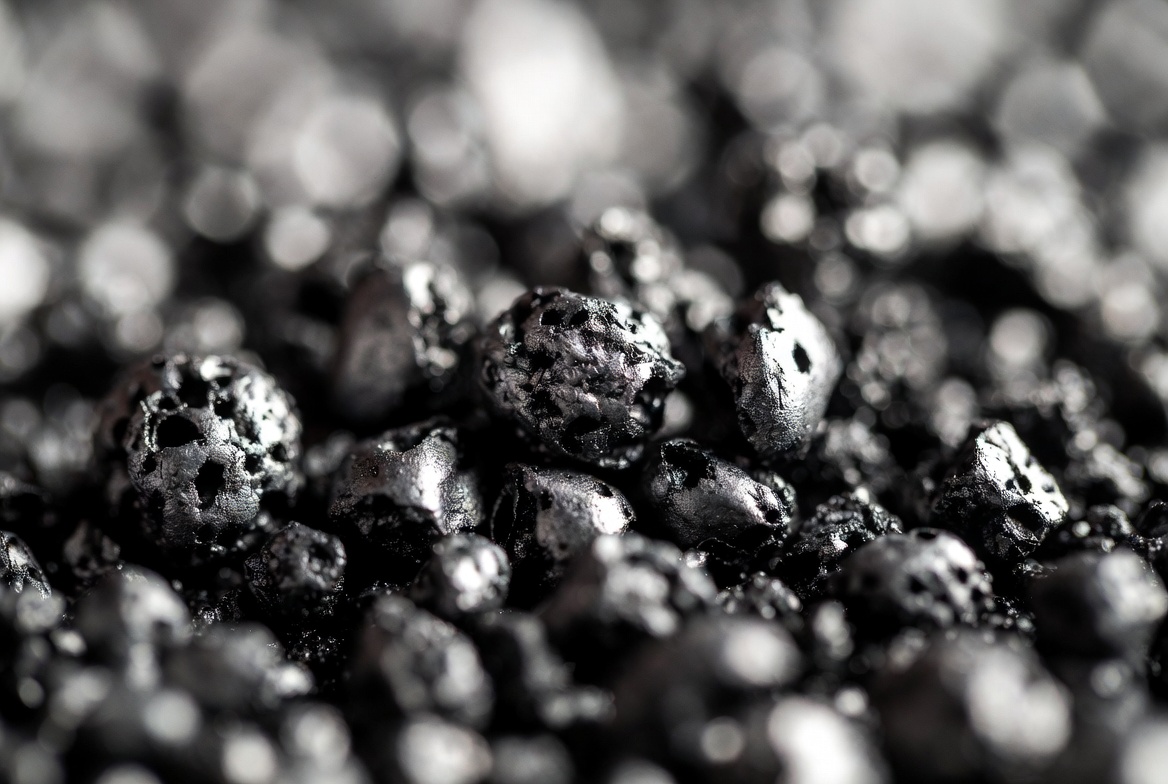
Silver impregnated activated carbon is a specialized filtration media that combines the strong adsorption power of activated carbon with the antimicrobial properties of silver. For industrial buyers, this makes it a practical choice when the goal is not only to remove contaminants, but also to reduce bacterial growth inside the filter bed.
What Silver Impregnated Activated Carbon Is
Silver impregnated activated carbon is usually made from high-quality coconut shell granular activated carbon that has been treated with a controlled amount of silver compounds. The carbon provides a porous structure for adsorption, while the silver helps inhibit microbial activity on the media surface.
In real-world systems, this dual function matters. A standard carbon bed can adsorb chlorine, odors, and many organic compounds, but in humid or warm operating conditions it may also become a place where bacteria multiply. Silver loading helps reduce that risk and supports more stable operation over time.
Why Buyers Choose It
For industrial and commercial users, the main value of silver impregnated activated carbon is two-layer protection. It removes unwanted chemicals through adsorption and helps limit microbial growth in the filter media itself.
Common reasons buyers specify this product include:
- Better control of bacteria in filter beds.
- Improved odor reduction in water and air systems.
- Strong performance in drinking water and process water treatment.
- Lower risk of media biofouling in long-running systems.
- Added support for hygiene-sensitive applications in food, beverage, cosmetics, and pharma environments.
How It Works
Activated carbon works by trapping contaminants inside its pore structure. Silver adds a second function by disrupting microbial activity, which helps reduce bacterial growth on the carbon surface and within the bed.
The silver component does not replace adsorption. Instead, it supports the carbon by making the media more suitable for environments where microbial control matters. In long-term operation, that can help maintain cleaner filtration performance and reduce maintenance pressure.
Key Product Specifications
For buyers comparing suppliers, product specifications are often the first filter. Typical coconut shell silver impregnated activated carbon may be supplied in multiple mesh sizes, with iodine value, hardness, bulk density, pH, moisture, ash, and silver content all customized for the end use.
| Specification | Typical Range |
| Base material | Coconut shell granular activated carbon |
| Mesh sizes | 8x30, 8x16, 12x40, 30x60, 80x150 |
| Iodine value | 900–1700 mg/g |
| Hardness | 90–99% |
| Bulk density | 0.45–0.55 g/cm3 |
| Moisture | Max 5% |
| pH | 8–11 |
| Silver content | 1‰, 2‰, 3‰, 4‰, 5‰ |
If the application is food, beverage, or drinking water related, buyers usually look closely at consistency, cleanliness, and traceability in addition to adsorption performance. That is where customized manufacturing becomes especially important.
Main Application Areas
Silver impregnated activated carbon is used in a wide range of purification systems. Its strongest markets are drinking water treatment, air purification, pharmaceutical processing, food and beverage production, cosmetics manufacturing, and selected electronics applications.
Water Treatment
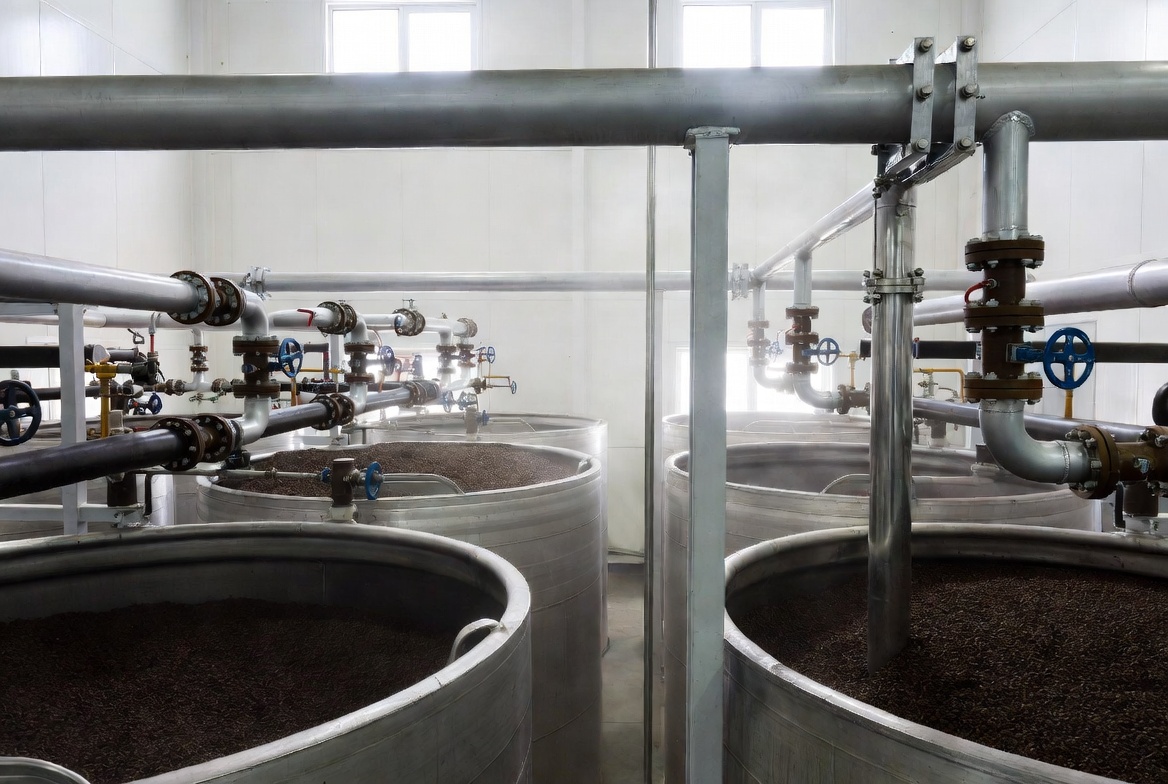
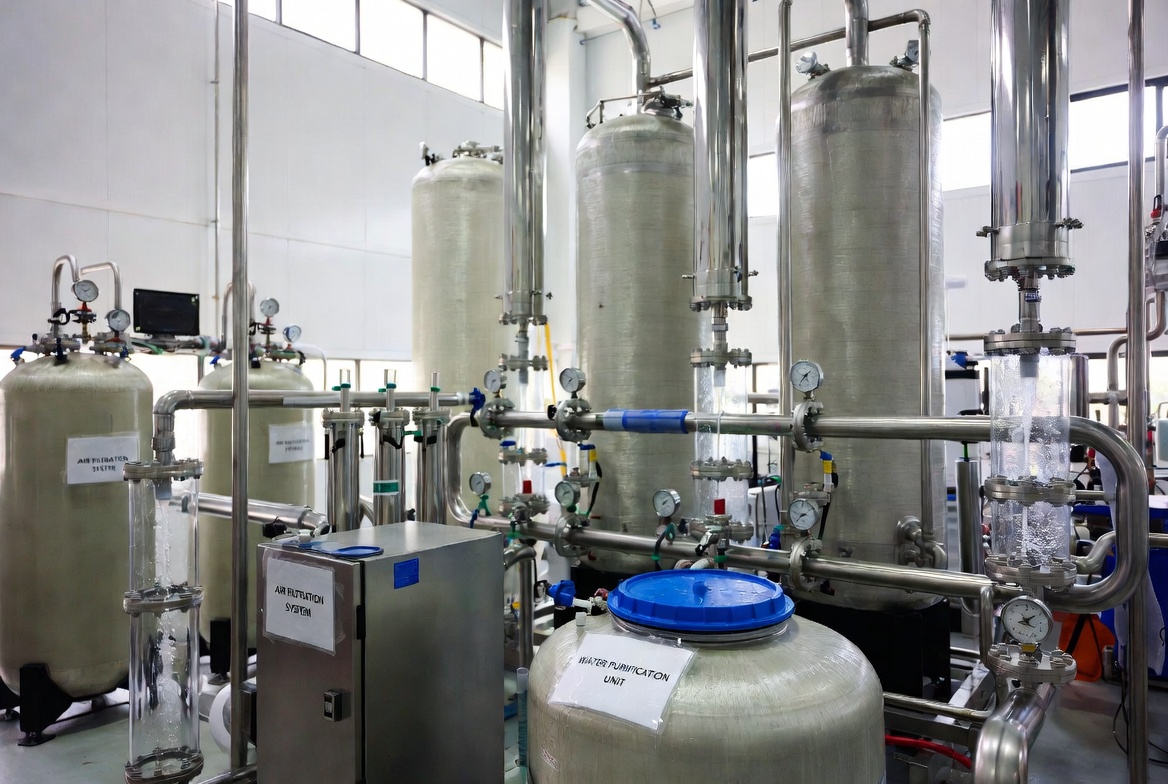
In water systems, the media is commonly used for drinking water purification, process water polishing, and odor control. It is valued because it supports both contaminant removal and microbial suppression in the filter bed.
A particularly important use case is pretreatment. Activated carbon is widely used before reverse osmosis systems to reduce oxidants and organic contamination, helping protect downstream membranes and improve system stability.
Air and Gas Purification
In air systems, silver impregnated activated carbon can help remove odors, volatile compounds, and microbial contamination in enclosed environments. It is useful in odor control systems, industrial ventilation, and other applications where air cleanliness matters.
For buyers working in humid or odor-intensive environments, the antimicrobial feature adds value because it helps reduce the chance that the media itself becomes a source of microbial growth.
Food, Beverage, and Pharma
Food, beverage, and pharmaceutical users usually want three outcomes at once: cleaner media, stable adsorption performance, and lower microbial risk. Silver impregnated activated carbon supports those goals in water treatment, ingredient processing, and purification stages.
It has also been used where odor control and impurity removal affect final product quality. In these industries, any filtration media must be selected carefully, because the system must fit both performance and hygiene expectations.
How It Is Manufactured
A reliable production process matters because silver content, distribution, and fixation all affect final performance. The general process includes silver compound selection, solution preparation, carbon pretreatment, impregnation, drying, optional reduction, inspection, and packaging.
A practical production sequence looks like this:
1. Select the silver compound.
2. Prepare the impregnation solution using clean water.
3. Wash and dry the activated carbon.
4. Immerse the carbon in the silver solution for controlled loading.
5. Filter and dry the material again.
6. Optionally reduce the silver if required by the application.
7. Test silver content and uniformity before packing.
For industrial procurement teams, this process matters because poor impregnation can cause uneven silver distribution, lower antimicrobial consistency, and weaker batch stability. A supplier should be able to explain both the process and the quality control steps clearly.
Performance Considerations
One useful industry insight is that silver loading improves antimicrobial behavior, but it can slightly reduce adsorption performance in some cases. Recent research on silver-loaded granular activated carbon in continuous-flow water treatment found sustained antibacterial activity over a 180-day operation period, while organic matter removal was slightly lower than untreated carbon.
That means the product should be selected with a clear priority in mind. If the main goal is microbial suppression in a hygiene-sensitive system, silver impregnated activated carbon can be a strong fit. If the main objective is maximum adsorption capacity alone, a non-impregnated carbon or catalytic media may be more appropriate depending on the case.
How to Choose the Right Grade
Choosing the correct grade starts with the final application. Buyers should confirm the media size, iodine value, ash level, moisture, hardness, and silver loading before placing an order.
Use this checklist:
- Confirm the application: water, air, food, beverage, pharma, or industrial gas.
- Define the target contaminant: odor, chlorine, organics, microbial growth, or mixed pollutants.
- Select the correct mesh size for pressure drop and contact time.
- Ask for silver content range and batch consistency.
- Confirm packaging and storage requirements for moisture and light protection.
- Request samples and performance data before bulk purchase.
This approach helps avoid the common mistake of buying a generic carbon grade that looks suitable on paper but underperforms in the actual system.
Quality and Supply Advantages
For overseas buyers, supplier reliability is often as important as product specs. Guangdong Tongke Activated Carbon Co., Ltd. supplies a broad range of activated carbon products for water treatment, air purification, food and beverage, and other industrial uses, with a focus on customized solutions.
That matters because silver impregnated activated carbon is rarely a one-size-fits-all product. Different industries require different pore structures, ash levels, moisture control, and loading levels, so customization is a real commercial advantage.
Common Mistakes To Avoid
Many buyers make the same avoidable errors when sourcing this media. The most common ones are choosing the wrong mesh size, ignoring silver loading consistency, and selecting a product without checking whether the system really needs antimicrobial functionality.
Other mistakes include:
- Assuming more silver automatically means better performance.
- Using the same grade for drinking water and industrial odor control.
- Overlooking storage conditions.
- Forgetting that microbial control and adsorption are related but not identical goals.
- Not asking for application-specific test data.
A good supplier should help you balance performance, cost, and system design rather than simply offering the highest silver content.
Conclusion
Silver impregnated activated carbon is best understood as a functional purification media for systems that need both adsorption and microbial control. It is especially useful in water treatment, air purification, and hygiene-sensitive industrial environments where long-term performance and cleanliness are both important.
If you are sourcing for an industrial project, the smartest next step is to compare application, mesh size, silver loading, and system operating conditions before placing an order. For custom specifications and export supply, a supplier with strong manufacturing control and application knowledge is the right starting point.
FAQ
1. What is silver impregnated activated carbon used for?
It is used for water treatment, air purification, odor control, and hygiene-sensitive industrial applications where both adsorption and microbial suppression are important.
2. How is it different from normal activated carbon?
Normal activated carbon mainly adsorbs contaminants, while silver impregnated activated carbon also helps inhibit bacterial growth on the media surface.
3. Is coconut shell carbon better for this product?
Coconut shell carbon is commonly preferred because it offers strong hardness, good pore structure, and reliable performance in granular form, especially for water and air systems.
4. Does silver loading affect adsorption?
Yes, it can slightly reduce some adsorption efficiency in certain cases, but it adds valuable antimicrobial performance that may be more important for the target application.
5. How should it be stored?
It should be stored in a dry, light-proof environment to help preserve silver stability and product performance.
6. Can it be customized?
Yes. Silver content, mesh size, ash level, and other properties can be customized based on the application and system requirements.
References
- [Silver impregnated activated carbon]
- [Application - Guangdong Tongke Activated Carbon Co., Ltd.]
- [Guangdong Tongke Activated Carbon Co., Ltd. on Made-in-China]
- [Silver impregnated activated carbon market size]
- [Activated Carbon Filtration in Water Treatment and Lab Water]
- [Silver-loaded granular activated carbon for fixed-bed treatment]
- [Antibacterial action of silver-doped activated carbon]
- [Silver Impregnated Activated Carbon: The Essential Guide]
- [Silver impregnated activated carbon product page]


