Content Menu
● What Is Powdered Activated Carbon (PAC) And Why Industrial Buyers Choose It
● Key Industrial Applications Of Powdered Activated Carbon
>> Water And Wastewater Treatment (COD, BOD, Color, Odor)
>> Food, Beverage, And Edible Oil Decolorization
>> Air, Gas, VOC And Flue Gas Purification
>> Pharmaceutical, Cosmetic, And Healthcare Uses
● Main Types Of Powdered Activated Carbon We Supply
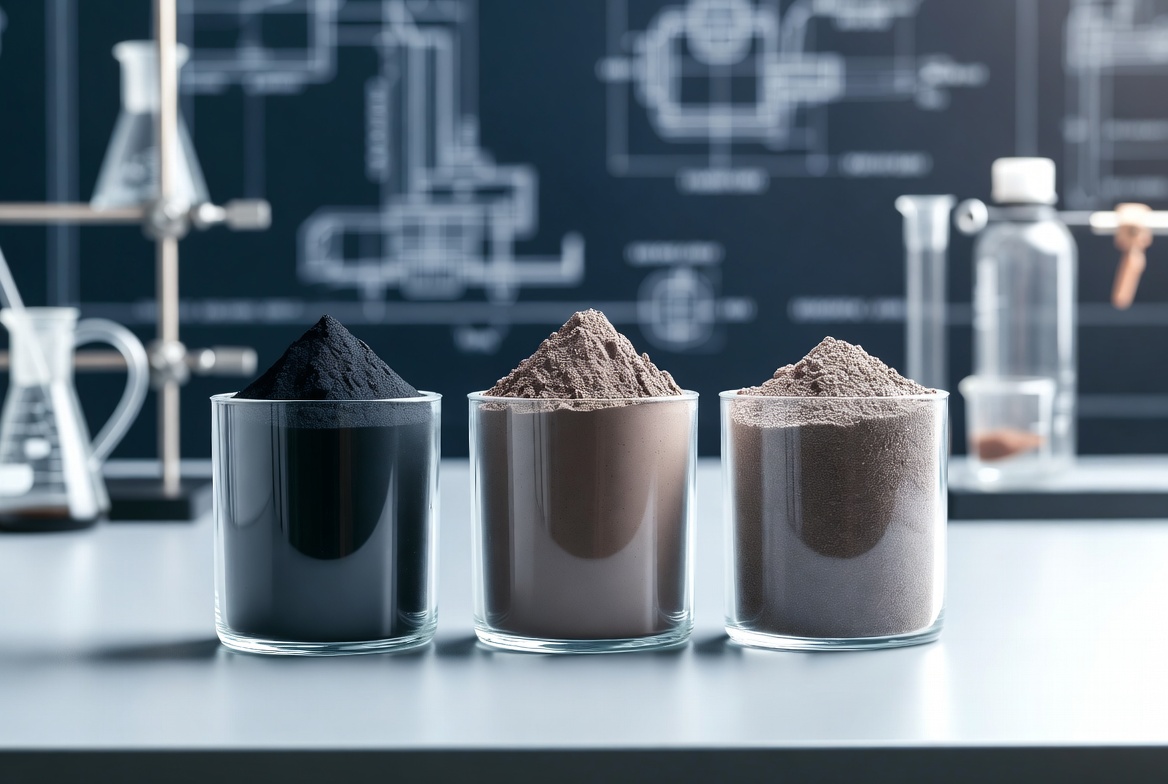
>> Coal‑Based Powdered Activated Carbon
>> Wood‑Based Powdered Activated Carbon
>> Coconut Shell Powdered Activated Charcoal
● GAC vs PAC: When To Use Granular Or Powdered Activated Carbon
● How We Custom‑Engineer PAC Solutions For Your Process
>> Core Parameters We Adjust
>> Quality Control And Third‑Party Validation
● Practical Steps To Select The Right PAC For Your Application
● Real Industry Insight: Common PAC Challenges And How We Solve Them
● Customer Feedback And OEM/ODM Capabilities
● Logistics, Lead Time, And Sample Policy
● Why Work With A Specialized Powdered Activated Carbon Partner
● Call To Action: Get A Custom PAC Proposal For Your Plant
● Frequently Asked Questions (FAQ)
● References
As a powdered activated carbon manufacturer in China, we work daily with engineers, buyers, and plant managers who need reliable PAC performance in demanding applications like water treatment, air and gas purification, food and beverage processing, chemical production, and pharmaceuticals. Drawing on years of hands‑on project experience, this guide explains how to select, customize, and apply powdered activated carbon to achieve consistent results and the lowest total cost of ownership. [robertsiegers]
What Is Powdered Activated Carbon (PAC) And Why Industrial Buyers Choose It
Powdered activated carbon is a finely ground adsorbent produced from raw materials such as coal, wood, coconut shell, and nut shell, processed to develop a highly porous structure and large internal surface area. Because of its fine particle size and high reactivity, PAC is widely used for fast filtration, efficient adsorption, strong decolorization, and flavor removal across multiple industries. [altitudemarketing]
PAC offers several practical advantages for industrial operations:
- Fast mass transfer and short contact time, ideal for batch decolorization and polishing steps. [visively]
- Flexible dosing—you can adjust dosage in real time based on feed quality or production targets. [scubemarketing]
- Economical and durable performance, especially when tailored to specific process conditions. [robertsiegers]
In our projects, engineers typically select PAC when they need rapid response to contamination or color issues, or when retrofitting existing systems without major equipment changes. [scubemarketing]
Key Industrial Applications Of Powdered Activated Carbon
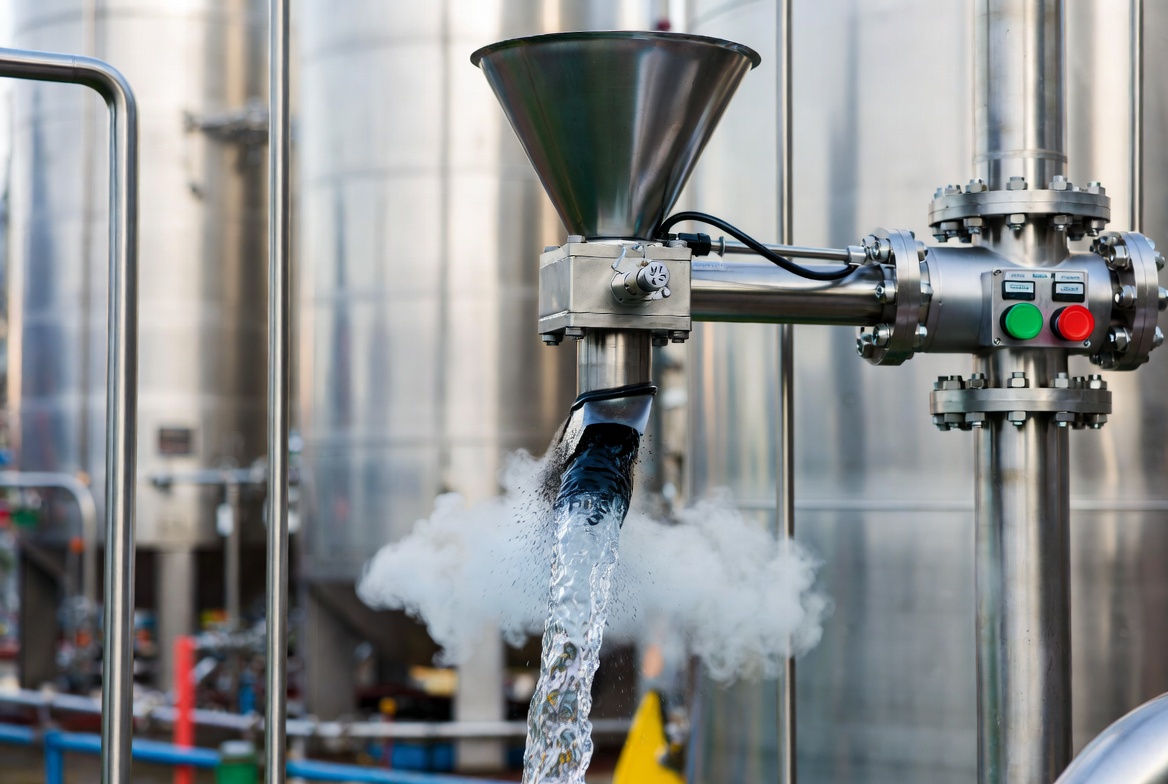
From a process engineer's perspective, PAC is not just a commodity—it is a critical process variable that directly affects product quality, compliance, and operating cost. The main application clusters are: [actionsprout]
Water And Wastewater Treatment (COD, BOD, Color, Odor)
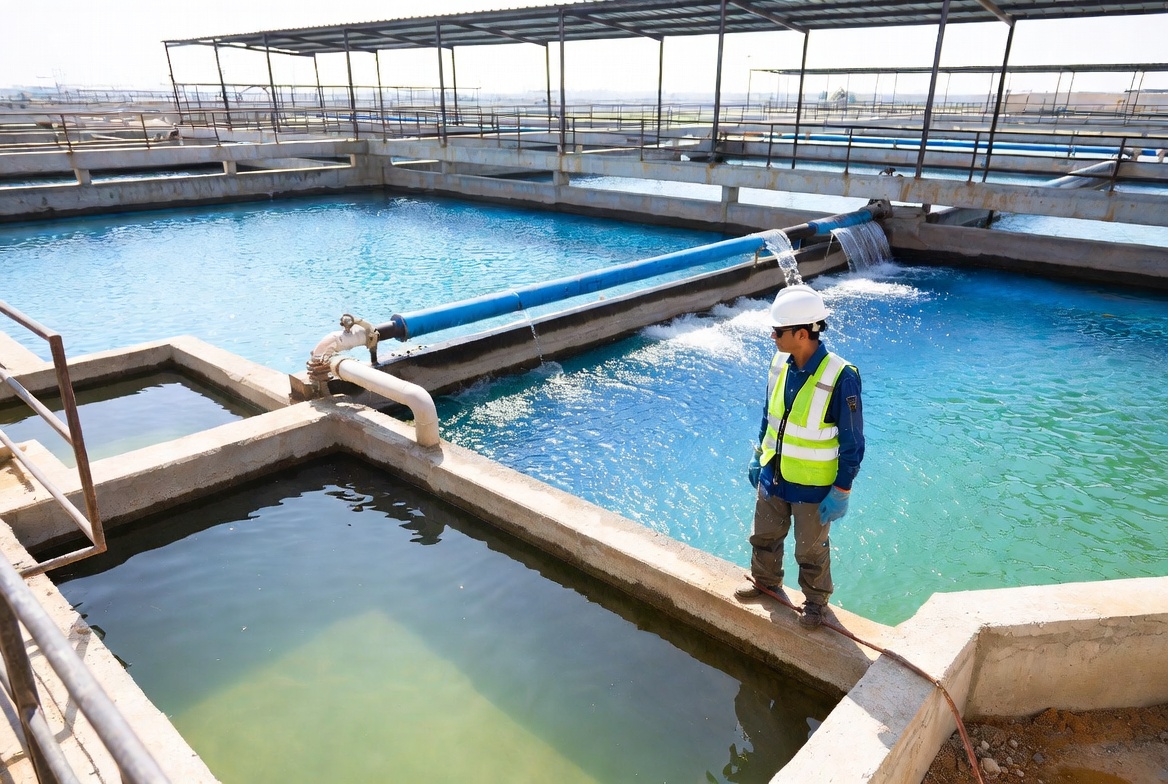
In municipal and industrial water treatment, coal‑based powdered activated carbon is widely used to remove COD, BOD, color, residual organics, and odor‑forming compounds. Typical use cases include: [altitudemarketing]
- Polishing of tap water to remove trace organics and improve taste. [visively]
- Industrial wastewater treatment to control COD/BOD before discharge or reuse. [altitudemarketing]
- Treatment of power plant and electroplating effluents, where PAC helps capture heavy organics and complex pollutants. [visively]
When we support water treatment customers, we usually start by correlating iodine number, methylene blue value, and ash content with the specific contaminants they need to remove. [altitudemarketing]
Food, Beverage, And Edible Oil Decolorization
For food and beverage processors, wood‑based powdered activated carbon is a go‑to solution for color and flavor adjustment. It is commonly applied in: [visively]
- Sugar, juice, wine, and MSG production to achieve a stable, appealing color profile. [altitudemarketing]
- Edible oil and glycerin refining to remove pigments and off‑flavors. [visively]
- Corn starch sugar and amino acid processes where color and purity directly impact downstream value. [altitudemarketing]
Wood PAC produced by zinc chloride chemical activation typically offers medium and large pores, high adsorption capacity, and fast filtration, which matches the larger organic molecules in many food streams. [visively]
Air, Gas, VOC And Flue Gas Purification
When dealing with exhaust gas, solvent vapors, and combustion flue gas, powdered activated carbon can be combined with granular or pelleted carbons to meet strict emission limits. Typical use cases include: [actionsprout]
- Steel plant and cement plant flue gas treatment. [actionsprout]
- Waste incineration gas purification and dioxin control. [actionsprout]
- VOCs and H₂S removal in biogas and industrial exhaust streams. [actionsprout]
Here, PAC is often dosed into the gas stream or applied as a filter aid, while 4 mm pellets and 0.9–8 mm impregnated carbons handle continuous adsorption in fixed beds. [actionsprout]
Pharmaceutical, Cosmetic, And Healthcare Uses
Coconut shell powdered activated charcoal is preferred in healthcare, cosmetic, and body detoxification applications thanks to its low ash and impurity levels. Common uses include: [altitudemarketing]
- Cosmetic formulations and personal care products that require high purity. [visively]
- Teeth whitening and body detox treatments. [altitudemarketing]
- Specialty pharmaceutical processes where strict quality and pH control are essential. [altitudemarketing]
By adjusting particle size, ash content, and pH windows, we ensure PAC meets both functional performance and regulatory expectations. [actionsprout]
Main Types Of Powdered Activated Carbon We Supply
Because PAC performance depends strongly on raw material and activation method, we always begin by matching the type of PAC to the customer's process and objectives. [robertsiegers]
Coal‑Based Powdered Activated Carbon
Typical specifications (illustrative range based on our production experience and website data): [visively]
- Particle size: 100, 200, 325 mesh
- Iodine value: 500–1100 mg/g
- Methylene blue value: 120–150 mg/g
- Ash content: 8–20%
- pH: 8–11
Coal PAC is commonly selected for:
- Wastewater treatment and water purification where robustness and cost‑effectiveness matter most. [visively]
- COD/BOD removal and color reduction in industrial effluents. [altitudemarketing]
- Flue gas treatment in steel, cement, and incineration plants. [actionsprout]
From our field experience, coal PAC delivers stable performance under variable feed conditions, which is pivotal for continuous plants. [scubemarketing]
Wood‑Based Powdered Activated Carbon
Wood PAC made via zinc chloride chemical activation features a well‑developed network of medium and large pores, high adsorption capacity, and fast filtration. Typical specification ranges: [visively]
- Particle size: 100, 200, 325 mesh
- Iodine value: 800–1200 mg/g
- Methylene blue value: 140–320 mg/g
- Bulk density: 0.35–0.45 g/cm³
- Ash content: 4–7%
- pH options: 2–4, 3–5, 5–7
This PAC is ideal when:
- Color removal and delicate flavor control are critical, such as in sugar, wine, juice, and edible oil. [altitudemarketing]
- The process requires pH matching to avoid product degradation or downstream issues. [visively]
Because we can tailor pH windows, many food manufacturers use wood PAC to fine‑tune both color and taste without compromising stability. [blog.thomasnet]
Coconut Shell Powdered Activated Charcoal
Our coconut shell PAC is produced from high‑quality coconut shell granular carbon, then milled and treated to minimize ash and impurities. Typical specification ranges: [altitudemarketing]
- Particle size: 30–60, 50–120, 80–150, 200, 325 mesh
- Iodine value: 800–1500 mg/g
- Methylene blue value: 120–180 mg/g
- Bulk density: 0.4–0.5 g/cm³
- Ash content options: 0.5%, 1%, 3%, 6% max
- pH: 7–8, 8–11
Engineers and formulators choose coconut shell PAC when they need:
- Very low ash and minimal inorganic contamination. [visively]
- High purity and consistent performance in health, cosmetic, and pharmaceutical applications. [altitudemarketing]
Based on customer feedback, coconut shell PAC often becomes the long‑term standard once the initial trials prove its stability and safety profile. [blog.thomasnet]
GAC vs PAC: When To Use Granular Or Powdered Activated Carbon
A recurring question from procurement teams is the difference between granular activated carbon (GAC) and powdered activated carbon (PAC). In our practice, the decision depends on process design, contact time, and maintenance strategy. [actionsprout]
| Aspect | Granular Activated Carbon (GAC) | Powdered Activated Carbon (PAC) |
| Particle size | Larger granules (e.g., 8×16, 12×40 mesh) (visively) | Fine powder (e.g., 100–325 mesh) (visively) |
| Typical use | Fixed beds, columns, long contact time | Dosing into liquids or slurries, short contact time |
| Maintenance | Periodic regeneration or replacement | Continuous or batch dosing, filtered out |
| Best for | Continuous filtration, stable flow | Rapid decolorization, emergency treatment, batch processes |
| CAPEX vs OPEX | Higher initial equipment cost, lower ongoing chemical cost | Lower equipment changes, ongoing chemical and filtration costs |
If your plant already runs GAC filters for water or gas, PAC can be an additional polishing step or emergency response tool when feed quality suddenly deteriorates. [scubemarketing]
How We Custom‑Engineer PAC Solutions For Your Process
Industrial buyers rarely need a generic PAC—they need a solution that fits their technical, commercial, and regulatory framework. Our customization approach focuses on the key parameters that drive real‑world performance. [robertsiegers]
Core Parameters We Adjust
Based on your process data and objectives, we configure:
- Raw material type: coal, wood, coconut shell, nut shell. [visively]
- Iodine number: indicator of micropore volume and overall adsorption capacity. [altitudemarketing]
- Methylene blue value: proxy for mesopore performance and larger organic removal. [visively]
- Caramel/molasses value: important for sugar and food decolorization consistency. [altitudemarketing]
- pH range: to match your solution environment and protect product integrity. [visively]
- Ash content and bulk density: key for filtration behavior and downstream handling. [altitudemarketing]
We then align these parameters with your target outcomes—for example, specific color units, COD mg/L, sensory profile, or compliance thresholds. [actionsprout]
Quality Control And Third‑Party Validation
To maintain repeatable performance, our production and QC workflow includes: [actionsprout]
- Testing selected raw materials before activation.
- Continuous monitoring of production temperature and time to ensure consistent pore structure. [visively]
- Sampling and inspection of finished products against agreed technical data sheets (TDS). [visively]
- Support for third‑party testing such as SGS, which many international buyers use for independent verification. [visively]
This combination of internal QA and external validation gives procurement managers confidence in both technical reliability and supply chain transparency. [quickcreator]
Practical Steps To Select The Right PAC For Your Application
From working with hundreds of industrial buyers, we've found that a structured PAC selection process dramatically shortens trial time and reduces risk. A typical approach looks like this: [ossisto]
1. Define your process objective.
Clarify whether your primary goal is color removal, COD/BOD reduction, odor control, taste adjustment, or impurity capture. [blog.thomasnet]
2. Gather feed and product data.
Collect baseline data: color units, COD/BOD, pH, temperature, flow rate, and any specific contaminants identified by lab analysis. [actionsprout]
3. Shortlist PAC types.
Based on application and data, our engineers recommend coal, wood, or coconut shell PAC with relevant iodine, methylene blue, and pH ranges. [robertsiegers]
4. Run lab and pilot trials.
Test several PAC grades under realistic conditions: vary dosage, contact time, and mixing to map performance envelopes. [ossisto]
5. Optimize dosage and filtration.
Balance target removal efficiency with filtration speed, filter media life, and total operating cost. [altitudemarketing]
6. Finalize specifications and TDS.
Lock in PAC grade, packaging, and QA requirements (including third‑party testing if needed) before full‑scale rollout. [actionsprout]
This evidence‑based workflow ensures that PAC becomes a predictable, controllable lever in your process rather than a trial‑and‑error consumable. [scubemarketing]
Real Industry Insight: Common PAC Challenges And How We Solve Them
Based on customer conversations and site visits, several recurring challenges appear in PAC projects. Addressing them early enhances both performance and ROI. [blog.thomasnet]
- Inconsistent color removal in food and beverage streams.
This typically arises from fluctuating feed quality or using a PAC with mismatched pore structure. We tackle it by tightening PAC specifications and adjusting dosing strategy across seasons. [altitudemarketing]
- Filter clogging and high differential pressure.
Fine PAC grades can overload filter media if dosage or mixing is sub‑optimal. Our engineers help optimize mesh size, pre‑coating, and filtration design to keep production stable. [scubemarketing]
- Unexpected pH shifts or product instability.
Using PAC with unsuitable pH ranges may affect sensitive formulations. We mitigate this risk by pre‑selecting pH‑matched PAC grades and validating them in controlled trials. [altitudemarketing]
- Compliance gaps in wastewater discharge or emissions.
Plants sometimes discover that generic PAC cannot consistently maintain required limits. In these cases, we design application‑specific PAC and dosing controls, often in combination with GAC or other treatment steps. [actionsprout]
Such experience‑driven adjustments are where a specialized PAC manufacturer adds real value beyond product supply. [quickcreator]
Customer Feedback And OEM/ODM Capabilities
Long‑term partners often emphasize two factors in their feedback: process understanding and OEM flexibility. [robertsiegers]
Our OEM and customized services include:
- Designing PAC grades aligned with customer formulations and process windows. [visively]
- Providing OEM packaging, such as 25 kg, 20 kg, 500 kg bags or custom black bags with client branding. [robertsiegers]
- Supporting any OEM drawing design bag, which simplifies integration into existing supply chains. [visively]
Customers highlight that trial orders with no strict MOQ, combined with fast technical response within 24 hours, make optimization and scale‑up smoother. In case of any quality issues or packaging damage, we work on mutually agreed compensation and corrective actions, reinforcing trust in long‑term cooperation. [blog.thomasnet]
Logistics, Lead Time, And Sample Policy
Industrial projects often depend on predictable supply. Based on our shipping practice: [actionsprout]
- Lead time: typically 5–7 days, depending on order quantity and configuration. [visively]
- Payment options: T/T deposit with balance against copy of B/L, L/C, or mixed models per customer requirements. [visively]
- Samples: free PAC samples are available to support lab and pilot testing, helping your team validate performance before committing to volume orders. [visively]
We select cost‑effective transportation methods case by case, balancing freight cost with delivery time and risk profile. [actionsprout]
Why Work With A Specialized Powdered Activated Carbon Partner
Choosing a dedicated PAC manufacturer rather than a general chemical reseller gives you several strategic benefits: [robertsiegers]
- Deep application experience in water treatment, air and gas purification, food and beverage, chemical and pharmaceutical industries. [blog.thomasnet]
- End‑to‑end technical support, from raw material selection through process trials and long‑term optimization. [scubemarketing]
- Flexible OEM/ODM capability for packaging, specifications, and testing requirements. [robertsiegers]
For procurement and engineering teams, this translates into lower risk, faster problem‑solving, and more predictable performance across sites and seasons. [robertsiegers]
Call To Action: Get A Custom PAC Proposal For Your Plant
If you are planning a new project or optimizing an existing line, now is the ideal moment to review how powdered activated carbon fits into your treatment or production strategy. [ossisto]
Contact our team for:
- Design assistance based on your process data and performance goals. [visively]
- A free technical consultation and quotation for coal, wood, or coconut shell PAC. [visively]
- Expert advice within 24 working hours, tailored to your industry and application. [scubemarketing]
Your inquiry will be treated confidentially, and we will work with you to build a PAC solution that aligns with quality, compliance, and cost targets. [actionsprout]
Frequently Asked Questions (FAQ)
1. How do I choose between coal, wood, and coconut shell powdered activated carbon?
Coal PAC is generally preferred for wastewater and flue gas treatment due to its robustness and cost‑effectiveness, wood PAC for food and beverage decolorization, and coconut shell PAC for high‑purity cosmetic and pharmaceutical uses. The best choice depends on your contaminants, regulatory requirements, and budget. [altitudemarketing]
2. What data should I prepare before requesting a PAC recommendation?
Prepare basic information such as feed composition, target removal (COD, color, odor), pH, temperature, and flow rate, as well as any existing treatment steps. This allows our engineers to match parameters like iodine number, methylene blue value, and pH more precisely. [scubemarketing]
3. Can powdered activated carbon be used together with granular activated carbon?
Yes, many plants combine PAC for rapid response and polishing with GAC for continuous filtration and long contact time. This hybrid approach can improve resilience and overall treatment efficiency. [actionsprout]
4. How is PAC quality verified and controlled?
We perform raw material testing, production monitoring, and finished product sampling, and can support third‑party testing such as SGS according to customer requirements. All agreed parameters are documented in the TDS and verified per batch. [actionsprout]
5. What is the typical delivery time and minimum order quantity for PAC?
Standard lead time is normally 5–7 days, depending on quantity and specification. For trial orders, we do not enforce a fixed MOQ, and free samples are available to support evaluation. [actionsprout]
References
1. Visively – E‑E‑A‑T for Product Pages: How to demonstrate Experience, Expertise, Authoritativeness, and Trustworthiness on transactional pages – https://visively.com/kb/content/eeat-for-product-pages
2. Robert Siegers – SEO for Manufacturers: Strategies to Dominate Search in Google – https://robertsiegers.com/en/seo-for-manufacturers
3. Altitude Marketing – 7 Powerful SEO Strategies for Chemical Industry Marketing – https://altitudemarketing.com/blog/seo-chemical-industry/
4. Ossisto – Proven Industrial Content Marketing Strategies – https://ossisto.com/blog/industrial-content-marketing/
5. Scube Marketing – Industrial Content Marketing: Creating Content That Generates Leads – https://www.scubemarketing.com/blog/industrial-content-marketing
6. Thomasnet Blog – How To Create Quality Content For Industrial Companies – https://blog.thomasnet.com/creating-quality-content-for-industrial-companies
7. QuickCreator – E‑E‑A‑T for Technical Content: 2025 Best Practice Guide – https://quickcreator.io/blog/eeat-for-technical-content-2025-best-practice-guide/
8. Actionsprout – Top SEO Strategies to Boost Visibility for Chemical Companies – https://actionsprout.com/blog/top-seo-strategies-to-boost-visibility-for-chemical-companies/
9. Heycarbons – Powdered Activated Carbon Manufacturer From China – https://heycarbons.com/powdered-activated-carbon/


