Content Menu
● Understanding Ash Content in Activated Carbon
● How Ash Content Alters Pore Structure and Surface Chemistry
>> Key mechanisms linking ash and filtration efficiency
● Comparing Low‑Ash vs High‑Ash Activated Carbon in Filtration
>> Practical performance differences
>> Filtration behavior comparison table
● Application‑Specific Impact of Ash Content on Filtration Efficiency
>> Water and wastewater treatment
>> Air and gas purification
>> Food, beverage, and pharmaceutical processing
● Hidden System‑Level Costs of High Ash Content
>> Long‑term maintenance and operating implications
● Practical Steps to Specify Ash Content for Filtration Projects
>> Step‑by‑step approach for industrial buyers
● How Specialized Manufacturers Control Ash Levels
● Frequently Asked Questions
● References
Ash content is one of the most underestimated variables in activated carbon performance, yet it can make or break filtration efficiency in demanding industrial applications. By understanding how mineral ash interacts with pore structure, adsorption capacity, and long‑term system behavior, operators can design more stable, cost‑effective filtration systems instead of relying on trial and error. [tongkeac]
Understanding Ash Content in Activated Carbon
In industrial practice, "ash content" refers to the non‑carbon mineral fraction that remains after burning off the organic matrix, typically including metal oxides, silica, and other inorganic residues. For manufacturers of powdered and granular activated carbon like Guangdong Tongke Activated Carbon Co., Ltd., ash content is a critical quality parameter that is monitored and controlled according to the target application. [madeinchina]
In my experience working with process engineers in water treatment and gas purification, ash content becomes a practical conversation when systems show unexplained pressure drops, fouling, or premature media replacement. End users often focus on surface area and iodine value, but ignoring ash content can lead to inconsistent performance across different batches or suppliers. [tongkeac]
How Ash Content Alters Pore Structure and Surface Chemistry
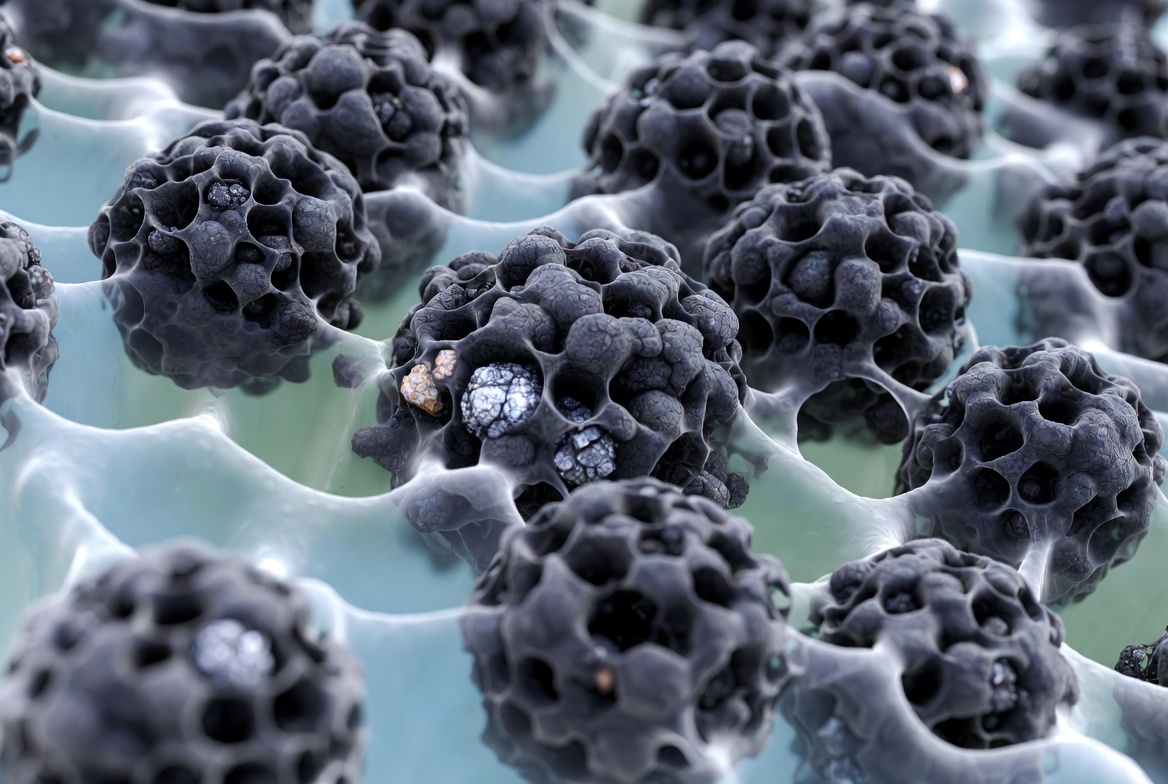
The filtration efficiency of activated carbon is largely driven by its internal pore network and surface functional groups, and ash directly influences both. Higher ash levels tend to block micro‑ and mesopores, subtly reducing accessible surface area and limiting the adsorption of small, dissolved contaminants in water and gas streams. [tongkeac]
In addition, the inorganic fraction modifies the local surface chemistry, introducing charged sites or catalytic behavior that can either enhance or interfere with target adsorption mechanisms. For example, certain metal oxides in ash may catalyze oxidation of organics, while others increase hydrophilicity and change how polar molecules interact with the carbon surface. [tongkeac]
Key mechanisms linking ash and filtration efficiency
- Pore blocking reduces effective adsorption capacity for low‑concentration pollutants.
- Changes in wettability affect how fast liquids penetrate the carbon bed and distribute through pores.
- Ion‑exchange interactions can occur when ash contains soluble salts, altering contaminant speciation.
- Catalytic sites can accelerate degradation of some compounds but promote by‑product formation for others.
From a system designer's viewpoint, these effects mean that ash is not just an impurity; it becomes an active variable in the overall adsorption and filtration behavior. [tongkeac]

Comparing Low‑Ash vs High‑Ash Activated Carbon in Filtration
When evaluating filtration efficiency, engineers frequently compare low‑ash and higher‑ash carbons under similar operating conditions. While the exact thresholds depend on application and feedstock, a consistent pattern emerges in many industrial trials. [tongkeac]
Practical performance differences
- Low‑ash grades generally offer more stable adsorption capacity over time in demanding water treatment systems.
- High‑ash materials can show faster initial uptake in some gas applications if catalytic ash components are beneficial, but they often suffer from shorter media life due to fouling and pore blockage.
- Low‑ash carbons typically yield lower residual color and turbidity in final water, as ash‑related fines and colloids are minimized.
- High‑ash products are more likely to release soluble inorganic species, which can affect downstream processes and compliance targets.
Filtration behavior comparison table
| Aspect of performance | Low‑ash activated carbon | High‑ash activated carbon |
| Effective surface area utilization | Higher, with more accessible micro‑pores for adsorption capacity (tongkeac) | Lower, as mineral residues occupy or block part of the pore network (tongkeac) |
| Breakthrough curve stability | More gradual breakthrough, supporting longer bed life in continuous systems (tongkeac) | Earlier or irregular breakthrough due to heterogeneous pore structure (tongkeac) |
| Risk of fines and turbidity | Reduced release of solid residues, supporting clearer filtrate (tongkeac) | Higher probability of fines and ash‑derived particles in liquid streams (tongkeac) |
| Impact on downstream equipment | Less scaling and deposition on membranes and piping (tongkeac) | Increased risk of inorganic scaling and fouling in high‑pressure systems (tongkeac) |
| Suitability for high‑purity applications | Preferred for food, beverage, and pharmaceutical processing (tongkeac) | More often used where ultra‑high purity is not the primary requirement (madeinchina) |
From a purchaser's perspective, the choice is rarely a simple "low vs high" decision; it is a trade‑off between required purity, budget, and the tolerance of downstream equipment for inorganic loads. [tongkeac]
Application‑Specific Impact of Ash Content on Filtration Efficiency
Different industries place very different demands on activated carbon filtration, and ash content plays a distinct role in each case. Manufacturers that supply water treatment, air and gas purification, food and beverage, chemical processing, and pharmaceutical production must tune ash levels according to the expected contaminant profile and regulatory environment. [tongkeac]
Water and wastewater treatment
In municipal and industrial water treatment, low‑ash activated carbon is associated with more reliable removal of organics, trace chemicals, and color‑forming compounds. Excess ash can introduce hardness‑forming ions and particulate matter that compromise long‑term clarity, increasing the burden on downstream filters and membranes. [tongkeac]
Operators managing biological treatment stages also note that ash particles can interfere with biofilm formation and sludge handling, forcing more frequent backwashing and sludge disposal. A carefully specified low‑ash carbon bed helps maintain stable pressure and predictable breakthrough for key contaminants over months of operation. [tongkeac]
Air and gas purification
In air and gas treatment, ash content affects not only adsorption but also pressure drop and bed stability. High‑ash carbons may deliver certain advantages when ash includes catalytic components that support removal of specific compounds, such as sulfur species or VOCs. [tongkeac]
However, mineral residues increase particle density and can contribute to dust formation and settling in complex gas systems. In high‑value applications where gas purity and equipment protection are paramount—such as in chemical plants and pharmaceutical manufacturing—engineers often specify low‑ash grades to minimize the risk of deposits and abrasion. [madeinchina]
Food, beverage, and pharmaceutical processing
Processes that handle food ingredients, beverages, and pharmaceuticals demand strict control of inorganic impurities; even minor ash‑derived contaminants can influence taste, color, or product stability. In these sectors, low‑ash activated carbon is the practical standard because it offers more predictable organoleptic performance and cleaner filtrate. [tongkeac]
Manufacturers working with sugar solutions, edible oils, or active pharmaceutical ingredients frequently report that lower ash levels correlate with fewer filtration stages, less polishing, and more consistent end‑product quality. This is particularly important in export‑oriented facilities where compliance with multiple markets requires stable and traceable filtration behavior. [tongkeac]
Hidden System‑Level Costs of High Ash Content
Looking beyond immediate adsorption performance, ash content creates system‑level costs that are often underestimated in procurement decisions. Over years of observing industrial filtration projects, the following patterns emerge whenever higher ash levels are accepted as a trade‑off for lower purchase price. [tongkeac]
Long‑term maintenance and operating implications
- More frequent backwashing to clear inorganic deposits from filters and contactors.
- Higher energy consumption caused by increased pressure drop and denser media packs.
- Shorter replacement cycles for activated carbon beds due to early breakthrough and fouling.
- Increased scaling risk on heat exchangers, membranes, and pipework exposed to ash‑rich filtrate.
Even when high‑ash media appears cost‑effective at the purchasing stage, these operational penalties accumulate over time, especially in continuous‑flow systems. For facilities with tight uptime requirements—such as those in pharmaceuticals or large‑scale manufacturing—these hidden costs can outweigh the initial savings by a significant margin. [tongkeac]
Practical Steps to Specify Ash Content for Filtration Projects
From a practical engineering standpoint, choosing the right ash level starts with a clear understanding of the contaminant profile and the sensitivity of downstream processes. Manufacturers that supply multiple feedstock‑based activated carbons—such as wood‑based, coal‑based, and coconut shell carbons—can adjust ash content through raw material selection and production process control to match these needs. [tongkeac]
Step‑by‑step approach for industrial buyers
1. Define purity requirements for the final water, gas, or product stream, including inorganic limits and turbidity thresholds. [tongkeac]
2. Document contaminant types and concentrations to assess how much catalytic or reactive surface behavior is beneficial vs risky. [tongkeac]
3. Consult ash specifications (percentage and composition) alongside more familiar parameters such as iodine value, surface area, and hardness. [tongkeac]
4. Run pilot tests comparing low‑ash and higher‑ash grades under realistic flow and loading conditions to observe breakthrough, pressure drop, and fouling trends. [tongkeac]
5. Calculate total cost of ownership, including media replacement frequency, cleaning cycles, and downtime, rather than focusing solely on purchase price. [tongkeac]
By approaching ash content as a controllable design parameter instead of a fixed impurity, industrial users gain more leverage in optimizing both filtration efficiency and operating budgets. [tongkeac]
How Specialized Manufacturers Control Ash Levels
Specialized producers of activated carbon that serve global industrial markets invest heavily in raw‑material selection, carbonization, activation control, and post‑treatment steps to manage ash levels. For example, China‑based suppliers that focus on powder, granular, pelletized, honeycomb, wood, and coconut shell activated carbon build product lines that align specific ash ranges with targeted industries. [madeinchina]
These manufacturers draw on experience from water treatment plants, food‑grade applications, and gas processing facilities to tune ash content within defined windows while maintaining mechanical strength and adsorption characteristics. As export‑oriented firms, they must also align ash specifications with the expectations of diverse markets in Asia, Europe, and North America, where regulatory and quality thresholds differ. [tongkeac]
From a buyer's perspective, working closely with such manufacturers enables more precise filtration design, as ash content can be selected as part of a broader custom specification rather than treated as a fixed, unchangeable property. [tongkeac]
Frequently Asked Questions
1. Why is ash content important in activated carbon for industrial filtration?
Ash content directly influences pore structure, surface chemistry, and the potential release of inorganic impurities, all of which affect filtration efficiency and long‑term system stability in industrial applications. [tongkeac]
2. Does lower ash content always mean better filtration performance?
Lower ash content generally supports more predictable adsorption and cleaner filtrate, but in some gas or specialty applications certain ash components can offer useful catalytic effects, so performance depends on context. [tongkeac]
3. How does ash content affect water treatment systems specifically?
In water treatment, excess ash can contribute to turbidity, scaling, and membrane fouling, while low‑ash carbon typically delivers clearer effluent and more stable breakthrough behavior for organic contaminants. [tongkeac]
4. What role does ash content play in food and beverage filtration?
Food and beverage processes require tight control of inorganic contaminants, and low‑ash activated carbon helps protect taste, color, and product stability while reducing the need for additional polishing steps. [tongkeac]
5. How can industrial buyers optimize ash content when selecting activated carbon?
Industrial buyers can optimize ash content by defining purity requirements, studying contaminant profiles, comparing ash specifications across multiple grades, and running pilot trials to evaluate total cost of ownership under realistic conditions. [tongkeac]
References
1. Tongke Activated Carbon – Company overview and product scope. [tongkeac]
[Guangdong Tongke Activated Carbon Co., Ltd.]
2. Tongke Activated Carbon – Wood‑based powdered activated carbon product information. [tongkeac]
[Wood Based Powdered Activated Carbon]
3. Tongke Activated Carbon – Anthracite coal granular activated carbon technical insights. [tongkeac]
[Is Anthracite Coal Granular Activated Carbon?]
4. Tongke Activated Carbon – Product listings for powder, granular, pelletized, and honeycomb activated carbon. [madeinchina]
[Product – Guangdong Tongke Activated Carbon Co., Ltd.]
5. Tongke Activated Carbon – Global market and supplier experience for activated carbon. [tongkeac]
[Top Activated Carbon Manufacturers And Suppliers in Canada]
6. Tongke Activated Carbon – International supplier network and export perspectives. [tongkeac]
[Top Coconut Shell Activated Carbon Manufacturers And Suppliers in Vietnam]


