Content Menu
● Anthracite coal and granular activated carbon
● Anthracite filter media vs granular activated carbon
● How anthracite becomes granular activated carbon
● Properties of anthracite-based granular activated carbon
● Applications of granular activated carbon from anthracite
● Anthracite vs other coal-based granular activated carbon
● Typical granular activated carbon uses in water treatment
● Granular activated carbon in air and gas purification
● Reactivation and sustainability of granular activated carbon
● Practical selection tips for anthracite granular activated carbon
● Conclusion
● FAQ about anthracite and granular activated carbon
>> 1. Is anthracite coal the same as granular activated carbon?
>> 2. What are the advantages of anthracite-based granular activated carbon?
>> 3. Where is granular activated carbon used in water treatment?
>> 4. Can granular activated carbon be reactivated and reused?
>> 5. How do I choose between anthracite granular activated carbon and other GAC types?
● Citations:
Anthracite coal itself is not the same as granular activated carbon, but anthracite coal can be processed into coal-based granular activated carbon with high hardness and excellent performance for water, air, and gas purification. When properly activated and granulated, anthracite-based granular activated carbon becomes a robust, long‑life filtration media widely used in industrial and municipal treatment systems.[1][2][3][4]
Anthracite coal and granular activated carbon
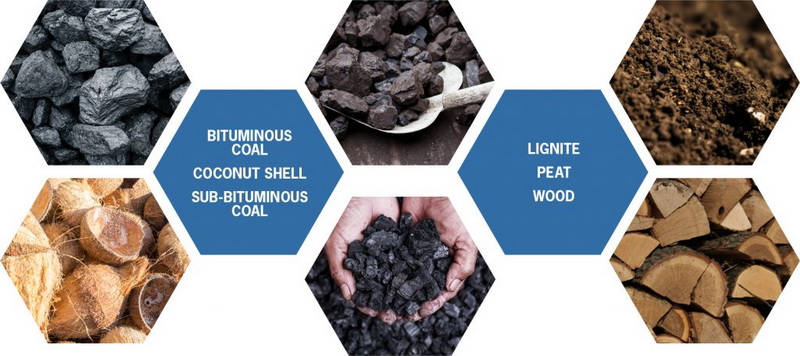
Anthracite is a naturally occurring “hard coal” with very high fixed carbon content, low volatile matter, and a dense structure. Granular activated carbon, by contrast, is a manufactured adsorbent made by carbonizing and activating carbon‑rich raw materials such as coal, coconut shell, or wood, then forming them into controlled-size granules.[2][5][6][7]
Anthracite granular activated carbon is produced by taking selected anthracite coal and subjecting it to thermal or steam activation to create an extensive network of micro‑ and mesopores, greatly increasing surface area. This process converts hard anthracite into high-strength granular activated carbon capable of removing organics, odor compounds, and many dissolved contaminants from water, air, liquids, and gases.[8][9][1][2]
Anthracite filter media vs granular activated carbon
In filtration systems, the term “anthracite filter media” usually refers to crushed and screened anthracite that provides mainly physical particle filtration, not high-capacity adsorption. Granular activated carbon, however, offers both physical filtration and powerful adsorption, making it effective for removing dissolved organics, disinfection by‑products, volatile compounds, and taste and odor substances.[10][11][12][2]
Municipal and industrial water treatment plants sometimes use anthracite as the top layer in multimedia filters, while granular activated carbon is used where dissolved contaminant removal and polishing are required. Upgrading from simple anthracite filter media to coal-based granular activated carbon significantly improves removal of organic micro‑pollutants and many synthetic chemicals regulated by environmental authorities.[4][7][13][2]
How anthracite becomes granular activated carbon
Coal-based granular activated carbon, including anthracite grades, is produced through several key steps: careful selection of coal, controlled carbonization, activation, and granulation or sizing. For anthracite, high fixed carbon and hardness support the development of a dense, stable pore structure with strong mechanical strength during activation.[14][5][15][1]
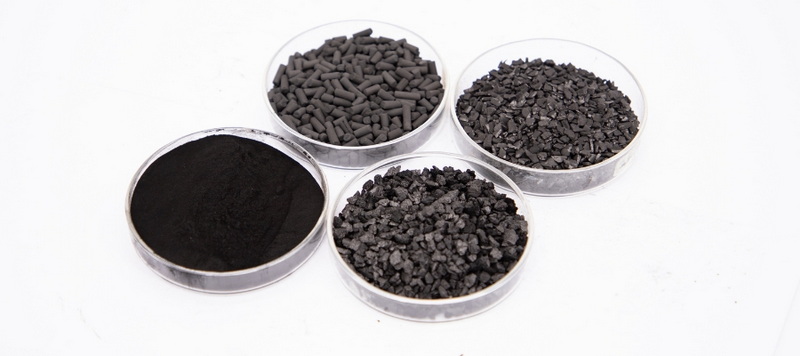
During activation, anthracite is heated to high temperatures in the presence of steam or limited oxygen, burning off volatile components and opening an internal network of pores that dramatically increases surface area. The resulting granular activated carbon is then crushed, screened into standard sizes (for example 8×30, 12×40, or 20×40 mesh), and washed to remove fines and soluble impurities before packaging.[3][9][6][16]
Properties of anthracite-based granular activated carbon
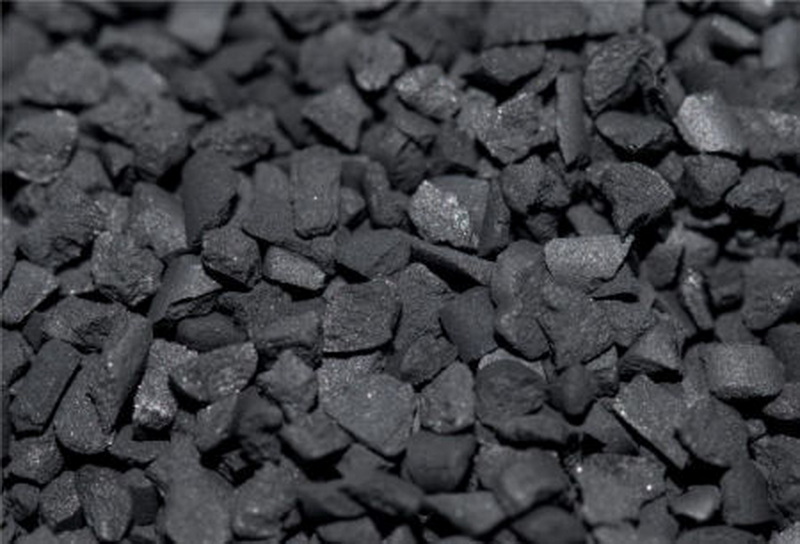
Anthracite granular activated carbon typically offers very high hardness and abrasion resistance, which helps minimize dust formation and mechanical losses in backwashed filters and dynamic systems. This high strength supports long service life and makes anthracite granular activated carbon particularly suitable for repeated thermal reactivation cycles.[6][17][15][1]
The pore size distribution of anthracite granular activated carbon includes a high proportion of micro‑ and mesopores, enabling effective adsorption of many small and medium organic molecules in water and gas streams. In practice, this means anthracite-based granular activated carbon can be tailored to remove disinfection by‑products, taste‑ and odor‑forming compounds, and various industrial organics from water.[12][1][2][4]
Applications of granular activated carbon from anthracite
Granular activated carbon, whether from anthracite or other coal types, is widely used for municipal drinking water, industrial process water, and wastewater polishing. In these applications, granular activated carbon adsorbs organic contaminants, chlorine by‑products, and emerging pollutants such as PFAS, helping operators comply with strict regulatory limits.[13][2][4][12]
Anthracite-based granular activated carbon is also used for environmental air treatment and industrial gas purification, where it removes volatile organic compounds and toxic gases at emission sources. In food, beverage, chemical, and pharmaceutical industries, granular activated carbon protects product quality by removing trace organics, color, odor, and off‑tastes from process streams.[8][4][6]
Anthracite vs other coal-based granular activated carbon
Compared with bituminous coal granular activated carbon, anthracite granular activated carbon typically has higher mechanical strength and better wear resistance. Bituminous-based granular activated carbon, on the other hand, often provides more meso‑ and macropores and can be advantageous for adsorbing larger organic molecules in some applications.[7][16][1]
For long-term, demanding industrial environments, such as continuous gas purification or high‑velocity water filters, the durability of anthracite granular activated carbon can reduce replacement frequency and operating cost. For high loading, short‑contact‑time systems where fast adsorption of large molecules is critical, certain bituminous granular activated carbon grades may be preferred, sometimes with chemical impregnation.[1][6][8]
Typical granular activated carbon uses in water treatment
Granular activated carbon is widely recognized by regulators and industry experts as one of the best available technologies for removing many organic contaminants from drinking water. When applied in fixed‑bed filters, granular activated carbon can remove disinfection by‑products, pesticides, industrial solvents, and many taste‑ and odor‑forming substances.[2][4][12][13]
In groundwater and industrial wastewater treatment, granular activated carbon systems often serve as a polishing step downstream of other processes such as clarification, filtration, or biological treatment. This configuration allows granular activated carbon to capture residual organics and trace chemicals to meet discharge limits or reuse standards.[4][6][13][2]
Granular activated carbon in air and gas purification
In environmental air treatment, granular activated carbon is used to remove volatile organic compounds and odorous gases from industrial exhaust and indoor air. Anthracite-based granular activated carbon with high hardness and stable pore structure can be particularly advantageous in deep‑bed adsorbers and regenerable gas treatment systems.[6][1][8]
For specialized gas applications, such as solvent recovery or toxic gas capture, granular activated carbon may be chemically modified or impregnated to enhance selectivity and capacity. Choosing between anthracite granular activated carbon and other coal- or coconut-based grades depends on gas composition, humidity, temperature, and required service life.[16][1][8][6]
Reactivation and sustainability of granular activated carbon
A major advantage of granular activated carbon compared with powdered forms is the ability to thermally reactivate the spent media and reuse it. After reaching adsorption capacity, granular activated carbon can be transported to a reactivation facility, heated to high temperatures, and restored to a useful level of activity for the same or similar applications.[13][2][6]
This reactivation option significantly reduces waste disposal volumes and the overall environmental footprint of treatment systems using granular activated carbon. Anthracite granular activated carbon, with its high mechanical strength, is well suited to withstand multiple reactivation cycles while maintaining acceptable performance.[1][2][6][13]
Practical selection tips for anthracite granular activated carbon
When selecting anthracite granular activated carbon for water treatment, engineers evaluate parameters such as iodine number or surface area, particle size distribution, hardness, and ash content. For municipal and industrial water filters, common granular activated carbon sizes like 8×30 or 12×40 mesh balance pressure drop, filtration, and adsorption performance.[15][3][4]
In air and gas applications, designers consider bulk density, pore size distribution, hardness, and any required chemical impregnation when specifying granular activated carbon. Working with an experienced granular activated carbon manufacturer or supplier helps match anthracite-based products to the specific contaminants, flow conditions, and regeneration strategy.[8][4][1]
Conclusion
Anthracite coal in its raw form is not granular activated carbon, but when specially processed and activated, anthracite becomes a high‑strength coal-based granular activated carbon suitable for demanding industrial and municipal applications. By combining the inherent hardness of anthracite with engineered pore structures, anthracite granular activated carbon delivers durable adsorption performance in water treatment, air and gas purification, and many process industries.[3][1][2][4]
For engineers and buyers, the key point is to evaluate whether anthracite-based granular activated carbon offers the right balance of mechanical strength, adsorption capacity, and lifecycle cost for each project. Working closely with a specialized granular activated carbon manufacturer allows users to customize anthracite-based grades for specific contaminants, system designs, and regeneration strategies across global industrial markets.[1][6][8][4]
FAQ about anthracite and granular activated carbon
1. Is anthracite coal the same as granular activated carbon?
Anthracite coal and granular activated carbon are not the same: anthracite is a natural hard coal, while granular activated carbon is a processed adsorbent with a highly developed pore structure. However, anthracite can be used as a raw material to manufacture anthracite-based granular activated carbon for water, air, and gas purification.[5][3][6][1]
2. What are the advantages of anthracite-based granular activated carbon?
Anthracite-based granular activated carbon offers high mechanical strength, excellent abrasion resistance, and long service life, making it well suited for backwashed filters and regenerable systems. Its dense pore structure provides effective adsorption of many small and medium organic molecules in both water and gas streams.[17][1][2]
3. Where is granular activated carbon used in water treatment?
Granular activated carbon is used in municipal drinking water plants, industrial process water treatment, and groundwater or wastewater polishing systems. In these applications, granular activated carbon removes disinfection by‑products, pesticides, solvents, and taste‑ and odor‑forming compounds, helping systems meet regulatory requirements.[12][2][4]
4. Can granular activated carbon be reactivated and reused?
Yes, spent granular activated carbon can be thermally reactivated in specialized facilities and reused for many of the same applications, which is a key sustainability advantage. Anthracite-based granular activated carbon is particularly suitable for multiple reactivation cycles owing to its high hardness and stability.[6][13][1]
5. How do I choose between anthracite granular activated carbon and other GAC types?
Selection depends on target contaminants, water or gas quality, operating conditions, and cost targets, as different granular activated carbon types have different pore structures and strengths. Consulting with a granular activated carbon manufacturer helps compare anthracite, bituminous, and coconut‑based GAC options and identify the optimal grade for each application.[16][1][8][4]
Citations:
[1](https://heycarbons.com/anthracite-vs-bituminous-coal-activated-carbon/)
[2](https://www.watertechonline.com/wastewater/article/15549934/granular-activated-carbon-as-an-adsorption-and-filtration-medium)
[3](https://www.coal-activatedcarbon.com/sale-53735090-20x40-mesh-granular-anthracite-coal-activated-carbon-for-chemical-auxiliary-agent.html)
[4](https://generalcarbon.com/understanding-granular-activated-carbon-for-water-treatment/)
[5](https://www.academia.edu/97692601/Properties_and_differences_of_Anthracite_and_Activated_Carbon_in_water_treatment)
[6](https://www.sciencedirect.com/topics/engineering/granular-activated-carbon)
[7](https://genesiswatertech.com/blog-post/benefits-of-anthracite-carbon-media-for-municipal-drinking-water-treatment-applications/)
[8](https://www.calgoncarbon.com/gac/)
[9](https://zhulincarbon.en.made-in-china.com/product/fFRakEAGjtTe/China-Anthracite-Coal-Based-Granular-Activated-Carbon-for-Polluted-River.html)
[10](https://recofiltration.com/anthracite-filter-media)
[11](https://urbansaqua.com/products/filter-media/anthracite/)
[12](https://www.wwdmag.com/what-is-articles/article/10939799/what-is-granular-activated-carbon-gac)
[13](https://semspub.epa.gov/work/HQ/401595.pdf)
[14](https://micbacindia.com/coal-based-granular-activated-carbon)
[15](https://www.baiyuncarbon.com/activated-carbon/790.html)
[16](https://activatedcarbon.net/difference-between-coal-and-wood-and-coconut-shell-activated-carbon/)
[17](https://yukuangcpc.en.made-in-china.com/product/eQArCLNYhOVt/China-High-Quality-Anthracite-Granular-Coal-Activated-Carbon.html)
[18](https://mellifiq.com/en/coal-anthracite-bituminous-based-activated-carbon/)
[19](https://www.wwdmag.com/wastewater-treatment/article/10977003/calgon-carbon-corp-anthracite-vs-granular-activated-carbon-for-removing-disinfection-by-products)
[20](https://www.ifsqn.com/forum/index.php/topic/26155-difference-between-anthracite-activated-carbon-in-filtration/)


