Content Menu
● What Is Iodine Impregnated Activated Carbon?
● How Iodine Impregnated Activated Carbon Is Prepared
>> Selecting the Base Activated Carbon
>> Dissolving and Fixing Iodine
>> Impregnation and Soaking
>> Drying and Stabilization
>> Storage and Handling
>> Quality Control and Iodine Loading Verification
● Safety and Operational Considerations
● Key Industrial Uses of Iodine Impregnated Activated Carbon
>> Gas and Air Treatment
>> Water Treatment and Disinfection
>> Radioactive Iodine Capture
>> Food and Pharmaceutical Processes
● Real‑World Customer Specifications and Case Experience
>> Food Antibacterial Coconut Shell Powder Case
>> Coal‑Based Pelletized Mercury Removal Case
● Types of Iodine Impregnated Activated Carbon Products
>> Coconut Shell Granular Iodine‑Loaded Carbon
>> Pelletized Gas‑Phase Iodine‑Loaded Carbon
>> Elemental Iodine Versus Iodide Impregnation
● Performance Benefits for Industrial Users
>> Enhanced Organic Compound Adsorption
>> Controlled Disinfection and Slow Release
>> Extended Service Life and Cost Efficiency
● Practical Guidance for Specifying Iodine Impregnated Activated Carbon
● Frequently Asked Questions
● References
In modern water, air, and gas treatment systems, iodine impregnated activated carbon has become a critical material for combining deep adsorption with targeted disinfection and contaminant removal. Drawing on over two decades of practical experience in activated carbon manufacturing and global project support, I'll walk through how this material is prepared, where it delivers the most value, and how industrial users can specify the right iodine‑loaded grade for demanding applications. [mdpi]
What Is Iodine Impregnated Activated Carbon?
Iodine impregnated activated carbon is activated carbon that has been loaded with elemental iodine (I₂) or iodine compounds such as potassium iodide (KI) to enhance its disinfection capability and its affinity for specific pollutants. Thanks to its high specific surface area and interconnected micropore network, activated carbon offers an ideal host for iodine molecules, allowing both strong adsorption and controlled release in use. [sciencedirect]
From an industrial user's perspective, this means a single medium can:
- Adsorb organic contaminants, odors, and trace pollutants through the carbon's porous structure. [tongkeac]
- Provide bactericidal and antiviral action via iodine's well‑known disinfectant properties, especially in water and healthcare environments. [mdpi]
- Capture gaseous and radioactive iodine species in nuclear, chemical, and specialty gas treatment systems. [sciencedirect]
How Iodine Impregnated Activated Carbon Is Prepared
While different manufacturers use proprietary process variations, the core preparation route can be understood in six practical steps. Below is a process description aligned with large‑scale industrial production. [tongkeac]
Selecting the Base Activated Carbon
The performance of iodine impregnated grades starts with choosing the right base carbon:
- Coconut shell activated carbon: Very high hardness and microporosity, ideal for drinking water purification and food‑related applications. [tongkeac]
- Coal‑based pelletized activated carbon: Robust mechanical strength and good gas flow characteristics, preferred for flue gas and mercury removal towers. [sciencedirect]
In practice, water treatment projects typically choose coconut‑based granular or powdered activated carbon, while gas‑phase applications lean toward pelletized coal‑based grades to minimize pressure drop and handle high flow rates. [sciencedirect]
Dissolving and Fixing Iodine
Elemental iodine (I₂) is commonly supplied as solid crystals, which must be dissolved in a suitable solvent such as ethanol or water. The dissolved iodine penetrates the carbon pores and is then fixed onto the internal surface area through physical adsorption and, in some cases, mild surface reactions. [mdpi]
Impregnation and Soaking
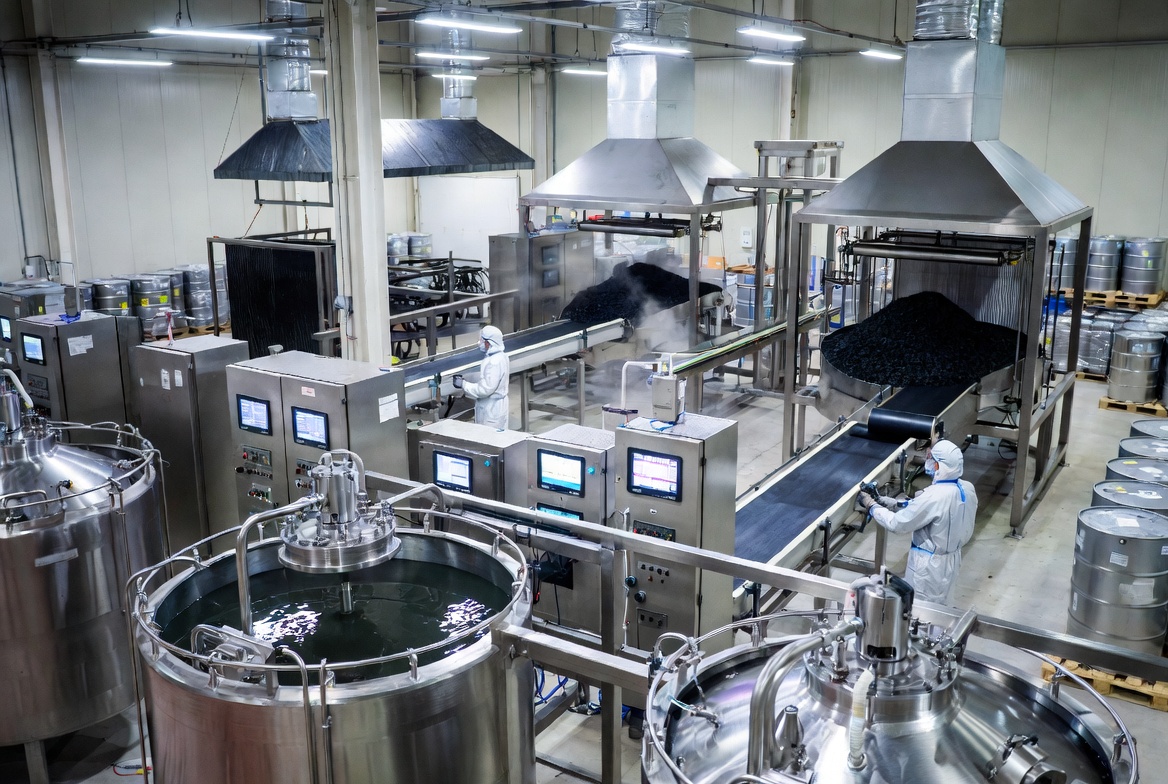
The selected activated carbon is soaked in the iodine solution for a controlled period ranging from several hours to up to 24 hours, depending on target loading. Key process parameters include: [tongkeac]
- Soaking time: Longer times usually increase iodine loading but must be balanced against cost and uniformity. [tongkeac]
- Solution concentration: Adjusted to achieve specific iodine contents, for example 10–20% by mass for food‑related antibacterial uses. [tongkeac]
- Agitation and mixing: Ensures uniform contact between carbon particles and iodine solution, critical for batch consistency. [tongkeac]
Drying and Stabilization
After impregnation, the carbon is dried in a ventilated environment or industrial oven at typically 50–80 °C. The temperature window is chosen to: [tongkeac]
- Remove the solvent without excessive thermal stress.
- Minimize iodine volatilization, preserving the required loading and maintaining long‑term performance. [tongkeac]
For high‑volume production, continuous belt dryers or modular oven systems are used to control temperature profiles and residence time.
Storage and Handling
Once dried and stabilized, iodine impregnated activated carbon must be stored in sealed containers, away from light and moisture, to reduce iodine loss and prevent premature reaction with ambient humidity or air contaminants. [sciencedirect]
Industrial best practice includes:
- Using lined drums or high‑barrier bags.
- Keeping storage areas cool and dry.
- Implementing batch‑level stock rotation for predictable performance.
Quality Control and Iodine Loading Verification
Before material is released to customers, routine quality control tests are carried out. [tongkeac]
Typical parameters include:
- Iodine adsorption value of the base carbon (often ≥1050 mg/g for high‑performance grades). [tongkeac]
- Target iodine loading (for example ≥12% for coal‑based pellets used in mercury removal). [tongkeac]
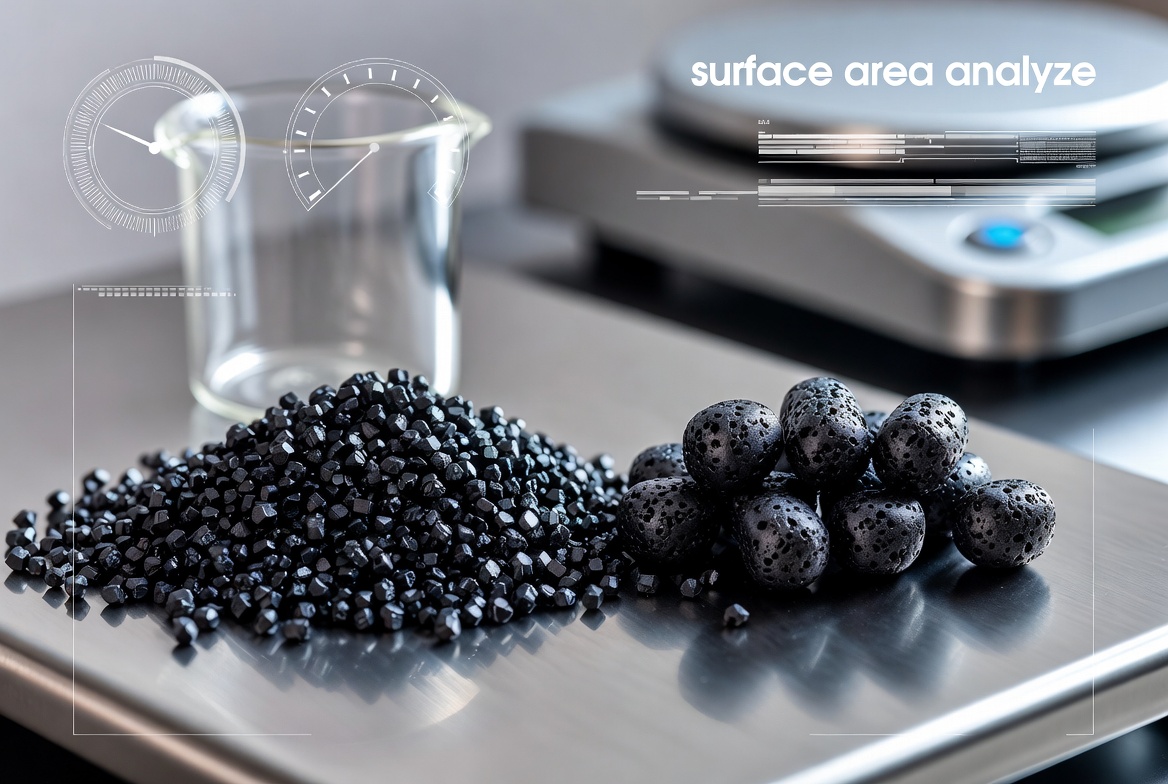
- Specific surface area (around 1000 m²/g in representative coal‑based examples). [tongkeac]
- Mechanical strength and moisture content, to confirm durability and stability in field use. [tongkeac]
For food‑grade applications, additional compliance checks are needed, such as NSF, KOSHER, and HALAL certification of raw materials and processes. [tongkeac]
Safety and Operational Considerations
Because elemental iodine can irritate the respiratory system and skin, impregnation and handling should be done in well‑ventilated areas with appropriate protective equipment. [mdpi]
Recommended practices include:
- Wearing gloves and masks during preparation and bulk handling. [tongkeac]
- Avoiding unnecessary heating or open‑air exposure of iodine solutions.
- Implementing local exhaust ventilation or fume hoods during mixing and drying where applicable. [sciencedirect]
For end users, iodine impregnated activated carbon is typically supplied in sealed packaging and integrated into enclosed systems, meaning normal operation presents low risk as long as standard industrial safety protocols are respected. [tongkeac]
Key Industrial Uses of Iodine Impregnated Activated Carbon
Gas and Air Treatment
In air purification and gas processing, iodine impregnated activated carbon is used to remove a broad range of pollutants:
- Mercury and other heavy metals in flue gases and raw gas streams. [sciencedirect]
- Volatile organic compounds (VOCs) such as solvents and process emissions. [sciencedirect]
- Household and industrial pollutants including formaldehyde, benzene, and ammonia, especially in laboratories, chemical plants, and healthcare facilities. [tongkeac]
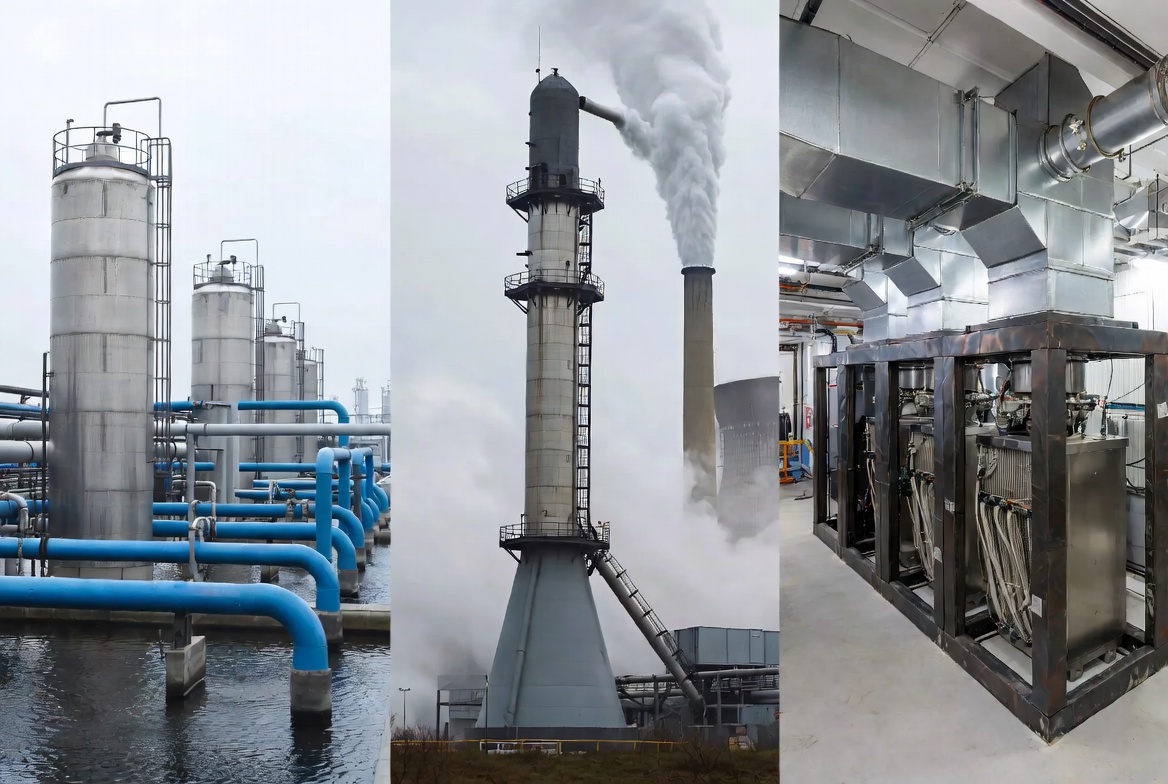
Pelletized coal‑based grades are commonly packed into mercury removal towers, where design parameters such as bulk density (for example 600–650 kg/m³) and bed volume determine system performance and pressure drop. [sciencedirect]
Water Treatment and Disinfection
In water systems, coconut shell iodine impregnated activated carbon delivers dual benefits:
- Adsorption of organic pollutants, residual chlorine, odors, and ammonia through the carbon matrix. [tongkeac]
- Ongoing disinfection via slow release of iodine, reducing microbial activity and extending the effectiveness of the carbon bed. [mdpi]
For drinking water purification and food‑related uses, it is common to specify:
- Fine powders (e.g., 200 mesh) or granular grades with iodine values around 1200 mg/g for strong adsorption performance. [tongkeac]
- Controlled iodine content in the 10–20% range, tailored to antibacterial requirements and regulatory limits. [tongkeac]
Radioactive Iodine Capture
Iodine impregnated activated carbon is widely recognized as a primary adsorbent for radioactive iodine isotopes such as I‑131 in nuclear and radiological environments. [sciencedirect]
In these applications, the material is used to:
- Capture gaseous iodine from contaminated air or off‑gas streams, protecting workers and nearby communities. [sciencedirect]
- Provide a robust, cost‑effective alternative to more complex porous materials, which may suffer from scalability or environmental limitations. [sciencedirect]
Recent studies emphasize the importance of microporosity, hydrophobic surfaces, and nitrogen‑containing active sites in maximizing iodine uptake and maintaining performance under high humidity, and iodine‑loaded carbon remains a practical option in commercial nuclear facilities. [sciencedirect]
Food and Pharmaceutical Processes
In food processing and pharmaceutical manufacturing, iodine impregnated activated carbon is used to:
- Remove unwanted organics and residual chemicals that can affect taste, stability, or purity. [tongkeac]
- Provide microbial control in specific process steps, complementing other hygiene and sterilization measures. [mdpi]
In the medical field, activated carbon can act as a drug adsorbent for certain overdose scenarios and is also used for wound disinfection and sterilizing medical devices, where iodine's biocidal properties add an extra layer of protection. [mdpi]
Real‑World Customer Specifications and Case Experience
Drawing on practical project cases, it is useful to look at how industrial users actually specify iodine impregnated activated carbon. [tongkeac]
Food Antibacterial Coconut Shell Powder Case
A typical food antibacterial application may require:
- Coconut shell activated carbon, suitable for food contact.
- 200 mesh powdered form, ensuring rapid dispersion and large surface contact area. [tongkeac]
- Iodine value around 1200 mg/g, indicating very high adsorption capacity. [tongkeac]
- Iodine content of 10–20%, adjusted according to antibacterial performance and regulatory requirements. [tongkeac]
This combination supports effective removal of off‑flavors, residual chlorine, and trace organics, while providing antimicrobial action where needed. [mdpi]
Coal‑Based Pelletized Mercury Removal Case
For a mercury removal tower treating raw gas, a representative specification may include: [sciencedirect]
| Project Parameter | Unit | Typical Specification |
| Type | – | Pelleted, coal‑based |
| Bulk density | g/L | 600–650 |
| Iodine adsorption value (base carbon) | mg/g | ≥1050 |
| CCl₄ adsorption value (base carbon) | % | ≥70 |
| Iodine loading | % | ≥12 |
| Strength | % | ≥92 |
| Specific surface area | m²/g | ~1000 |
| Moisture | % | ≤3 |
Such material is loaded into a bed volume of around 14.48 m³ (approximately 9050 kg), depending on plant design and throughput. This configuration allows reliable mercury capture with manageable replacement intervals for large‑scale gas treatment systems. [sciencedirect]
Types of Iodine Impregnated Activated Carbon Products
Coconut Shell Granular Iodine‑Loaded Carbon
High‑quality coconut shell granular grades are widely used for:
- Drinking water purification and sterilization.
- Removal of heavy metals, harmful organic compounds, and residual disinfectants in water. [tongkeac]
By integrating iodine‑loaded carbon into water treatment systems, operators can extend the working cycle of their beds and improve overall adsorption efficiency, while reducing the need for separate disinfection stages. [tongkeac]
Pelletized Gas‑Phase Iodine‑Loaded Carbon
In gas‑phase systems, pelletized iodine impregnated activated carbon is designed to:
- Provide high mechanical strength and low dust generation in packed beds.
- Enhance capture of mercury, hydrogen sulfide, ammonia, and other harmful gases through combined physical adsorption and chemical reactions with iodine. [sciencedirect]
Although alternative mercury adsorbents and catalytic systems exist, columnar iodine‑loaded activated carbon remains a widely used, cost‑efficient solution for many industrial plants. [sciencedirect]
Elemental Iodine Versus Iodide Impregnation
In addition to elemental iodine I₂, some applications use potassium iodide (KI) impregnated carbon, which can offer different reactivity and stability profiles under varying conditions. Selecting between I₂ and KI depends on: [mdpi]
- Target contaminant chemistry.
- Operating pH and temperature.
- Regulatory and safety considerations in the target industry. [mdpi]
Performance Benefits for Industrial Users
From a user standpoint, the key advantages of well‑engineered iodine impregnated activated carbon are:
Enhanced Organic Compound Adsorption
Impregnation can increase effective adsorption capacity for small organic molecules, particularly VOCs, solvents, and odor‑forming compounds. In practice, this leads to cleaner air streams and more stable product quality in sensitive manufacturing operations. [sciencedirect]
Controlled Disinfection and Slow Release
Under certain conditions, iodine impregnated activated carbon can slowly release iodine, maintaining a sustained disinfection effect in water and healthcare environments. This characteristic is especially useful in medium‑term operation, where consistent microbial control is required without frequent chemical dosing. [mdpi]
Extended Service Life and Cost Efficiency
Compared with conventional activated carbon used in similar roles, iodine‑loaded grades often deliver a longer effective service life in applications focused on iodine‑reactive pollutants, reducing change‑out frequency and total lifecycle cost. [sciencedirect]
Practical Guidance for Specifying Iodine Impregnated Activated Carbon
When engineering or upgrading an industrial treatment system, practitioners should focus on several practical criteria:
1. Define the target contaminants and operating phase
- Water vs. gas, organic vs. inorganic, presence of radioactive iodine or heavy metals. [sciencedirect]
2. Select the appropriate base carbon and form
- Coconut shell powder or granules for water and food‑related uses; coal‑based pellets for high‑flow gas and mercury control. [tongkeac]
3. Set iodine loading and performance targets
- Establish required iodine content (%) and adsorption values (e.g., ≥1050 mg/g iodine number) based on pollutant concentration and regulatory limits. [tongkeac]
4. Consider mechanical and hydraulic requirements
- Bulk density, particle size distribution, bed design, and pressure drop are essential for tower and column design. [sciencedirect]
5. Verify certifications and compliance
- For drinking water, food, and pharmaceutical environments, check relevant certifications and material safety data from the supplier. [tongkeac]
By working closely with experienced manufacturers of activated carbon solutions, industrial users can translate these criteria into robust, field‑tested specifications that deliver long‑term performance in critical applications. [tongkeac]
Frequently Asked Questions
Q1: What is the difference between iodine impregnated activated carbon and conventional activated carbon?
Iodine impregnated activated carbon is loaded with elemental iodine or iodide compounds, giving it additional disinfection capability and preferential adsorption for specific pollutants, such as mercury and radioactive iodine, compared with standard activated carbon. [mdpi]
Q2: Which base carbon should be chosen for drinking water applications?
For drinking water and food‑related processes, coconut shell activated carbon is generally preferred due to its high hardness, well‑developed microporosity, and suitability for meeting food‑grade standards and certifications. [tongkeac]
Q3: How is iodine loading typically expressed and controlled?
Iodine loading is usually expressed as a mass percentage of iodine on the activated carbon, with common values ranging from about 10–20% for antibacterial uses and higher percentages for specialized gas‑phase applications; manufacturers control this through solution concentration, soaking time, and post‑drying quality checks. [mdpi]
Q4: Can iodine impregnated activated carbon be used in high‑humidity gas streams?
Yes, but performance must be evaluated carefully, as moisture competes for adsorption sites; recent research and product development focus on hydrophobic surfaces and optimized microporosity to maintain strong iodine capture in humid conditions. [sciencedirect]
Q5: What maintenance considerations apply to industrial systems using iodine impregnated activated carbon?
Operators should monitor pressure drop, outlet pollutant concentrations, and bed age, plan periodic replacement based on loading capacity and regulatory limits, and ensure safe handling and disposal in line with local environmental and radiation regulations when radioactive iodine is involved. [sciencedirect]
References
1. Heycarbons. "Iodine I₂ Impregnated Activated Carbon." https://heycarbons.com/iodine-impregnated-activated-carbon/
2. Guangdong Tongke Activated Carbon Co., Ltd. "About Us – Your Trusted Activated Carbon Supplier in China." https://www.tongkeac.com/aboutus.html
3. Guangdong Tongke Activated Carbon Co., Ltd. "Guangdong Tongke Activated Carbon Co., Ltd. – Product Overview." https://www.tongkeac.com/
4. Natori, Y. et al. "Activated Carbon Impregnated with Elementary Iodine." MDPI, 2021. https://www.mdpi.com/2311-5629/7/4/86
5. Tang, Z. et al. "The Directions of Enhanced Activated Carbon Fibers for Iodine Capture from Humid Gas Streams." Separation and Purification Technology, 2025. https://www.sciencedirect.com/science/article/abs/pii/S1383586624027710


