Content Menu
● What Is Activated Carbon and Why Does Its Structure Matter?
● The Two Mechanisms Behind Activated Carbon Filtration
● The Iodine Number: A Data Point Most Articles Skip
● Activated Carbon Formats: Choosing the Right Type for Your System
● Practical Steps for Selecting the Right Activated Carbon
● Industry Applications Beyond Drinking Water
● Manufacturing Perspective: What Sets Reliable Activated Carbon Apart
● Get Customized Activated Carbon Solutions for Your Application
● Frequently Asked Questions
● References
Clean water underpins public health, industrial productivity, and environmental safety — and activated carbon filtration remains one of the most trusted technologies for achieving it. This guide breaks down exactly how activated carbon removes contaminants, what data proves its performance, and how manufacturers like Guangdong Tongke Activated Carbon Co., Ltd. engineer carbon media for specific water treatment challenges.
What Is Activated Carbon and Why Does Its Structure Matter?
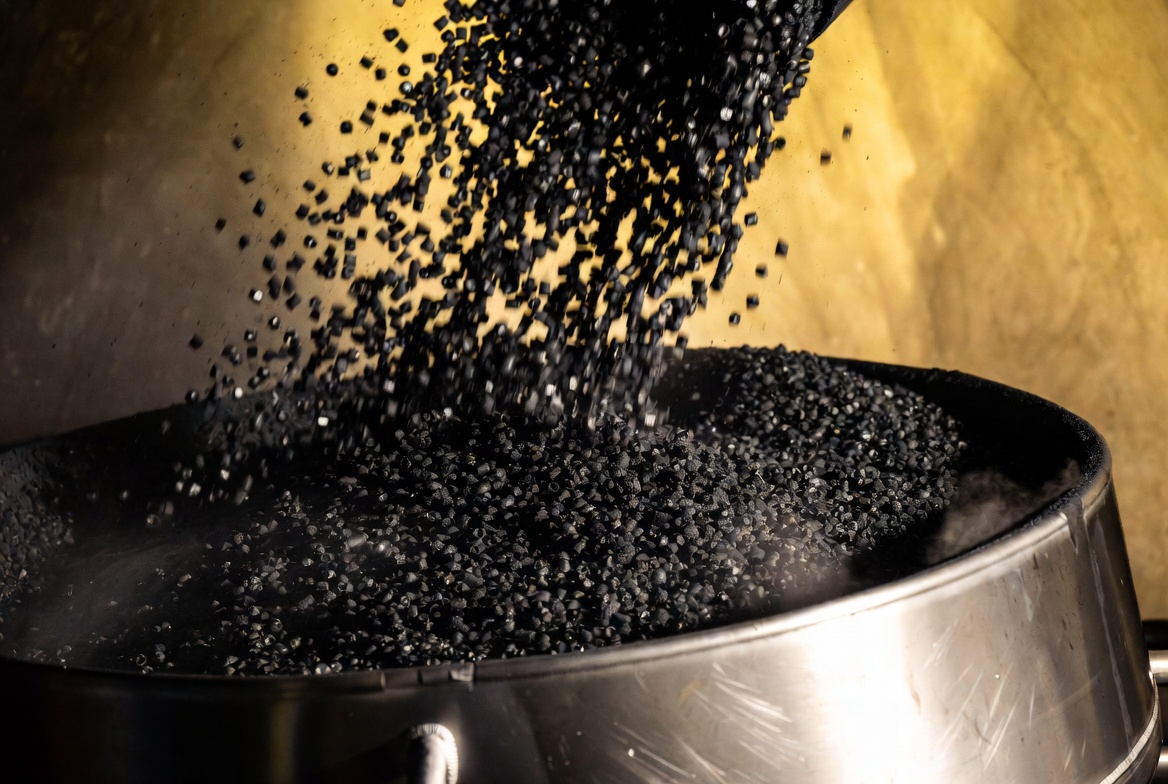
Activated carbon, sometimes called activated charcoal, is a carbon-rich material processed from raw sources such as coal, coconut shells, or wood. Manufacturers subject this raw material to high-temperature steam or chemical activation, a process that carves out millions of microscopic pores across the material's surface.
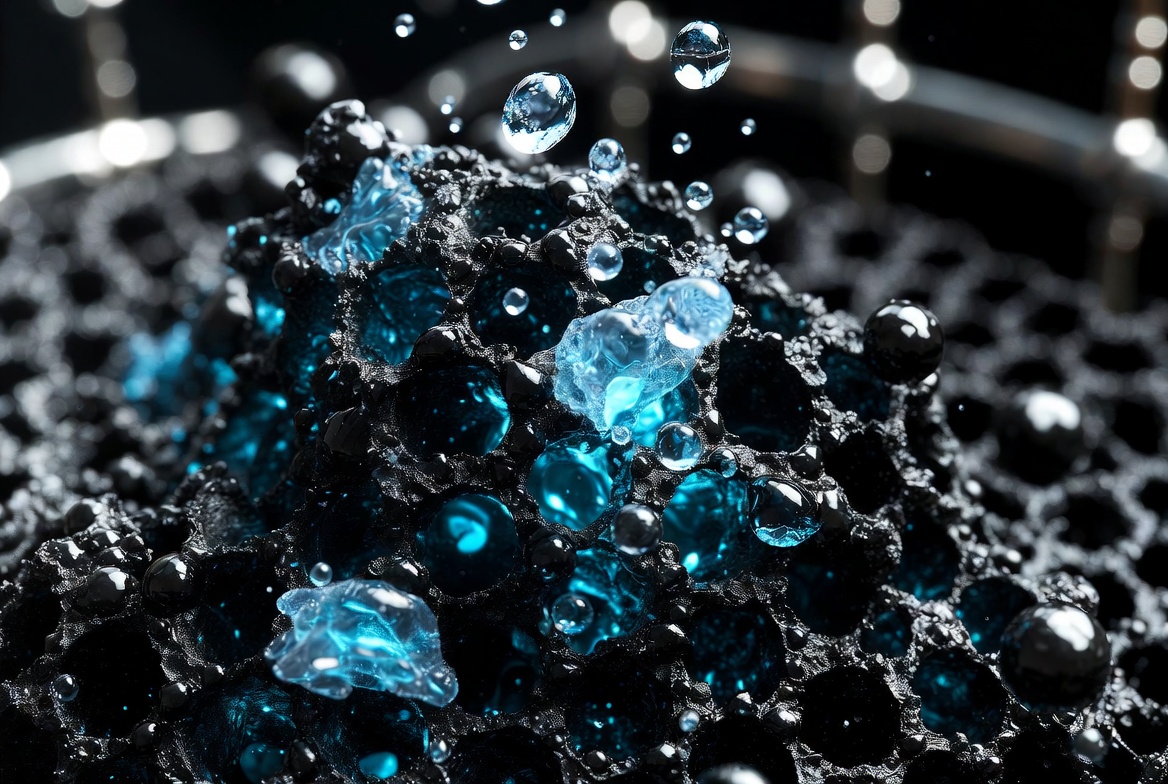
This transformation is what makes activated carbon exceptional at filtration. A single gram of activated carbon can develop a surface area of up to 1,500 square meters — roughly the size of several tennis courts packed into a teaspoon of material. That enormous surface area is the foundation for adsorption, the mechanism by which contaminants stick to carbon rather than pass through it.
The Two Mechanisms Behind Activated Carbon Filtration
Activated carbon doesn't filter water through a single process. It relies on two distinct, complementary mechanisms:
- Physical adsorption: The porous structure functions like a molecular sponge, physically trapping sediment, organic compounds, and some microorganisms.
- Chemical adsorption: Charged molecules — including chlorine, pesticides, and volatile organic compounds (VOCs) — bond to the carbon surface through electrostatic attraction.
Activated carbon reduces free chlorine to chloride and carbon dioxide, and it is particularly strong at removing chlorine, unpleasant tastes, odors, and many organic pollutants. It also captures heavy metal ions such as lead and mercury, though its performance against metals is generally weaker than against organics.
Important limitation: Activated carbon filtration is not effective against dissolved metals broadly, nitrates, or microbial pathogens. This is a critical detail often left out of general overviews, and any facility relying solely on carbon filtration for microbial safety is taking an unnecessary risk.
The Iodine Number: A Data Point Most Articles Skip
One of the most practical yet underused performance indicators in activated carbon selection is the iodine number. This measures the milligrams of iodine adsorbed by one gram of activated carbon under standardized test conditions, and it directly correlates to the material's capacity to adsorb small organic molecules.
A higher iodine number generally indicates greater micropore volume and stronger adsorption capacity for low-molecular-weight contaminants. When evaluating carbon suppliers, procurement teams should request iodine number specifications alongside surface area figures — a genuine expert-level checkpoint that separates informed buyers from those relying on marketing claims alone.
Activated Carbon Formats: Choosing the Right Type for Your System
| Format | Best Application | Key Characteristic |
| Granular Activated Carbon (GAC) | Municipal treatment plants, home systems | Loose granules allow free water flow while maximizing contact time |
| Powdered Activated Carbon (PAC) | Treatment plants needing rapid response | Added directly into water for fast adsorption of targeted pollutants |
| Carbon Block Filters | Point-of-use residential filters | Compressed carbon, often combined with silver to inhibit bacterial growth |
| Extruded/Pelletized Carbon | Industrial gas and liquid-phase systems | Uniform particle size for consistent pressure drop and adsorption performance |
The efficiency of any format depends on contact time, pore size distribution, particle size, density, and the specific chemical properties of the contaminant being targeted. This is why generic "one-size-fits-all" carbon rarely performs optimally across different water chemistries.
Practical Steps for Selecting the Right Activated Carbon
Facility managers and procurement teams evaluating activated carbon suppliers should follow a structured evaluation process:
1. Test raw water chemistry first. Identify target contaminants (chlorine, VOCs, heavy metals, taste/odor compounds) before selecting a carbon type.
2. Match carbon format to system design. GAC suits continuous-flow filtration; PAC suits batch dosing; carbon block suits point-of-use applications.
3. Request iodine number and surface area data. These two metrics are the clearest indicators of adsorption performance.
4. Calculate required contact time. Insufficient contact time is the most common cause of underperforming carbon filters.
5. Plan for regeneration or replacement cycles. Carbon becomes saturated over time and loses adsorption capacity — schedule replacement based on throughput volume, not just calendar time.
Industry Applications Beyond Drinking Water
While drinking water treatment gets the most attention, activated carbon plays a critical role across several other sectors:
- Wastewater treatment: Removes industrial pollutants including dyes, pharmaceutical residues, and hydrocarbons.
- Aquarium and pool systems: Maintains water clarity and neutralizes chemical toxins.
- Food and beverage processing: Used in edible oil refining, sugar decolorization, and wine and beer purification.
- Flue gas and odor control: Adsorbs VOCs and airborne contaminants in industrial air streams.
- Gold recovery: Utilized in extraction processes within the mining industry.
For particularly challenging contamination profiles, activated carbon is frequently paired with reverse osmosis or UV sterilization to deliver comprehensive, multi-barrier purification.
Manufacturing Perspective: What Sets Reliable Activated Carbon Apart
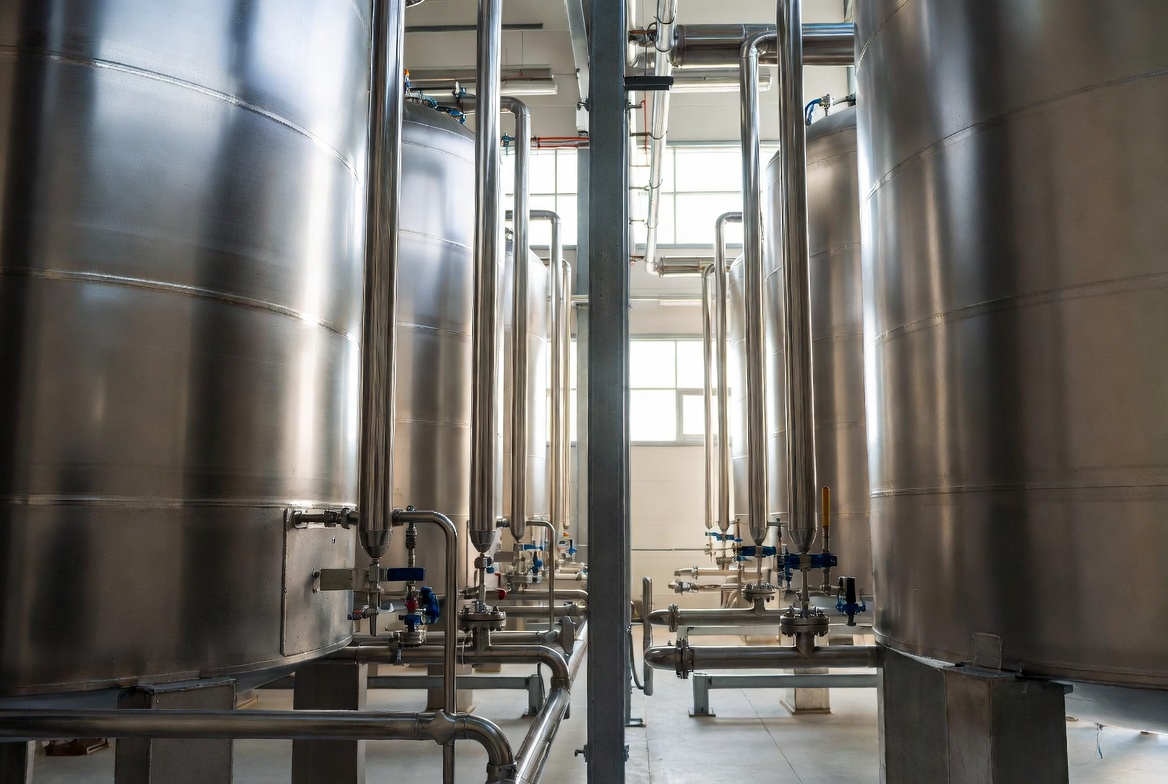
As a manufacturer engaged in scientific research, development, production, and sales of activated carbon, Guangdong Tongke Activated Carbon Co., Ltd. operates from its Dongguan, Guangdong facility with subsidiary production sites in Shandong, Sichuan, and Hunan. The company maintains a production capacity of roughly 30,000 tons with five stock bases, supporting consistent supply security for international buyers.
Product lines span wood-based, coal-based, coconut shell-based, honeycomb, granular, powdered, and pelletized activated carbon, engineered for water treatment, air purification, food processing, solvent recovery, and even thermoelectric power applications. Export operations cover South America, Eastern Europe, Southeast Asia, Africa, Oceania, and Western Europe, with flexible Incoterms (FOB, EXW, CFR, CIF, DAT) to accommodate varied buyer logistics needs.
Reliable suppliers differentiate themselves through:
- Real-time quality testing against relevant national standards during production.
- Customization capability to meet buyer-specific national standards or technical requirements.
- Dedicated after-sales support for troubleshooting performance issues in the field.

Get Customized Activated Carbon Solutions for Your Application
If your facility needs activated carbon engineered for a specific water chemistry, industrial process, or compliance standard, Guangdong Tongke Activated Carbon Co., Ltd. offers technical consultation and customized production runs backed by 30,000-ton annual capacity and global export experience. Contact our technical team today to discuss your specifications and request performance data for your application.
Frequently Asked Questions
1. How long does activated carbon last before it needs replacement?
Lifespan depends on water volume, contaminant load, and carbon type, but most residential filters need replacement every 3-6 months, while industrial systems require capacity-based scheduling tied to throughput volume and breakthrough testing.
2. Can activated carbon remove bacteria or viruses from water?
No. Activated carbon filtration is not designed to remove microbial contaminants; it should be paired with UV sterilization, reverse osmosis, or disinfection methods for microbiological safety.
3. What is the difference between GAC and PAC?
Granular Activated Carbon (GAC) is used in continuous-flow filter beds for ongoing treatment, while Powdered Activated Carbon (PAC) is dosed directly into water for rapid, targeted adsorption of specific pollutants.
4. Does activated carbon remove heavy metals like lead?
Activated carbon can reduce lead and mercury by attracting their ions, but its effectiveness against dissolved metals generally is limited compared to its performance against chlorine and organic compounds.
5. What does the iodine number tell buyers about carbon quality?
The iodine number measures adsorption capacity for small organic molecules; a higher number typically indicates greater micropore volume and stronger overall adsorption performance.
6. Is activated carbon effective for industrial wastewater treatment?
Yes. It is widely used to address dyes, pharmaceutical residues, and hydrocarbon contaminants in industrial wastewater streams before discharge or reuse.
References
1. Minnesota Department of Health / EPA-aligned guidance, "Drinking Water Treatment: Activated Carbon Filtration" — https://www.health.state.mn.us/communities/environment/water/factsheet/gac.html
2. "Activated Carbon Filtration in Water Treatment and Testing" — https://www.usalab.com/blog/activated-carbon-filtration-water-treatment
3. Original source article: "How Activated Carbon Filters Water: A Scientific and Practical Overview," Huamei Carbon — https://www.huameicarbon.com/how-activated-carbon-filters-water-a-scientific-and-practical-overview/
4. Guangdong Tongke Activated Carbon Co., Ltd. company profile — https://tkcarbon.en.made-in-china.com/
5. Guangdong Tongke Activated Carbon Co., Ltd. applications page — https://www.tongkeac.com/Application.html
6. Guangdong Tongke Activated Carbon Co., Ltd. product catalog — https://www.tongkeac.com/


