Content Menu
● What Is Activated Carbon vs. Charcoal?
● Why the Terminology Confuses Buyers
● How Activated Carbon Is Produced
>> The Two Core Steps: Carbonization and Activation
● Coal-Based Activated Carbon: Process and Properties
>> Production Process of Coal Activated Carbon
>> Key Physical and Chemical Properties
● Coconut Shell Activated Charcoal: Process and Properties
>> Production Process of Coconut Shell Activated Charcoal
>> Key Physical and Chemical Properties
● Wood Activated Charcoal: Process and Properties
>> Production Process of Wood Activated Charcoal
>> Key Physical and Chemical Properties
● Benefits and Drawbacks: Coal vs Coconut vs Wood
>> Major Advantages
>> Main Challenges and Limitations
● Industrial Applications by Material Type
>> Where Coal Activated Carbon Excels
>> Where Coconut Shell Activated Charcoal Shines
>> Where Wood Activated Charcoal Is the Best Fit
● Wood Activated Carbon for Modern Industrial Needs
● How to Choose: An Engineer's Shortlist
● Practical Case Example: Water vs Air Filtration
● Expert Tips for Specifying Activated Carbon
● Where to Source High-Quality Activated Carbon
● Call to Action: Talk to an Activated Carbon Specialist
● FAQs About Activated Carbon vs Charcoal
● References
Activated carbon and charcoal are often used interchangeably, but for industrial buyers, they differ clearly in raw materials, pore structure, performance, and lifecycle cost. This expert guide reframes "activated carbon vs charcoal" from a practical, engineering and procurement perspective and positions Guangdong Tongke Activated Carbon Co., Ltd. as a trusted supplier for global industrial applications. [clickx]
What Is Activated Carbon vs. Charcoal?
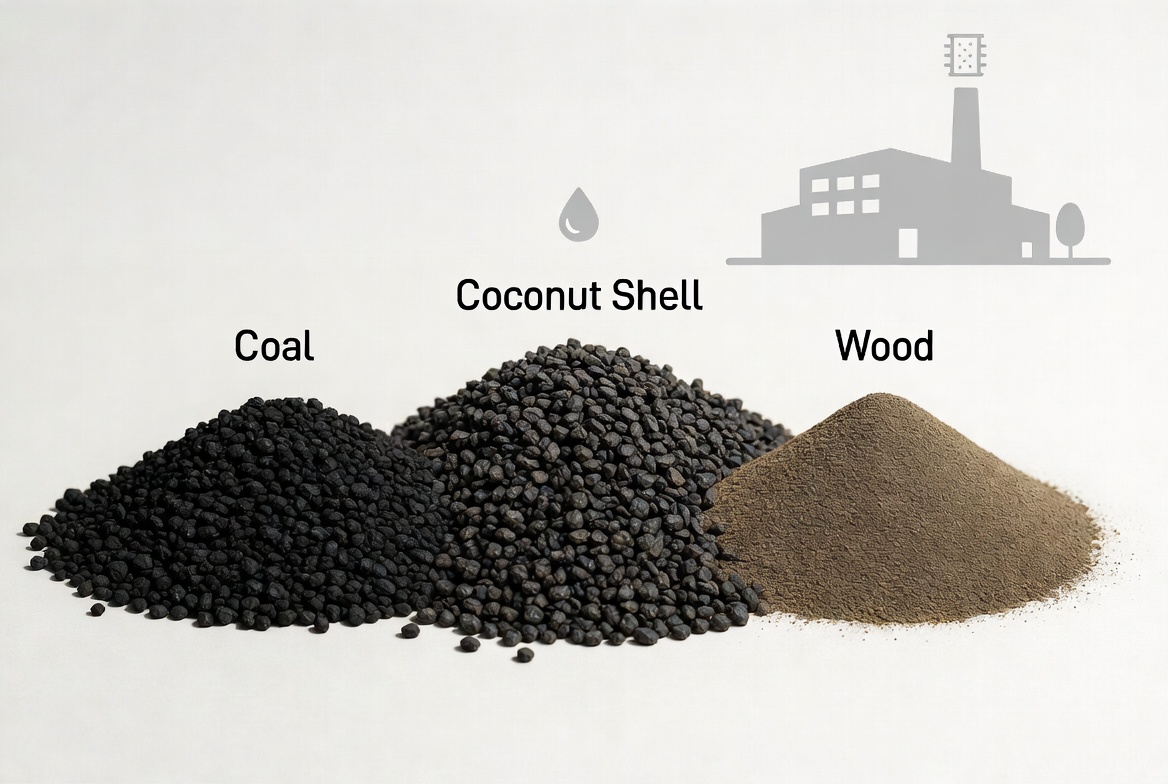
Activated carbon is a highly porous form of carbon produced through controlled carbonization and activation processes to create a massive internal surface area for adsorption. Charcoal is the broader term for carbonized organic material (such as coal, wood, or coconut shell) before or after activation, and in industrial usage "activated carbon" and "activated charcoal" typically refer to specific raw-material-based product families. [suneetacarbons]
In practical industrial language, coal-based activated carbon is usually called "activated carbon," while coconut shell and wood-based products are often referred to as "activated charcoal." Knowing these naming conventions helps engineers and buyers avoid specification confusion when comparing datasheets, MSDS documents, or supplier quotes. [clickx]
Why the Terminology Confuses Buyers
Many buyers search terms like "activated carbon vs charcoal" or "are charcoal cabin filters better?" and get mixed consumer-level answers that are not aligned with industrial standards. Industrial classification, however, is based on raw material, pore size distribution, and application field, not just names. [suneetacarbons]
When you talk to a manufacturer, "activated carbon" vs "activated charcoal" usually signals:
- Different feedstocks (coal vs coconut shell vs wood). [clickx]
- Different pore structures (more micropores vs more meso/macropores). [clickx]
- Different performance profiles (e.g., VOC removal vs decolorization vs large-molecule adsorption). [zhulincarbon]
For procurement teams and engineers, aligning terminology with technical specifications avoids misordered products, inconsistent performance, and unnecessary requalification tests. [siteimprove]
How Activated Carbon Is Produced
The Two Core Steps: Carbonization and Activation
All modern industrial activated carbons follow a two-step process:
- Carbonization: Heating the raw material (coal, coconut shell, wood) under oxygen-deficient conditions to remove volatiles and form a carbon skeleton. [clickx]
- Activation: Developing a controlled porous structure using physical activation (steam, gases) or chemical activation (agents such as phosphoric acid or zinc chloride). [zhulincarbon]
The raw material and activation method directly determine pore size distribution, hardness, and surface chemistry, which in turn control performance and service life in industrial systems. [guides.libraries.psu]
Coal-Based Activated Carbon: Process and Properties
Production Process of Coal Activated Carbon
Coal-based activated carbon is typically made from anthracite, bituminous coal, or lignite. The coal is carbonized under oxygen-deficient conditions, then activated—often by physical means—to develop a porous structure where anthracite tends to be rich in micropores, while bituminous coal features medium and larger pores. [zhulincarbon]
This process yields a robust, granular or powdered product with good abrasion resistance and a balanced pore structure suitable for both water and gas treatment. [clickx]
Key Physical and Chemical Properties
- Physical profile: Black granules or powder with high abrasion resistance, moderate density, and high specific surface area. [clickx]
- Surface chemistry: Rich in acidic surface oxide groups (carboxyl, hydroxyl, carbonyl), which improves adsorption of polar molecules and enhances performance in many aqueous applications. [clickx]
These properties make coal-based activated carbon a cost-effective workhorse for large-scale municipal and industrial systems where volume throughput and lifecycle cost matter more than extreme purity. [siteimprove]
Coconut Shell Activated Charcoal: Process and Properties
Production Process of Coconut Shell Activated Charcoal
Coconut shell activated charcoal is produced by carbonizing dried coconut shells in an oxygen-deficient environment and then applying physical activation—often with steam—to create a dense network of fine pores. The result is a hard, durable carbon matrix with a very high proportion of micropores. [zhulincarbon]
Because coconuts are harvested multiple times per year and shells are an agricultural byproduct, this feedstock supports more sustainable, circular production models. [zhulincarbon]
Key Physical and Chemical Properties
- Physical profile: Dark granular material with very high specific surface area and uniform microporosity. [clickx]
- Durability: Excellent hardness and wear resistance, with low breakage even in pressurized vessels and repeated backwashing cycles. [clickx]
- Chemical stability: Neutral to slightly acidic surface pH, good acid and alkali resistance, and relatively low ash content—especially after acid washing, where ash can drop below 1%. [clickx]
These traits make coconut shell activated charcoal especially attractive for high-purity water, beverage filtration, and air purification where long-term VOC and odor control is critical. [heycarbons]
Wood Activated Charcoal: Process and Properties
Production Process of Wood Activated Charcoal
Wood activated charcoal starts with carbonizing wood or wood chips under oxygen-deficient conditions to remove moisture and volatiles. The carbonized material is then chemically activated—commonly with phosphoric acid or zinc chloride, sometimes with added steam—to generate a rich mesoporous and macroporous structure. [zhulincarbon]
Many manufacturers use wood residues or industrial wood waste, which supports resource recycling and waste reduction. [zhulincarbon]
Key Physical and Chemical Properties
- Physical profile: Light black or gray-black powder with low density, high meso- and macropore content, and generally lower specific surface area than coal or coconut shell carbons. [clickx]
- Mechanical strength: Lower hardness and higher fragility, making it more suitable for powdered applications rather than durable granules. [clickx]
- Surface chemistry: Abundant hydroxyl and other oxygen-containing functional groups, offering high chemical activity and good acid resistance. [clickx]
This combination makes wood activated charcoal particularly effective at adsorbing large organic molecules, such as pigments and macromolecular organics, in decolorization and specialty purification processes. [zhulincarbon]
Benefits and Drawbacks: Coal vs Coconut vs Wood
Major Advantages
Coal-based activated carbon:
- Lower material cost, mature production technology, and scale economies that make it attractive for large municipal and industrial installations. [clickx]
- Reasonable pore size distribution suitable for diverse organic pollutants and gases. [clickx]
- Good regenerability via high-temperature treatment, extending service life in continuous systems. [clickx]
Coconut shell activated charcoal:
- Renewable, agricultural byproduct feedstock that supports circular economy practices. [zhulincarbon]
- Very low ash and impurity levels, particularly after acid washing, making it ideal for ultra-pure water, food-grade, and cosmetic applications. [clickx]
- High adsorption efficiency for small molecules and VOCs in both water and air, with strong reusability and long service life. [heycarbons]
Wood activated charcoal:
- Uses wood waste and simple production processes, supporting resource recycling and potentially lower environmental impact when sourcing is controlled. [zhulincarbon]
- Dominant meso- and macropore structure tailored for large molecules and pigments, ideal for decolorization and deodorization. [clickx]
Main Challenges and Limitations
- Coal-based carbon: Higher overall energy consumption in production, environmental impacts related to coal mining, and possible trace chemicals that can marginally influence water taste or odor. [clickx]
- Coconut shell charcoal: Generally higher production cost due to raw material pricing and more complex activation, which can increase unit price for cost-sensitive projects. [heycarbons]
- Wood charcoal: Needs careful forest resource management, often has poorer regeneration performance and shorter service life under high-load conditions. [clickx]
For project engineers, the right choice often balances CAPEX/OPEX, regeneration and replacement cycles, and regulatory or sustainability targets rather than just initial price per kilogram. [siteimprove]
Industrial Applications by Material Type
Where Coal Activated Carbon Excels
Coal-based activated carbon is widely used in:
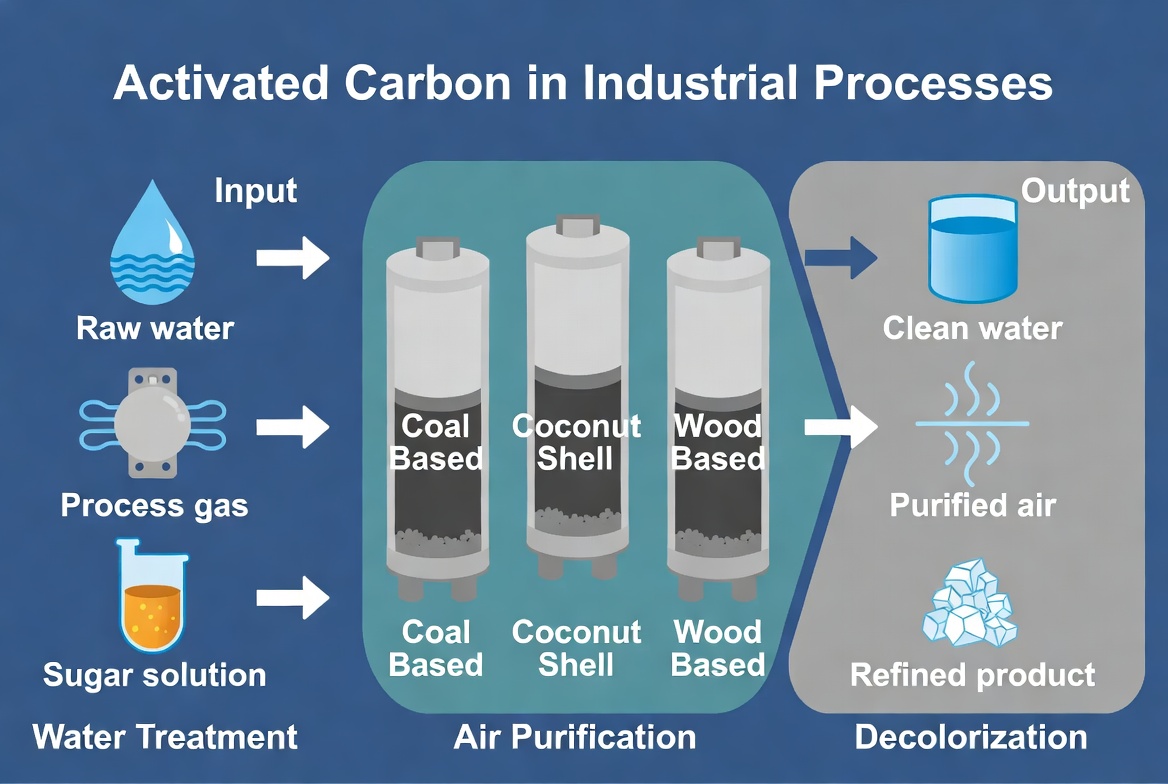
- Municipal and industrial water treatment: Removal of organic pollutants, color, chlorine, and certain heavy metals in large-scale plants. [clickx]
- Industrial gas and flue gas treatment: Adsorption of VOCs, odors, and harmful gases such as ammonia, chlorine, and sulfur dioxide. [clickx]
- Air purification systems: Large-scale industrial waste gas treatment and air purifiers, especially where cost-effectiveness is critical. [clickx]
Anthracite-based pellet carbons are particularly favored for continuous air purification where high mechanical strength and stable performance are needed. [clickx]
Where Coconut Shell Activated Charcoal Shines
Coconut shell activated charcoal is especially suitable for:
- Household and commercial air purifiers: Removal of toxic gases, odors, and VOCs in indoor environments. [clickx]
- Industrial waste gas control and automotive air systems: High-efficiency adsorption of low-concentration harmful gases. [clickx]
- Food and beverage processing: Decolorization and impurity removal in syrups, juices, drinking water, wine, and refined sugar. [clickx]
Its high purity and low ash content make it an excellent choice for applications where taste, odor, and safety are tightly regulated. [heycarbons]
Where Wood Activated Charcoal Is the Best Fit
Wood activated charcoal is a top choice for:
- Decolorization and deodorization: Especially powdered grades that effectively adsorb pigments and large organic molecules. [zhulincarbon]
- Industrial wastewater and drinking water deep purification: Removal of odor, color, and residual organic contaminants. [clickx]
- Food, pharmaceutical, and fine chemical industries: Phosphoric-acid-activated powder carbons with fast filtration rates used to clean sugar solutions or pharmaceutical intermediates. [clickx]
Certain wood-based carbons, including bamboo-derived products, are also widely used in skin care formulations and specialized gas purification in laboratories and small-scale systems. [zhulincarbon]
Wood Activated Carbon for Modern Industrial Needs
For global buyers looking at wood activated carbon specifically, the key value lies in its mesoporous and macroporous structure, which is ideal for:
- Removing color bodies and high-molecular-weight organics in sugar refining, gelatin, citric acid, and dye intermediates.
- Deodorizing process streams in food and beverage plants.
- Adsorbing large molecules in pharmaceutical and specialty chemical feedstocks. [zhulincarbon]
As a Chinese manufacturer, Guangdong Tongke Activated Carbon Co., Ltd. can tailor wood-based powdered and granular carbons to your target decolorization index, filtration rate, and regulatory requirements, aligning with both international food-grade and pharmaceutical standards. [tongkeac]
How to Choose: An Engineer's Shortlist
1. Define your primary contaminant and medium.
- For VOCs and small molecules in air or water, coconut shell or high-micropore coal carbons are often preferred. [clickx]
- For large organics and color bodies, wood-based carbons with rich meso/macropores are more efficient. [zhulincarbon]
2. Balance performance vs lifecycle cost.
- Coal-based carbons offer strong cost-performance for large-scale, continuous processes where budget and regeneration cycles matter. [clickx]
- Coconut shell carbons deliver longer service life and higher purity where total system cost and compliance are more important than unit price. [heycarbons]
3. Consider sustainability and regulatory requirements.
- Coconut shell and wood-based carbons support circular economy narratives and may align better with ESG and corporate sustainability reporting. [boostability]
- Proper sourcing and certification ensure traceability and compliance in food, beverage, and pharmaceutical applications. [searchengineland]
Working directly with a manufacturer allows you to specify iodine number, methylene blue value, ash content, particle size, hardness, and regeneration performance in a way that consumer-level "charcoal vs carbon" discussions never cover. [searchengineland]
Practical Case Example: Water vs Air Filtration
Consider two typical engineering scenarios:
- Municipal drinking water plant: A city needs to remove taste, odor, and trace organics while managing large volumes and tight budgets. Coal-based granular activated carbon often provides the best balance of cost, performance, and regenerability, especially when supported by periodic thermal regeneration. [clickx]
- Premium bottled water line or brewery: A beverage producer requires extremely low ash, low impurity carbon to protect flavor and meet stringent quality standards. Coconut shell activated charcoal, especially acid-washed grades with ash below 1%, is usually favored. [heycarbons]
In both cases, wood-based powdered carbons may be used as polishing adsorbents or for decolorization in specific process steps, but the core filter media choice differs based on contaminant type and quality targets. [zhulincarbon]
Expert Tips for Specifying Activated Carbon
When drafting RFQs or internal specifications, industrial buyers should:
- Include feedstock type (coal, coconut shell, wood) and product form (granular, powdered, extruded/column). [clickx]
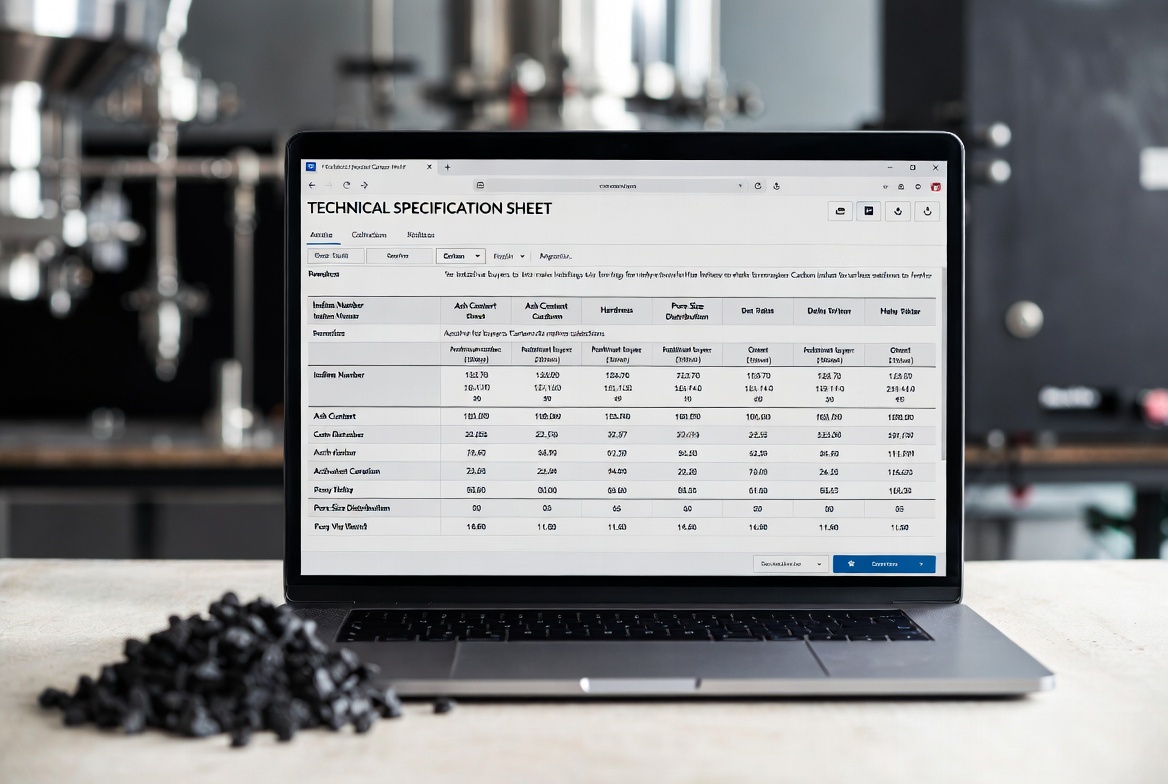
- Define key performance indicators: iodine number, surface area, pore volume distribution, hardness, ash, moisture, and bulk density. [clickx]
- Specify application scenario (e.g., municipal water, pharmaceutical solvent, flue gas, food-grade decolorization) and operating conditions such as temperature, pH, and regeneration cycles. [guides.libraries.psu]
Working with a technical team that understands both process engineering and carbon materials science is crucial to avoid over- or under-specifying products, which can either inflate cost or compromise performance. [vistaprojects]
Where to Source High-Quality Activated Carbon
Coal-based, coconut shell, and wood activated carbons each offer distinct performance profiles, and the best choice depends on your process conditions and compliance requirements. As a specialized Chinese manufacturer and exporter, Guangdong Tongke Activated Carbon Co., Ltd. provides: [clickx]
- Custom formulations of wood activated carbon for water treatment, air and gas purification, food and beverage, chemical, and pharmaceutical applications.
- Technical support for product selection, pilot testing, and lifecycle optimization.
- Flexible packaging and logistics solutions for global industrial buyers. [tongkeac]
If you are planning a new project or upgrading existing filtration systems, partnering with a manufacturer that can design and deliver tailored activated carbon solutions will significantly reduce risk and total cost of ownership. [searchengineland]
Call to Action: Talk to an Activated Carbon Specialist
If you are currently comparing activated carbon vs charcoal for a new system, retrofit, or product line, we recommend:
- Sharing your process data (medium, flow rate, key contaminants, operating temperature and pH).
- Reviewing your current carbon performance, replacement cycles, and regeneration practices.
- Asking for a tailored wood activated carbon or mixed-media solution aligned with your technical and budget requirements.
You can contact the technical team at Guangdong Tongke Activated Carbon Co., Ltd. to discuss your project and request customized recommendations, samples, and test reports for your specific industrial application. [tongkeac]
FAQs About Activated Carbon vs Charcoal
1. Is activated carbon the same as activated charcoal?
In industrial practice, both terms refer to highly porous adsorbent carbons, but "activated carbon" usually refers to coal-based products while "activated charcoal" often refers to coconut shell and wood-based materials. [suneetacarbons]
2. Which is better for water purification: coal-based or coconut shell activated carbon?
Coal-based carbon is often chosen for large municipal and industrial plants due to its cost-effective balance of performance and regenerability, while coconut shell carbons are preferred for high-purity or taste-critical applications such as bottled water and beverages. [heycarbons]
3. Why would I choose wood activated carbon instead of coal or coconut shell products?
Wood activated carbon offers a richer meso- and macropore structure, making it more effective for decolorization, deodorization, and adsorption of large organic molecules in food, pharmaceutical, and specialty chemical processes. [zhulincarbon]
4. Can activated carbon be regenerated and reused?
Yes, many granular activated carbons, especially coal- and coconut-based products, can be thermally regenerated to restore adsorption capacity, though regeneration efficiency and economic feasibility depend on contaminant load, process design, and material properties. [searchengineland]
5. How do I know which activated carbon is right for my application?
Start by defining your target contaminants, process conditions, quality requirements, and budget, then engage with a manufacturer or technical consultant to match these factors to a specific feedstock, pore structure, and product form. [siteimprove]
References
1. Heycarbons. “Activated Carbon vs. Charcoal: Key Differences and Benefits.” https://heycarbons.com/activated-carbon-vs-charcoal/
2. Heycarbons. “Wood Activated Carbon | Manufacturer & Supplier from China.” https://heycarbons.com/wood-activated-carbon/
3. Zhulincarbon. “(Wood Activated Carbon Applications and Properties).” https://www.zhulincarbon.com/zh-CN/application/activated-carbon/wood-activated-carbon.html
4. Suneeta Carbons. “Activated Carbon vs Activated Charcoal.” https://www.suneetacarbons.com/blog/activated-carbon-vs-activated-charcoal/
5. Siteimprove. “A Creator’s Guide to SEO Content Strategy.” https://www.siteimprove.com/blog/seo-content-strategies/
6. Search Engine Land. “Google E-E-A-T for SEO.” https://searchengineland.com/guide/google-e-e-a-t-for-seo
7. Boostability. “Google E-E-A-T (2024 Ultimate Guide).” https://www.boostability.com/resources/google-e-e-a-t-guide/
8. Ahrefs. “SEO Writing: 8 Steps to Create Search-Optimized Content.” https://ahrefs.com/blog/seo-writing/
9. PSU Libraries. “Ten Tips for Technical Writing – Industrial and Manufacturing Engineering.” https://guides.libraries.psu.edu/c.php?g=370389&p=8995924
10. WG Content. “E-E-A-T for Content Quality.” https://wgcontent.com/blog/eeat-content-quality-seo-geo/


