Content Menu
● Why Your Activated Carbon Supplier Choice Matters
● Global Landscape of Activated Carbon Manufacturers
>> Main Production Regions and Feedstocks
>> Leading International Activated Carbon Manufacturers
● Guangdong Tongke Activated Carbon – Profile of a Chinese Specialist
>> Company Overview and Product Portfolio
>> Target Industries and Applications
● How to Evaluate Activated Carbon Manufacturers (Expert Checklist)
>> 1. Technical Capability and Product Fit
>> 2. Quality Management and Certifications
>> 3. Application Support and After‑Sales Service
>> 4. Supply Chain Reliability and Logistics
>> 5. Cost, Lifecycle Value, and Sustainability
● Emerging Trends in Activated Carbon for Industrial Buyers
>> Shift Towards Engineered and Specialty Carbons
>> Circular Economy and Regeneration Services
>> Integration with Smart and Hybrid Filtration Systems
● Practical Steps to Shortlist Activated Carbon Manufacturers
>> Step‑by‑Step Sourcing Workflow
● Why Global Buyers Work with Chinese Activated Carbon Manufacturers
>> Competitive Advantages of Chinese Producers
>> Mitigating Common Concerns
● How Guangdong Tongke Supports Custom Industrial Solutions
>> Tailored Grades for Water, Air, and Process Streams
>> End‑to‑End Support for International Buyers
● Sample Decision Matrix for Selecting an Activated Carbon Supplier
● Call to Action – Work with a Trusted Activated Carbon Partner
● FAQ – Activated Carbon Manufacturers & Sourcing
● References
Selecting the right activated carbon manufacturer and supplier can make the difference between stable, compliant industrial operations and costly downtime or product quality issues. Drawing on my hands‑on experience working with B2B buyers and industrial plants, this guide explains how to evaluate suppliers, compares leading global manufacturers, and shows how Chinese producers such as Guangdong Tongke Activated Carbon Co., Ltd. support demanding water, air, food, and pharmaceutical applications. [tkcarbon.en.made-in-china]
Why Your Activated Carbon Supplier Choice Matters
From the outside, many activated carbon products look similar, but their raw materials, pore structure, and quality control vary vastly between manufacturers. In regulated industries like drinking water, food & beverage, and pharmaceuticals, a poor supplier choice can lead to regulatory non‑compliance, inconsistent product quality, and higher lifecycle costs. [globalinfiresearch]
For industrial engineering teams and procurement managers, partnering with a technically capable, responsive supplier often unlocks better adsorption performance, longer bed life, and optimized total cost of ownership across plants and projects. [nextmsc]
Global Landscape of Activated Carbon Manufacturers
Main Production Regions and Feedstocks
Today's activated carbon manufacturing is spread across several key regions, each specializing in particular feedstocks and product types. [robertsiegers]
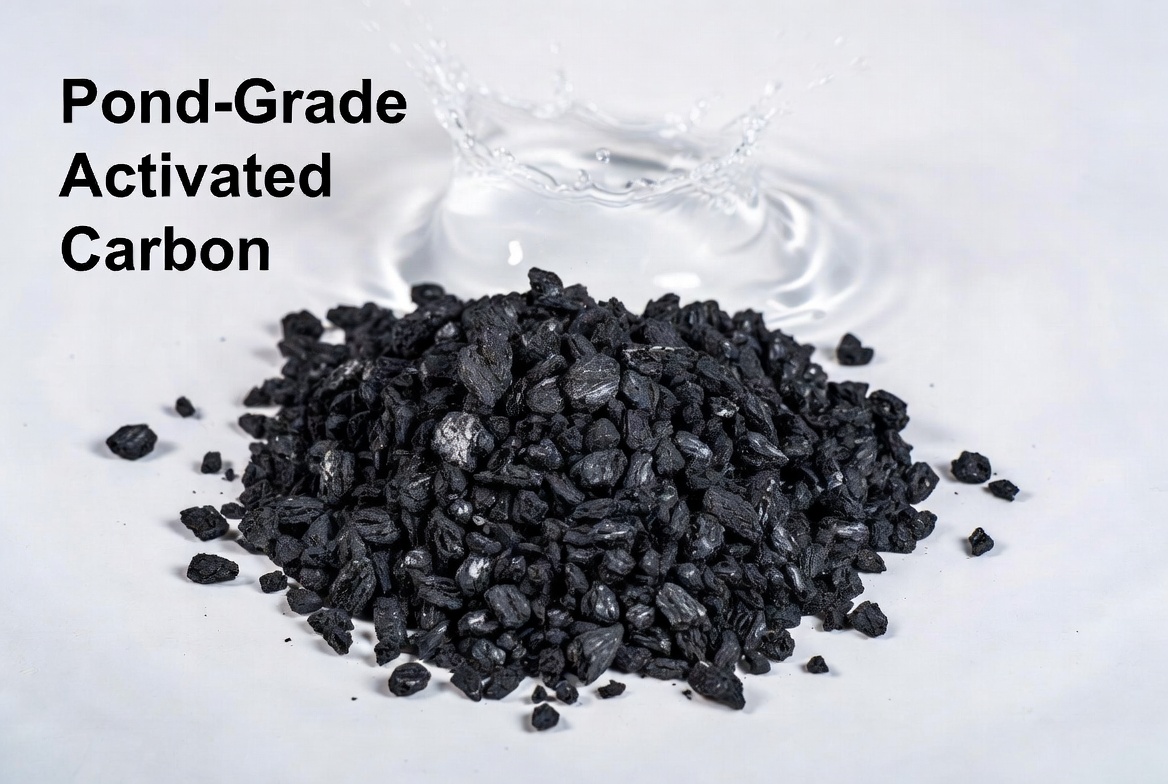
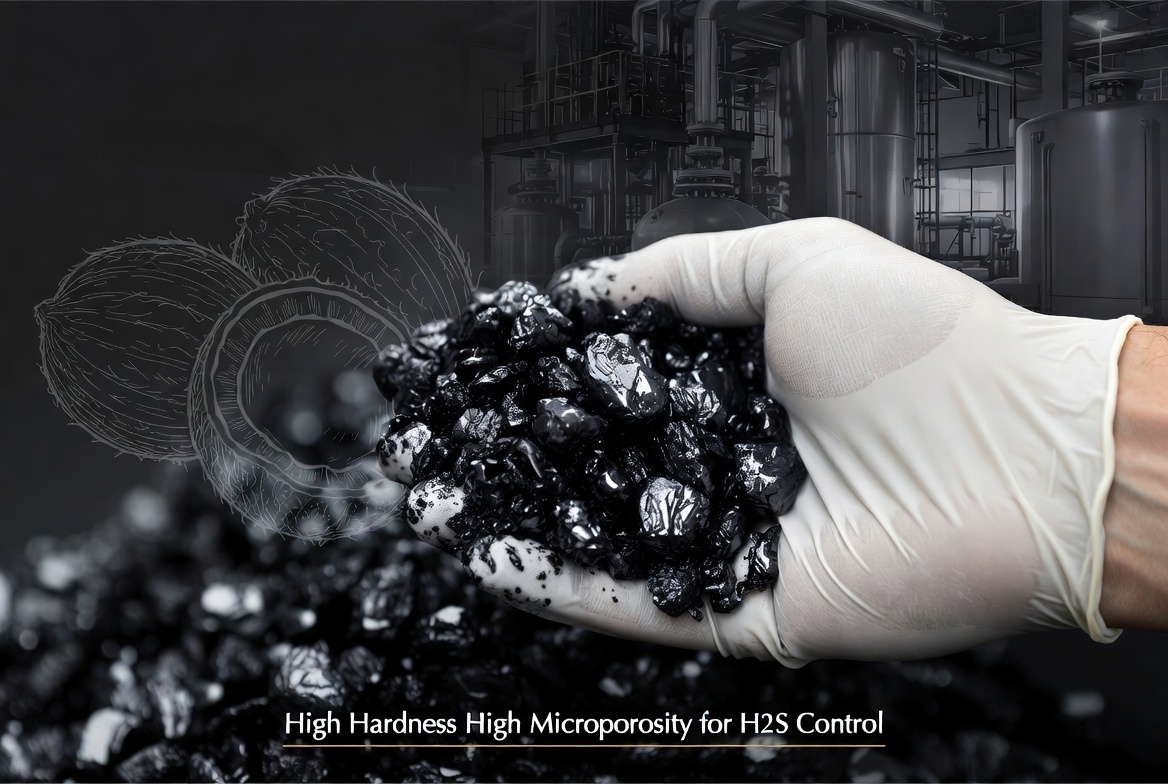
- Coconut shell activated carbon: Predominantly produced in Sri Lanka, Indonesia, the Philippines, India, and parts of China, favored for high hardness and microporosity in water and gas purification. [globalinfiresearch]
- Coal‑based activated carbon: Widely manufactured in China, the USA, and Europe, providing robust performance in flue gas, solvent recovery, and industrial water treatment. [robertsiegers]
- Wood‑based powdered activated carbon: Concentrated in China and India, often used for decolorization in food, sugar, and beverage applications. [madeinchina]
Over the last decade, the global activated carbon market has grown into a multi‑billion‑dollar industry, driven by tightening water and air quality regulations and increasing demand for advanced filtration in industrial and municipal systems. [nextmsc]
Leading International Activated Carbon Manufacturers
Independent rankings and industry reports often highlight a set of well‑known global players in activated carbon manufacturing and solutions. [globalinfiresearch]
- Long‑established Western brands such as Calgon, Norit (Cabot), and Chemviron have extensive portfolios for municipal water, industrial gas purification, and specialty applications, often combined with equipment and service packages. [robertsiegers]
- European and American solution providers increasingly integrate activated carbon with complete treatment systems, regeneration services, and mobile filtration units to support circular economy models. [nextmsc]
- Asian manufacturers, particularly in China and India, have emerged as competitive suppliers of pelletized, granular, and powdered activated carbon, offering flexible production capacity and OEM/ODM services for global brands. [activatedcarbonfactory]
For buyers, this landscape means there is no single "best" manufacturer; instead, the right partner depends on application, regulatory context, and service expectations. [activatedcarbonfactory]
Guangdong Tongke Activated Carbon – Profile of a Chinese Specialist
Company Overview and Product Portfolio
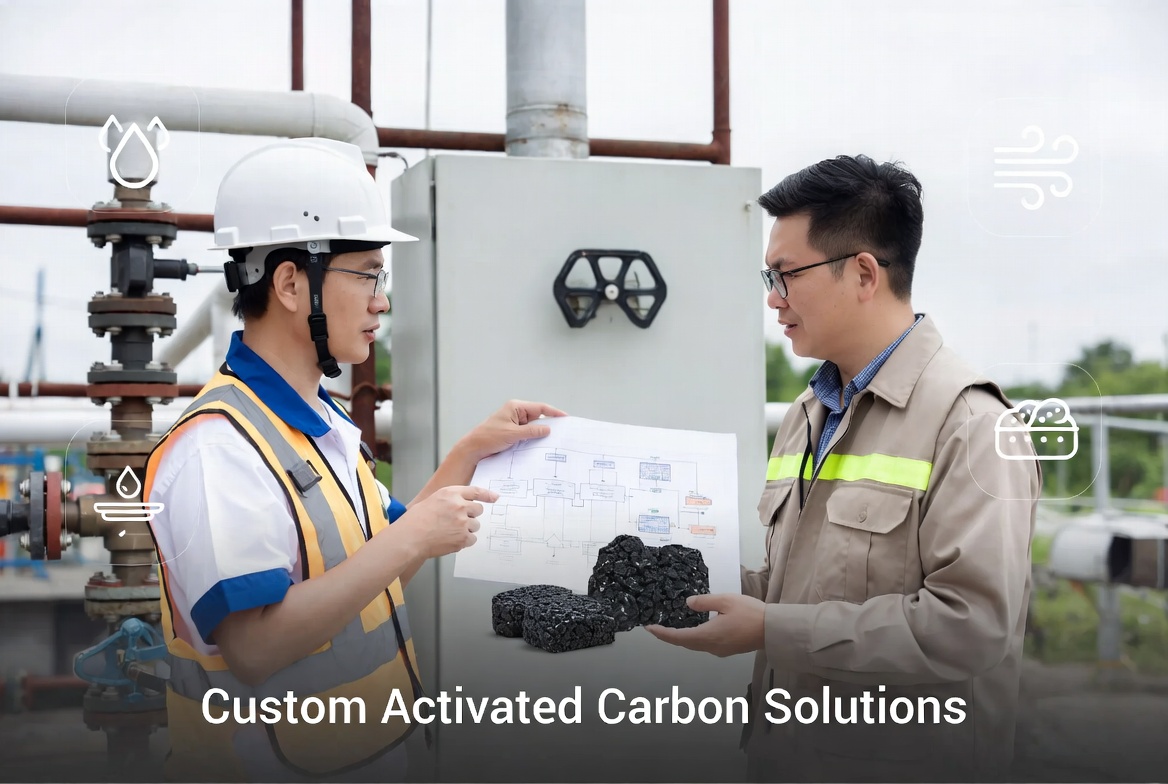
Guangdong Tongke Activated Carbon Co., Ltd. is a China‑based manufacturer specializing in research, development, production, and export of activated carbon products for global industrial customers. The company supplies a broad range of formats tailored to different adsorption tasks and process conditions. [tongkeac]
Key product categories include: [madeinchina]
- Powdered activated carbon (PAC) – widely used in water treatment, food and beverage decolorization, sugar and oil refining.
- Granular activated carbon (GAC) – applied in drinking water, wastewater polishing, VOC removal, and gas purification.
- Pelletized / extruded activated carbon – designed for air and gas phase adsorption, including solvent recovery, flue gas treatment, and odor control.
- Wood‑based and coconut‑shell activated carbons – providing low ash, high porosity solutions for food‑grade, pharmaceutical, and specialty applications. [tkcarbon.en.made-in-china]
By combining coal‑based, coconut shell, and wood‑based feedstocks, Tongke can tune pore size distribution, hardness, and impurity levels to match the performance and cost requirements of different industries. [tkcarbon.en.made-in-china]
Target Industries and Applications
Tongke focuses on serving professional B2B buyers in sectors where process reliability and regulatory compliance are critical. Typical applications include: [tongkeac]
- Water and wastewater treatment – removal of organic contaminants, taste and odor control, and polishing for municipal and industrial effluents.
- Air and gas purification – VOC control, solvent recovery, industrial exhaust treatment, and indoor air quality improvement in HVAC systems. [globalinfiresearch]
- Food and beverage processing – decolorization and purification of sugar, edible oils, beverages, and specialty ingredients using food‑grade powdered carbons. [madeinchina]
- Chemical and petrochemical industries – purification of process streams, catalyst protection, and gas treatment in refineries and chemical plants. [nextmsc]
- Pharmaceuticals and fine chemicals – removal of trace organics and color bodies during synthesis and formulation. [compendiumpaperasia]
For many of these users, Tongke acts not just as a bulk supplier but as a technical partner, helping to select or customize grades for specific contaminants, breakthrough targets, and regeneration strategies. [tongkeac]
How to Evaluate Activated Carbon Manufacturers (Expert Checklist)
From a procurement and process engineering standpoint, choosing an activated carbon supplier requires more than comparing price per kilogram. Based on B2B projects and industry case reviews, the following expert checklist can help structure supplier evaluation. [activatedcarbonfactory]
1. Technical Capability and Product Fit
- Confirm feedstock options (coal, coconut shell, wood, specialty biomass) and how they align with your process chemistry and regulatory needs.
- Request detailed technical data sheets (TDS), including iodine number, methylene blue value, surface area, pore size distribution, moisture, ash, and pH. [madeinchina]
- Evaluate the availability of application‑specific grades (e.g., catalytic carbons, impregnated carbons for sulfur or mercury, low‑ash food‑grade products). [globalinfiresearch]
2. Quality Management and Certifications
- Check for ISO‑certified quality systems, food‑grade compliance, or relevant industry certifications based on your sector.
- Ask about batch‑to‑batch consistency, incoming raw material controls, and in‑house analytical capabilities. [compendiumpaperasia]
- For sensitive applications (drinking water, pharmaceuticals, infant food), verify traceability and documentation to support audits and regulatory inspections.
3. Application Support and After‑Sales Service
- Strong suppliers provide process support, including dosage optimization, breakthrough monitoring, and regeneration or replacement planning. [nextmsc]
- Ask whether the supplier can support pilot trials, on‑site testing, or column design recommendations, especially when scaling up new processes.
- Evaluate responsiveness to technical inquiries and claims, as this directly affects uptime in critical plants.
4. Supply Chain Reliability and Logistics
- For global buyers, consider production capacity, lead times, and inventory strategies to handle seasonal demand and emergency orders. [activatedcarbonfactory]
- Confirm whether the supplier offers regional distribution centers, local partners, or consignment stock options to shorten delivery times.
- Assess experience with export documentation, customs, and compliance for your target markets.
5. Cost, Lifecycle Value, and Sustainability
- Compare total lifecycle cost, not just unit price: adsorption capacity, bed life, regeneration feasibility, and disposal costs all affect the real economics. [globalinfiresearch]
- Many end users now prioritize suppliers who invest in bio‑based feedstocks, regeneration services, and lower‑carbon production technologies. [compendiumpaperasia]
- Ask about spent carbon handling, reactivation services, and circular solutions that can reduce both environmental impact and long‑term spend. [nextmsc]
Emerging Trends in Activated Carbon for Industrial Buyers
Shift Towards Engineered and Specialty Carbons
Market reports highlight a shift away from purely commodity products towards engineered activated carbon formats and composites. Examples include: [globalinfiresearch]
- Impregnated and catalytically enhanced carbons for specific contaminants such as sulfur compounds, PFAS, and trace organics. [nextmsc]
- Carbon fabrics, foams, and specialty shapes used in high‑performance filtration, PPE, and precision industrial environments. [compendiumpaperasia]
For buyers, this trend means more targeted solutions with higher unit prices but better performance and lower operational risk.
Circular Economy and Regeneration Services
A growing portion of the market focuses on reactivation and reuse of spent activated carbon, particularly in Europe and North America where waste disposal costs and environmental regulations are stringent. [globalinfiresearch]
- Thermal regeneration, microwave‑assisted processes, and chemical reactivation extend carbon life and reduce waste. [compendiumpaperasia]
- Large industrial users increasingly integrate on‑site or close‑loop regeneration systems, turning activated carbon into part of a broader circular purification strategy. [nextmsc]
Integration with Smart and Hybrid Filtration Systems
Advanced systems now combine activated carbon with membranes, ion exchange, and sensor‑equipped filtration units, monitored via IoT and data analytics. [globalinfiresearch]
- Real‑time monitoring of pressure drop, breakthrough curves, and adsorbent utilization enables predictive maintenance and optimized replacement cycles. [nextmsc]
- Hybrid systems can deliver higher overall removal efficiency while reducing chemical consumption and operational complexity. [compendiumpaperasia]
For manufacturers like Tongke, staying relevant means not only supplying media but also supporting integration into smart, multi‑stage treatment trains. [tkcarbon.en.made-in-china]
Practical Steps to Shortlist Activated Carbon Manufacturers
To turn these insights into action, industrial buyers can follow a clear, repeatable sourcing process. [activatedcarbonfactory]
Step‑by‑Step Sourcing Workflow
1. Define your application and constraints
Clarify required contaminant removal targets, flow rates, operating temperatures, and regulatory frameworks (e.g., drinking water standards, food contact rules). [activatedcarbonfactory]
2. Collect technical and commercial data
Request TDS, MSDS, pricing, MOQ, lead times, and sample availability from shortlisted manufacturers or distributors. [madeinchina]
3. Run lab and pilot tests
Evaluate adsorption capacity, kinetics, and pressure drop in controlled trials, including comparison against current media or competitor products. [compendiumpaperasia]
4. Assess supply, support, and risk
Review quality certifications, logistics performance, and service capability, including support for troubleshooting and optimization. [activatedcarbonfactory]
5. Negotiate framework agreements
For multi‑site operations, consider framework contracts or regional supply agreements that lock in capacity, pricing tiers, and support commitments. [activatedcarbonfactory]
By following this workflow, buyers can build a defensible supplier selection process that balances technical performance, cost, and strategic risk.
Why Global Buyers Work with Chinese Activated Carbon Manufacturers
Competitive Advantages of Chinese Producers
China has established itself as a major hub for activated carbon production, with competitive advantages in raw material availability, production scale, and flexible OEM/ODM services. [robertsiegers]
Key benefits often include:
- Broad product range – coal, coconut shell, and wood‑based carbons across PAC, GAC, and pelletized formats. [tkcarbon.en.made-in-china]
- Cost‑effective manufacturing – competitive pricing for both bulk shipments and customized grades, especially for long‑term supply programs. [tkcarbon.en.made-in-china]
- Customization and private label options – ability to produce customer‑branded products or tailor specifications for regional markets. [madeinchina]
For many OEMs and distributors in Europe, the Americas, and Southeast Asia, working with a reliable Chinese manufacturer like Tongke provides the best balance of cost, performance, and flexibility. [tkcarbon.en.made-in-china]
Mitigating Common Concerns
Professional buyers often raise concerns about quality consistency, documentation, and logistics risk when sourcing from overseas. [activatedcarbonfactory]
Good practice includes:
- Using pre‑shipment inspections and third‑party testing for initial orders.
- Establishing clear specifications and QC protocols in contracts, including acceptable tolerance ranges and corrective action processes. [globalinfiresearch]
- Combining direct factory relationships with local agents or warehouses to improve responsiveness and buffer inventory. [activatedcarbonfactory]
Manufacturers with established export experience can help customers handle customs, certifications, and long‑distance logistics, reducing friction and delays. [tkcarbon.en.made-in-china]
How Guangdong Tongke Supports Custom Industrial Solutions
Tailored Grades for Water, Air, and Process Streams
Based on available product information and case usage patterns, Tongke's strength lies in configuring the right grade and particle size for specific industrial scenarios. [tongkeac]
Typical customization parameters include:
- Particle size and shape – tailored for fixed beds, moving beds, and slurry applications to balance pressure drop and mass transfer.
- Surface chemistry and porosity – adjusted to target specific molecular size ranges and polar/non‑polar contaminants. [compendiumpaperasia]
- Impurity levels and ash content – tuned for food‑grade, pharmaceutical, or high‑purity chemical applications, where residual metals or ash must be minimized. [madeinchina]
For example, a food‑grade wood‑based powdered carbon might be recommended for sugar decolorization, while a coal‑based pelletized carbon could be selected for industrial VOC control. [madeinchina]
End‑to‑End Support for International Buyers
To serve global customers, Tongke and similar manufacturers typically offer: [tkcarbon.en.made-in-china]
- Sample evaluation programs for lab and pilot testing prior to full‑scale adoption.
- Technical consultation on dosage, contact time, and bed design to maximize adsorption performance.
- Support for shipping, documentation, and after‑sales queries to ensure smooth implementation across different sites and countries.
This combination of product breadth and technical support makes Chinese manufacturers attractive partners for companies scaling filtration projects across multiple regions. [tkcarbon.en.made-in-china]

Sample Decision Matrix for Selecting an Activated Carbon Supplier
To make supplier comparison more tangible, many buyers use a decision matrix that scores each candidate across key dimensions. [activatedcarbonfactory]
| Evaluation Dimension | Typical Questions | Impact on Decision |
| Product fit & performance | Does the carbon meet or exceed adsorption and quality targets in testing? | Very high |
| Certifications & compliance | Are certifications aligned with water, food, or pharma regulations? | Very high |
| Technical support | Is the supplier responsive and capable of troubleshooting complex issues? | High |
| Supply reliability | Can they ensure consistent delivery, capacity, and lead times? | High |
| Cost & lifecycle economics | How does total cost per treated volume compare across options? | High |
| Sustainability & regeneration | Do they offer regeneration or low‑carbon products where relevant? | Medium |
Call to Action – Work with a Trusted Activated Carbon Partner
If you are planning a new water treatment, air purification, or process filtration project, or if you are re‑evaluating your current media supplier, now is an ideal moment to engage with a specialized activated carbon manufacturer. [globalinfiresearch]
Guangdong Tongke Activated Carbon Co., Ltd. offers coal‑based, coconut shell, and wood‑based activated carbon in powdered, granular, and pelletized forms, backed by technical experience in water, air, food, chemical, and pharmaceutical applications. To discuss your project requirements, request samples, or explore custom solutions, you can contact their team and start a tailored evaluation program for your specific industrial processes. [tongkeac]
FAQ – Activated Carbon Manufacturers & Sourcing
Q1: What is the difference between coconut shell and coal‑based activated carbon for industrial use?
Coconut shell carbons typically offer higher microporosity and hardness, making them ideal for drinking water and gas purification, while coal‑based carbons provide versatile pore structures suitable for industrial water, flue gas, and solvent recovery applications. [nextmsc]
Q2: How do I know if an activated carbon supplier is reliable?
Check for consistent technical documentation, relevant certifications, proven export experience, and references in your industry, and validate performance through lab and pilot testing before large‑scale adoption. [activatedcarbonfactory]
Q3: Why are regeneration services important when choosing a supplier?
Regeneration allows you to reactivate spent carbon, reducing waste and overall lifecycle costs, and suppliers that offer or support reactivation plants and circular solutions can significantly improve sustainability metrics. [nextmsc]
Q4: Can one supplier cover both water and air purification needs?
Many full‑line manufacturers provide grades for liquid and gas phases, but you should still verify that each grade is optimized and certified for its target application rather than assuming a one‑size‑fits‑all solution. [globalinfiresearch]
Q5: What information should I provide when requesting a quotation from an activated carbon manufacturer?
Share details about contaminants, target concentrations, flow rates, operating conditions, and regulatory requirements, as well as desired delivery formats and packaging, so the supplier can recommend suitable grades and accurate pricing. [activatedcarbonfactory]
References
1. Global supplier overview and ranking – “Top 50 Activated Carbon Manufacturers Suppliers In World”, Heycarbons. https://heycarbons.com/activated-carbon-manufacturers-suppliers/
2. Company and product information – “Guangdong Tongke Activated Carbon Co., Ltd.” (Made‑in‑China profile). https://tkcarbon.en.made-in-china.com
3. Company and market content – Guangdong Tongke Activated Carbon official website. https://www.tongkeac.com
4. Market data and trends – “Activated Carbon Market Analysis: Trends, Growth, and R&D”, Global Info Research, 2026. https://globalinfiresearch.com/report/activated-carbon-market
5. Industry innovation and circular models – “Activated Carbon Market: Advanced Materials & Circular Moves”, Next Move Strategy. https://www.nextmsc.com/news/activated-carbon-market-advanced-materials-circular-moves
6. Technical specifications for food‑grade powdered activated carbon – representative product listing, Made‑in‑China. https://www.madeinchina.com/mall/show-China-Factory-Cheap-Food-Grade-Decolorization-Wood-Powder-Activated-Carbon-for-Beverage-Food/
7. Technical and R&D insights – “Activated Carbon: Past, Present and Future Trends in …”, PaperASIA. https://compendiumpaperasia.com/index.php/cpa/article/download/433/315/6327


