Content Menu
● Why Activated Carbon Works as a Catalyst
● Industrial Reactions Catalyzed by Activated Carbon
>> Typical Reaction Families
● Activated Carbon in Flue Gas Desulfurization and Emissions Control
● Activated Carbon as a Catalyst Carrier
>> Functional Roles of the Carrier
● Typical Loaded Metal Systems on Activated Carbon
>> Hydrogenation and Dehydrogenation (Pt/C and Related Systems)
>> Fischer–Tropsch and Synthetic Fuels (Co/C Systems)
>> Flue Gas Treatment and NOx Control (V/AC and Mn/AC Systems)
>> Desulfurization of Fuels (Cu/Zn on AC)
● Preparation Technologies for Loaded Activated Carbon Catalysts
● Applications in Water Treatment, Air and Gas Purification
● Emerging Market Trends for Activated Carbon Catalyst Carriers
● Practical Selection Considerations for Industrial Users
● FAQs
● References
Activated carbon has evolved from a classic adsorbent into a strategic catalyst and catalyst carrier for modern industrial processes, offering high surface area, tunable surface chemistry and robust mechanical performance across demanding reaction environments. [datamintelligence]
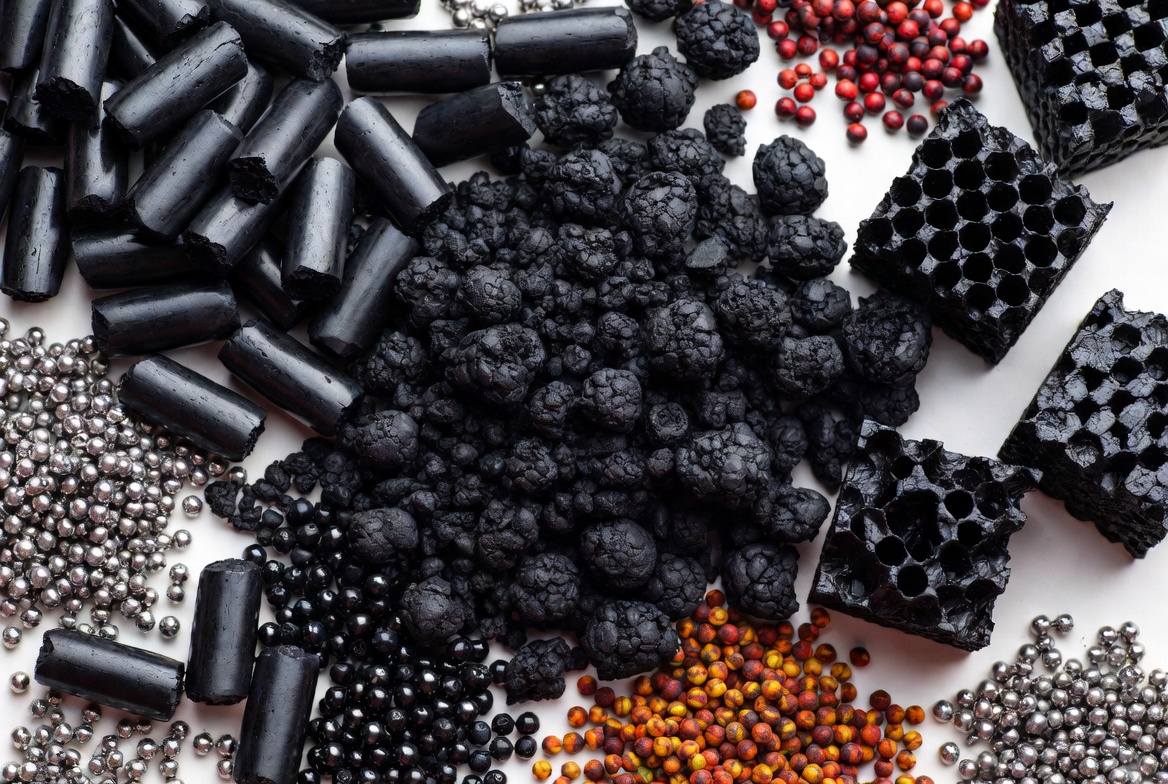
Activated carbon combines a highly developed pore structure with rich surface functional groups, making it uniquely suited to both catalytic reactions and the support of active catalytic species in liquid- and gas-phase systems. Its versatility now extends from traditional chemical synthesis to advanced water treatment, air and gas purification, energy applications and fine chemical production. As a manufacturer headquartered in China, Guangdong Tongke Activated Carbon Co., Ltd. supplies customized activated carbon grades for these applications, including pelletized, granular and honeycomb formats designed for industrial water, air and gas treatment. [sciencedirect]
Why Activated Carbon Works as a Catalyst
Activated carbon's catalytic behavior originates from its microcrystalline structure and surface chemistry. The edges of carbon microcrystals contain a high density of unsaturated valence bonds, which behave similarly to crystalline defects in metals and metal oxides and form intrinsic active sites for many reactions. In addition, oxygen-containing surface groups—such as carboxyl, phenolic, carbonyl and ether functionalities—create acidic, neutral and basic sites that strongly influence reaction pathways and selectivity. [datamintelligence]
From a reaction-mechanism perspective, three main contributions are usually considered: [sciencedirect]
- Electron-conducting sites that facilitate redox reactions at the solid–fluid interface.
- Surface radicals formed on the carbon matrix that participate directly in bond breaking and formation.
- Surface oxide functional groups providing Brønsted and Lewis acid–base behavior that modulates adsorption and activation of reactants.
These features explain why properly selected activated carbon grades can catalyze halogenation, oxidation, reduction, isomerization, polymerization and dehydration reactions without any additional metal species. [datamintelligence]
Industrial Reactions Catalyzed by Activated Carbon
Across the chemical industry, activated carbon is already used as a stand-alone catalyst for a wide range of transformations in both gas- and liquid-phase systems. [datamintelligence]
Typical Reaction Families
The table below summarizes major reaction families where activated carbon plays a primary catalytic role. [datamintelligence]
| Reaction family | Representative processes |
| Halogenation and related reactions | Production of phosgene from CO, synthesis of chlorinated hydrocarbons, halogenation of ethanol. (datamintelligence) |
| Oxidation reactions | Oxidation of sodium sulfide, conversion of SO₂ to H₂SO₄, oxidation of nitric oxide and oxalic acid, partial oxidation of organics. (datamintelligence) |
| Dehydrogenation | Dehydrogenation of alkanes and cycloalkanes to form unsaturated and aromatic compounds. (datamintelligence) |
| Reduction reactions | Hydrogenation of olefins, reduction of carbonyl groups to alcohols, conversion of aromatic carboxylic acids, decomposition of peroxides, reduction of NO to ammonia. (datamintelligence) |
| Isomerization | Isomerization of butadiene, cresols, rosin and selected oils. (datamintelligence) |
| Polymerization | Polymerization of ethylene, propylene, butylene and styrene under specific conditions. (datamintelligence) |
For operators, the practical value lies in combining reaction performance with simultaneous purification, because activated carbon often adsorbs by-products and impurities as the reaction proceeds. [drpress]
Activated Carbon in Flue Gas Desulfurization and Emissions Control
A well-established example of catalytic activated carbon is its use in flue gas desulfurization (FGD) systems. Activated carbon can adsorb SO₂ and catalytically oxidize it to SO₃ in the presence of oxygen and water, after which SO₃ hydrates to H₂SO₄ on the surface. In systems with excess water, the formed H₂SO₄ desorbs from the carbon, continuously regenerating active sites and enabling cyclic adsorption–oxidation–hydration behavior. [einpresswire]
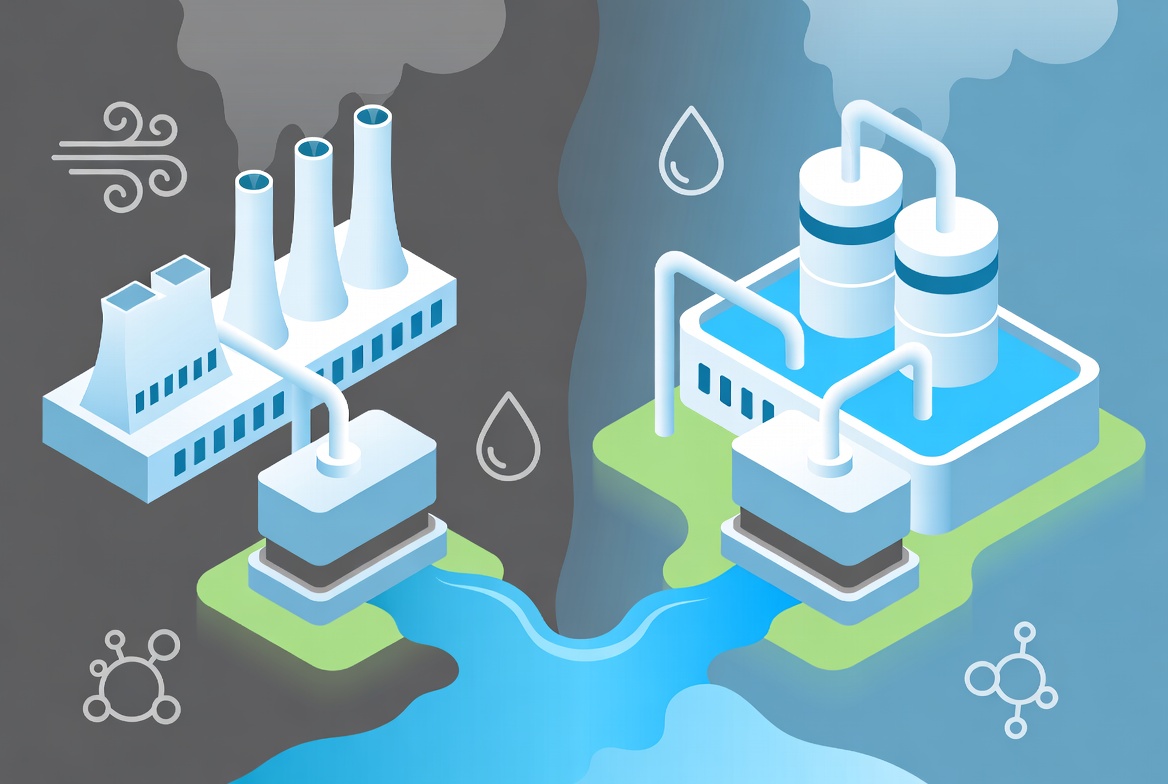
This dual physical and chemical process contributes to low-temperature desulfurization in thermal power, industrial boilers and waste-incineration plants, and can be combined with NOx and HCl removal when metal oxides are loaded onto activated carbon. As emissions regulations tighten in regions such as the EU and North America, low-temperature activated carbon-based solutions are gaining attention for their ability to simultaneously remove multiple acid gases while supporting selective catalytic reduction chemistry. [einpresswire]
Activated Carbon as a Catalyst Carrier
In many high-value applications, activated carbon is used not as the primary catalyst but as a multifunctional carrier for metals, metal oxides, halides and inorganic acids. Compared with classic carriers such as alumina or silica, carbon carriers offer a broader loading window, superior resistance to strongly acidic or basic environments and easier recovery of valuable metals. [sciencedirect]
Functional Roles of the Carrier
The carrier's contribution can be broken down into five practical roles for process engineers: [sciencedirect]
1. Diffusion effects – High surface area disperses active components into micro- or nano-scale particles, improving mass transfer and utilization of precious metals.
2. Stabilizing effects – The carbon matrix slows sintering and recrystallization of active phases, extending catalyst lifetime under high-temperature or cyclic operation.
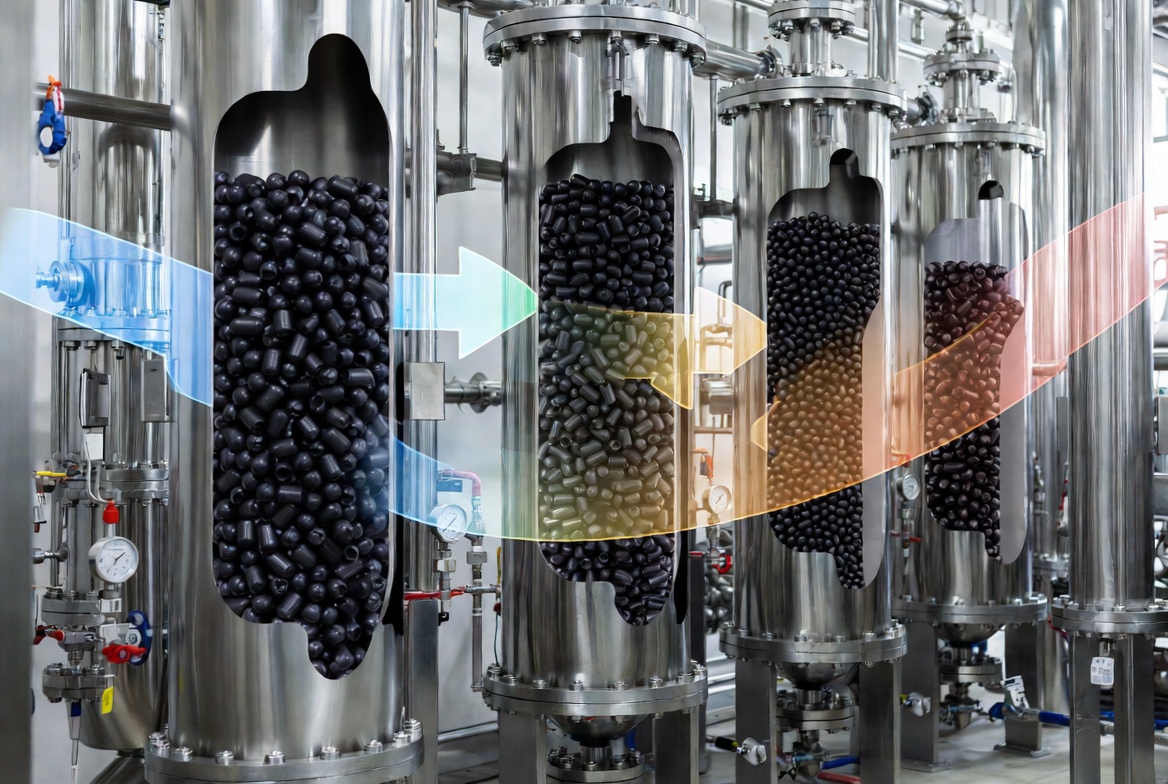
3. Mechanical support – Pelletized, granular and honeycomb activated carbon provides controlled geometry, pressure-drop behavior and mechanical strength in fixed-bed and moving-bed reactors. [tongkeac]
4. Heat transfer and dilution – Good thermal conductivity helps remove reaction heat and avoid hot spots; dilution of highly active components keeps reaction temperature and selectivity under control. [einpresswire]
5. Co-catalytic behavior – Acid–base and redox properties of the carbon itself can interact with metal species, creating bifunctional systems that enhance selectivity and productivity. [sciencedirect]
These properties make activated carbon carriers particularly attractive for complex multiphase systems, where chemical performance, mechanical stability and ease of regeneration must all be balanced.

Typical Loaded Metal Systems on Activated Carbon
A broad range of metals and metal compounds can be supported on activated carbon to create tailored catalytic systems. Below are representative families widely studied and used in industry. [datamintelligence]
Hydrogenation and Dehydrogenation (Pt/C and Related Systems)
Platinum catalysts supported on activated carbon have long been used in hydrogenation–dehydrogenation chemistry, including methylcyclohexane dehydrogenation for liquid organic hydrogen carrier (LOHC) technologies. Surface functional groups on the carbon—modified by treatments such as nitric acid oxidation or high-temperature hydrogen exposure—directly influence Pt dispersion and thus reaction activity. [sciencedirect]
In electrochemical systems, Pt/C remains the standard cathode electrocatalyst for direct methanol fuel cells, delivering high activity and stability in both acidic and alkaline media. Research has shown that alloying Pt with elements such as Ru, Sn and Mo on carbon supports can significantly improve tolerance to poisoning species and increase current density while reducing noble metal loading. [datamintelligence]
Fischer–Tropsch and Synthetic Fuels (Co/C Systems)
Cobalt-based catalysts supported on activated carbon are considered among the most promising options for Fischer–Tropsch synthesis, as they combine strong chain-growth capability with low carbon deposition and minimal water-gas shift activity. Fixed-bed Co/activated carbon systems have been developed to produce naphtha and diesel fractions with high selectivity and minimal wax formation, simplifying downstream separation. [einpresswire]
Flue Gas Treatment and NOx Control (V/AC and Mn/AC Systems)
Vanadium oxides supported on honeycomb, granular or powdered activated carbon show strong performance in the simultaneous removal of SO₂ and NO from flue gas at temperatures around 200 °C. When SO₂, O₂ and H₂O are present together, acid sites formed by sulfate species can further enhance adsorption and selective catalytic reduction behavior, especially when V content is optimized in the low mass-percent range. [einpresswire]
Manganese oxides supported on honeycomb activated carbon have been evaluated for low-temperature NOx removal, with NOx conversion rates of 60–70% at approximately 150 °C and moderate space velocities. However, formation of manganese sulfate in the presence of SO₂ can lead to deactivation, highlighting the need for careful gas-composition control and regeneration strategies. [datamintelligence]
Desulfurization of Fuels (Cu/Zn on AC)
CuO and ZnO loaded onto activated carbon are widely researched for the adsorption desulfurization of diesel fuels. Experimental work shows that activated carbon-based adsorbents can effectively remove dibenzothiophene and its derivatives, with CuO/AC typically outperforming ZnO/AC under identical conditions. When nitric-acid activation is combined with subsequent CuO loading, the desulfurization capacity can be significantly improved, and spent adsorbents can be partially regenerated by thermal gas treatment or solvent washing. [datamintelligence]
Preparation Technologies for Loaded Activated Carbon Catalysts
The performance of activated carbon-based catalysts depends not only on the choice of metal and carrier format, but also on the preparation method. Major routes include: [sciencedirect]
- Impregnation – Soluble metal salts are deposited onto activated carbon and then reduced by agents such as NaBH₄, formaldehyde or hydrazine, yielding highly dispersed noble metal particles (e.g., Pt/C) in a single-step aqueous process. [sciencedirect]
- Chemical co-precipitation – Metal salt mixtures are oxidized to form sols of metal oxides, which are then contacted with carbon and reduced in the liquid phase, enabling high loadings and minimal chloride contamination for alloy systems like Pt–Ru/C. [datamintelligence]
- Ion exchange – Functional groups on oxidized carbon surfaces exchange with metal-containing ions (e.g., Pt complexes), allowing precise control of dispersion at the expense of total loading capacity. [datamintelligence]
- Gas-phase reduction – Metal salts impregnated onto activated carbon are calcined and reduced under hydrogen at elevated temperature to obtain fine particles in the 1–3 nm range. [datamintelligence]
- Electrochemical deposition – Techniques such as cyclic voltammetry or constant-potential deposition can build controlled metal layers on conductive carbon substrates, useful for fuel cell electrocatalysts. [sciencedirect]
- High-temperature alloying and sol–gel routes – Polymetallic alloys (e.g., Pt–Ru–Os) are prepared by arc melting or sol–gel methods and then supported on carbon, achieving highly active electrocatalysts with particle sizes around 2 nm. [sciencedirect]
Emerging techniques, including microwave-assisted synthesis and combinatorial chemistry approaches, are being explored to accelerate screening of multi-component catalysts and shorten scale-up cycles. [sciencedirect]
Applications in Water Treatment, Air and Gas Purification
Beyond traditional petrochemical and fine chemical processes, activated carbon catalysts and carriers are increasingly applied in environmental and resource-efficiency projects.
Recent studies have demonstrated that field-spent granular activated carbon from drinking water plants can be regenerated and then reused as an ozonation catalyst for the degradation of model pollutants such as oxalic acid, operating stably in both batch and continuous flow over hundreds of hours. This approach reduces formation of chlorinated disinfection by-products and supports more sustainable, circular use of carbon-based adsorbents. [pubmed.ncbi.nlm.nih]
In wastewater treatment, granular activated carbon combined with biofilm carriers has been shown to enhance biofilm formation and improve municipal wastewater treatment efficiency in moving-bed biofilm reactors. Meanwhile, modern activated carbon grades with tailored pore structures are used to remove dyes, heavy metals and emerging pollutants, often combining adsorption with synergistic catalytic processes that improve regeneration and long-term economics. [discovery.researcher]
For air and gas purification, pelletized and honeycomb activated carbon solutions produced by Guangdong Tongke Activated Carbon Co., Ltd. are deployed in industrial exhaust treatment, solvent recovery and gas-phase contaminant control, with customized grades optimized for specific flow conditions and target compounds. [tongkeac]
Emerging Market Trends for Activated Carbon Catalyst Carriers
The global catalyst carrier market is undergoing a structural shift toward precision porosity and multi-functional performance, and activated carbon is increasingly recognized as a competitive alternative to traditional ceramics and alumina in several segments. Market analyses indicate steady growth of catalyst carriers to around USD 660.9 million by 2035, driven by decarbonization initiatives, petrochemical expansion and stricter emissions regulations. [linkedin]
Within this landscape, carbon-based carriers stand out for their higher internal surface area and lower cost-per-volume, especially in powder and granular formats where weight and cost are critical. In Asia-Pacific—led by China's rapidly expanding chemical output—innovation in advanced carrier materials, including activated carbon composites and hybrid structures, is a strategic focus aimed at reducing reliance on imports and supporting high-performance domestic catalyst production. [einpresswire]
For industrial users, these trends translate into greater availability of specialized activated carbon catalyst carriers, including 3D-structured honeycomb blocks, pelletized grades with controlled mechanical strength and surface-functionalized powders for niche reactions and environmental technologies. [tongkeac]
Practical Selection Considerations for Industrial Users
When specifying activated carbon as a catalyst or carrier for industrial applications, engineers typically evaluate:
- Format and geometry – Pelletized, granular or honeycomb structures, selected according to reactor design, allowable pressure drop and required contact time. [tongkeac]
- Surface area and pore volume – Adjusted to match molecular size of reactants and desired mass transfer rates, especially important for liquid-phase reactions and large organics. [drpress]
- Surface chemistry – Pre-treatment (oxidation, heat treatment, functionalization) tailored to maximize metal dispersion, control hydrophobicity/hydrophilicity and tune acid–base behavior. [sciencedirect]
- Regeneration strategy – Thermal, chemical or catalytic regeneration pathways integrated into the process to maintain performance while minimizing waste. [pubmed.ncbi.nlm.nih]
Working with a dedicated manufacturer allows the combination of application-specific testing—for example, pilot flue gas desulfurization, fuel desulfurization or water treatment trials—with customized production of activated carbon grades that align with process conditions, environmental targets and lifecycle cost objectives. [drpress]
FAQs
Q1: What is the main advantage of activated carbon compared with alumina or silica as a catalyst carrier?
Activated carbon offers higher internal surface area, broader loading possibilities and better resistance to strongly acidic or basic environments, while often enabling easier recovery of precious metals from spent catalysts. [einpresswire]
Q2: Can activated carbon-based catalysts be regenerated and reused?
Yes, many activated carbon catalysts and carriers can be regenerated thermally or chemically, and recent work shows that field-spent granular activated carbon can be successfully valorized as an ozonation catalyst in large-scale water treatment systems. [pubmed.ncbi.nlm.nih]
Q3: Which industrial sectors most frequently use activated carbon as a catalyst carrier today?
Major sectors include petrochemicals, fine chemicals, synthetic fuels, emissions control (SO₂ and NOx), fuel desulfurization, water and wastewater treatment, and electrochemical energy systems such as direct methanol fuel cells. [discovery.researcher]
Q4: How does honeycomb activated carbon compare with granular or powdered formats for flue gas treatment?
Honeycomb activated carbon provides structured channels, predictable pressure drop and good contact efficiency, although binders used in forming honeycomb blocks can reduce microporosity and surface area compared with granular or powdered grades. [einpresswire]
Q5: What preparation method is most commonly used for noble metal catalysts on activated carbon?
Impregnation with soluble metal salts followed by chemical or gas-phase reduction is widely used, as it delivers highly dispersed metal particles on the carbon surface with relatively simple, scalable processing. [datamintelligence]
References
1. Iwanow, M. et al. "Activated carbon as catalyst support: precursors, preparation and properties." *ScienceDirect* (2020).
[https://www.sciencedirect.com/org/science/article/pii/S1860539721020570]
2. "Application of activated carbon as a catalyst and catalyst carrier." Heycarbons.
[https://heycarbons.com/activated-carbon-as-a-catalyst-and-catalyst-carrier/]
3. "Pelletized Activated Carbon Solutions for Industrial Water, Air and Gas Treatment." Guangdong Tongke Activated Carbon Co., Ltd.
[https://www.tongkeac.com/my/pelletized-activated-carbon-solutions-for-industrial-water-air-and-gas-treatment.html]
4. López-Francés, A. et al. "Valorization of Field-Spent Granular Activated Carbon as Heterogeneous Ozonation Catalyst for Water Treatment." *PubMed* (2024).
[https://pubmed.ncbi.nlm.nih.gov/38427722/]
5. Yang, J. "Recent Advances in Activated Carbon Applications for Water Treatment." *International Journal of Energy* (2025).
[https://drpress.org/ojs/index.php/ije/article/view/32098]
6. "Catalyst Carriers Market Forecast 2026-2036." EIN Presswire / Fact.MR (2026).
[https://www.einpresswire.com/article/901221475/catalyst-carriers-market-forecast-2026-2036-market-to-reach-usd-660-9-million-at-3-9-cagr-by-2035]
7. "Activated Carbon Catalyst Carrier Market Size and CAGR 2026–2033." LinkedIn Pulse (2026).
[https://www.linkedin.com/pulse/activated-carbon-catalyst-carrier-market-size-cagr-108-current-ptvve]
8. "Global Carrier Activated Carbon Market Analysis and Forecast 2026-2032." APO Research (2025).
[https://www.marketresearch.com/APO-Research-Inc-v4273/Global-Carrier-Activated-Carbon-Forecast-43645220/]
9. "Enhanced biofilm formation and municipal wastewater treatment efficiency using granular activated carbon modified bio-ball carriers in moving bed biofilm reactor." *Bioresource Technology* (2025).
[https://discovery.researcher.life/article/enhanced-biofilm-formation-and-municipal-wastewater-treatment-efficiency-using-granular-activated-carbon-modified-bio-ball-carriers-in-moving-bed-biofilm-reactor/]
10. "An Evaluation of Activated Carbon for Drinking Water Treatment." National Research Council, *Drinking Water and Health, Vol. 3*.
[https://www.ncbi.nlm.nih.gov/books/NBK234593/]


