Content Menu
● How We Evaluate High‑Quality GAC Suppliers
● Understanding GAC Activated Carbon: Technical Essentials for Buyers
● China's Industrial Clusters and GAC Competitiveness
● Top 10 GAC Activated Carbon Manufacturers in China (2026 Shortlist)
>> 1. Guangdong Tongke Activated Carbon Co., Ltd.
>> 2. Henan Secco Environmental Protection Technology Co., Ltd.
>> 3. Fujian Huamo Technology Co., Ltd.
>> 4. Choice Chemicals (China‑based GAC Supplier)
>> 5. Zhengzhou Kelin Water Purification Material Co., Ltd.
>> 6. Gongyi City Meiqi Industry & Trade Co., Ltd.
>> 7. Fujian Guangyuan Carbon Products Co., Ltd.
>> 8. Gongyi Filter Industry Co., Ltd.
>> 9. Zhengzhou Yihang Water Purification Material Co., Ltd.
>> 10. HUAZE (Ningxia) Carseritech Carbon Co., Ltd.
● Manufacturer Comparison Table: Capacity, MOQ and Certifications
● Common Industry Pitfalls and How to Avoid Them
● Insider "Avoid‑the‑Trap" Guide (Rarely Mentioned but Widely Known)
● Verifying and Working with Chinese GAC Manufacturers
>> Step 1 – Shortlist and Background Check
>> Step 2 – Certification and Quality System Verification
>> Step 3 – Technical Specification Alignment and Samples
>> Step 4 – Factory Audit (On‑site or Virtual)
>> Step 5 – Contracting, Logistics and Incoterms
>> Step 6 – Ongoing Performance Monitoring
● Conclusion
● Frequently Asked High‑Difficulty Questions from GAC Buyers
● References
China has evolved from a low‑cost origin into the dominant global hub for granular activated carbon (GAC), contributing well over half of world supply and serving municipal, industrial and OEM buyers across more than 50 countries. Mature clusters in Henan, Fujian, Ningxia and Guangdong combine proximity to coal and imported coconut shells with export‑oriented logistics, allowing Chinese factories to offer competitive pricing and responsive lead times. [accio]
For procurement managers building long‑term supply programs, this means the real challenge is not "finding" a supplier, but "filtering" and validating the right partners by their technical capability, quality management and delivery performance rather than just unit price. The sections below outline transparent selection criteria, profile 10 representative manufacturers and distill practical, on‑the‑ground risk‑mitigation practices used by experienced industrial buyers. [b2bdata.baidu]
How We Evaluate High‑Quality GAC Suppliers
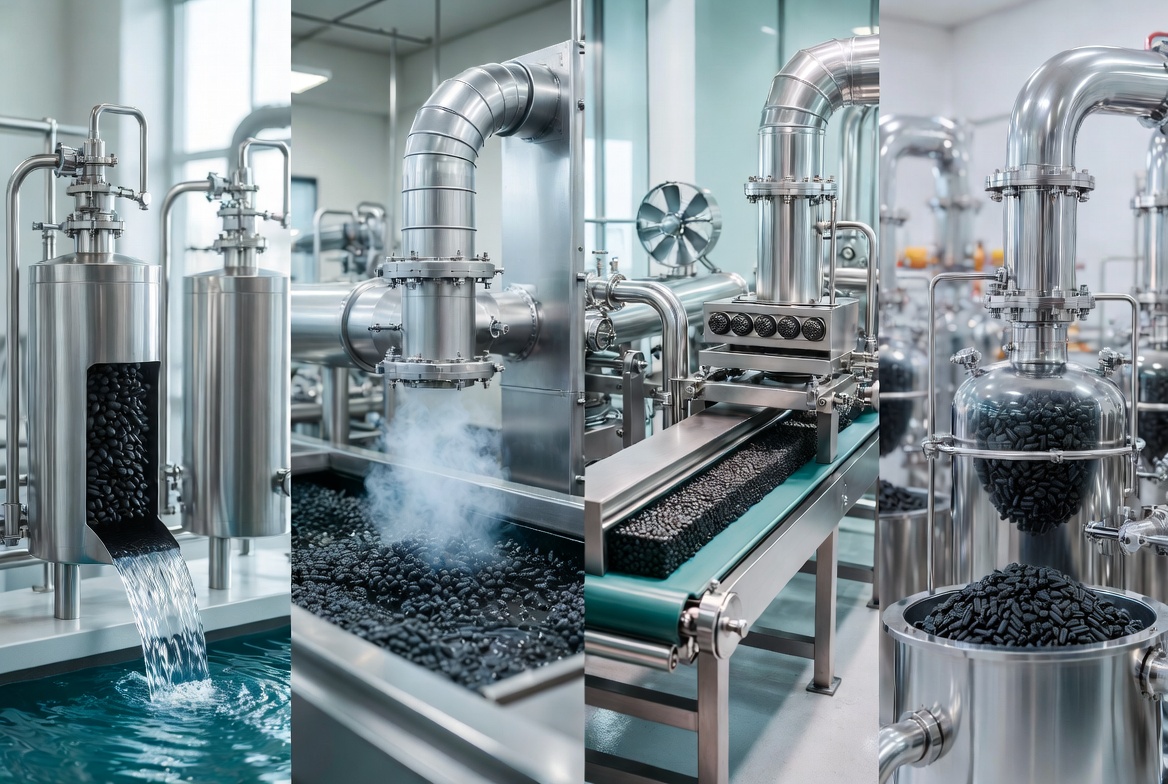
Selecting a dependable GAC manufacturer requires going beyond catalogue data to assess their plant, systems and behavior over time. In this guide, the shortlisting is based on five core dimensions that align with common due‑diligence frameworks in China sourcing. [b2bdata.baidu]
- Factory qualifications and certification stack:
Prioritizing ISO 9001 quality management, plus application‑specific standards such as NSF/ANSI 61 and AWWA B604 for drinking‑water GAC, and food‑contact certifications like KOSHER and HALAL where relevant. [activatedcarbonfactory]
- Technical depth and R&D capability:
Evidence of in‑house labs, test equipment, and the ability to engineer different pore structures, iodine values (typically ≥900 mg/g for high‑performance GAC) and mesh sizes for distinct liquid‑phase and gas‑phase applications. [norit]
- Quality control process and third‑party testing:
Consistent batch‑level testing (iodine, abrasion, ash, moisture) and willingness to share third‑party reports from labs such as SGS or BV are treated as baseline expectations rather than "nice‑to‑have". [accio]
- Operational reliability and capacity:
We consider declared annual outputs (often 10,000+ t/year for leading plants), on‑time delivery rates (industry benchmark >95%), reorder rates (>20% for stable relationships) and warehouse infrastructure supporting stable supply. [activatedcarbonfactory]
- Export track record and OEM/ODM flexibility:
Preference is given to factories with established export flows to Asia, Europe and North America and proven experience in OEM/private‑label packaging, customized specifications and mixed‑lot shipments. [accio]
These criteria are applied against publicly available data, industry marketplace statistics and factory disclosures, then cross‑checked with typical buyer verification workflows such as business license checks and independent certification validation. [b2bdata.baidu]
Understanding GAC Activated Carbon: Technical Essentials for Buyers
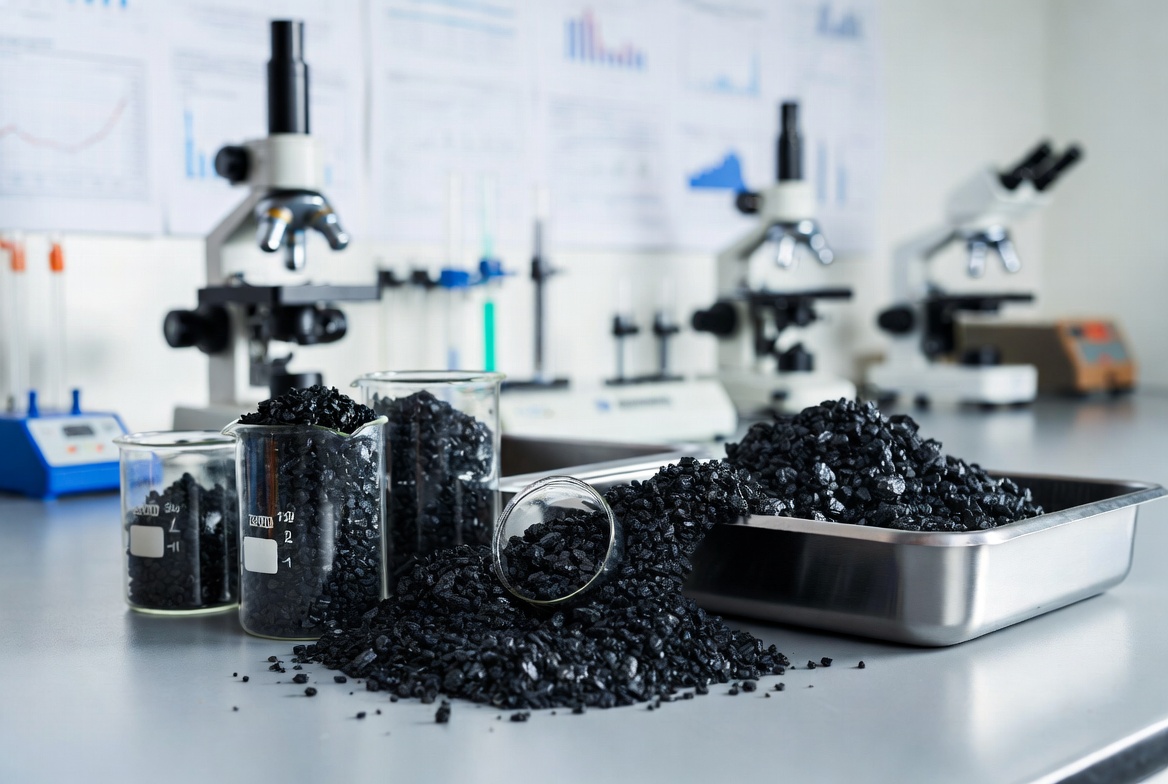
Granular activated carbon (GAC) is a form of activated carbon characterized by larger particle size—typically in the 0.2–5 mm range—designed for packed beds, filters and adsorbers handling continuous flows. Unlike powdered activated carbon, GAC is engineered for repeated use in fixed or moving beds, where hydraulic behavior, pressure drop and attrition resistance matter as much as adsorption performance. [norit]
Key technical parameters buyers should track include iodine number (general indicator of micropore content, commonly ≥900 mg/g for high‑performing water‑treatment grades), abrasion number or hardness (AWWA‑style figures above 75), moisture as packed (often ≤5%) and ash content (target <10% to reduce interference and leaching risk). Particle size distribution, effective size and uniformity coefficient directly impact bed performance—poor control leads to channelling, early breakthrough and uneven saturation, so reputable manufacturers will specify and test these properties batch by batch. [norit]
For regulated sectors, certifications significantly shape vendor suitability: NSF/ANSI 61 and AWWA B604 for municipal drinking‑water GAC, Kosher and Halal for food‑related applications, and sometimes REACH compliance for exports into the EU. Chinese plants serving these sectors tend to run structured quality management systems under ISO 9001 and offer Material Safety Data Sheets (MSDS) and traceability documentation as part of their standard delivery package. [activatedcarbonfactory]

China's Industrial Clusters and GAC Competitiveness
China's dominance in GAC is rooted in several regional clusters that combine raw‑material access, process know‑how and export logistics. Henan Province—particularly Zhengzhou and Gongyi—hosts a dense concentration of GAC manufacturers focusing on coal‑based and mixed‑media granular carbons for water treatment and industrial gases. [marketresearchfuture]
Fujian's coastal manufacturers benefit from port proximity and emphasize export‑oriented production, often achieving annual outputs in excess of 10,000 t with straightforward access to global shipping lanes. Ningxia and Hunan support smaller but specialized producers with access to coal and niche segments, while Guangdong hosts diversified activated carbon plants like Tongke Carbon that combine multi‑material portfolios with flexible OEM service. [accio]
The overall activated carbon market in China was valued around USD 0.57 billion in 2023 and is projected to reach approximately USD 2.43 billion by 2035, reflecting continued demand growth in water treatment, food and beverage and air purification. For buyers, this expansion translates into increasing competition among suppliers, broader product ranges, and more attention to international standards and sustainability claims. [marketresearchfuture]
Top 10 GAC Activated Carbon Manufacturers in China (2026 Shortlist)
Below is a curated list of ten representative GAC manufacturers and suppliers in China, selected based on the criteria outlined above and current market data from industrial platforms and public disclosures. Descriptions focus on strengths, typical applications and OEM/ODM capability rather than promotional language, to support objective vendor comparison. [activatedcarbonfactory]
1. Guangdong Tongke Activated Carbon Co., Ltd.
Based in Dongguan, Guangdong Tongke Activated Carbon Co., Ltd. ("Tongke Carbon") is a manufacturer integrating R&D, production and sales across multiple activated carbon categories, including granular grades for water, air, food and chemical applications. Tongke reports more than 20 years of industry experience, an annual capacity of about 30,000 tons and exports to Southeast Asia, Europe and North America, supported by certifications such as NSF, KOSHER and HALAL for relevant product lines. [activatedcarbonfactory]
Tongke positions itself as a flexible partner for OEM and customized GAC solutions, leveraging advanced production equipment, professional research laboratories and strict end‑to‑end quality inspection. Practical advantages for mid‑size brands and industrial users include competitive pricing with relatively small MOQs, a 3,000 m² warehouse enabling stable supply and fast dispatch, and a one‑stop service model covering procurement, logistics and technical support. [activatedcarbonfactory]
2. Henan Secco Environmental Protection Technology Co., Ltd.
Henan Secco Environmental Protection is part of the Henan GAC cluster and focuses on GAC for water treatment, air purification and industrial processes. Marketplace performance data indicates high review scores, rapid response times (often ≤1 hour), perfect on‑time delivery and solid reorder rates, which signal disciplined operations and customer retention. [accio]
For buyers prioritizing responsiveness and schedule reliability, Secco's metrics suggest a good fit for recurring, container‑scale orders in standard coal‑based GAC grades. Their strength lies more in scale and logistics than deep customization, making them suitable for projects with well‑defined, standard specifications. [accio]
3. Fujian Huamo Technology Co., Ltd.
Fujian Huamo Technology operates from a coastal province with export‑friendly logistics and specializes in GAC for water and industrial applications. Data shows high review scores and the highest reorder rate (around 27%) among listed suppliers, implying strong long‑term client satisfaction despite slightly lower (but still respectable) delivery performance versus peers. [accio]
Huamo is a good candidate for buyers seeking export‑oriented partners comfortable with global shipping routines, Incoterms like FOB/CIF and long‑distance logistics to Europe or the Americas. Their high reorder rate suggests capacity to support multi‑year supply programs with a focus on relationship‑based service. [accio]
4. Choice Chemicals (China‑based GAC Supplier)
Choice Chemicals is categorized as a supplier rather than a pure manufacturer but stands out with near‑perfect service metrics and a reorder rate exceeding 40%, indicating strong trust from repeat customers. They aggregate GAC from established factories and can be useful when buyers need to consolidate different grades or small lots without managing multiple direct manufacturer relationships. [accio]
The trade‑off is that pricing may be less aggressive than factory‑direct, but the service model can reduce sourcing complexity, particularly for smaller buyers testing the China market or needing multi‑material shipments. [accio]
5. Zhengzhou Kelin Water Purification Material Co., Ltd.
Zhengzhou Kelin is a Henan‑based specialist in water purification materials, including granular activated carbon for liquid‑phase treatment. Marketplace data reports review scores around 4.5/5, rapid response times (≤1 hour), on‑time delivery near 97% and healthy reorder rates, reflecting mature processes and customer loyalty. [accio]
Kelin is suited to municipal and industrial water‑treatment projects where coal‑based GAC is standard and buyers demand predictable lead times and technical familiarity with conventional filtration systems. They are typically more focused on standard grades than on highly customized niche applications. [accio]
6. Gongyi City Meiqi Industry & Trade Co., Ltd.
Gongyi Meiqi operates in the Henan cluster, producing GAC alongside other filtration media for water treatment. It achieves very high review scores, near‑perfect on‑time delivery (≈99%) and strong reorder rates above 20%, which suggests robust quality control and service performance. [accio]
Meiqi's mix of filtration products can be attractive for buyers sourcing complete media packages (GAC plus sand, manganese or other media) from a single vendor. Its strength lies in operational reliability across repeated shipments rather than deep specialization in high‑end engineered carbons. [accio]
7. Fujian Guangyuan Carbon Products Co., Ltd.
Fujian Guangyuan focuses on carbon products, including GAC, with perfect review scores and on‑time delivery metrics but incomplete data on reorder rates. Their coastal location supports export logistics, suggesting a fit for international buyers needing containerized shipments and smooth port handling. [accio]
In the absence of detailed reorder statistics, buyers should apply standard verification steps—certificates, factory tours (virtual or on‑site) and initial trial orders—to validate long‑term suitability. [b2bdata.baidu]
8. Gongyi Filter Industry Co., Ltd.
Gongyi Filter Industry supplies GAC and related filter materials, scoring highly on review metrics, response time and reorder rates (over 20%). Their balanced performance indicates a well‑run mid‑size operation in the Henan cluster with sufficient experience in export transactions. [accio]
For buyers seeking a mix of media and cost‑effective coal‑based GAC, this type of supplier can be a pragmatic mid‑tier choice, though technical customization may be limited compared with R&D‑heavy manufacturers. [accio]
9. Zhengzhou Yihang Water Purification Material Co., Ltd.
Zhengzhou Yihang delivers GAC and other water‑purification materials, combining solid review scores, fast responses and 100% on‑time delivery according to marketplace data. Reorder rates in the mid‑teens suggest either younger client relationships or more project‑based business rather than continuous programs. [accio]
This profile suits EPC contractors and project‑based buyers needing reliable delivery against specific bid timelines, particularly when technical requirements fall within conventional standards. [accio]
10. HUAZE (Ningxia) Carseritech Carbon Co., Ltd.
HUAZE in Ningxia is a newer entrant with limited publicly available performance data, reflecting early‑stage development. Its location in a coal‑rich region suggests capacity to develop specialized carbons, but the absence of verified metrics makes thorough due diligence essential. [accio]
Buyers considering such emerging manufacturers should prioritize third‑party factory audits, independent lab testing and smaller pilot orders before committing to long‑term contracts. [b2bdata.baidu]
Manufacturer Comparison Table: Capacity, MOQ and Certifications
The table below summarizes typical positioning of the ten profiled suppliers based on public data and disclosed advantages; exact figures should be confirmed directly with each factory before contracting. [activatedcarbonfactory]
| Manufacturer | Approx. annual capacity | Typical MOQ for GAC | Key certifications / credentials |
| Guangdong Tongke Activated Carbon Co., Ltd. | ~30,000 t/year export + domestic output (activatedcarbonfactory) | Small MOQs, often from 1–5 t for standard grades (activatedcarbonfactory) | ISO‑style quality system, NSF, KOSHER, HALAL; strict in‑house QC and third‑party testing support (activatedcarbonfactory) |
| Henan Secco Environmental Protection Technology | Large Henan‑cluster capacity, 10,000+ t (market estimate) (accio) | Container‑scale MOQs (e.g. ≥5–10 t) for export orders (accio) | ISO 9001, water‑treatment focus; strong delivery and response metrics on marketplaces (accio) |
| Fujian Huamo Technology | 10,000+ t/year export‑oriented GAC (accio) | Standard industrial MOQs (around 5–10 t) (accio) | ISO 9001, water and industrial GAC; high reorder rate indicating long‑term client trust (accio) |
| Choice Chemicals (supplier) | Aggregated multi‑factory capacity, flexible sourcing (accio) | Very flexible MOQs; can consolidate smaller lots (accio) | Multi‑certification access via partner plants (ISO, NSF, etc. depending on product) (accio) |
| Zhengzhou Kelin Water Purification Material | Mature mid‑large capacity in Henan water cluster (accio) | Standard MOQs (5+ t) for coal‑based GAC (accio) | ISO 9001 and water‑treatment credentials; stable delivery and reorder metrics (accio) |
| Gongyi Meiqi Industry & Trade | Multi‑media production with significant GAC output (accio) | Project‑oriented MOQs (often 5–10 t) (accio) | ISO‑style systems; strong on‑time delivery and repeat orders (accio) |
| Fujian Guangyuan Carbon Products | Large export‑focused plant capacity (accio) | Container‑level MOQs for export GAC (accio) | ISO‑type QMS; high marketplace ratings, full verification recommended (accio) |
| Gongyi Filter Industry | Medium‑large filter media capacity including GAC (accio) | Standard industrial MOQs (accio) | ISO 9001, water/air media focus; strong reorder and rating metrics (accio) |
| Zhengzhou Yihang Water Purification Material | Significant water‑media output in Henan cluster (accio) | Project MOQs (accio) | ISO 9001; excellent on‑time performance, stable ratings (accio) |
| HUAZE (Ningxia) Carseritech Carbon | Growing capacity, niche specialization in development (accio) | Negotiable MOQs; pilot orders recommended (accio) | Early‑stage certification stack; full third‑party verification needed (accio) |
Common Industry Pitfalls and How to Avoid Them
Industrial buyers of GAC frequently encounter recurring issues that are not always visible from datasheets. Understanding these pitfalls and embedding countermeasures in your sourcing process can save significant cost and reputational risk over the life of a contract. [b2bdata.baidu]
- Downgrading materials or mixing lower‑grade raw carbon:
Some suppliers may blend cheaper feedstocks or off‑spec GAC into batches, leading to lower iodine values, faster breakthrough and higher ash than promised. Mitigation: require batch‑specific third‑party test reports and random re‑testing at independent labs; tie contracts to minimum parameter thresholds with penalties. [norit]
- Over‑reliance on certificates without scope checks:
ISO and NSF certificates may be expired, issued by non‑accredited bodies or only cover specific products, not the GAC you plan to buy. Use tools like IAF CertSearch to verify certificate numbers, issuing bodies, validity periods and scopes, and confirm the factory's business license lists manufacturing, not just trading. [b2bdata.baidu]
- Hidden capacity constraints and lead‑time slippage:
Factories may promise aggressive lead times without factoring in furnace throughput, drying and screening capacity, or export congestion. Mitigation: review historical on‑time delivery rates, warehouse inventories and backup capacity; start with conservative timelines and performance‑based incentives. [accio]
- Inconsistent packaging and handling leading to fines or damaged goods:
Non‑standard bagging, labelling or palletization can cause port delays or cargo damage. Specify packaging standards (bag material, weight, pallet type, labelling, HS code) in contracts and include pre‑shipment inspection focusing on packing. [b2bdata.baidu]
Insider "Avoid‑the‑Trap" Guide (Rarely Mentioned but Widely Known)
Within experienced sourcing teams, one of the most discussed but least publicized issues is the gap between who you negotiate with and who actually manufactures your GAC. In China, it is common for trading companies or "front factories" to present their own certificates and photos while partially or fully subcontracting production to smaller plants whose quality systems and certifications are weaker. [b2bdata.baidu]
To reduce this risk, seasoned buyers follow several practices: [b2bdata.baidu]
- Cross‑check business license scope and factory address:
Confirm that the entity signing your contract is licensed for manufacturing, not just import/export or trading, and that the production site you visit (physically or virtually) matches the certificate details. [b2bdata.baidu]
- Tie contracts to factory‑specific audits and product codes:
Make your agreement contingent on audits of the actual production lines and reference product codes tied to the tested GAC, so the supplier cannot quietly switch to a different subcontractor without re‑approval. [b2bdata.baidu]
- Watch for "too flexible" product claims:
When a vendor claims to supply every conceivable GAC grade with minimal lead time on all of them, it can indicate extensive outsourcing rather than deep internal capability; treat that as a prompt for more scrutiny rather than an advantage. [b2bdata.baidu]
These steps, combined with standard pre‑shipment inspections and batch‑level testing, substantially reduce the chance of "factory swapping" that undermines long‑term quality consistency. [b2bdata.baidu]
Verifying and Working with Chinese GAC Manufacturers
A structured sourcing and verification process is essential to translate supplier promises into dependable performance. Below is a practical framework widely used by industrial buyers, adapted to GAC and Chinese manufacturing realities. [b2bdata.baidu]
Step 1 – Shortlist and Background Check
Use industrial platforms (Alibaba, Made‑in‑China, sector‑specific B2B directories) to shortlist suppliers matching your capacity, application and certification needs. Cross‑check each candidate's business license in Chinese government registries to confirm establishment date, registered capital and manufacturing scope. [b2bdata.baidu]
Step 2 – Certification and Quality System Verification
Request full certificate sets (ISO 9001, NSF/ANSI 61, AWWA B604, food‑contact or religious certifications where relevant) and validate them through official channels, such as IAF CertSearch and issuing body websites. Confirm that each certificate covers the relevant product category and factory location, not just a generic "trading office". [norit]
Step 3 – Technical Specification Alignment and Samples
Define technical specifications clearly—raw material type (coal, wood, coconut shell), iodine number range, ash content, mesh size, moisture limit, hardness and any special requirements like low TOC leaching. Request 1–2 kg samples for each target grade (most Chinese GAC suppliers provide samples, with the buyer paying shipping) and send them to an independent lab for verification. [norit]
Step 4 – Factory Audit (On‑site or Virtual)
For strategic suppliers, commission third‑party audits (SGS, TÜV, Intertek or specialized China inspection firms) to review furnace capacity, screening systems, QC labs and traceability processes. Virtual audits via video call can be used as an interim step, but in‑person visits before large contracts provide a clearer picture of actual operations. [sinospect]
Step 5 – Contracting, Logistics and Incoterms
Structure contracts with tightly defined specifications, inspection rights, penalty clauses for out‑of‑spec batches and clear Incoterms (commonly FOB Shanghai/Ningbo or CIF destination port). Most Chinese GAC manufacturers handle global logistics via chemical‑specialist freight partners and can provide HS codes and export documentation; align shipment sizes (often 20+ tons for freight advantages) with your inventory and cash‑flow constraints. [accio]
Step 6 – Ongoing Performance Monitoring
Track on‑time delivery, non‑conformity rates, lab test results and communication responsiveness for each vendor over time, using a supplier scorecard. Regular re‑testing and periodic audits help ensure performance stays aligned with your initial evaluation rather than degrading after the first few orders. [b2bdata.baidu]
Conclusion
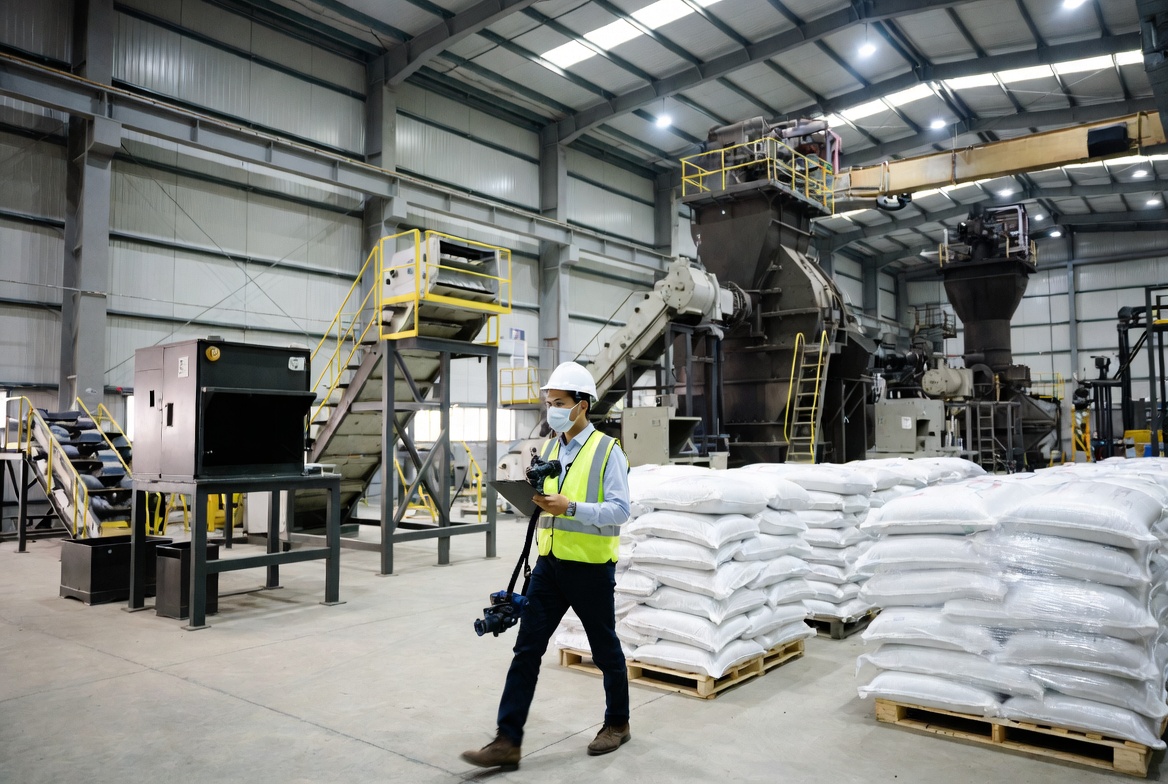
China's GAC activated carbon industry now combines large volumes, cost efficiency and steadily improving quality systems, but the spread between top‑tier and opportunistic suppliers remains wide. By applying structured evaluation criteria, independent certification verification and disciplined sampling and auditing, buyers can build resilient supply programs that protect both process performance and brand reputation. [marketresearchfuture]
Manufacturers like Guangdong Tongke Activated Carbon Co., Ltd. illustrate the kind of partner mid‑size brands and industrial users can rely on: multi‑material product ranges, strong export experience, recognized certifications and flexible OEM support. If you are planning to qualify or benchmark GAC suppliers in China for 2026–2027 projects, the practical next step is to define your technical spec and compliance requirements, shortlist 3–5 candidates (including at least one R&D‑driven plant like Tongke), and initiate structured sampling and audit processes. [activatedcarbonfactory]
Frequently Asked High‑Difficulty Questions from GAC Buyers
Below are five advanced questions that come up frequently in serious procurement discussions, with concise guidance on how to address them. [b2bdata.baidu]
1. How can I verify that a supplier's ISO 9001 certificate is genuine and not expired?
Use the IAF CertSearch database to look up the certificate number and company name, check validity dates and confirm the issuing body is IAF‑accredited; cross‑check scope and factory address, then request the original certificate and, if necessary, call the certification body directly. [b2bdata.baidu]
2. How do I ensure the GAC I buy matches the grade tested in third‑party reports?
Tie test reports to specific batch IDs and product codes and require those identifiers to appear on packaging and delivery documents; conduct random re‑testing on incoming batches and include contractual penalties for deviations beyond agreed tolerance. [norit]
3. What's the best way to detect if a factory is mixing lower‑grade GAC into my shipments?
Maintain a baseline profile of iodine, ash, hardness and particle size for approved material, then periodically test new batches and compare against that profile; significant downward drift or wider variability often indicates mixing or material substitution. [norit]
4. How can I assess whether a manufacturer can handle specialized applications like VOC removal or gold recovery?
Ask for application‑specific references, detailed case studies and sample formulations with tailored pore structures or catalytic impregnation; verify these claims through test data and, where possible, pilot trials in your system before scaling orders. [norit]
5. What's the most effective way to manage quality across multiple plants when buying through a supplier or group?
Require plant‑level visibility for each batch (factory name, address, certificate stack), standardize specifications and test protocols across sites and insist on consolidated reporting plus periodic audits of each contributing factory. [b2bdata.baidu]
References
- China Activated Carbon Market Report (Forecast to 2035), Market Research Future – industry size and growth projections for activated carbon in China. [marketresearchfuture]
- Top Granulated Activated Carbon Manufacturers in China, Accio B2B – overview of Chinese GAC clusters, supplier performance metrics and buyer guidance. [accio]
- NORIT GAC 820 Product Bulletin – example of global GAC technical specifications and certifications (NSF/ANSI, AWWA, Kosher, Halal). [norit]
- ISO 9001 Certification Guide for Alibaba B2B Sourcing – detailed checklist and tools (including IAF CertSearch) for verifying Chinese manufacturers' quality certificates. [b2bdata.baidu]
- China‑focused supplier qualification services (e.g., Sinospect) – third‑party factory audit and verification options for industrial buyers. [sinospect]


