Content Menu
● What Is Powdered Activated Carbon?
● Key Reasons We Use Powdered Activated Carbon
● How Powdered Activated Carbon Works
● Advantages Compared With Granular Activated Carbon
>> Powdered vs Granular Activated Carbon
● Why We Use Powdered Activated Carbon in Water Treatment
● Why We Use Powdered Activated Carbon for Air and Gas Purification
● Why Powdered Activated Carbon Is Essential in Food and Beverage
● Use of Powdered Activated Carbon in Chemical and Pharmaceutical Industries
● Emergency and Seasonal Events: A Major Reason to Use Powdered Activated Carbon
● Cost‑Effectiveness and Operational Flexibility
● Conclusion
● FAQ About Powdered Activated Carbon
>> 1. What is the main purpose of powdered activated carbon?
>> 2. Why choose powdered activated carbon instead of granular activated carbon?
>> 3. Is powdered activated carbon safe for drinking water treatment?
>> 4. How is powdered activated carbon disposed of after use?
>> 5. What factors should be considered when selecting a powdered activated carbon grade?
● Citations:
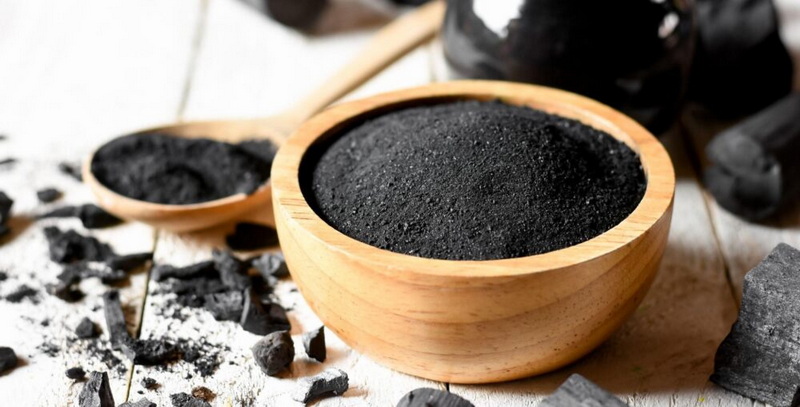
Powdered activated carbon (PAC) is a finely ground adsorbent used to solve complex purification challenges in municipal water treatment, industrial wastewater, air and gas purification, and high‑value food, beverage, chemical, and pharmaceutical processes. Compared with granular activated carbon (GAC), powdered activated carbon offers faster adsorption, easier dosing, and excellent flexibility for temporary, seasonal, or emergency treatment needs.[3][2][4][1]
In this article, powdered activated carbon is the core focus, explaining why engineers, plant operators, and product developers increasingly select powdered activated carbon when they need fast, reliable, and economical purification performance. The content also highlights where powdered activated carbon delivers the most value and how it supports both product quality and environmental compliance in real‑world operations.[4][1][3]
What Is Powdered Activated Carbon?
Powdered activated carbon is a form of activated carbon with very fine particles, typically smaller than about 0.18–0.20 mm, manufactured from carbon‑rich raw materials such as coal, wood, or coconut shell. During production, the material is carbonized and activated to create a network of pores that provides an enormous internal surface area for adsorption.[5][2][3]
Because the particles of powdered activated carbon are so small, they disperse quickly in water or other liquids, allowing target contaminants to contact the carbon surface in a very short time. This makes powdered activated carbon especially effective in batch processes, short contact times, and emergency pollution events where rapid removal of taste, odor, or toxic compounds is essential.[6][2][1]
Key Reasons We Use Powdered Activated Carbon
Engineers and operators use powdered activated carbon because it combines high purification performance with flexible and relatively low‑cost implementation. Several technical and practical advantages make powdered activated carbon a preferred choice in many systems.[1][3]
- Very fast adsorption kinetics due to fine particle size and large accessible surface area.
- Flexible dosing: powdered activated carbon can be added only when needed and at adjustable concentrations.
- Low initial capital cost, since powdered activated carbon systems can often be retrofitted into existing treatment trains.
Powdered activated carbon is also widely chosen because it can target a broad spectrum of organic contaminants, including trace taste and odor compounds, pesticides, industrial chemicals, and color‑forming molecules. In many plants, powdered activated carbon serves as a “polishing” step to help meet tightening regulatory limits for potable water and industrial effluents.[7][6][4][1]
How Powdered Activated Carbon Works
Powdered activated carbon works mainly through adsorption, where dissolved or gaseous molecules adhere to the carbon surface and become trapped within its pores. The huge internal surface area and tailored pore size distribution of powdered activated carbon allow it to capture a wide range of organic pollutants, odorous compounds, and some inorganic species such as certain heavy metals.[5][4][1]
In water and wastewater treatment, powdered activated carbon is usually dosed into the liquid stream as a dry powder or slurry, mixed to ensure contact, and then removed by sedimentation, flotation, or filtration. In air and gas purification, powdered activated carbon can be incorporated into filter media or injected into gas streams and later collected with bag filters or other separation equipment.[8][9][10][5]
Advantages Compared With Granular Activated Carbon
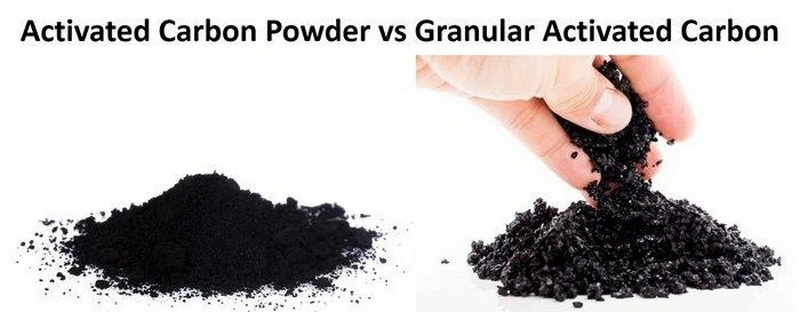
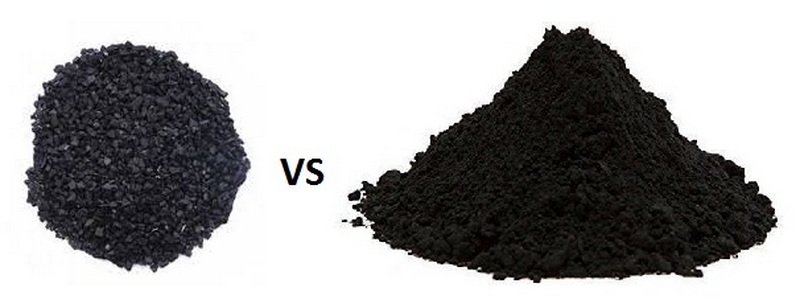
Powdered activated carbon and granular activated carbon share the same basic adsorption mechanism but deliver different performance and cost profiles depending on the application. The table below summarizes key differences and illustrates why powdered activated carbon is often preferred for short‑term, flexible treatments.[9][2]
Powdered vs Granular Activated Carbon
| Aspect | Powdered activated carbon (PAC) | Granular activated carbon (GAC) |
| Typical particle size | < 0.18 mm, fine powder.heycarbons+1 | 0.2–5 mm granules.heycarbons+1 |
| Adsorption speed | Very fast due to high external surface and short diffusion path.heycarbons+1 | Slower initial rate but good long‑term capacity.heycarbons+1 |
| Best suited for | Batch, seasonal, or emergency treatments; polishing steps.tairanchemical+1 | Continuous filtration in fixed beds; long‑term operation.suezwaterhandbook+1 |
| Capital cost | Low; can be dosed into existing tanks and basins.suezwaterhandbook+1 | Higher; requires dedicated contactors and regeneration systems.suezwaterhandbook+1 |
| Operating mode | Usually single‑use, then disposed with sludge.yrdcarbon+1 | Often regenerated and reused, lowering lifecycle cost.suezwaterhandbook+1 |
| Dosing flexibility | Easy to increase or decrease powdered activated carbon dose based on water quality.tairanchemical+1 | Less flexible; bed performance adjusted mainly through flow and bed replacement.suezwaterhandbook+1 |
These differences explain why powdered activated carbon is favored for fast, flexible treatment of taste, odor, and trace contaminants, while granular activated carbon is more common in large, continuous filtration systems. Many utilities and plants use both, selecting powdered activated carbon for peak or emergency events and granular activated carbon for baseline polishing.[2][11][3][6]
Why We Use Powdered Activated Carbon in Water Treatment
Water and wastewater treatment is one of the largest uses of powdered activated carbon worldwide. Municipal plants, industrial facilities, and private utilities use powdered activated carbon to improve drinking water taste and odor, remove trace organic contaminants, and reduce key indicators such as Chemical Oxygen Demand (COD) and Total Organic Carbon (TOC).[11][4][1]
Specific reasons to use powdered activated carbon in water systems include:
- Taste and odor control: Powdered activated carbon effectively adsorbs compounds like geosmin and 2‑methylisoborneol (MIB), which cause earthy or musty tastes during algal blooms.[6][11]
- Color removal and polishing: Powdered activated carbon removes color‑forming organic molecules from surface waters and industrial effluents, yielding clearer, more appealing water.[4][1]
- Trace organics and micropollutants: Powdered activated carbon helps reduce concentrations of pesticides, industrial chemicals, and other emerging contaminants at very low levels.[13][1]
Because powdered activated carbon can be dosed only when needed, it is ideal for seasonal events or short‑term incidents, such as algal blooms or upstream spills, without forcing utilities to invest in large new treatment units. This flexibility is a major reason utilities increasingly include powdered activated carbon systems in their contingency and resilience planning.[11][1][6]
Why We Use Powdered Activated Carbon for Air and Gas Purification
Powdered activated carbon is also widely used to purify air and industrial gases by adsorbing volatile organic compounds (VOCs), odorous gases, and hazardous pollutants. It can be applied in industrial exhaust treatment, indoor air purification, and flue‑gas cleaning for power plants and waste incinerators.[8][5][4]
In these applications, powdered activated carbon is used because:
- Its high surface area enables efficient removal of organic vapors, odors, and certain toxic gases even at low concentrations.[5][8]
- Powdered activated carbon injection systems can be installed in existing ducts or stacks, offering a relatively low‑cost retrofit option.[14][8]
- Different powdered activated carbon grades can be impregnated or modified to target specific gas‑phase contaminants, such as acidic gases or mercury.[8][4]
Overall, powdered activated carbon provides a powerful tool to help industrial facilities meet stringent air emission standards while controlling odors and protecting worker and community health.[4][8]
Why Powdered Activated Carbon Is Essential in Food and Beverage
In the food and beverage industry, powdered activated carbon is used to decolorize, deodorize, and purify sensitive liquids such as sugar solutions, juices, wine, beer, edible oils, and functional ingredients. Producers rely on powdered activated carbon to improve appearance, taste, and stability while meeting tight safety and purity requirements.[15][1][4]
Key reasons food and beverage processors choose powdered activated carbon:
- Decolorization and clarity: Powdered activated carbon effectively removes colored impurities without significantly affecting desired components when correctly selected and dosed.[15][1]
- Off‑flavor and odor removal: Powdered activated carbon adsorbs off‑notes from process intermediates, helping maintain consistent product sensory profiles.[1][4]
- Removal of process residues: Powdered activated carbon can capture trace by‑products, solvents, or breakdown products formed during processing or storage.[15][1]
Because powdered activated carbon can be added to tanks and filters already used in a plant, it offers a flexible solution that integrates into existing production lines. Many food and beverage manufacturers work closely with specialized suppliers to select powdered activated carbon grades that meet regulatory and certification requirements for food contact.[1][4][15]
Use of Powdered Activated Carbon in Chemical and Pharmaceutical Industries
Chemical and pharmaceutical manufacturers depend on powdered activated carbon to purify intermediates, active ingredients, and final products by removing color bodies, trace catalysts, reaction by‑products, and residual solvents. The fine particle size and high activity of powdered activated carbon allow efficient treatment even in viscous or complex liquids.[15][1]
Typical reasons to use powdered activated carbon in these sectors include:
- Purification of APIs and intermediates: Powdered activated carbon helps manufacturers meet strict impurity limits and appearance specifications for active pharmaceutical ingredients.[4][15]
- Catalyst support or carrier: In some processes, powdered activated carbon serves as a high‑surface‑area support for catalysts, enhancing reaction efficiency.[8][1]
- Wastewater and emission treatment: Powdered activated carbon is used to treat process wastewater and off‑gases, ensuring compliance with environmental regulations.[1][4]
In these high‑value applications, manufacturers typically select pharmaceutical‑grade or high‑purity powdered activated carbon with tight controls on ash, extractables, and trace metals. Close coordination between the plant and the powdered activated carbon supplier ensures that the product matches both process requirements and regulatory standards.[4][15][1]
Emergency and Seasonal Events: A Major Reason to Use Powdered Activated Carbon
One of the strongest reasons utilities and industrial plants adopt powdered activated carbon is its effectiveness in responding to sudden or seasonal pollution events. Because powdered activated carbon can be dosed quickly at variable rates, it provides a fast and practical barrier against short‑term contamination.[6][1]
Common scenarios where powdered activated carbon is especially valuable include:
- Algal blooms in surface water sources: During blooms, powdered activated carbon can rapidly control geosmin, MIB, and algal toxins that affect drinking water taste and safety.[11][6]
- Industrial spills or upstream contamination: Powdered activated carbon can be immediately added to treatment basins to reduce unusual organic loads and help protect downstream users.[13][1]
- Seasonal taste and odor problems: Utilities often plan powdered activated carbon dosing campaigns during seasons when they historically see higher taste and odor complaints.[16][11]
These emergency and seasonal roles highlight why powdered activated carbon is often viewed as a strategic “insurance policy” within water and industrial treatment systems. The ability to quickly ramp powdered activated carbon usage up or down is a major advantage over fixed‑bed technologies that require longer design and installation times.[9][14][6][11]
Cost‑Effectiveness and Operational Flexibility
Although powdered activated carbon is usually a single‑use material that ends up in sludge or spent filter media, it is still considered cost‑effective in many applications. Powdered activated carbon production is generally less expensive than granular activated carbon, and the absence of regeneration equipment lowers upfront capital costs.[3][2][1]
From an operational perspective, powdered activated carbon offers:
- On‑demand use: Plants can run powdered activated carbon systems only when quality or regulatory conditions justify the cost.[11][1]
- Fine control of treatment intensity: Operators can incrementally adjust powdered activated carbon dosing based on real‑time monitoring, optimizing removal efficiency and chemical consumption.[11][1]
- Compatibility with other treatment steps: Powdered activated carbon can work alongside coagulants, flocculants, membranes, and biological processes, improving overall performance.[9][1]
These characteristics explain why powdered activated carbon is often the preferred option where contaminant levels are variable, contact times are short, or plant managers want to avoid major capital investments. For many facilities, powdered activated carbon provides the best balance between cost, flexibility, and purification performance.[14][1]
Conclusion
Powdered activated carbon is used because it delivers rapid, highly effective adsorption, flexible dosing, and strong performance across water, air, food, chemical, and pharmaceutical applications. Its fine particle size, large surface area, and adaptable implementation make powdered activated carbon a powerful tool for controlling taste, odor, color, and trace contaminants, particularly during seasonal or emergency events.[6][4][1]
Compared with granular activated carbon, powdered activated carbon requires lower capital investment and offers greater operational flexibility, even though it is typically single‑use. For many utilities and industrial plants, powdered activated carbon is therefore the logical choice when they need fast results, precise control over treatment intensity, and reliable protection of product quality and environmental compliance.[2][14][3][1]
FAQ About Powdered Activated Carbon
1. What is the main purpose of powdered activated carbon?
The main purpose of powdered activated carbon is to adsorb unwanted organic compounds and some inorganic pollutants from water, air, and process liquids, improving quality and safety. Powdered activated carbon is widely used to control taste, odor, color, and trace contaminants in municipal and industrial systems.[6][4][1]
2. Why choose powdered activated carbon instead of granular activated carbon?
Powdered activated carbon is preferred when fast adsorption, short contact time, and dosing flexibility are more important than long‑term regeneration and reuse. It is especially suitable for batch treatment, seasonal taste and odor episodes, and emergency contamination events where rapid response is critical.[3][2][6][1]
3. Is powdered activated carbon safe for drinking water treatment?
Properly manufactured powdered activated carbon products that meet relevant standards, such as NSF/ANSI certifications, are widely used in drinking water applications worldwide. When correctly dosed and removed, powdered activated carbon helps utilities improve taste and odor and reduce trace organics while complying with drinking water regulations.[7][16][6][11]
4. How is powdered activated carbon disposed of after use?
After use, powdered activated carbon is typically removed together with sludge or filter cake and then handled according to local environmental regulations. Depending on the contaminants adsorbed, options may include disposal in approved landfills, incineration with energy recovery, or, in some cases, specialized regeneration.[10][9][1]
5. What factors should be considered when selecting a powdered activated carbon grade?
When selecting a powdered activated carbon grade, users should consider raw material type, iodine number or surface area, pore size distribution, particle size, ash content, and application‑specific certifications. Matching powdered activated carbon properties to the target contaminants, process conditions, and quality standards ensures reliable performance and cost‑effective operation.[4][15][1]
Citations:
[1](https://www.tairanchemical.com/news/the-functions-and-applications-of-powdered-activated-carbon.html)
[2](https://www.yrdcarbon.com/news/differences-granular-powdered-activated-carbon.html)
[3](https://heycarbons.com/granular-activated-carbon-vs-powdered-activated-carbon/)
[4](https://activatedcarbon.com/applications)
[5](https://en.wikipedia.org/wiki/Activated_carbon)
[6](https://www.yihangcarbon.com/news/the-key-role-of-powdered-activated-carbon-in-drinking-water-treatment.html)
[7](https://www.ncbi.nlm.nih.gov/books/NBK234593/)
[8](https://sodimate-inc.com/activated-carbon-types-applications-advantages/)
[9](https://www.suezwaterhandbook.com/water-and-generalities/fundamental-physical-chemical-engineering-processes-applicable-to-water-treatment/adsorption/applied-activated-carbon-principles)
[10](https://en.wikipedia.org/wiki/Powdered_activated_carbon_treatment)
[11](https://watertech.blog/using-powdered-activated-carbon-for-improving-taste-in-potable-water-tackling-geosmin-and-beyond)
[12](https://ucicarbons.com/granular-activated-carbon-vs-powdered-activated-carbon/)
[13](https://pubs.rsc.org/en/content/articlelanding/2022/ew/d2ew00046f)
[14](https://www.bygen.com.au/post/granular-vs-powdered-activated-carbon-which-one-is-right-for-your-application)
[15](https://www.huameicarbon.com/understanding-powdered-activated-carbon-types-applications-and-huameis-superior-solutions/)
[16](https://awwa.onlinelibrary.wiley.com/doi/abs/10.1002/aws2.1289)
[17](https://www.calgoncarbon.com/powdered-activated-carbon/)
[18](https://www.naturecarbon.com/news/water-treatment-activated-carbon-is-powder-or-30155961.html)
[19](https://www.sciencedirect.com/science/article/abs/pii/S0013935123018765)
[20](http://irjaes.com/wp-content/uploads/2020/10/IRJAES-V5N3P352Y20.pdf)


