Content Menu
● What Is Activated Carbon?
● Is Activated Carbon Flammable or Combustible?
>> Combustible but not easily ignited
>> Smoldering combustion and hidden hot spots
● Why and When Activated Carbon Can Ignite
>> Heat of adsorption and self‑heating
>> Interaction with flammable vapors and liquids
>> Self‑heating and spontaneous ignition
● Dust Explosion Risks with Activated Carbon
>> Combustible dust behavior
>> Conditions leading to dust explosions
● Fire Safety in Activated Carbon Systems
>> Storage and handling precautions
>> Fire response and extinguishing media
>> Design considerations for industrial systems
● Application‑Specific Considerations
>> Water treatment with activated carbon
>> Air and gas purification, VOC and odor control
>> Food, beverage, chemical, and pharmaceutical applications
● Practical Safety Tips for Using Activated Carbon
● Conclusion
● FAQ About Activated Carbon and Flammability
>> 1. Is activated carbon flammable in normal industrial use?
>> 2. Can activated carbon self‑ignite or spontaneously combust?
>> 3. Is powdered activated carbon a dust explosion hazard?
>> 4. How should activated carbon fires be extinguished?
>> 5. What are best practices for safely storing activated carbon?
● Citations:
Activated carbon is a powerful industrial adsorbent, but it is also a combustible material that can burn, smolder, and, in some forms, contribute to dust explosions. Understanding when and how activated carbon is flammable is critical for safe design, operation, and maintenance in water treatment, air and gas purification, food and beverage, chemical, and pharmaceutical applications. For manufacturers, plant operators, and safety engineers, a clear view of activated carbon fire behavior helps balance high adsorption performance with robust safety management.
What Is Activated Carbon?
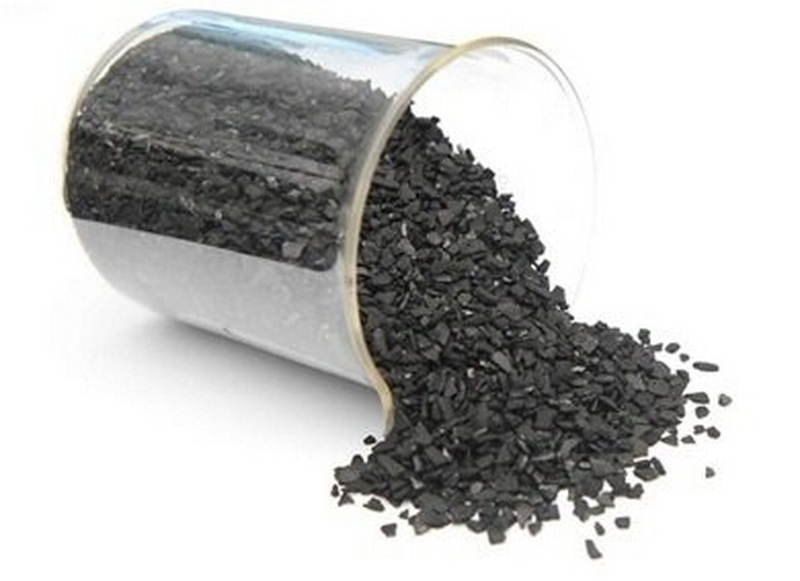
Activated carbon is a highly porous carbonaceous material produced from raw materials such as coal, coconut shell, wood, or other carbon‑rich feedstocks. During the activation process, these raw materials are carbonized and then treated thermally or chemically to create a network of micro‑, meso‑, and macropores. The result is a material with an enormous internal surface area, which allows activated carbon to adsorb a wide range of organic molecules and some inorganic species from liquids and gases.
In practice, activated carbon is supplied in several common forms:
- Granular activated carbon (GAC): Used in packed beds and filters for water treatment and gas purification.
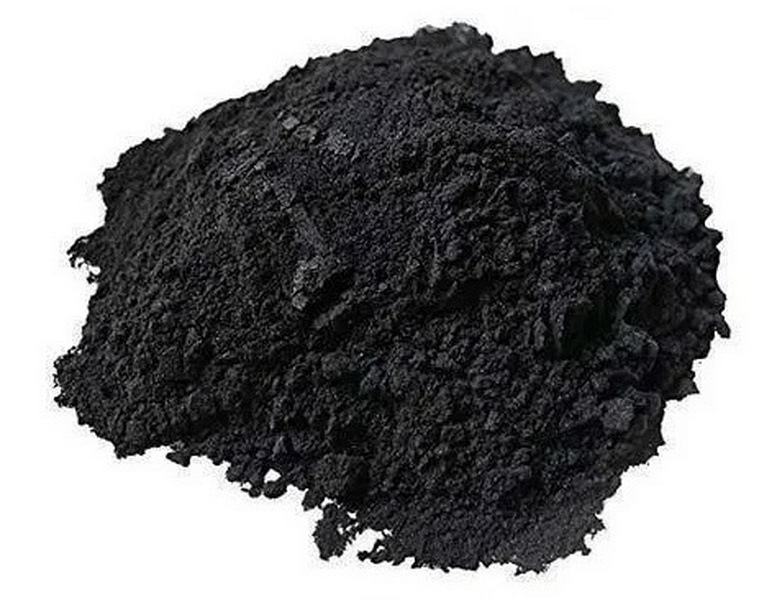
- Powdered activated carbon (PAC): Fine powder used for dosing into process streams or slurry systems.
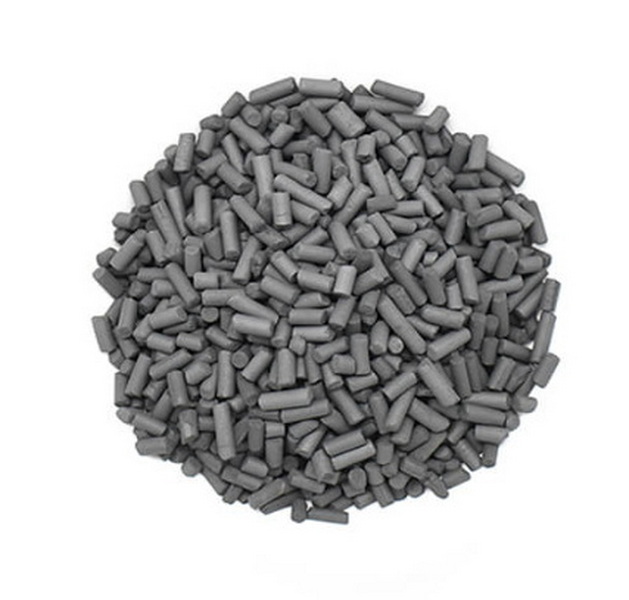
- Extruded or pelletized activated carbon: Cylindrical or shaped pellets used in fixed beds for air and gas treatment, solvent recovery, and VOC control.
Although activated carbon is processed and “activated” to enhance adsorption, it is still essentially a form of carbon. As an organic carbonaceous solid, activated carbon is inherently combustible and will burn or smolder under suitable conditions. This combustible nature is central to understanding its flammability profile and the associated safety measures needed in industrial environments.
Is Activated Carbon Flammable or Combustible?
Combustible but not easily ignited
Most safety data sheets and chemical safety references classify activated carbon as combustible rather than “non‑combustible.” In many cases, the description emphasizes that activated carbon “may burn but does not ignite readily.” That means that while activated carbon will not usually burst into flame from mild heat sources, it can burn if exposed to sufficient heat, sparks, or open flame.
Key characteristics of activated carbon flammability include:
- Bulk granular activated carbon is generally difficult to ignite, especially when cool and clean.
- Once ignited, activated carbon tends to burn slowly, often smoldering rather than producing strong visible flames.
- Powdered activated carbon, due to its fine particle size and high surface area, is significantly more reactive and can be more easily ignited, especially as airborne dust.
In operational terms, activated carbon is not “highly flammable” in the same way as gasoline, solvents, or many gases, but it cannot be treated as inert. It behaves more like a combustible solid that needs careful control of ignition sources, temperature, and dust formation.
Smoldering combustion and hidden hot spots
One of the most important fire behaviors of activated carbon is smoldering. Instead of burning with a bright open flame, activated carbon often burns slowly at relatively low temperature, with glowing or smoldering zones inside the bed. This can happen with little or no visible smoke or flame at the surface.
Smoldering behavior creates several specific risks:
- Hidden combustion: Smoldering can occur deep inside an activated carbon bed, filter vessel, or silo while the outer surfaces appear normal.
- Propagation of hot spots: Localized hot zones may gradually spread through the activated carbon bed over time, eventually reaching regions with higher oxygen availability.
- Re‑ignition: Even after a fire is believed to be extinguished, smoldering activated carbon can retain heat and re‑ignite later if oxygen becomes available or if the material is disturbed.
This smoldering tendency makes fire detection and post‑fire management more complex than for many other materials. It also means that “cool‑down” and monitoring periods after a thermal event should be extended and carefully managed.
Why and When Activated Carbon Can Ignite
Heat of adsorption and self‑heating
Adsorption on activated carbon is an exothermic process. When vapors or dissolved organics are captured in the pores, heat is released. In many applications, the heat of adsorption is dissipated safely through the flowing gas or liquid and the surrounding vessel. However, under some operating conditions, this heat can accumulate and cause self‑heating.
Factors that promote self‑heating in activated carbon beds include:
- High inlet concentrations of organics or VOCs.
- Poor flow distribution, causing localized areas of high loading.
- Inadequate heat removal due to low flow, poor mixing, or high ambient temperature.
- Large, deep beds of activated carbon where heat cannot escape easily.
If the local temperature inside the activated carbon bed rises significantly and oxygen is present, the combination of exothermic adsorption and slow oxidation of either the adsorbed species or the carbon itself can drive a further increase in temperature. Eventually, temperatures may approach the autoignition range of the system, causing smoldering or even open flame.
Interaction with flammable vapors and liquids
Activated carbon is widely used in systems that handle flammable vapors and liquids, such as solvent recovery units, VOC control systems, and deodorizing beds. In these cases, the activated carbon is in direct contact with potentially flammable or reactive organic vapors. If concentrations are too high or operating conditions are not properly controlled, there is a real risk of fire.
Typical risk scenarios include:
- Odor control systems treating high organic vapor loads, where the combined effect of high concentration and heat of adsorption leads to hot spots.
- VOC abatement systems operating near or above the lower explosive limit of the vapors, where ignition within or downstream of the carbon bed can occur.
- Processes where oxygen enrichment or the presence of oxidizing agents increases the reactivity of the system.
In several documented industrial incidents, hot spots in activated carbon beds used for deodorizing or VOC removal have led to ignition of the carbon and the surrounding vapors. These cases underline the need for conservative design limits, continuous monitoring, and proper safety interlocks.
Self‑heating and spontaneous ignition
Under certain conditions, activated carbon can self‑heat and, in extreme cases, spontaneously ignite without an obvious external flame or spark. Situations with elevated risk of spontaneous ignition include:
- Freshly regenerated activated carbon that leaves a reactivation furnace at high temperature and is not cooled sufficiently.
- Activated carbon contaminated with unsaturated oils, oxidizable organics, or reactive chemicals that promote low‑temperature oxidation.
- Bulk storage of activated carbon at elevated ambient temperatures, in confined spaces, or under direct sunlight.
- Wet activated carbon that traps oxygen and reactive species in localized zones.
Over time, slow oxidation of the carbon or adsorbed compounds can generate heat faster than it is lost to the environment. Once a critical temperature is reached, the reaction rate increases, potentially causing a self‑accelerating rise in temperature and eventual ignition. For this reason, both fresh and spent activated carbon must be stored and handled with attention to temperature, ventilation, and contamination.
Dust Explosion Risks with Activated Carbon
Combustible dust behavior
Powdered activated carbon, and to some extent fine granular dust generated by handling or abrasion, is considered a combustible dust. When dispersed in air in sufficient concentration and exposed to an ignition source in a confined or semi‑confined space, activated carbon dust can cause a deflagration or dust explosion.
Typical combustible dust characteristics of activated carbon include:
- Classification in dust explosion class St1, indicating a weak to moderate explosion severity but still capable of significant overpressure.
- Measurable Kst (deflagration index) values and minimum explosible concentrations (MEC) that confirm explosive behavior in standardized tests.
- Particle sizes small enough to remain suspended in air, especially in pneumatic conveying systems, hoppers, and dust collectors.
While activated carbon dust is not among the most violent explosion hazards, it is still capable of causing serious equipment damage and personnel injury when basic combustible dust controls are not in place.
Conditions leading to dust explosions
For any combustible dust, a dust explosion requires five interacting elements, sometimes called the “dust explosion pentagon”:
1. Combustible dust (such as powdered activated carbon).
2. Oxygen in the air.
3. Dispersion of dust in sufficient concentration.
4. Confinement or partial confinement (vessel, duct, building).
5. An ignition source (spark, hot surface, static discharge, open flame).
In activated carbon handling areas, these conditions can occur in:
- Silo loading, unloading, and transfer of powdered activated carbon.
- Bag dump stations and manual feeding operations.
- Pneumatic conveying lines and associated receivers or cyclones.
- Dust collectors and filters where activated carbon dust is trapped and periodically pulsed off.
If dust housekeeping is poor, activated carbon dust can accumulate on building surfaces and structural members. A small initial event (for example, a small explosion in a piece of equipment) can dislodge these deposits and create a larger secondary dust cloud, leading to a much more severe secondary explosion.
Fire Safety in Activated Carbon Systems
Storage and handling precautions
Safe storage and handling of activated carbon start with recognizing it as a combustible material that requires protection from ignition sources and adverse conditions. Typical good practices include:
- Store activated carbon in cool, dry, well‑ventilated areas.
- Keep activated carbon away from direct sunlight, heaters, steam lines, and other high‑temperature surfaces.
- Avoid contact with strong oxidizing agents, such as ozone, liquid oxygen, or concentrated oxidizing chemicals.
- Keep containers closed when not in use and protect them from physical damage and moisture ingress.
- Implement “no smoking” policies and avoid open flames or hot work near storage areas.
For powdered activated carbon in bags, bulk bags, or silos, minimizing dust generation is especially important. Use closed handling systems where practical, employ local exhaust ventilation, and maintain good housekeeping to prevent dust layers from building up on floors, ledges, and equipment.
Fire response and extinguishing media
If a fire involving activated carbon occurs, emergency responders should understand how activated carbon behaves during firefighting:
- Suitable extinguishing media typically include dry chemical, foam, water spray, or carbon dioxide.
- Solid water streams (high‑pressure jets) are generally discouraged because they can scatter burning activated carbon and spread the fire.
- After visible flames are extinguished, activated carbon beds, containers, or piles should be cooled thoroughly with water spray, as smoldering zones can remain hot and re‑ignite.
- Firefighters should wear appropriate personal protective equipment, including respiratory protection, because combustion of activated carbon can generate carbon monoxide and other hazardous gases.
Once the fire is under control, spent activated carbon and fire residues should be managed carefully. Smoldering fragments may remain active for some time, and run‑off water may contain contaminants from both the activated carbon and the substances it had adsorbed.
Design considerations for industrial systems
Engineering design of activated carbon systems plays a major role in preventing fires and explosions. Effective design measures include:
- Installing temperature sensors at strategic locations in activated carbon beds to monitor for hot spots or unusual temperature rises.
- Using gas sensors (for example, CO or VOC detectors) to identify early signs of self‑heating or incomplete combustion.
- Designing process conditions to keep VOC and vapor concentrations below critical thresholds, with safety factors to account for process upsets.
- Providing flame arrestors, explosion isolation valves, and venting on vessels that may be exposed to ignition or dust explosions.
- Including safe regeneration and cooling steps for thermally reactivated activated carbon, with controlled atmosphere and automated interlocks.
In high‑risk applications, such as solvent recovery and VOC destruction, additional layers of protection may be required, including inerting with nitrogen, use of intrinsically safe electrical equipment, and integration of activated carbon systems into the overall facility fire and gas detection network.
Application‑Specific Considerations
Water treatment with activated carbon
In municipal and industrial water treatment, granular activated carbon filters are widely used to remove organic contaminants, chlorine, taste and odor compounds, and trace pollutants. Because activated carbon is submerged or saturated with water during normal operation, open flames are unlikely to develop in the filter bed. However, smoldering and self‑heating remain important considerations.
Potential risk scenarios in water treatment include:
- During backwashing or draining, when parts of the activated carbon bed may be exposed to air and undergo oxidation.
- During periods of low flow or stagnation, when heat generated by adsorption or biological activity is not removed efficiently.
- When spent granular activated carbon is removed, dewatered, and stored, allowing it to dry and contact air while still containing adsorbed organics.
To minimize risks, operators should monitor bed temperatures, control organic loading where possible, and ensure that spent activated carbon is cooled, kept moist when necessary, and stored in ventilated areas prior to transport or reactivation.
Air and gas purification, VOC and odor control
In air and gas purification, activated carbon is used to capture solvents, hydrocarbons, sulfur compounds, and a variety of volatile organic compounds. These systems often operate with warm gas streams and elevated VOC concentrations, which can significantly increase fire risk if not carefully designed.
Key considerations in these applications include:
- Limiting inlet VOC concentrations and operating well below flammable limits.
- Avoiding sudden spikes in pollutant loading, for example during process upsets, that could overwhelm the adsorption capacity and generate excessive heat.
- Providing bypass or shutdown interlocks when temperatures or gas concentrations approach predefined safety limits.
- Ensuring that desorption or regeneration steps (if thermal swing adsorption or similar processes are used) are tightly controlled and followed by adequate cooling.
Because activated carbon beds in VOC and odor control systems directly contact flammable vapors, plant designers must treat them as potential ignition and propagation points in any fire hazard analysis.
Food, beverage, chemical, and pharmaceutical applications
In the food and beverage industry, activated carbon is used to decolorize, deodorize, and purify sugar solutions, beverages, and other liquid products. In chemical and pharmaceutical manufacturing, activated carbon is applied in purification steps, catalyst supports, and impurity removal. These processes often handle activated carbon in slurry or wet form, reducing immediate fire risk, but dry handling and regeneration stages still require attention.
Typical risk points include:
- Drying of activated carbon that has been in contact with solvents or reactive organics.
- Handling of dry powdered activated carbon in weighing, blending, and filtration steps.
- Storage of spent activated carbon that contains residues of pharmaceutical intermediates, reagents, or by‑products with unknown reactivity.
For these industries, integrating activated carbon safety into standard operating procedures, validation documents, and change control systems helps ensure that fire risk is systematically addressed whenever processes are modified or scaled up.
Practical Safety Tips for Using Activated Carbon
For companies that manufacture, distribute, or use activated carbon in industrial applications, the following practical measures can greatly enhance safety:
- Treat all forms of activated carbon (granular, powdered, pelletized) as combustible solids and design storage and handling systems accordingly.
- Minimize dust formation by using enclosed conveying systems, dust‑tight equipment, and appropriate filters and collectors.
- Maintain good housekeeping practices to prevent accumulation of activated carbon dust on floors, ledges, and equipment.
- Control ignition sources in areas where activated carbon is present, including static electricity, hot surfaces, welding, cutting, and open flames.
- Monitor temperature and, where relevant, gas composition in activated carbon beds, especially in high‑VOC or high‑temperature applications.
- Follow product safety data sheets and regulatory guidelines for storage, transport, and disposal of both fresh and spent activated carbon.
- Train personnel on the specific fire and explosion hazards associated with activated carbon and on emergency response procedures.
By combining technical controls with procedural and organizational measures, facilities can significantly reduce the likelihood and severity of incidents involving activated carbon.
Conclusion
Activated carbon is an essential industrial adsorbent that supports critical processes in water treatment, air and gas purification, food and beverage production, chemical manufacturing, and pharmaceuticals. At the same time, activated carbon is combustible and, depending on its form and operating conditions, can burn, smolder, self‑heat, and even participate in dust explosions. Bulk granular activated carbon is generally difficult to ignite and tends to burn by smoldering, but hidden hot spots, self‑heating, and re‑ignition remain serious concerns. Powdered activated carbon introduces additional risks as a combustible dust that can form explosive dust clouds in air.
A thorough understanding of activated carbon flammability, combined with robust engineering design, careful storage and handling practices, and effective training, allows users to safely harness the benefits of activated carbon. When properly managed, activated carbon can deliver high adsorption performance and reliable environmental protection while keeping fire and explosion risks within acceptable limits.
Contact us to get more information!
FAQ About Activated Carbon and Flammability
1. Is activated carbon flammable in normal industrial use?
Activated carbon is combustible and can burn or smolder, but it does not usually ignite easily under normal industrial operating conditions. In well‑designed systems with controlled temperatures, proper ventilation, and limited organic loading, the risk of ignition is relatively low. However, if activated carbon is exposed to strong ignition sources, high temperatures, or high vapor concentrations, it can become involved in fires, especially in air and gas treatment applications.
2. Can activated carbon self‑ignite or spontaneously combust?
Yes, activated carbon can self‑heat and, in some circumstances, spontaneously ignite. This is more likely to occur with freshly regenerated activated carbon, activated carbon contaminated with reactive or oxidizable organics, or material stored at elevated temperatures in confined, poorly ventilated spaces. Slow oxidation processes can generate heat inside the activated carbon bed or bulk pile, eventually triggering smoldering or ignition if the heat is not adequately dissipated.
3. Is powdered activated carbon a dust explosion hazard?
Powdered activated carbon is a combustible dust and can present a dust explosion hazard when dispersed in air at sufficient concentration and exposed to an ignition source in a confined space. In typical handling situations such as silo loading, pneumatic conveying, and bag dumping, airborne activated carbon dust can be generated and must be controlled. Explosion‑protected equipment, proper grounding, dust collection, and good housekeeping are essential to keep dust explosion risk at acceptable levels.
4. How should activated carbon fires be extinguished?
Fires involving activated carbon are usually extinguished with dry chemical agents, foam, water spray, or carbon dioxide. Direct, high‑pressure water jets should be avoided because they can scatter burning particles. After the main fire is extinguished, activated carbon beds or piles must be thoroughly cooled with water spray, and the area should be monitored for re‑ignition due to smoldering hot spots. Appropriate respiratory protection and ventilation are important to protect personnel from combustion gases such as carbon monoxide.
5. What are best practices for safely storing activated carbon?
Best practices for storing activated carbon include keeping it in a cool, dry, well‑ventilated location away from heat sources, open flames, and strong oxidizers. Containers and bags should be closed when not in use to prevent moisture uptake and dust release. Large quantities of activated carbon, particularly freshly regenerated or spent material, should be monitored for temperature and signs of self‑heating. For powdered activated carbon, minimizing dust formation and accumulation is crucial to avoid both fire and dust explosion hazards.
Citations:
1. https://www.osha.gov/publications/hib19970730
2. https://generalcarbon.com/activated-carbon/activated-carbon-msds/
3. https://redox.com/wp-content/sds/796.pdf
4. https://cameochemicals.noaa.gov/chemical/10765
5. https://nrf.aux.eng.ufl.edu/_files/msds/2/Activated%20Carbon%20.pdf
6. https://redox.com/wp-content/sds/870.pdf
7. https://www.sciencedirect.com/science/article/abs/pii/S0149197024000301
8. https://uwaterloo.ca/giga-to-nanoelectronics-centre/sites/default/files/uploads/files/charcoal_activated.pdf
9. https://www.csb.gov/file.aspx?DocumentId=5588
10. https://envirofiltech.com/2016/11/09/safety-problems-in-activated-carbon-application/
11. https://www.activatedcarbon.org/health-safety-environment/
12. https://www.inchem.org/documents/icsc/icsc/eics0702.htm
13. https://www.epa.gov/rmp/chemical-safety-alert-fire-hazard-carbon-adsorption-deodorizing-systems
14. http://www.carbonxt.com/wp-content/uploads/2018/07/MACT-PAC-SDS.pdf
15. https://dataspan.com/wp-content/uploads/2017/12/Dust-Explosion-White-Paper.pdf


