Content Menu
● What Is Activated Carbon and Why Is It So Widely Used?
● Typical Price Range of Activated Carbon
● Key Factors That Influence Activated Carbon Price
>> Raw Material Source
>> Activation Process and Processing Steps
>> Performance Specifications and Quality Requirements
>> Impregnation and Special Functionalization
>> Regional Supply, Logistics, and Regulations
● Is Activated Carbon Cost‑Effective for Industrial Users?
● How to Control Your Activated Carbon Budget
>> Match the Grade to the Application
>> Optimize System Design and Operating Conditions
>> Consider Regeneration and Reactivation
>> Develop Long‑Term Supplier Relationships
● Typical Applications and Their Sensitivity to Activated Carbon Price
>> Water and Wastewater Treatment
>> Air and Gas Purification
>> Food and Beverage
>> Chemical and Petrochemical
>> Pharmaceutical and Biotech
● Example: When “More Expensive” Activated Carbon Is Actually Cheaper
● How Market Conditions Affect Activated Carbon Prices
● Conclusion
● FAQ About Activated Carbon Pricing
>> 1) How much does activated carbon usually cost?
>> 2) Why is coconut‑shell activated carbon often more expensive?
>> 3) Does impregnated activated carbon always cost more than standard grades?
>> 4) How do market and regulatory changes influence the price of activated carbon?
>> 5) How can I reduce the total cost of activated carbon in my process?
● Citations:
Activated carbon plays a vital role in modern industry, environmental protection, and everyday life. It is used to purify water, clean air and gases, protect food and beverages, and support strict quality and safety standards in chemical and pharmaceutical processes. Because it is so widely used and technically sophisticated, many people assume that activated carbon must be a very expensive material.
In reality, activated carbon is usually a mid‑priced but highly cost‑effective adsorbent rather than a “luxury” specialty chemical. When you evaluate the cost of activated carbon over its full service life and compare it with the value it provides—such as safer drinking water, cleaner emissions, higher product quality, and regulatory compliance—it is often one of the most economical solutions available.
What Is Activated Carbon and Why Is It So Widely Used?
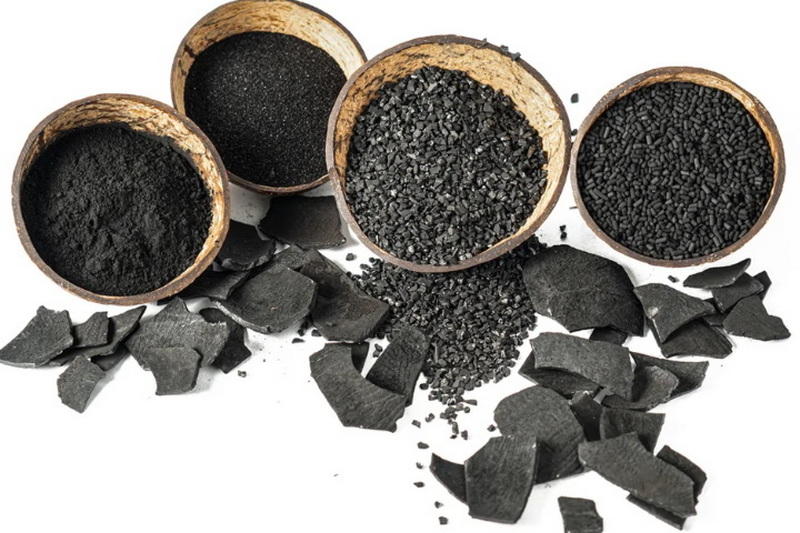
Activated carbon is a specially processed form of carbon with an extremely high internal surface area and a network of microscopic pores. These pores provide countless active sites where molecules of contaminants can be trapped and held, in a process called adsorption. Thanks to this structure, a single gram of activated carbon can offer hundreds or even more than a thousand square meters of surface area.
This unique pore network allows activated carbon to capture organic compounds, odors, colors, and a variety of troublesome or toxic substances from water, air, gases, and process liquids. It can be produced from several raw materials, including coal, coconut shells, and wood, and then activated through thermal or chemical processes to create the desired pore structure. Because activated carbon is versatile and relatively easy to handle, it has become a key purification tool in many industries.
Typical Price Range of Activated Carbon
When people ask “Is activated carbon expensive?”, they usually mean the price per kilogram or per metric ton. Actual prices depend on many factors—such as raw material, grade, quality, and order volume—but in most industrial markets, standard activated carbon falls into a moderate price band.
Bulk industrial grades of granular or powdered activated carbon are generally priced per metric ton, with typical levels that position them as affordable commodities rather than rare specialty chemicals. Small‑quantity retail, food‑grade, or laboratory‑grade products can be more expensive per kilogram because they involve higher purity standards, more packaging, and smaller batch sizes. Nonetheless, even these prices are often reasonable when you consider the amount of contamination each kilogram of activated carbon can remove.
Instead of focusing only on the unit price, it is better to compare how much water, air, or process liquid a given quantity of activated carbon can treat before it reaches its adsorption capacity. When viewed this way, activated carbon often provides excellent value.
Key Factors That Influence Activated Carbon Price
The cost of activated carbon is not fixed. It is shaped by a combination of technical and market factors. Understanding these factors helps buyers judge whether a given price is fair and how to optimize their overall cost.
Raw Material Source
Different raw materials produce different types of activated carbon, each with its own cost and performance profile.
1- Coal‑based activated carbon
Coal is one of the most common feedstocks. Coal‑based activated carbon usually offers a good balance between cost and performance, making it popular for water treatment, gas purification, and general industrial applications. Availability of suitable coal, mining and energy costs, and environmental regulations all influence the final price.
2- Coconut‑shell activated carbon
Coconut‑shell activated carbon is prized for its hardness, high microporosity, and excellent adsorption performance, especially for small organic molecules and trace contaminants. However, coconut shells must be collected and processed in specific regions, and they are sensitive to weather events and agricultural trends. These factors can make coconut‑shell activated carbon more expensive and more volatile in price.
3- Wood‑based activated carbon
Wood‑based activated carbon is widely used for decolorization and for certain specialty applications where a particular pore distribution is needed. Pricing depends on the cost of wood, local forestry practices, and energy prices. In some regions, wood‑based carbons are very competitive; in others, they may be relatively higher.
Because raw materials contribute a significant portion of total production cost, any supply disruption or price spike in coal, coconut shells, or wood will quickly affect the price of activated carbon.
Activation Process and Processing Steps
Once the raw material is selected, it must be converted into activated carbon through thermal or chemical activation. The choice of process, and the number of processing steps, strongly influences cost.
1- Thermal activation
Thermal activation uses high temperatures in controlled atmospheres to create and develop the pore structure. This process is energy‑intensive, but it can be very efficient at large scale, especially for coal‑based activated carbon. The cost depends on fuel or electricity prices, kiln technology, and plant efficiency.
2- Chemical activation
Chemical activation involves impregnating the raw material with chemical agents before carbonization to enhance pore formation. This method can deliver high yields and specific pore structures at lower temperatures, but it requires chemicals, washing, and waste‑treatment steps. Those extra materials and operations increase the overall cost per kilogram of activated carbon.
Further processing such as acid washing, precise grading of particle size, pelletizing, or dust reduction adds value but also cost. High‑purity grades with very low ash content or special physical properties require more processing and more quality control, which raises their price.
Performance Specifications and Quality Requirements
Not all activated carbon is created equal. Different applications demand different performance levels, and higher performance typically comes at a higher cost.
Key specification drivers include:
- Specific surface area
- Iodine number, molasses number, and other performance indices
- Pore size distribution (micro-, meso-, and macropores)
- Hardness and abrasion resistance
- Ash content and trace metal impurities
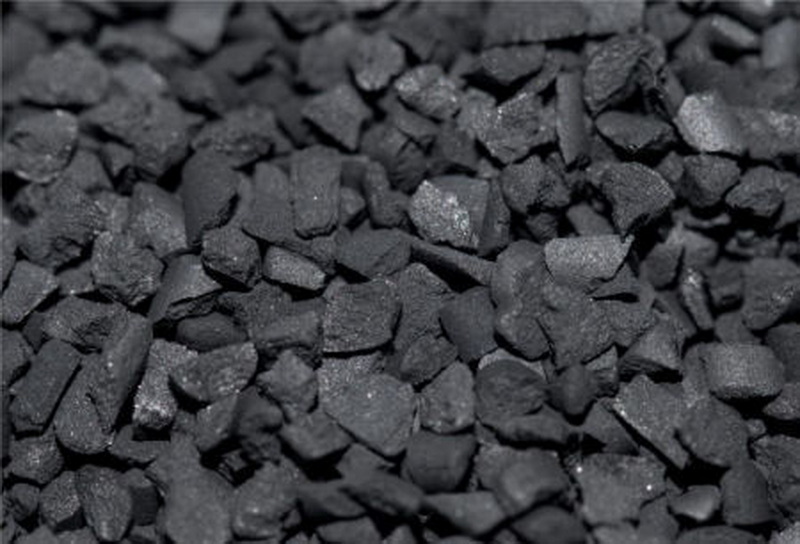
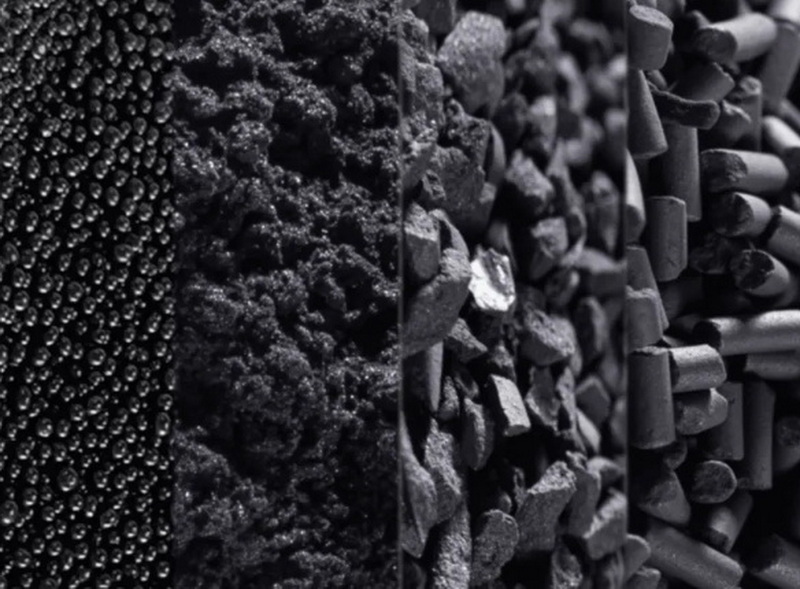
- Particle size and form (powdered, granular, pelletized)
For simple odor control or basic water filtration, a standard grade of activated carbon may be sufficient and quite affordable. For demanding tasks such as pharmaceutical purification, semiconductor‑grade water treatment, or removal of very low‑concentration contaminants, premium activated carbon with tighter specifications is required and will be more expensive.
Impregnation and Special Functionalization
Impregnated activated carbon is modified by adding chemicals, catalysts, or metals to the pore structure. These additives target specific contaminants or improve adsorption and reaction performance.
Examples include:
- Activated carbon impregnated with chemicals for removal of acid gases and toxic industrial gases
- Activated carbon impregnated for mercury control in flue gas
- Activated carbon designed for radioactive iodine capture or chemical warfare agent protection
Because these products require additional materials, specialized equipment, and strict process control, impregnated activated carbon almost always costs more than unmodified grades. However, for many users, this extra cost is justified by much higher effectiveness in critical applications.
Regional Supply, Logistics, and Regulations
Even when two plants produce similar grades of activated carbon, regional factors can cause significant price differences.
Important regional influences include:
- Local availability and cost of raw materials
- Energy prices and fuel types
- Labor and maintenance costs
- Environmental regulations and compliance costs
- Distance to customers and shipping routes
Transporting bulk activated carbon over long distances can be expensive, especially for overseas shipments that require containers and careful moisture control. Import duties and port handling fees add further cost. As a result, the same specification of activated carbon may be cheaper in one country and more expensive in another, simply because of logistics and local regulations.
Is Activated Carbon Cost‑Effective for Industrial Users?
From an industrial perspective, the true question is not just “Is activated carbon expensive?” but “Is it cost‑effective compared with the alternatives?” In many cases, the answer is yes.
In water treatment, activated carbon can remove organic pollutants, taste and odor compounds, pesticides, and micropollutants that are difficult or impossible to handle with simple chemical dosing alone. By protecting downstream membranes, ion‑exchange resins, and other treatment steps, activated carbon can reduce chemical consumption, lower maintenance costs, and extend equipment life.
In air and gas purification, activated carbon is often used to capture volatile organic compounds (VOCs), toxic gases, and harmful fumes before they are released to the atmosphere or before they damage sensitive equipment. The cost of replacing a bed of activated carbon is usually far lower than the cost of process downtime, equipment corrosion, or regulatory penalties.
When you compare the price of activated carbon with the value of clean water, safe air, and reliable production, activated carbon is generally a very economical solution.
How to Control Your Activated Carbon Budget
Even though activated carbon is cost‑effective, every plant wants to control operational expenses. The good news is that there are several practical ways to manage and reduce the cost of activated carbon without sacrificing performance.
Match the Grade to the Application
Choosing the right type and grade of activated carbon is the first step in controlling cost. Over‑specifying quality may lead to unnecessary spending, while under‑specifying can cause premature breakthrough and higher replacement rates.
Key selection points include:
- Type of contaminants (organic, inorganic, gases, colors, odors)
- Concentration level and target removal efficiency
- Operating temperature, pH, and presence of fouling agents
- Required service life and regeneration options
By working with a knowledgeable supplier and clearly defining your process requirements, you can select an activated carbon grade that offers the right balance of performance and price.
Optimize System Design and Operating Conditions
The way you use activated carbon is just as important as the grade you choose. Good system design ensures that each kilogram of activated carbon is used as efficiently as possible.
Important design and operating factors include:
- Bed depth and contact time (for example, empty bed contact time in fixed‑bed systems)
- Flow rate and pressure drop
- Particle size and distribution (which affect kinetics and pressure loss)
- Pre‑treatment steps to remove solids or oils that might foul the carbon
Optimizing these parameters helps you achieve maximum adsorption capacity before breakthrough, reducing how often you have to replace or regenerate the activated carbon.
Consider Regeneration and Reactivation
In many industrial applications, spent activated carbon can be thermally reactivated rather than disposed of and replaced with fresh material. Reactivation removes the adsorbed contaminants and restores much of the adsorption capacity.
The advantages of regeneration and reactivation include:
- Lower net consumption of fresh activated carbon
- Reduced waste disposal volumes and costs
- Smaller environmental footprint
- Potential long‑term cost savings
Not all applications are suitable for reactivation, especially where the adsorbed contaminants are hazardous or where ultra‑high purity is required. However, when possible, reactivation can significantly reduce the effective cost of activated carbon per unit of treated media.
Develop Long‑Term Supplier Relationships
Stable partnerships with experienced activated carbon manufacturers and suppliers can help you manage both cost and performance. Long‑term contracts can smooth out price volatility and secure reliable supply even in tight markets.
Suppliers who understand your process can recommend optimized grades, support system design and troubleshooting, and provide reactivation services. This technical collaboration is often just as valuable as a small discount on unit price, because it helps you use activated carbon more effectively.
Typical Applications and Their Sensitivity to Activated Carbon Price
The impact of activated carbon price is different in every industry. In some sectors, unit cost is critical; in others, performance and reliability matter far more than small price changes.
Water and Wastewater Treatment
Municipal and industrial water treatment plants use activated carbon to remove dissolved organics, emerging micropollutants, and taste and odor compounds. Because water volumes are huge, operators must carefully balance performance and cost. For these users, standard granular or powdered activated carbon grades, properly selected and optimized, usually offer an excellent ratio of cost to treated volume.
Air and Gas Purification
In air and gas purification, activated carbon removes VOCs, odorous compounds, toxic gases, and harmful emissions. In many cases, the cost of non‑compliance with environmental regulations or the cost of damage to equipment and worker health far exceeds the cost of the activated carbon itself. As a result, many users are willing to pay more for high‑performance or impregnated activated carbon that ensures reliable removal of critical contaminants.
Food and Beverage
The food and beverage industry relies on activated carbon for decolorization, deodorization, and removal of trace contaminants from ingredients and process streams. For these customers, product safety, flavor, and brand reputation are paramount. The incremental cost of premium food‑grade activated carbon is small compared with the value of consistent product quality and the risk of recalls.
Chemical and Petrochemical
In chemical and petrochemical processes, activated carbon is used to purify intermediates, protect catalysts, and remove unwanted by‑products. The economics depend on the value of the product and the sensitivity of equipment. In many cases, using high‑quality activated carbon to maintain yield and uptime is far more important than saving a small amount on the purchase price.
Pharmaceutical and Biotech
Pharmaceutical and biotech manufacturers often require very high‑purity activated carbon to remove color bodies, impurities, and trace toxins from active pharmaceutical ingredients and intermediates. In this sector, quality and regulatory compliance dominate every decision. The cost of activated carbon is a small fraction of total production cost, and producers tend to favor ultra‑reliable, high‑specification grades, even if they are more expensive.
Example: When “More Expensive” Activated Carbon Is Actually Cheaper
Imagine a water‑treatment plant choosing between two granular activated carbon products:
- Product A: Lower unit price, lower adsorption capacity, shorter service life
- Product B: Higher unit price, higher adsorption capacity, longer service life
If Product B lasts twice as long as Product A before breakthrough, the plant will need fewer change‑outs, will pay less for labor and downtime, and will generate less spent carbon that must be handled or disposed of. Even though Product B has a higher price per kilogram, the total cost per cubic meter of water treated can end up lower.
This simple example illustrates why it is often misleading to focus only on price per kilogram. When you include system performance, maintenance, and waste management, the “more expensive” activated carbon may actually be the cheaper choice.
How Market Conditions Affect Activated Carbon Prices
Activated carbon markets, like other industrial commodities, are influenced by broader economic and environmental trends.
Important drivers include:
- Raw material availability and cost: Shortages of coal, coconut shells, or wood can quickly push activated carbon prices up.
- Energy costs: High fuel or electricity costs increase the expense of activation and reactivation.
- Environmental regulations: Stricter standards for drinking water, industrial effluents, and air emissions often boost demand for activated carbon, which can raise prices until new capacity is built.
- Global logistics: Freight rates, container availability, and port congestion affect the landed cost of imported activated carbon.
Because of these factors, activated carbon prices can vary over time and from region to region. Long‑term planning, supplier diversification, and flexible specifications can help users adapt to these market changes.
Conclusion
So, is activated carbon expensive? The answer is that activated carbon is generally a moderately priced but highly cost‑effective material. Its apparent cost depends on raw material, production technology, performance specifications, and regional and market conditions, but in most industrial and environmental applications, the value it delivers far exceeds its purchase price.
When activated carbon is correctly specified, properly applied, and effectively managed—through optimized system design, possible reactivation, and strong supplier partnerships—it can significantly reduce total treatment costs, protect equipment, and ensure compliance with ever‑stricter environmental and quality regulations. Rather than judging activated carbon solely by its price per kilogram, it is far more accurate to evaluate it by its lifecycle cost per unit of treated water, air, or product.
For operators, engineers, and buyers across water treatment, air and gas purification, food and beverage, chemical, and pharmaceutical industries, a well‑designed activated carbon solution remains one of the most reliable and economical tools for safeguarding products, people, and the environment.
Contact us to get more information!
FAQ About Activated Carbon Pricing
1) How much does activated carbon usually cost?
Industrial‑grade activated carbon is typically priced at a moderate level when purchased in bulk, especially when measured per metric ton rather than per kilogram. Retail and specialty grades can appear more expensive because they involve smaller packaging, higher purity, and additional certification, but even then, the cost is reasonable when compared with the amount of contamination they can remove.
2) Why is coconut‑shell activated carbon often more expensive?
Coconut‑shell activated carbon is often more expensive because its feedstock is tied to agricultural cycles, weather patterns, and labor‑intensive collection and processing. At the same time, coconut‑shell activated carbon offers high hardness, excellent microporosity, and long service life, making it a preferred choice for demanding water and air purification systems where performance justifies the higher price.
3) Does impregnated activated carbon always cost more than standard grades?
Impregnated activated carbon almost always costs more than standard grades because it includes additional chemicals, catalysts, or metals and requires extra processing and quality control. However, these specialized products are designed for critical tasks—such as mercury control, acid‑gas removal, or hazardous gas treatment—where their enhanced performance and reliability are essential and the added cost is fully justified.
4) How do market and regulatory changes influence the price of activated carbon?
Market and regulatory changes influence activated carbon prices through shifts in raw material costs, energy prices, environmental standards, and logistics. For example, stricter regulations on drinking water contaminants or industrial emissions increase demand for activated carbon, which can push prices up until new production or reactivation capacity comes online. Likewise, changes in freight rates or import duties affect the final delivered cost.
5) How can I reduce the total cost of activated carbon in my process?
You can reduce the total cost of activated carbon by carefully matching the grade to your application, optimizing your system design to get the most capacity from each kilogram, and exploring reactivation options where appropriate. Building a long‑term relationship with a reputable supplier, who can help with technical optimization and stable supply, is also a powerful way to control costs while maintaining or even improving performance.
Citations:
1. https://businessanalytiq.com/procurementanalytics/index/activated-carbon-prices/
2. https://www.alibaba.com/showroom/activated-carbon-price-in-kg.html
3. https://www.laballey.com/collections/activated-charcoal
4. https://www.sciencedirect.com/science/article/pii/S2590174522000411
5. https://math.answers.com/math-and-arithmetic/What_is_the_cost_of_1_kg_of_activated_carbon
6. https://www.nbinno.com/article/water-treatment-agents/activated-carbon-price-analysis-purchase-guide-si
7. https://generalcarbon.com/a-guide-to-impregnated-activated-carbon/
8. https://www.intratec.us/solutions/primary-commodity-prices/commodity/activated-carbon-prices
9. https://southerncarbon.com/tracking-the-impact-of-raw-material-costs-on-activated-carbon-prices/
10. https://qizhongcarbon.com/blog/what-is-activated-carbon-types-applications-principles/
11. https://www.made-in-china.com/products-search/hot-china-products/Activated_Carbon_Price.html
12. https://www.stellarmr.com/report/Activated-Carbon-Market/298
13. https://www.karbonous.com/applications/
14. https://activatedcarbondepot.com/collections/activated-carbon
15. https://www.linkedin.com/pulse/activated-carbon-prices-q1-2025-reliable-news-forecast-gaurav-mehta-1i8fc


