
Content Menu
● What Is Activated Carbon?
● How Activated Carbon Filters Work
● Is Activated Carbon Filter Safe for Drinking Water?
● Is Activated Carbon Filter Safe for Air and Gas?
● When Can Activated Carbon Filters Be Unsafe?
>> Use of Inferior or Non‑Certified Filters
>> Saturated Filters and Breakthrough
>> Microbial Growth in Water Filters
>> Fire Hazards in Special Industrial Uses
● Benefits of Using Activated Carbon Filters
>> Improved Taste and Odor
>> Removal of Many Organic Contaminants
>> Better Air Quality
>> Additional Protection for Private Wells and Industrial Systems
● Limitations of Activated Carbon Filters
>> No Clear Visual Indicator of Capacity
>> Limited Microbial Removal
>> Incomplete Removal of Inorganic Contaminants
>> Side Effects from Ingested Activated Charcoal
● Safety Best Practices for Activated Carbon Filters
>> Choose the Right Grade and System Design
>> Follow Replacement and Regeneration Schedules
>> Control Microbial Growth in Water Systems
>> Manage Fire and Process Hazards in Industry
● Example Industrial Applications of Activated Carbon Filters
>> Water and Wastewater Treatment
>> Air and Gas Purification
>> Food and Beverage Processing
>> Pharmaceutical and Fine Chemical Production
● How to Decide if an Activated Carbon Filter Is Right for You
● Conclusion
● FAQ About Activated Carbon Filter Safety
>> 1. Is an activated carbon water filter safe to drink from?
>> 2. Can activated carbon filters cause bacterial growth?
>> 3. Are activated carbon air filters safe to use at home?
>> 4. What are the risks of using an expired activated carbon filter?
>> 5. Can activated charcoal supplements replace an activated carbon water filter?
● Citations:
Activated carbon filters are widely used in homes and industries to purify water, air, and process fluids. When properly designed, installed, and maintained, an activated carbon filter is generally safe and highly effective for many applications, including drinking water treatment, air and gas purification, food and beverage processing, and pharmaceutical and chemical production. Safety issues usually arise not from the activated carbon itself, but from the wrong choice of filter, poor system design, or a lack of proper maintenance.
What Is Activated Carbon?
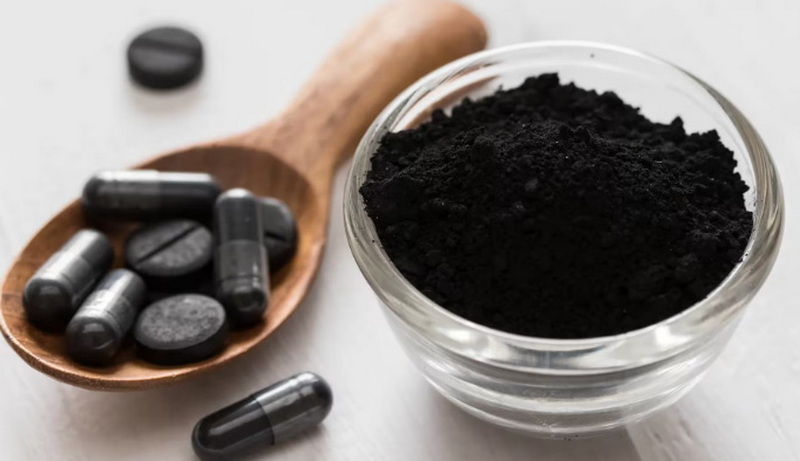
Activated carbon is a highly porous, specially processed form of carbon with an enormous internal surface area. This internal surface area is full of microscopic pores that can adsorb contaminants from water, air, and industrial process streams. In practice, this means that a relatively small mass of activated carbon can trap a very large amount of unwanted molecules.
Most activated carbon is produced from carbon‑rich raw materials such as coal, coconut shells, wood, or peat. These materials are first carbonized and then “activated” using steam, gas, or chemicals at high temperatures. This activation step opens and enlarges the pore structure, turning ordinary carbon into activated carbon with a network of micro‑, meso‑, and macropores.
The key performance feature of activated carbon is adsorption rather than absorption. During adsorption, molecules adhere to the surface of activated carbon particles because of physical forces and, in some cases, chemical interactions. This mechanism is very efficient for many organic compounds, chlorine, and various taste‑ and odor‑causing substances in water and air. Because of this, activated carbon is found in domestic water filters, industrial water treatment plants, air purifiers, respirator cartridges, solvent recovery systems, and many other filtration devices.
How Activated Carbon Filters Work
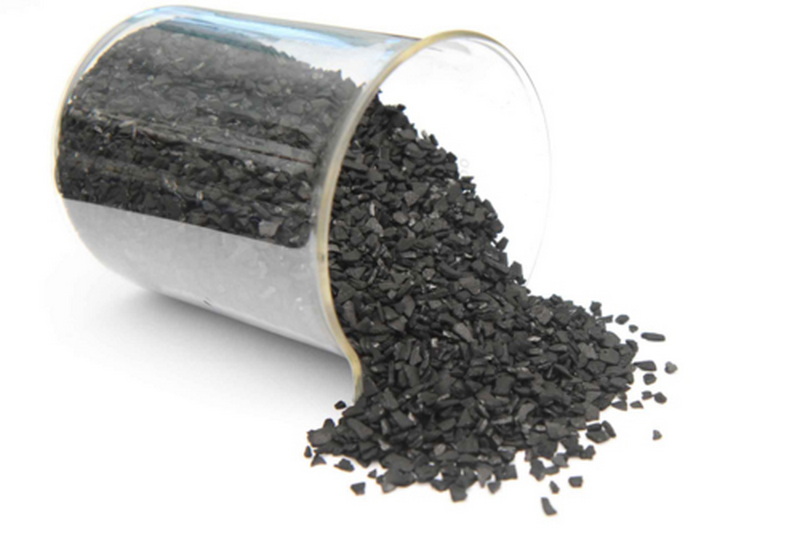
An activated carbon filter works by forcing water, air, or another fluid through a bed or cartridge filled with activated carbon granules, pellets, or powder that has been immobilized. As the fluid passes through the activated carbon, contaminants are captured on the surface of the carbon particles.
The interior of each piece of activated carbon consists of a maze of pores. These pores greatly increase the surface area available for adsorption. In some grades of activated carbon, one gram of material can offer hundreds or even over a thousand square meters of internal surface area. When a contaminant molecule comes into contact with this surface, attractive forces hold it in place. Over time, the activated carbon becomes loaded with adsorbed contaminants, and its capacity decreases.
In water treatment, activated carbon filters are often installed after mechanical filtration units such as sand filters, cartridge filters, or other sediment filters. Pre‑filtration reduces suspended solids that could clog the pores and reduce the efficiency of the activated carbon bed. In air and gas treatment, activated carbon filters are placed in housings that control airflow, ensuring that air spends enough time in contact with the activated carbon to allow effective adsorption.
The performance of an activated carbon filter depends on factors such as contact time, activated carbon type, bed depth, flow rate, and influent contaminant concentration. Longer contact time, deeper beds, and properly selected activated carbon grades generally yield better removal of target contaminants.
Is Activated Carbon Filter Safe for Drinking Water?
For drinking water applications, an activated carbon filter is considered safe when it uses food‑grade, certified activated carbon and when the filter is operated and maintained correctly. Activated carbon is widely used in municipal treatment plants, point‑of‑entry systems, and point‑of‑use filters for homes and businesses.
In drinking water, activated carbon filters are particularly effective in:
- Removing chlorine and chloramine used for disinfection.
- Reducing many organic chemicals, including some pesticides and industrial pollutants.
- Improving taste and odor by removing compounds that cause unpleasant smells or flavors.
- Reducing by‑products of disinfection processes in some systems.
The activated carbon itself does not dissolve or leach harmful levels of contaminants into the water when proper grades are used. In fact, for many consumers, an activated carbon water filter is a key step to achieve better tasting, cleaner water at the tap.
However, safety also depends on maintenance. Over time, the activated carbon filter becomes saturated with contaminants, and its ability to adsorb new substances declines. If the filter is not replaced or regenerated on schedule, the activated carbon bed can allow contaminants to pass through untreated. In some cases, substances previously captured by the activated carbon may begin to break through the bed. For this reason, regular replacement or regeneration based on manufacturer recommendations and actual operating conditions is essential.
Another important issue is microbiological safety. While activated carbon is excellent at removing chlorine and organic contaminants, it is not a primary barrier for microorganisms. Because it removes disinfectants like chlorine, an activated carbon filter can create conditions that are more favorable for microbial growth if disinfection is not handled elsewhere in the system. This is one of the reasons why many systems combine activated carbon with pre‑filtration and post‑disinfection steps. With proper system design and maintenance, an activated carbon filter remains a safe, reliable component of drinking water treatment.
Is Activated Carbon Filter Safe for Air and Gas?
Activated carbon filters are also widely used in air and gas purification, and they are generally safe when correctly specified and replaced on schedule. In indoor environments, activated carbon air filters are commonly integrated into air purifiers and HVAC systems to remove odors, volatile organic compounds (VOCs), smoke, and other gaseous pollutants.
In these applications, activated carbon:
- Adsorbs odors from cooking, pets, and household activities.
- Reduces smoke and VOCs from paints, cleaning products, and building materials.
- Enhances comfort and perceived indoor air quality when used alongside particulate filters such as HEPA cartridges.
Activated carbon itself is a stable, non‑toxic medium under normal conditions. It does not release harmful chemicals into the air when used within its design limits. The main risk in air and gas applications arises when an activated carbon filter becomes saturated and is not replaced. Once saturated, the filter can no longer adsorb target pollutants effectively, and breakthrough occurs. In critical applications, such as laboratory fume hoods or industrial gas treatment, breakthrough can expose people or the environment to hazardous chemicals.
Therefore, the safety of an activated carbon air or gas filter depends on using the correct type of activated carbon, monitoring performance, and changing or regenerating the activated carbon before breakthrough becomes significant. Many systems rely on conservative replacement intervals or use monitoring instruments to detect contaminant levels downstream.
When Can Activated Carbon Filters Be Unsafe?
Although activated carbon filters are generally safe, there are specific situations where they can contribute to safety issues if they are misapplied, neglected, or poorly designed.
Use of Inferior or Non‑Certified Filters
Low‑quality activated carbon filters may not meet performance or safety standards. The activated carbon might be contaminated with impurities, poorly washed, or not suitable for contact with drinking water or food. In industrial fume hoods and critical gas treatment systems, inferior activated carbon can have insufficient adsorption capacity or inappropriate pore structures for the contaminants present, leading to early breakthrough.
Using reputable suppliers and certified activated carbon products greatly reduces these risks. For drinking water, food and beverage, and pharmaceutical applications, it is especially important to specify food‑grade or equivalent quality standards.
Saturated Filters and Breakthrough
All activated carbon filters have a finite capacity. Once the pores of the activated carbon become filled with contaminants, additional pollutants can no longer be adsorbed effectively. The filter becomes saturated, and contaminants pass through the activated carbon bed. In some cases, substances previously captured may begin to desorb and re‑enter the treated water or air.
If an activated carbon filter is used beyond its rated life, the user may have a false sense of security while receiving little or no filtration. In industrial gas applications, this can expose workers to hazardous vapors. The solution is to follow prescribed replacement or regeneration schedules and, where needed, to use monitoring tools to track performance.
Microbial Growth in Water Filters
In water treatment systems, activated carbon can become a habitat for microorganisms if the system is not properly designed and maintained. The activated carbon removes chlorine and provides surfaces where bacteria and other microorganisms can attach. Over time, biofilms may form on the surface of the activated carbon.
If backwashing, disinfection, or other control measures are inadequate, fragments of these biofilms can slough off and appear in the treated water, temporarily increasing bacterial counts. This does not mean that activated carbon is inherently unsafe, but it does highlight the need for a proper combination of filtration stages, regular cleaning or backwashing where applicable, and monitoring of microbial indicators.
Fire Hazards in Special Industrial Uses
Under certain industrial conditions, activated carbon can present a fire risk. For example, systems that use activated carbon to adsorb flammable vapors, such as certain solvents, must be carefully designed to manage heat generation and ignition sources. If flammable vapors are adsorbed in high concentrations or if heat builds up within the activated carbon bed, hot spots can form. In extreme cases, this can lead to combustion.
To maintain safety, industrial systems that rely on activated carbon for VOC or solvent control should incorporate proper ventilation, temperature monitoring, inerting where appropriate, and fire‑prevention measures. Operators must also be trained to recognize warning signs and respond quickly.
Benefits of Using Activated Carbon Filters
Despite the potential risks described above, the benefits of activated carbon filters are substantial when systems are well designed and properly operated. Some of the major benefits include:
Improved Taste and Odor
In drinking water treatment, activated carbon filters greatly improve taste and odor by removing chlorine, chloramine, and many organic compounds responsible for unpleasant smells. This is one of the most noticeable benefits of an activated carbon water filter for consumers. Water that passes through a fresh activated carbon filter often tastes cleaner and more refreshing.
Removal of Many Organic Contaminants
Activated carbon filters are highly effective for many organic contaminants, including some pesticides, industrial organic chemicals, and disinfection by‑products. The pore structure and surface chemistry of activated carbon make it particularly suited to capturing a wide variety of organic molecules. This characteristic is valuable in municipal systems, industrial treatment plants, and point‑of‑use filters.
Better Air Quality
In indoor air treatment, an activated carbon filter helps reduce odors, VOCs, and gaseous pollutants that cannot be captured by particulate filters alone. When combined with HEPA or other particle filters, activated carbon offers a more complete purification solution that addresses both solid particles and gases.
Additional Protection for Private Wells and Industrial Systems
For private well users, an activated carbon filter can provide extra protection against certain contaminants that affect taste, odor, or aesthetics and may also reduce some potentially harmful organic compounds. In industrial systems, activated carbon filters are widely used as a polishing step to remove trace organics before discharge or reuse, which can help operators meet regulatory requirements more easily.
Limitations of Activated Carbon Filters
To use an activated carbon filter safely and effectively, it is equally important to understand what activated carbon cannot do.
No Clear Visual Indicator of Capacity
An activated carbon filter does not change color or shape in a way that clearly shows when it is exhausted. Water may still look clear, and air may seem acceptable even when the activated carbon is no longer removing contaminants. Users must rely on manufacturer recommendations, operating data, and, where necessary, testing to determine when to replace or regenerate the activated carbon.
Limited Microbial Removal
Standard activated carbon filters are not designed as primary barriers for bacteria, viruses, or protozoa. Although some microorganisms may be removed by physical processes, activated carbon is not a substitute for proper disinfection and microbial control. In fact, as mentioned earlier, the removal of disinfectant residuals can encourage microbial growth if other control measures are not in place.
Incomplete Removal of Inorganic Contaminants
While activated carbon is excellent for many organic compounds and chlorine, it is less effective for certain dissolved inorganic substances such as nitrates, some heavy metals, and hardness ions. For these contaminants, other technologies such as ion exchange, reverse osmosis, or specialized adsorbents may be required. In some cases, specialized impregnated activated carbon products are used to improve performance against specific inorganic substances, but these must be carefully selected.
Side Effects from Ingested Activated Charcoal
It is important to distinguish between an activated carbon filter used outside the body and activated charcoal supplements used inside the body. Activated charcoal is sometimes used in medical settings or as a dietary supplement. Ingesting activated charcoal can cause side effects such as constipation, dark stools, nausea, and, in rare cases, more serious complications. It should not be used casually as a replacement for proper water treatment. An activated carbon water filter is meant to purify water before consumption, not to be consumed itself.
Safety Best Practices for Activated Carbon Filters
To ensure that an activated carbon filter remains safe and effective for the long term, several best practices should be followed in both domestic and industrial applications.
Choose the Right Grade and System Design
The first step is to choose activated carbon that is appropriate for the specific use. For drinking water, food and beverage, and pharmaceutical applications, choose grades that are designed and certified for those uses. For industrial gas treatment, select activated carbon that matches the type and concentration of contaminants.
System design must also provide adequate contact time, bed depth, and flow control. An undersized activated carbon filter may provide only partial treatment and reach saturation quickly. Proper vessel design, including flow distribution and backwashing capabilities where needed, also improves performance and safety.
Follow Replacement and Regeneration Schedules
Every activated carbon filter has a recommended service life based on design conditions. To maintain safety, replace cartridges and regenerate granular activated carbon beds on or before these recommended intervals. In critical applications, it is wise to be conservative and to perform replacements early rather than late.
Some systems incorporate monitoring systems, such as downstream contaminant measurements or indicators of breakthrough. Where such systems are available, they can be used to fine‑tune replacement schedules. However, even with monitoring, preventive maintenance is essential.
Control Microbial Growth in Water Systems
In water systems, control of microbial growth is crucial. Use pre‑filtration to remove sediments and turbidity, and ensure that disinfection is handled appropriately before or after activated carbon filtration. For large granular activated carbon filters, periodic backwashing may be used to remove accumulated solids and help manage biofilms. Operators should regularly monitor microbial indicators and adjust maintenance protocols as needed.
Manage Fire and Process Hazards in Industry
Industrial systems that use activated carbon to adsorb flammable or reactive vapors should include safety measures such as temperature monitoring, inert gas blanketing where appropriate, and flame arrestors. Operators should be trained on the characteristics of the vapors being treated and on the correct operation of the activated carbon system. Regular inspections help detect abnormal heat buildup or other signs of trouble before they develop into serious incidents.
Example Industrial Applications of Activated Carbon Filters
Activated carbon filters are used in many industries because of their versatility and safety when properly managed. Some typical applications include:
Water and Wastewater Treatment
In water and wastewater treatment plants, activated carbon filters are widely used to polish treated water by removing residual organics, color, and trace contaminants. They help utilities meet stringent water quality standards and improve the overall appearance and taste of the water delivered to consumers or discharged to the environment.
Air and Gas Purification
In industrial and laboratory environments, activated carbon filters are a key component of air and gas purification systems. They are used in:
- Laboratory fume hoods to capture hazardous vapors.
- VOC control systems for manufacturing plants.
- Odor control systems for wastewater treatment facilities and industrial exhaust streams.
In each case, the activated carbon filter helps to protect workers and nearby communities from exposure to harmful gases and odors.
Food and Beverage Processing
In the food and beverage industry, activated carbon is used to decolorize and deodorize liquids, such as sugar solutions, juices, alcoholic beverages, and process water. Food‑grade activated carbon filters help remove off‑flavors and color bodies, improving product quality and consistency without introducing chemical additives.
Pharmaceutical and Fine Chemical Production
In pharmaceutical and fine chemical manufacturing, activated carbon filters help remove trace organic impurities, color, and reaction by‑products from process streams. These polishing steps improve product purity and may help protect downstream equipment such as catalysts and membranes.
How to Decide if an Activated Carbon Filter Is Right for You
Whether you are a homeowner, facility manager, or industrial engineer, deciding if an activated carbon filter is suitable for your application requires a structured assessment.
Start by clearly defining the contaminants of concern. Are you primarily dealing with chlorine and taste issues, organic chemicals, odors, or specific solvents and VOCs? Activated carbon is especially effective for many organic contaminants and chlorine, so it is often a good choice in those cases.
Next, consider the required flow rate, available space, and maintenance capabilities. An activated carbon filter must be sized correctly to provide enough contact time. For higher flow rates, a larger bed or multiple vessels in parallel may be required. If maintenance resources are limited, cartridge‑based systems with simple replacement procedures may be more suitable than large granular activated carbon beds that require backwashing and regeneration.
You should also consider integrating the activated carbon filter with other technologies. For example:
- Combine sediment filtration and activated carbon for household or light commercial water systems.
- Use activated carbon together with membrane technologies such as ultrafiltration or reverse osmosis for comprehensive treatment.
- Pair HEPA and activated carbon filters in air purifiers to address both particles and gases.
By evaluating your specific needs and constraints, you can determine whether an activated carbon filter is the right solution and how it should be configured for maximum safety and performance.
Conclusion
An activated carbon filter is a proven, reliable technology for improving water, air, and process fluid quality across a wide range of domestic and industrial applications. When you select the proper grade of activated carbon, design the filter system correctly, and follow regular replacement or regeneration schedules, an activated carbon filter is generally safe and highly effective.
Most safety concerns associated with activated carbon filters arise from misapplication, poor maintenance, or extreme industrial conditions rather than from the activated carbon itself. By combining activated carbon with appropriate pre‑treatment, disinfection, and monitoring, you can enjoy the benefits of cleaner water, better air, and safer process conditions. Whether you are treating drinking water, managing industrial effluents, or purifying air and gas streams, an activated carbon filter remains one of the most versatile and trusted solutions available.
Contact us to get more information!
FAQ About Activated Carbon Filter Safety
1. Is an activated carbon water filter safe to drink from?
Yes, an activated carbon water filter is safe to drink from when it uses suitable, high‑quality activated carbon and is properly maintained. Such filters are widely used in municipal and household systems. To maintain safety, the filter cartridges or beds must be replaced or regenerated regularly so that the activated carbon does not become saturated and lose its effectiveness.
2. Can activated carbon filters cause bacterial growth?
Activated carbon filters can support bacterial growth under certain conditions because they remove disinfectants such as chlorine and provide surfaces where microorganisms can attach. This issue is managed by combining activated carbon filtration with adequate disinfection steps, pre‑filtration, and, in larger systems, backwashing. Regular monitoring of microbial indicators and timely maintenance are also important to keep the system safe.
3. Are activated carbon air filters safe to use at home?
Activated carbon air filters are safe for home use when they are properly designed and replaced as recommended. They help remove odors, smoke, and VOCs from indoor air and are often combined with HEPA filters for comprehensive purification. As with water filters, the main concern is using filters beyond their effective life, which can reduce performance but does not usually create new hazards when the media is of good quality.
4. What are the risks of using an expired activated carbon filter?
An expired or saturated activated carbon filter cannot effectively adsorb contaminants. As a result, contaminants may pass straight through the filter, and in some cases previously adsorbed substances may begin to break through. In high‑risk industrial or laboratory applications, this can expose people to dangerous concentrations of chemicals. To prevent this, users should adhere to conservative replacement intervals and, where applicable, monitor contaminant levels to detect breakthrough early.
5. Can activated charcoal supplements replace an activated carbon water filter?
Activated charcoal supplements cannot replace an activated carbon water filter. A water filter treats the water before you drink it, while activated charcoal supplements act inside the body and are typically used under medical supervision for specific conditions. Taking activated charcoal supplements without guidance can cause side effects and does not guarantee removal of contaminants from drinking water. For safe and reliable treatment, use a properly designed activated carbon filter in your water system instead of relying on ingested products.
Citations:
1. https://www.airscience.com/dangers-of-using-inferior-carbon-filters
2. https://terra-bloom.com/blogs/news/activated-carbon-air-filters-untangling-the-true-from-the-false
3. https://www.osha.gov/publications/hib19970730
4. https://support.cascadedesigns.com/hc/en-us/articles/35376955864467-What-are-some-of-the-limitations-of-activated-carbon-in-wate
5. https://www.ncbi.nlm.nih.gov/books/NBK234593/
6. https://www.webmd.com/vitamins-and-supplements/activated-charcoal-uses-risks
7. https://oransi.com/blogs/how-it-works/hepa-filters-vs-activated-carbon-filters-pros-and-cons
8. https://briowater.com/blogs/blog/activated-carbon-water-filters-for-clean-water
9. https://pubmed.ncbi.nlm.nih.gov/34627100/
10. https://filtersmart.com/blogs/article/charcoal-water-filter-side-effects
11. https://pmc.ncbi.nlm.nih.gov/articles/PMC242697/
12. https://www.acewatershop.com.au/blogs/news/activated-charcoal-water-filter-side-effects


