Content Menu
● What Is Activated Carbon?
● How Is Activated Carbon Used in Industry?
>> Water treatment
>> Air and gas purification
>> Food, beverage, and process purification
>> Pharmaceutical and chemical applications
● Can Humans Eat Activated Carbon?
>> Edible in principle vs. safe in practice
● Regulatory Perspective on Edible Activated Carbon
>> Food additives and processing aids
>> Food‑grade and pharmaceutical‑grade standards
● Food‑Grade Activated Carbon and Food Applications
>> Food‑grade standards and selection
>> Activated carbon as a colorant in foods
● Health Considerations When Ingesting Activated Carbon
>> Potential benefits and intended medical use
>> Risks of excessive or inappropriate consumption
● Is Activated Carbon Edible in Everyday Foods?
>> Trend foods vs. safety reality
>> Practical guidance for consumers
● Industrial and Custom Activated Carbon Solutions
● Conclusion
● FAQ About Activated Carbon and Edibility
>> 1. Is activated carbon edible for humans?
>> 2. What is the difference between food‑grade activated carbon and industrial‑grade activated carbon?
>> 3. Can activated carbon be used in food and beverages?
>> 4. Is it safe to eat activated carbon in trendy “black” foods?
>> 5. What should manufacturers consider when supplying activated carbon for food applications?
● Citations:
Activated carbon is widely used in water treatment, air purification, and industrial purification processes, but that does not automatically mean any activated carbon is safe to eat directly. Whether activated carbon is “edible” depends on its grade, its intended application, dosage, and the way it is used in food contact or supplements. For manufacturers, food processors, and consumers, it is important to distinguish clearly between food‑grade activated carbon and industrial‑grade activated carbon, as well as between processing aid use and direct ingestion.
What Is Activated Carbon?
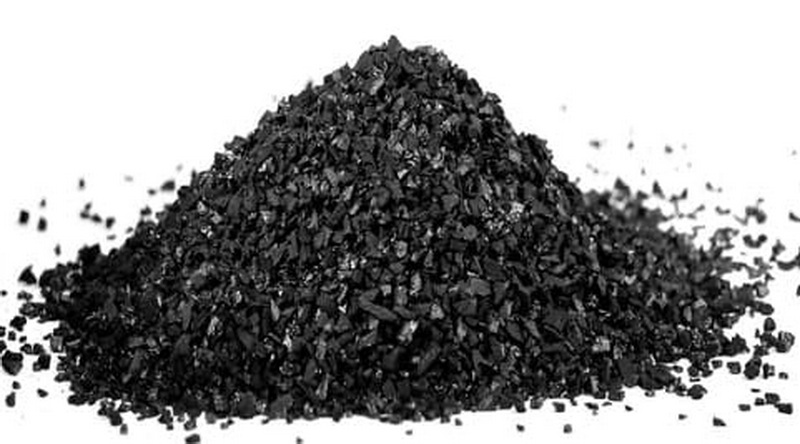
Activated carbon is a highly porous form of carbon produced from raw materials such as coconut shell, wood, or coal. During production, these raw materials are carbonized and then “activated” using steam or chemical agents at high temperature to create a vast internal pore structure. This activation process dramatically increases the surface area of the material, giving activated carbon its exceptional adsorption capacity for gases, vapors, colors, and dissolved organic substances.
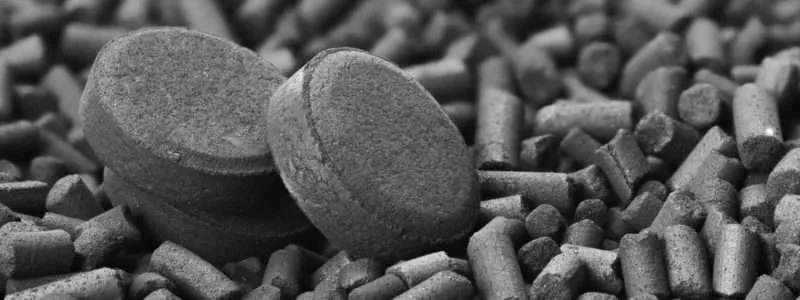
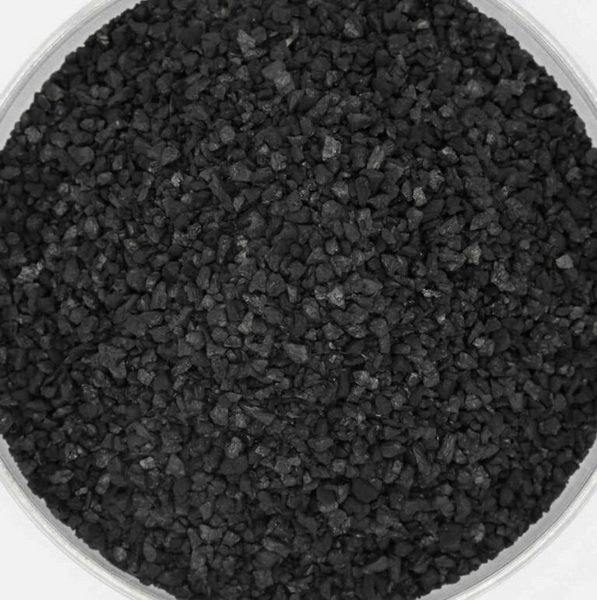
This unique porous structure allows activated carbon to bind (adsorb) unwanted molecules from liquids and gases, which is why activated carbon is so widely used in water treatment, air purification, gas purification, and decolorization and deodorization processes. In practice, activated carbon appears in several forms, including powdered activated carbon (PAC), granular activated carbon (GAC), and extruded or pelletized activated carbon. Each form is tailored for specific filtration systems, contact modes, and handling requirements.
For food‑related uses, food‑grade activated carbon must meet strict purity criteria, including limits on heavy metals, ash content, and other impurities. Food‑grade activated carbon is typically produced using carefully selected raw materials and controlled processes that are suitable for applications in which the carbon will be in direct contact with food or beverages.
How Is Activated Carbon Used in Industry?
Water treatment
In water treatment, activated carbon is used to remove chlorine, chlorinated by‑products, pesticide residues, organic micro‑pollutants, odors, and color from drinking water and process water. Municipal treatment plants, bottled water producers, and industrial facilities rely on activated carbon filters to help meet strict regulatory standards and to improve sensory qualities like taste and smell. Granular activated carbon is commonly installed in fixed beds or columns, while powdered activated carbon can be dosed directly into water streams and then removed through clarification and filtration.
Air and gas purification
In air and gas purification, activated carbon is used to capture volatile organic compounds (VOCs), industrial fumes, and unwanted odors from exhaust gases and process gases. Pelletized activated carbon beds are often part of industrial environmental control systems, protecting workers, communities, and the environment from harmful emissions. Customized activated carbon grades can be impregnated or surface‑modified for enhanced performance against specific contaminants such as acid gases, mercury, or organic vapors.
Food, beverage, and process purification
In the food, beverage, and fine chemical industries, activated carbon is widely used as a purification and polishing agent. Typical applications include sugar and syrup decolorization, edible oil purification, juice and wine polishing, and removal of off‑flavors from various liquid products. In these cases, activated carbon improves color, clarity, and taste by selectively removing color bodies and undesirable compounds while leaving the desired product composition as intact as possible.
Pharmaceutical and chemical applications
Activated carbon is also important in pharmaceutical and chemical manufacturing, where high purity is essential. It is used to remove trace impurities, catalysts, and unwanted by‑products from active ingredients and fine chemicals. Pharmaceutical‑grade activated carbon is manufactured and tested to very high purity standards and may also be used in clinical settings as part of treatment protocols for certain poisonings and overdoses.
Can Humans Eat Activated Carbon?
Edible in principle vs. safe in practice
In principle, some forms of activated carbon can be ingested by humans. In medicine, pharmaceutical‑grade activated carbon (often referred to as activated charcoal) has long been used as an oral treatment for specific acute poisonings and drug overdoses. In this context, activated carbon is administered in carefully controlled doses to bind toxins in the gastrointestinal tract before they are absorbed into the bloodstream. This clearly shows that a properly manufactured and tested medical‑grade activated carbon can be used inside the human body.
However, this medical use does not mean that all activated carbon is safe to eat freely. Industrial‑grade activated carbon is designed for performance in filtration and purification systems, not for ingestion. It may contain levels of impurities, mineral ash, or residual processing chemicals that are acceptable for industrial use but not for consumption. Therefore, industrial‑grade activated carbon should never be used directly in foods, dietary supplements, or cosmetic products applied to the mouth.
Even when the product is food‑grade, the question is not simply “Is activated carbon edible?” but “Under what conditions is it safe and appropriate to ingest activated carbon?” Safety depends on the grade, the dosage, frequency of intake, and an individual's health status, including whether they are taking medications that could interact with activated carbon.
Regulatory Perspective on Edible Activated Carbon
Food additives and processing aids
In many jurisdictions, direct food additives must be explicitly approved and listed by regulatory authorities. Activated carbon is often used not as a declared food additive, but as a processing aid in food and beverage production. As a processing aid, food‑grade activated carbon is added during manufacturing to purify liquids and is then removed, usually by filtration, before the final product is sold. In this role, activated carbon is widely accepted when it meets relevant food‑grade standards and is used correctly.
By contrast, the use of activated carbon as a direct ingredient or colorant in retail foods can fall under tighter regulations. In some markets, local authorities have restricted or banned the use of activated carbon as a coloring agent or standard ingredient because it is not formally approved as a food additive. This has led to periodic enforcement actions against “black” foods and drinks that rely on activated carbon for their distinctive appearance.
Food‑grade and pharmaceutical‑grade standards
Food‑grade activated carbon must comply with specifications such as those in the Food Chemicals Codex or similar national and international standards. These specifications cover parameters like moisture, ash, acid‑soluble substances, heavy metals (including lead, arsenic, and mercury), and sometimes microbial criteria. Meeting these standards ensures that the activated carbon is suitable for direct contact with food and beverages and will not introduce harmful contaminants.
Pharmaceutical‑grade activated carbon is subject to even more stringent requirements. It is designed for safe use inside the human body, often with defined particle size ranges, specific surface properties, and robust quality control. Pharmaceutical‑grade activated carbon is typically used only under the guidance of healthcare professionals.
Food‑Grade Activated Carbon and Food Applications
Food‑grade standards and selection
When selecting activated carbon for food and beverage applications, customers should always request documentation proving compliance with food‑grade standards. This may include certificates of analysis, compliance statements for Food Chemicals Codex or local food regulations, and information on the base raw material (for example, coconut shell‑based activated carbon is often preferred due to its hardness, purity, and sustainability profile).
Food‑grade activated carbon is available in both powdered and granular forms. Powdered food‑grade activated carbon is often used for batch decolorization and deodorization operations in sugar, syrups, and beverages. Granular food‑grade activated carbon may be used in continuous filters for process water or syrups, depending on process design and flow conditions.
Activated carbon as a colorant in foods
In some markets, vegetable‑based activated carbon is used as a black colorant in breads, pastries, ice cream, and beverages. It is sometimes associated with trends such as “goth” foods or “detox” culinary creations. When properly manufactured food‑grade activated carbon is used in low doses, occasional consumption in these products is generally considered low risk for healthy adults. However, regulatory acceptance varies by country and region, and the legal status of using activated carbon as a colorant may change over time as regulators respond to new products and trends.
For manufacturers, it is essential to confirm that the use of activated carbon as a colorant or ingredient is permitted by local regulations in the target market and to ensure that labeling, claims, and dosage are all compliant.
Health Considerations When Ingesting Activated Carbon
Potential benefits and intended medical use
The best supported internal use of activated carbon is in emergency medicine as a treatment for selected acute poisonings. In these cases, high doses of pharmaceutical‑grade activated carbon are given shortly after ingestion of certain toxins to prevent absorption. This use is time‑sensitive and performed under medical supervision.
Outside of emergency settings, activated carbon is sometimes marketed in supplements or foods with “detox” or digestive health claims. While activated carbon can bind a wide range of compounds in the digestive tract, the evidence supporting routine use of activated carbon for detoxification in healthy individuals is limited. Most toxins and metabolic wastes are naturally processed by the liver and kidneys, and there is no strong scientific consensus that daily activated carbon provides additional detox benefits for the general population.
Risks of excessive or inappropriate consumption
Activated carbon is non‑selective. When it is present in the digestive tract, it can bind not only unwanted substances, but also beneficial nutrients like vitamins, minerals, and antioxidants. If consumed frequently or in large quantities, activated carbon may reduce the absorption of these nutrients, potentially contributing to deficiencies over time.
Another important risk is interaction with medications. Activated carbon can bind certain drugs and reduce their absorption, which can make therapies less effective. This is particularly dangerous for individuals taking essential medicines such as heart medications, antidepressants, anti‑seizure drugs, or hormonal treatments. For these people, frequent or unsupervised consumption of activated carbon in foods or supplements can create serious health risks.
Side effects from oral activated carbon may include constipation, nausea, vomiting, abdominal discomfort, and dark‑colored stools. High doses, especially when combined with inadequate fluid intake, may increase the risk of digestive complications. Because of these potential risks, individuals who are pregnant, breastfeeding, managing chronic illnesses, or taking regular medications should always consult a healthcare professional before using products containing activated carbon.
Is Activated Carbon Edible in Everyday Foods?
Trend foods vs. safety reality
The rise of visually striking black foods and drinks has made activated carbon a trendy ingredient in some cafes and restaurants. Examples include black ice cream, black burger buns, black pizza crusts, and dark‑colored beverages. In many cases, the black color is achieved with a small addition of food‑grade activated carbon powder.
When consumed occasionally by healthy adults, these products made with food‑grade activated carbon are typically considered to pose low acute risk, although the long‑term effects of repeated consumption at higher doses have not been well studied. The main concern is not short‑term toxicity, but nutrient and drug interactions if activated carbon is consumed regularly.
For these reasons, several health professionals and regulatory bodies have cautioned against viewing activated carbon‑containing foods as everyday choices or health products. They emphasize that activated carbon is not a nutrient, does not provide calories, protein, vitamins, or minerals, and should not replace balanced eating habits.
Practical guidance for consumers
For consumers, a balanced approach to activated carbon in food can be summarized as follows:
- Choose products that clearly use food‑grade or pharmaceutical‑grade activated carbon.
- Treat activated carbon‑containing foods and drinks as occasional novelty items, not as daily staples or primary detox solutions.
- Avoid self‑prescribing activated carbon supplements, especially in high doses, without consulting a healthcare professional.
- Be particularly cautious if you take prescription medications or manage chronic health conditions, as activated carbon may affect drug absorption.
- Do not give activated carbon products to children, pregnant women, or vulnerable individuals without professional advice.
These guidelines help consumers enjoy innovative products without ignoring the potential downsides of activated carbon ingestion.
Industrial and Custom Activated Carbon Solutions
As a professional manufacturer and exporter of activated carbon, a company must carefully design product lines to serve a variety of industrial applications while maintaining strict quality control. Industrial‑grade activated carbon is optimized for adsorption performance, mechanical strength, and regeneration behavior in applications such as water treatment, air and gas purification, chemical processing, and environmental remediation.
For water treatment, custom granular activated carbon products can be engineered to target specific contaminants, taking into account parameters like iodine number, molasses number, pore size distribution, hardness, and bulk density. Engineering teams work with customers to design filter beds and contact times that ensure effective purification and long service life.
In air and gas purification, customized pelletized activated carbon can be formulated to provide low pressure drop, high adsorption capacity, and, where needed, impregnations tailored for particular pollutants. This allows industrial clients to meet tightening environmental standards while optimizing operating costs.
For food and beverage, pharmaceutical, and fine chemical customers, manufacturers of activated carbon can provide specialty food‑grade and pharmaceutical‑grade activated carbon with carefully defined pore structures, particle sizes, and surface chemistries. These customized activated carbon solutions help clients achieve consistent product quality, increase yield, and maintain compliance with demanding regulations.
By offering technical support, pilot testing, and application‑specific design, an experienced activated carbon manufacturer can become a long‑term partner for global customers across many industries.
Conclusion
Activated carbon is not a conventional food in the nutritional sense, but specific food‑grade and pharmaceutical‑grade forms can be safely used in contact with food and, in limited medical contexts, ingested under professional supervision. It plays a vital role as a processing aid in food and beverage production, helping to purify liquids, improve color and flavor, and remove undesirable contaminants when properly handled and removed before consumption.
However, the fact that activated carbon is sometimes used in medicine and food processing does not mean that all activated carbon products are edible or suitable for daily consumption. Industrial‑grade activated carbon is not designed for ingestion and should never be used directly in foods or supplements. Even with food‑grade activated carbon, excessive or frequent consumption can lead to nutrient and medication interactions, and routine “detox” use is not well supported by scientific evidence.
For consumers, the safest approach is to enjoy activated carbon‑containing foods occasionally, choose products that clearly use food‑grade materials, and consult healthcare professionals before using activated carbon supplements, especially when taking prescription drugs. For manufacturers and industrial users, it is essential to clearly distinguish between food‑grade and non‑food‑grade activated carbon, comply with relevant standards, and provide technical guidance to customers. When used correctly and responsibly, activated carbon remains an indispensable material for water treatment, air and gas purification, and high‑value process industries around the world.
Contact us to get more information!
FAQ About Activated Carbon and Edibility
1. Is activated carbon edible for humans?
In strictly controlled situations, certain forms of activated carbon are considered safe for human ingestion. Pharmaceutical‑grade activated carbon is used in emergency medicine to treat specific poisonings, and food‑grade activated carbon can be used in some food and beverage applications. However, this does not mean that all activated carbon is edible, and it is not advisable to consume industrial‑grade activated carbon or to take activated carbon supplements without professional advice.
2. What is the difference between food‑grade activated carbon and industrial‑grade activated carbon?
Food‑grade activated carbon is manufactured from carefully selected raw materials and processed under conditions that limit impurities like heavy metals, ash, and residual chemicals. It meets defined standards that make it suitable for direct contact with food and beverages. Industrial‑grade activated carbon focuses on performance in filtration systems and may not meet ingestion‑related purity requirements. Industrial‑grade activated carbon is intended for environmental and process applications, not for direct consumption.
3. Can activated carbon be used in food and beverages?
Yes, activated carbon is widely used in food and beverage processing as a purification and decolorization aid. Food‑grade activated carbon is used to treat sugar solutions, syrups, juices, wines, edible oils, and process water, helping remove unwanted colors, off‑flavors, and impurities. In some markets, it is also used as a black colorant in certain specialty foods and drinks. However, its use as a direct ingredient or colorant must comply with local regulations, and the legal status of such use may differ from region to region.
4. Is it safe to eat activated carbon in trendy “black” foods?
Occasional consumption of black foods and drinks made with food‑grade activated carbon is generally regarded as low risk for healthy adults. The main concerns arise when such products are consumed frequently or in large amounts, or when individuals take medications that could interact with activated carbon. People who rely on prescription drugs, or who have chronic health conditions, should be cautious and consider avoiding foods and supplements containing activated carbon unless they have consulted a healthcare professional.
5. What should manufacturers consider when supplying activated carbon for food applications?
Manufacturers who supply activated carbon for food and beverage industries must ensure that the product meets relevant food‑grade or pharmaceutical‑grade standards and is supported by appropriate documentation. They should clarify the intended use, such as processing aid, decolorization, or purification, and provide guidance on dosage, contact time, and filtration. It is also critical to stay up to date with regulatory requirements in target markets, including labeling rules and restrictions on using activated carbon as a colorant or ingredient. By doing so, manufacturers help their customers use activated carbon safely, effectively, and in full regulatory compliance.
Citations:
1. https://healthcare.utah.edu/healthfeed/2024/10/should-you-be-eating-activated-charcoal
2. https://www.webmd.com/vitamins-and-supplements/activated-charcoal-uses-risks
3. https://en.wikipedia.org/wiki/Charcoal_in_food
4. https://www.afdo.org/resolutions/resolution-1-charcoal-aka-activated-carbon-used-as-a-food-or-beverage-ingredient/
5. https://www.ams.usda.gov/sites/default/files/media/Activated%20Charcoal%20Processing%20TR.pdf
6. https://puragen.com/us/industries/food-and-beverage/
7. https://www.goodrx.com/well-being/supplements-herbs/what-is-activated-charcoal-detox-medication-interactions
8. https://www.activatedcarbon.org/health-safety-environment/
9. https://www.rbhltd.com/wp-content/uploads/2023/05/Food-Industry-v3.pdf
10. https://www.eater.com/2017/6/7/15750526/activated-charcoal-black-food-trend-nyc-ban
11. https://generalcarbon.com/activated-carbon/activated-carbon-msds/
12. https://www.carbotech.de/en/applications/food-and-beverage/
13. https://spicespecialist.com/food-grade-activated-charcoal/


