Content Menu
● What Is Activated Carbon and Why Use It?
● How a Sponge Filter Works
● Why Combine Activated Carbon with a Sponge Filter?
● Main Methods to Use Activated Carbon with a Sponge Filter
>> Wrapping the Sponge with an Activated Carbon Pad
>> Using a Mesh Media Bag Filled with Activated Carbon
>> Using Sponge Filters with Built‑In Media Chambers
● Step‑by‑Step Guide: Installing Activated Carbon on a Sponge Filter
>> Step 1: Choose the Right Form of Activated Carbon
>> Step 2: Rinse the Activated Carbon Thoroughly
>> Step 3: Prepare and Clean the Sponge Filter
>> Step 4: Attach the Activated Carbon to the Sponge Filter
>> Step 5: Reinstall and Test the System
● Maintenance and Replacement of Activated Carbon
● When Activated Carbon Is Most Useful
● Safety Tips for Using Activated Carbon with Sponge Filters
● Summary: Advantages of Using Activated Carbon with Sponge Filters
● Conclusion
● FAQ
>> 1. Does activated carbon remove all toxins from aquarium water?
>> 2. Will activated carbon in a sponge filter harm beneficial bacteria?
>> 3. How often should I replace activated carbon used with a sponge filter?
>> 4. Is activated carbon necessary in a planted tank that uses a sponge filter?
>> 5. Where is the best place to position activated carbon if I run multiple filters?
● Citations:
Learn how to combine activated carbon with sponge filters to get crystal‑clear, odor‑free water without losing gentle, reliable biofiltration. This step‑by‑step guide explains methods, maintenance, and best practices for aquariums and small water treatment systems.
What Is Activated Carbon and Why Use It?
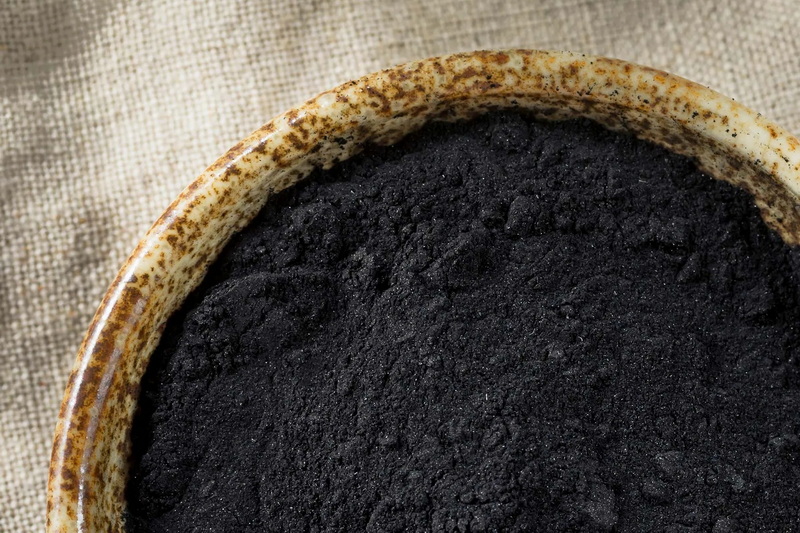
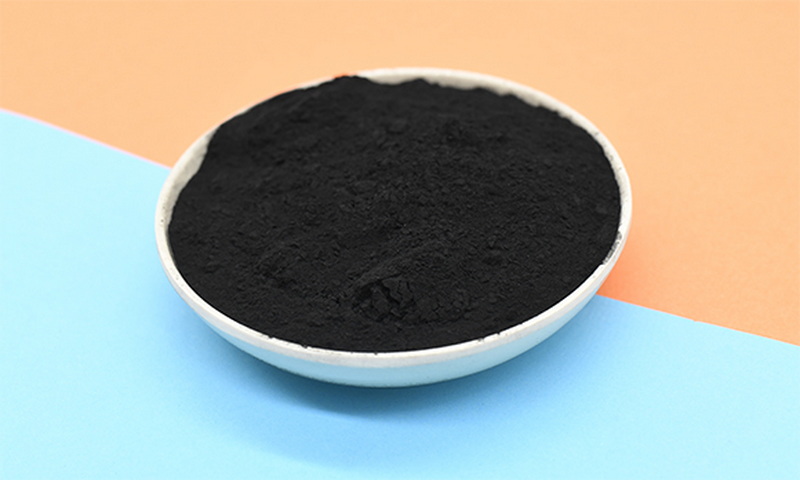
Activated carbon is a highly porous filtration media that adsorbs dissolved impurities from water. In aquarium and small industrial systems, activated carbon is widely used as a chemical filtration stage that works alongside mechanical and biological filtration.
By placing activated carbon in the water flow, millions of microscopic pores trap and hold dissolved organic compounds, colorants, and many chemical pollutants. This makes activated carbon especially valuable when you need to polish water after treatments, clear discoloration from driftwood tannins, or eliminate unpleasant smells. In addition, activated carbon improves visual clarity, helping your tank or process water look cleaner and more professional.
How a Sponge Filter Works
A sponge filter is one of the simplest and most reliable filtration systems, especially popular in aquariums, breeding tanks, shrimp tanks, and small recirculating systems. It is usually powered by an air pump or a small powerhead that drives water through a foam sponge.
As air rises through the lift tube, it pulls water upward and forces it to pass through the sponge body. Solid particles and debris become trapped in the sponge, providing mechanical filtration, while the sponge's surface area becomes colonized by beneficial bacteria that convert toxic ammonia and nitrite into less harmful nitrate. The result is a gentle, low‑stress form of biological filtration that is safe for delicate fish, fry, invertebrates, and plants.
On its own, however, a sponge filter does not provide much chemical filtration. This is where activated carbon becomes an excellent partner, adding a powerful chemical treatment step while preserving the sponge's mechanical and biological performance.
Why Combine Activated Carbon with a Sponge Filter?
Combining activated carbon with a sponge filter gives you a compact, multi‑stage filtration system in a single unit or in a small space. The sponge handles suspended solids and biological conversion, while the activated carbon targets dissolved contaminants and odors that mechanical media cannot remove.
When water flows through activated carbon after passing the sponge, organic molecules, medication residues, and color‑causing compounds are adsorbed onto the carbon surface. This can dramatically improve water clarity in display tanks and critical applications where consistent, high‑quality water is important. At the same time, you maintain the gentle flow and stable biological filtration sponge filters are known for, avoiding the strong suction of many power filters.
Main Methods to Use Activated Carbon with a Sponge Filter
Wrapping the Sponge with an Activated Carbon Pad
One of the most convenient methods is to use an activated carbon pad that can be cut and wrapped around the sponge filter.
- Cut a piece of activated carbon pad large enough to wrap around the cylindrical or rectangular sponge body.
- Wrap it snugly but not too tightly around the sponge, leaving the bottom intake area and the top lift tube open so water and air can move freely.
- Secure the pad with a plastic clip, rubber band, or aquarium‑safe zip tie, making sure no sharp edges or metal parts are exposed.
In this configuration, water flows first through the activated carbon pad and then into the sponge. The pad removes dissolved impurities and some fine particles, while the sponge catches remaining solids and supports beneficial bacteria. This is a simple way to upgrade a basic sponge filter without buying new equipment.
Using a Mesh Media Bag Filled with Activated Carbon
If you prefer granular or pelletized activated carbon, you can place it in a fine mesh media bag and position it next to the sponge filter.
- Fill the media bag with rinsed activated carbon, then tie or clip it securely so no granules escape.
- Place the bag directly in the water flow created by the sponge filter, such as near the uplift tube outflow or where circulation is strongest.
- Ensure water is forced across the activated carbon bag regularly, rather than leaving it in a stagnant corner of the tank or system.
In this setup, the sponge continues to provide mechanical and biological filtration, while the media bag offers flexible chemical filtration. You can easily remove or replace the activated carbon without disturbing the sponge filter structure or your established bacterial colonies.
Using Sponge Filters with Built‑In Media Chambers
Some sponge filters include built‑in media chambers or cartridges designed for chemical or additional biological media. These designs are ideal for using activated carbon in an organized, high‑flow area.
- Open the media chamber and insert activated carbon pellets, granules in a small bag, or pre‑formed activated carbon cartridges.
- Ensure that the water path forces flow through the activated carbon after passing through the sponge, so the carbon does not clog with large debris.
- Close the chamber and check that bubbles and water flow remain strong and even.
With an integrated media chamber, activated carbon can be easily swapped out on a schedule, while the sponge itself remains in place to preserve important bacterial populations.
Step‑by‑Step Guide: Installing Activated Carbon on a Sponge Filter
Step 1: Choose the Right Form of Activated Carbon
For use with sponge filters, activated carbon is commonly available in three main forms: loose granules or pellets, cut‑to‑fit pads, and pre‑packed cartridges.
- Loose granular activated carbon offers high surface area and flexibility but must be contained in a fine mesh bag.
- Activated carbon pads are easy to cut and wrap directly around sponge filters, providing even coverage and simple replacement.
- Cartridges or blocks fit specific filter designs with media chambers and offer clean handling with minimal dust.
Select the format that best matches your sponge filter design and maintenance preferences. For standard sponge filters without chambers, carbon pads or mesh bags of granules are usually the most practical.
Step 2: Rinse the Activated Carbon Thoroughly
New activated carbon, regardless of form, typically contains fine dust that can cloud water.
- Place the activated carbon pad or media bag under running water and gently squeeze or agitate it until the rinse water runs much clearer.
- For loose carbon, pour it into the mesh bag first, then rinse the filled bag to avoid losing material down the drain.
- Do not use soap or detergents during rinsing, as any residue can be dangerous to fish, invertebrates, or other sensitive organisms.
Proper rinsing ensures that your aquarium or system does not turn gray or black when the activated carbon is first installed.
Step 3: Prepare and Clean the Sponge Filter
Before adding activated carbon, it is a good time to check and lightly clean the sponge filter.
- Turn off the air pump or powerhead, then remove the sponge filter gently from the tank or sump.
- Fill a small bucket with existing tank water and lightly squeeze the sponge in this water to release built‑up debris without killing too many beneficial bacteria.
- Inspect the lift tube, air stone, and connections for any blockages, lime build‑up, or damage that might reduce flow.
Avoid cleaning the sponge with chlorinated tap water, as chlorine can kill the bacterial colony that your filter depends on.
Step 4: Attach the Activated Carbon to the Sponge Filter
Now you can integrate the activated carbon with the sponge filter using your chosen method.
- If using pads, wrap the activated carbon pad around the sponge body so that it covers the main water intake surfaces without blocking the bottom or the lift tube. Secure it gently so water can still pass through.
- If using a media bag, position it close to the sponge where water flow is strongest, such as around the base or near the uplift stream, and ensure it will not be sucked into moving parts.
- If using a built‑in media chamber, fill the compartment with the desired amount of activated carbon and close it firmly, making sure seals and covers are properly seated.
The key is to maintain a free, steady flow of water and air while maximizing contact between water and activated carbon.
Step 5: Reinstall and Test the System
Once the activated carbon is in place, reinstall the sponge filter and restart the system.
- Return the sponge filter to its original position, or to an area with good circulation if you are optimizing layout.
- Turn on the air pump or powerhead and observe the bubbles, water flow, and stability of the activated carbon pad or media bag.
- Check for any signs of reduced airflow, unusual noise, or restricted water movement that might indicate the carbon is packed too tightly.
Over the next several hours to a day, you should notice increased water clarity and reduced odors as the activated carbon begins to work.
Maintenance and Replacement of Activated Carbon
Activated carbon has a limited lifespan because its pores gradually become filled with adsorbed substances. Once saturated, it no longer removes impurities effectively.
- In most aquarium and light industrial applications, activated carbon is replaced every 3 to 4 weeks, though heavy loads may require more frequent changes.
- Some users prefer to change smaller amounts of activated carbon more often to keep chemical filtration at a stable, efficient level.
- When you see water starting to turn yellow, smell increases, or clarity visibly declines, it often means the current charge of activated carbon is exhausted.
When replacing activated carbon on a sponge filter, avoid removing or replacing the sponge at the same time. By leaving the sponge intact, you keep your biological filtration stable while renewing the chemical filtration stage.
When Activated Carbon Is Most Useful
Activated carbon is powerful, but it is not mandatory in every system or at all times. Understanding when to use it helps you get maximum value while avoiding unnecessary cost.
You should strongly consider activated carbon when:
- You have just finished a medication or treatment cycle and need to remove residual chemicals.
- Your water is discolored by tannins from driftwood, leaves, or other natural materials.
- You notice persistent odors or a “stale” smell, even after regular maintenance.
- You want crystal‑clear display water for aesthetic or inspection purposes.
In planted tanks or specialized systems, some operators use activated carbon only as needed, rather than continuously, to avoid removing certain dissolved nutrients or additives. However, in many community aquariums and general‑purpose tanks, continuous or regular use of activated carbon with a sponge filter is a practical way to maintain very clean, clear water.
Safety Tips for Using Activated Carbon with Sponge Filters
Using activated carbon is generally safe and straightforward, but a few best practices will protect your animals and equipment.
- Always rinse activated carbon before use to remove dust and reduce initial cloudiness.
- Do not pack activated carbon so tightly around the sponge or inside the lift tube that it obstructs air and water flow.
- Remove activated carbon whenever you intentionally add medications or specialized treatments to the water, then reinstall fresh carbon after the treatment period.
- Store unused activated carbon in a dry, sealed container away from strong fumes or chemicals so it does not adsorb contaminants before use.
By following these guidelines, you will get reliable performance from your activated carbon while preserving the long‑term stability of your sponge filter.
Summary: Advantages of Using Activated Carbon with Sponge Filters
Using activated carbon with a sponge filter creates a well‑balanced, multi‑stage filtration system that is compact, flexible, and easy to maintain. The sponge provides stable mechanical and biological filtration, while the activated carbon delivers strong chemical polishing of the water.
Whether you wrap a carbon pad around the sponge, place a mesh bag of activated carbon beside the filter, or use a sponge filter with a built‑in media chamber, you can enjoy clearer, fresher water without sacrificing the gentle flow that makes sponge filters so popular. With correct installation, regular replacement, and thoughtful use during and after treatments, activated carbon becomes a powerful ally for both hobbyists and professionals seeking clean, high‑quality water.
Conclusion
Activated carbon and sponge filters complement each other extremely well. The sponge offers dependable mechanical and biological filtration, creating a stable environment for fish, invertebrates, and plants, while activated carbon adds an efficient chemical stage that removes dissolved impurities, odors, and discoloration. By using methods such as wrapping sponge filters with activated carbon pads, placing granular activated carbon in mesh bags near the sponge, or loading activated carbon into built‑in media chambers, you can upgrade a basic filter into a more complete water treatment solution.
Successful use of activated carbon with a sponge filter depends on correct installation, thorough rinsing, and consistent replacement before the media is exhausted. When applied thoughtfully, activated carbon makes water clearer and more attractive, helps remove residual treatments, and supports a healthier overall environment. Combined with routine maintenance and water changes, this simple addition can greatly improve the performance and reliability of your filtration system.
Contact us to get more information!
FAQ
1. Does activated carbon remove all toxins from aquarium water?
No, activated carbon does not remove every possible toxin from aquarium water. It is very effective at adsorbing many dissolved organic compounds, medications, colorants, and odor‑causing molecules, but it does not remove ammonia, nitrite, or nitrate. Those nitrogen compounds must still be controlled through biological filtration, water changes, and good husbandry practices.
2. Will activated carbon in a sponge filter harm beneficial bacteria?
Activated carbon itself does not harm beneficial bacteria under normal conditions. Most of the key bacterial colonies live on the surfaces of the sponge, substrate, decorations, and other media rather than inside the activated carbon. When you integrate activated carbon with a sponge filter, you are mainly adding a chemical filtration stage, while the biological filtration provided by the sponge continues to function normally.
3. How often should I replace activated carbon used with a sponge filter?
In typical aquarium setups, activated carbon is usually replaced every 3 to 4 weeks, although heavy bioloads or strong discoloration may require more frequent changes. Once activated carbon becomes saturated, it stops adsorbing impurities, so leaving it in place for too long provides little benefit. When you replace activated carbon, keep the sponge filter itself in place so your biological filtration is not disrupted.
4. Is activated carbon necessary in a planted tank that uses a sponge filter?
Activated carbon is not strictly necessary in a planted tank, because plants and biological filtration already help stabilize water quality. Many aquarists still use activated carbon temporarily in planted systems after medications, when clearing tannins, or when they need very clear water for viewing. However, some choose to avoid constant use of activated carbon to reduce the risk of removing certain dissolved nutrients that plants require.
5. Where is the best place to position activated carbon if I run multiple filters?
If you run a sponge filter alongside hang‑on‑back or canister filters, the most efficient place for activated carbon is often in the higher‑flow filters, just after mechanical media. You can still use a carbon pad around the sponge or a media bag near the sponge filter for additional polishing. The main goal is to place activated carbon where water reliably flows through it, ensuring good contact time and consistent adsorption of impurities.
Citations:
1. https://www.aquariumcoop.com/blogs/aquarium/5-simple-tricks-to-improve-aquarium-filters
2. https://www.reddit.com/r/Aquariums/comments/kzm5yg/how_to_use_carbon_with_sponge_filters/
3. https://www.youtube.com/watch?v=OQ1k6DfbKiw
4. https://www.aquaticexperts.com/pages/activated-carbon-in-your-aquarium
5. https://charterhouse-aquatics.com/blogs/help-guides/10-reasons-to-use-aquarium-activated-carbon
6. https://activatedcarbondepot.com/blogs/news/activated-carbon-for-aquariums-a-complete-guide
7. https://www.youtube.com/watch?v=0QMRhOJlmy0
8. https://www.youtube.com/watch?v=e47HJvyUdoU
9. https://www.youtube.com/watch?v=_fOGjGVT1vw
10. https://www.swelluk.com/help-guides/how-long-does-carbon-last-in-an-aquarium-filter/
11. https://www.bunnycart.com/blog/how-important-is-activated-carbon-in-your-aquarium/


