Content Menu
● What Is Activated Carbon?
● Why Use Activated Carbon for Alcohol Filtration?
● How Activated Carbon Works: The Science of Adsorption
● Types of Activated Carbon for Alcohol Filtration
>> By Raw Material
>> By Physical Form
● Preparing Activated Carbon for Alcohol Filtration
>> Rinsing and Washing
>> Pre-Conditioning
● Setting Up an Activated Carbon Filtration System
>> Gravity-Fed Column or Tube
>> Pressurized Filtration Systems
>> Batch Treatment with Powdered Activated Carbon
● Key Process Parameters: Contact Time, Flow Rate, and Bed Depth
>> Contact Time
>> Flow Rate
>> Bed Depth
● Step-by-Step Procedure: How to Use Activated Carbon to Filter Alcohol
● Safety and Quality Considerations
● Maintenance and Replacement of Activated Carbon Filters
● Applications of Activated Carbon in Different Types of Alcohol
>> Vodka and Neutral Spirits
>> Gin, Rum, and White Spirits
>> Aged Spirits (Whiskey, Brandy, etc.)
>> Liqueurs and Flavored Spirits
● Common Mistakes When Using Activated Carbon to Filter Alcohol
● Conclusion
● FAQ: Activated Carbon for Alcohol Filtration
>> 1. What is activated carbon, and why is it used to filter alcohol?
>> 2. Is activated carbon safe for alcohol filtration?
>> 3. How long does an activated carbon filter last when filtering alcohol?
>> 4. Can activated carbon remove all impurities from alcohol?
>> 5. Will activated carbon remove desirable flavors from my spirits?
● Citations:
Activated carbon is a powerful and versatile tool for purifying alcohol, widely used in the beverage industry to improve taste, clarity, and aroma. This article explains how to use activated carbon to filter alcohol, covering everything from basic principles to practical steps, safety considerations, and maintenance. Whether you're a craft distiller or simply interested in home filtration, activated carbon can help you achieve smoother, cleaner spirits while maintaining consistent product quality.
What Is Activated Carbon?
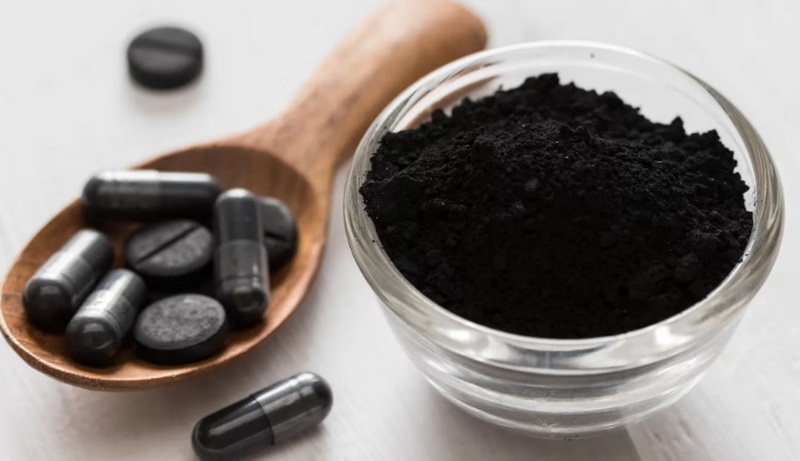
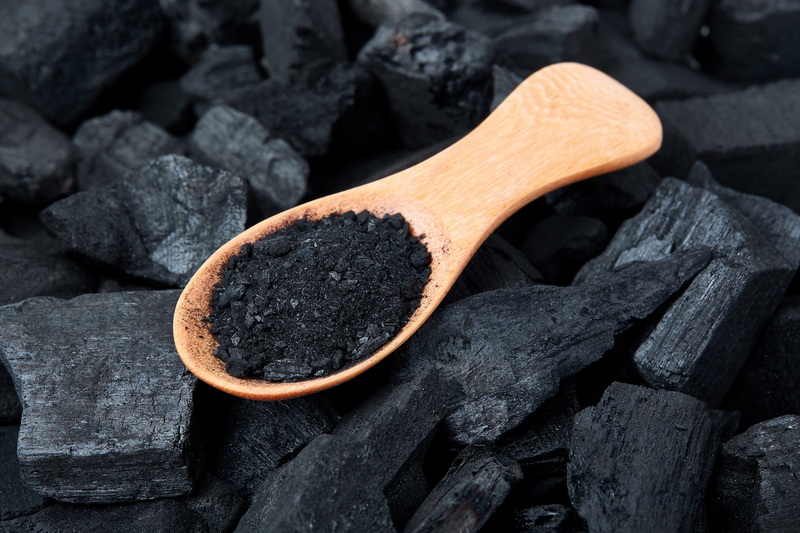
Activated carbon, also known as activated charcoal, is a highly porous form of carbon produced from raw materials such as coconut shells, wood, coal, or fruit pits. During production, these carbon-rich materials are heated at high temperatures in the presence of gases or activating agents to create a network of microscopic pores. This process dramatically increases the internal surface area of the carbon, making activated carbon extremely effective at capturing and holding impurities.
The key feature of activated carbon is its enormous surface area. Just one gram of high-quality activated carbon can have a surface area of hundreds or even over a thousand square meters. This huge surface area is what allows activated carbon to adsorb a wide variety of organic compounds and contaminants from liquids and gases, including those found in alcohol. In beverage and alcohol applications, activated carbon is usually produced to strict food-grade standards to ensure safety and performance.
Why Use Activated Carbon for Alcohol Filtration?
Activated carbon is widely used in alcohol filtration because it can significantly improve the sensory and visual quality of spirits. When you use activated carbon to filter alcohol, several important benefits occur:
- Removal of off-flavors: Activated carbon can adsorb higher alcohols (fusel oils), aldehydes, esters, and other volatile compounds that create harsh, solvent-like, or unpleasant flavors in spirits.
- Odor improvement: Many undesirable aromatic compounds responsible for chemical or “heads and tails” smells can be reduced, making the spirit smell cleaner and more neutral.
- Smoother mouthfeel: By reducing harsh impurities, activated carbon can help produce a softer, smoother mouthfeel that is more pleasant for consumers, especially in vodka or neutral spirits.
- Color correction: In some applications, activated carbon can reduce unwanted color compounds, helping to lighten or clarify the spirit without stripping its desired character too aggressively.
- Consistency: Activated carbon filtration helps distillers and beverage producers achieve a more consistent flavor profile from batch to batch, which is critical in commercial production.
For neutral spirits like vodka, activated carbon filtration is often a central step in shaping the final character of the alcohol. For other spirits such as gin, rum, or whiskey, activated carbon must be used more carefully so as not to remove desirable flavor compounds that define the style of the product.
How Activated Carbon Works: The Science of Adsorption
To understand how to use activated carbon to filter alcohol effectively, it helps to know how activated carbon works on a molecular level. Activated carbon does not absorb liquids in the same way a sponge does. Instead, it works by adsorption, a process in which molecules adhere to the surface of a solid.
Within each particle of activated carbon, there is a complex network of pores of different sizes:
- Micropores: Extremely small pores that provide most of the surface area and are crucial for adsorbing small organic molecules.
- Mesopores: Medium-sized pores that help transport molecules into micropores.
- Macropores: Larger pores that act as highways, allowing liquid to flow through the carbon bed.
When alcohol passes through a bed of activated carbon, unwanted molecules in the alcohol diffuse into these pores and attach to the internal surfaces through physical and chemical interactions. Over time, as more molecules attach, the activated carbon gradually becomes saturated and loses some of its adsorption capacity. At that point, it must be regenerated (in industrial settings) or replaced (in most beverage applications) to maintain effective filtration.
Types of Activated Carbon for Alcohol Filtration
Choosing the right type of activated carbon is essential for achieving the best results when filtering alcohol. Several factors differentiate one activated carbon from another:
By Raw Material
- Coconut shell activated carbon: Commonly preferred in alcohol filtration because of its high hardness, high micropore volume, and long service life. It is very effective for removing low molecular weight organic contaminants and for producing neutral-tasting alcohol.
- Wood-based activated carbon: Has a more developed mesopore structure and is often used when larger organic molecules or color bodies need to be removed. It can be useful in applications where mild decolorization or flavor correction is desired.
- Coal-based activated carbon: Offers a balance of micro- and mesopores and can be used for various purification tasks. In beverage applications, food-grade coal-based activated carbon is sometimes used for specific flavor adjustment goals.
By Physical Form
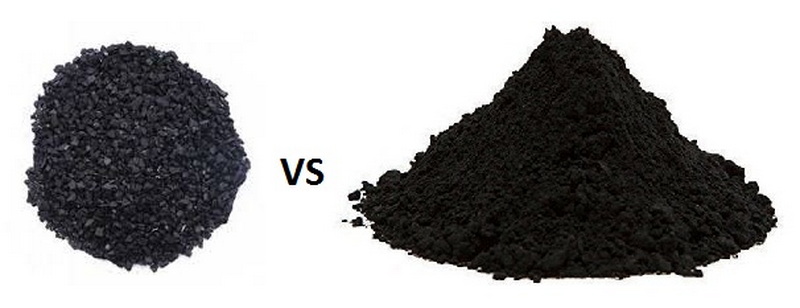
- Granular activated carbon (GAC): Small granules or pellets used in packed columns and gravity-fed filters. GAC is popular for continuous or batch filtration of alcohol due to its balance between flow rate and contact time.
- Powdered activated carbon (PAC): Very fine particles that are typically mixed directly into the liquid and then removed by filtration. PAC is more common in wine, juice, or water treatment; it can be used in alcohol processing but requires careful separation after treatment.
- Extruded or pelletized carbon: Cylindrical pellets formed by extruding powdered carbon with a binder. Often used in industrial columns where low pressure drop and mechanical strength are important.
For most distilleries, granular coconut shell-based activated carbon is the standard choice for filtering neutral spirits because it offers excellent adsorption for the compounds responsible for harshness and off-flavors.
Preparing Activated Carbon for Alcohol Filtration
Before using activated carbon to filter alcohol, it should be prepared correctly to maximize its performance and avoid introducing dust or unwanted tastes into the spirit.
Rinsing and Washing
Activated carbon typically contains fine dust and loose particles produced during manufacturing and transportation. If these fines are not removed, they can:
- Cloud the alcohol.
- Contribute a slight earthy or dusty taste.
- Block downstream filters or lines.
To prepare activated carbon:
1. Measure the required amount of activated carbon based on your batch size and system design.
2. Place the activated carbon in a clean container or directly in the filter housing or column.
3. Rinse thoroughly with clean, potable water until the runoff is clear. Use moderate flow to avoid channeling or disturbing the bed too violently.
4. Optionally, you can rinse with a small amount of dilute alcohol to remove any trace of water taste before starting the main filtration.
Pre-Conditioning
In some distilling operations, the activated carbon bed is pre-conditioned using a low-strength alcohol solution. This pre-conditioning step helps:
- Remove any remaining soluble impurities from the activated carbon.
- Stabilize the bed structure.
- Bring the activated carbon to a similar alcohol concentration as the product, which can improve early-run flavor consistency.
After rinsing and pre-conditioning, the activated carbon is ready for use.
Setting Up an Activated Carbon Filtration System
There are several practical ways to set up a system to use activated carbon to filter alcohol. The choice depends on the scale of production, available equipment, and quality targets.
Gravity-Fed Column or Tube
A simple method, often used by small-scale producers or experimental setups, involves building a gravity-fed filter:
1. Use a vertical column or tube made from a food-safe material (such as stainless steel or certain plastics).
2. Place a filter pad, fine mesh, or coffee filter at the bottom to prevent activated carbon from leaving the column.
3. Fill the tube with pre-rinsed granular activated carbon, tapping gently to minimize air pockets.
4. Place another thin filter layer on top if needed to help distribute the flow.
5. Slowly pour the alcohol into the top and allow it to flow downward through the activated carbon bed by gravity.
This method is straightforward and can work well if the flow rate is controlled to ensure sufficient contact time with the activated carbon.
Pressurized Filtration Systems
In commercial distilleries, pressurized systems are widely used to run large volumes of alcohol through activated carbon beds:
- Stainless steel columns packed with activated carbon are connected to pumps that move the spirit through at controlled flow rates.
- Multi-stage systems may combine activated carbon with other filter elements, such as depth filters or membrane cartridges, for clarity and particle removal.
- Flow meters, pressure gauges, and sampling valves are used to monitor performance and decide when the activated carbon needs to be replaced.
Pressurized systems offer higher throughput and more consistent control, making them suitable for industrial-scale production.
Batch Treatment with Powdered Activated Carbon
Although less common for neutral spirits, some producers use powdered activated carbon for targeted treatment:
1. The powdered activated carbon is weighed and added directly to a tank of alcohol.
2. The mixture is gently stirred for a predetermined contact time.
3. After treatment, the PAC is removed using filtration media such as filter sheets, cartridges, or filter presses.
This method allows very flexible dosing but requires careful handling and complete removal of the powder from the final product.
Key Process Parameters: Contact Time, Flow Rate, and Bed Depth
To use activated carbon to filter alcohol effectively, three main process parameters must be controlled.
Contact Time
Contact time, often expressed as Empty Bed Contact Time (EBCT), is the amount of time the alcohol spends in contact with the activated carbon. Longer contact time generally increases adsorption of impurities but also reduces throughput.
- Too short contact time: Insufficient removal of impurities, minimal improvement in flavor and aroma.
- Proper contact time: Balanced removal of off-flavors without overly stripping desired character.
- Excessively long contact time: Potential for over-stripping delicate flavors, especially in character spirits like rum or whiskey.
Flow Rate
Flow rate is closely linked to contact time. A slower flow through the activated carbon bed allows the spirit more opportunity to contact internal pore surfaces. When setting flow rate:
- Start with a conservative rate to ensure good purification.
- Gradually increase flow if you need more throughput, but monitor taste and analytical results.
- Avoid sudden flow changes that can disturb the activated carbon bed or create channeling.
Bed Depth
Bed depth is the height of the activated carbon layer in the column. A deeper bed:
- Provides more adsorption capacity.
- Reduces the risk of breakthrough (when impurities start appearing in the filtered alcohol before the carbon is fully saturated).
- Can improve the stability and consistency of filtration.
However, deeper beds increase pressure drop and may require stronger pumps in pressurized systems.
Step-by-Step Procedure: How to Use Activated Carbon to Filter Alcohol
Below is a general step-by-step guide you can adapt to your own system and scale.
1. Select the activated carbon
Choose a food-grade activated carbon suitable for alcohol filtration, often coconut shell-based granular activated carbon for neutral spirits.
2. Determine dosage and bed size
Calculate how much activated carbon you need based on volume of alcohol, expected impurity load, and equipment design. Larger volumes or harsher distillate may require more activated carbon or multiple passes.
3. Prepare the activated carbon
Rinse with clean water until the water runs clear. Optionally pre-condition with low-proof alcohol.
4. Pack the filter housing or column
Load the activated carbon evenly, avoiding voids and air pockets. Use support screens and filter pads to hold the bed in place.
5. Start filtration at a low flow rate
Begin with a slower throughput using test volumes. Monitor any initial color or dust and discard the first small portion if necessary.
6. Collect and evaluate samples
Periodically taste, smell, and visually inspect the filtered alcohol. Compare to unfiltered samples to judge improvement in smoothness, aroma, and clarity.
7. Adjust flow or make multiple passes
If the improvement is not sufficient, you can either slow the flow rate, increase contact time, or run the spirit through the activated carbon a second time.
8. Monitor breakthrough and saturation
Keep records of how much alcohol has been filtered through a given activated carbon bed. When you notice reduced improvement or a return of off-notes, it may be time to replace the activated carbon.
Safety and Quality Considerations
When using activated carbon to filter alcohol, safety and quality control should always be priorities.
- Always use food-grade activated carbon specifically manufactured for beverage or alcohol applications.
- Avoid inhaling activated carbon dust; wear a mask and gloves when handling large quantities.
- Ensure all equipment that contacts the alcohol is food-safe and properly cleaned and sanitized.
- Do not attempt to compensate for poor distillation practices purely with activated carbon; filtration should refine a reasonably clean distillate, not fix severe process problems.
- Maintain documentation of each filtration batch, including carbon type, contact time, volume processed, and sensory evaluation results.
Maintenance and Replacement of Activated Carbon Filters
Activated carbon does not last forever. Over time, as it adsorbs more impurities, its capacity declines. Recognizing when to replace activated carbon is essential for maintaining consistent results.
Signs that activated carbon needs replacement include:
- Noticeably reduced improvement in flavor and aroma after filtration.
- Decreased removal of color or haze.
- Higher volumes of alcohol processed than the system is designed for between carbon changes.
- Increased pressure drop in pressurized systems, indicating clogging or fouling of the bed.
Filter housings, columns, and lines should be cleaned and sanitized during each change-out. When replacing the activated carbon, follow the same rinsing and pre-conditioning steps to avoid introducing dust or off-tastes into the next batch.
Applications of Activated Carbon in Different Types of Alcohol
Activated carbon is used differently depending on the type of alcohol and the desired style.
Vodka and Neutral Spirits
For vodka and neutral spirits, the goal is often maximum neutrality and smoothness. Activated carbon:
- Plays a central role in stripping out trace congeners and flavor compounds.
- Helps achieve crystal clarity and a clean, neutral aroma.
- Is often used in multiple passes or in tall, carefully engineered carbon columns.
Gin, Rum, and White Spirits
For spirits like gin or light rum, activated carbon must be used more selectively:
- Too much activated carbon can remove botanical flavors or desirable molasses notes.
- Low-dose or partial filtration might be used to remove only harsh edges while preserving character.
Aged Spirits (Whiskey, Brandy, etc.)
In aged spirits, activated carbon is used cautiously:
- The goal is usually not to neutralize the spirit, but to polish minor defects or excessive harshness.
- Distillers may rely more on barrel aging and blending, using activated carbon only in exceptional cases or specific corrections.
Liqueurs and Flavored Spirits
In liqueurs and flavored products, activated carbon is typically used on the base spirit before flavoring, not after, so that it does not strip added flavors or colors.
Common Mistakes When Using Activated Carbon to Filter Alcohol
Even though activated carbon is highly effective, certain mistakes can reduce its benefits:
- Using non-food-grade activated carbon intended for air or industrial use.
- Failing to rinse the activated carbon properly, leading to dust contamination.
- Running alcohol through the activated carbon too quickly, resulting in poor removal of impurities.
- Over-using exhausted activated carbon, causing inconsistent product quality.
- Applying too aggressive filtration to character spirits and unintentionally stripping desirable flavors and aromas.
Avoiding these mistakes ensures that activated carbon filtration adds value without compromising the intended style of the alcohol.
Conclusion
Using activated carbon to filter alcohol is one of the most effective ways to improve the purity, taste, and overall quality of spirits. By understanding how activated carbon works, selecting the right type of activated carbon, and controlling key process variables such as contact time, flow rate, and bed depth, distillers and beverage producers can achieve smoother, cleaner, and more consistent products. Activated carbon filtration is not a substitute for good distillation practices, but it is a powerful finishing step that refines and polishes alcohol to meet demanding consumer expectations. Whether you operate a commercial distillery or produce spirits on a smaller scale, a well-designed activated carbon filtration process can become a core part of your quality control strategy.
Contact us to get more information!
FAQ: Activated Carbon for Alcohol Filtration
1. What is activated carbon, and why is it used to filter alcohol?
Activated carbon is a highly porous form of carbon with an enormous internal surface area created by a specialized activation process. It is used to filter alcohol because its pore structure adsorbs many unwanted flavor, odor, and color compounds, resulting in a smoother, cleaner, and more neutral spirit.
2. Is activated carbon safe for alcohol filtration?
Yes, activated carbon is safe for alcohol filtration when you use food-grade material specifically produced for beverage or distilling applications. As long as it meets appropriate quality standards and is properly rinsed before use, activated carbon does not introduce harmful substances into the spirit and is widely accepted in the beverage industry.
3. How long does an activated carbon filter last when filtering alcohol?
The lifespan of activated carbon depends on how much alcohol it filters, the level of impurities in the distillate, and the design of the filtration system. In general, activated carbon should be replaced when you notice a decline in its ability to improve flavor and aroma or when you reach the recommended processing volume specified by the carbon supplier. Regular monitoring and tasting are essential.
4. Can activated carbon remove all impurities from alcohol?
Activated carbon is very effective, but it cannot remove every possible impurity. It is best at adsorbing many organic flavor and aroma compounds, as well as some color bodies. However, it does not fix fundamental problems like poorly fermented mash or extremely contaminated distillate. For best results, activated carbon should be part of a broader quality process that includes good fermentation, careful distillation, and proper storage.
5. Will activated carbon remove desirable flavors from my spirits?
Activated carbon can remove both undesirable and desirable compounds. If you use a high dose, long contact time, or very aggressive filtration, you may strip out valuable flavor molecules, especially in character spirits such as gin, rum, or whiskey. To avoid this, adjust your activated carbon dosage and contact time carefully, and always run small-scale trials before applying a new treatment to a full production batch.
Citations:
1. https://www.instructables.com/Alcohol-Filter-A-Giant-Brita-for-Whiskey-Vodka/
2. https://www.youtube.com/watch?v=o4AFKyz4w8k
3. https://activatedcarbondepot.com/blogs/news/activated-carbon-for-distilleries-enhancing-the-purity-of-spirits
4. https://activatedcarbondepot.com/products/distillery-carbon-for-spirits
5. https://www.aussiedistiller.com.au/viewtopic.php?t=9648
6. https://www.aalfilter.com/blog/company-news/activated-carbon-alcohol-filtration/
7. https://distilleryuniversity.com/the-role-of-carbon-filtration-in-distilling/
8. https://brewhaus.com/2015/07/07/how-to-double-the-effectiveness-of-activated-carbon/
9. https://distilling.com/distillermagazine/filtration-options-and%E2%80%A8considerations-for-distilled-spirits/


