
Language
Views: 222 Author: Tina Publish Time: 2026-02-04 Origin: Site


Content Menu
● How Activated Carbon Filters Water
● Types of Activated Carbon for Water Filtration
>> Granular Activated Carbon (GAC)
>> Powdered Activated Carbon (PAC)
>> Activated Carbon Block (Extruded Activated Carbon)
● Advantages of Activated Carbon Water Filtration
● Limitations of Activated Carbon Water Filtration
● Step‑by‑Step: Using Activated Carbon to Filter Water at Home
>> 1. Assess Your Water Quality
>> 2. Choose the Right Activated Carbon Filter
>> 3. Install the Activated Carbon Filter
>> 4. Operate the Filter Under Correct Conditions
>> 5. Maintain and Replace the Activated Carbon Media
● DIY Small‑Scale Activated Carbon Water Filter
● What Activated Carbon Can and Cannot Remove
>> Contaminants Activated Carbon Commonly Removes
>> Contaminants Activated Carbon Does Not Reliably Remove
● Applications of Activated Carbon Water Filtration
>> Household and Commercial Drinking Water
>> Industrial and Municipal Water Treatment
● Best Practices for Effective Activated Carbon Water Filtration
● FAQ About Activated Carbon and Water Filtration
>> 1. How does activated carbon actually clean water?
>> 2. Is activated carbon enough to make any water safe to drink?
>> 3. How often should I replace my activated carbon filter?
>> 4. What is the difference between GAC and carbon block filters?
>> 5. Can I regenerate or reuse activated carbon at home?
Using activated carbon to filter water is one of the most effective and affordable ways to improve water quality for household and industrial applications. This comprehensive guide explains how activated carbon works, how to use it step by step, and how to choose and maintain the right activated carbon water filter for different needs.
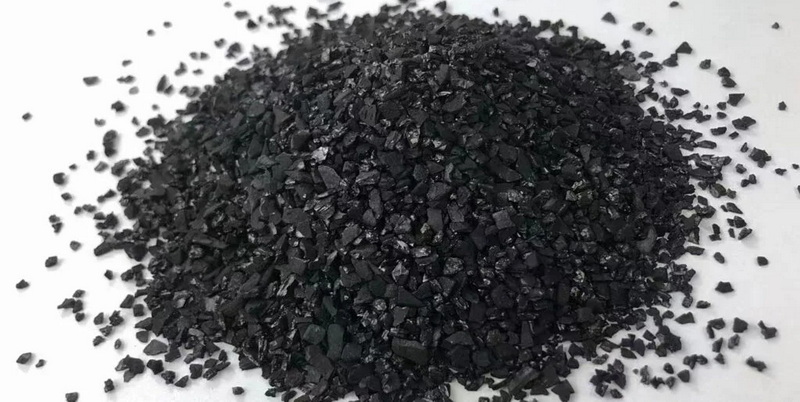
Activated carbon is a specially processed carbon material with an extremely porous structure and very high internal surface area, often exceeding 1,000 square meters per gram. These microscopic pores allow activated carbon to adsorb a wide range of contaminants from water, including chlorine, volatile organic compounds (VOCs), pesticides, some industrial chemicals, and many taste‑ and odor‑forming substances.
Activated carbon is produced from carbon‑rich raw materials such as coconut shells, coal, or wood through a high‑temperature activation process. During activation, the structure of the carbon is opened up to create millions of micro‑ and mesopores that become active sites for adsorption. Thanks to this unique structure, a small amount of activated carbon can treat a large volume of water when applied correctly.
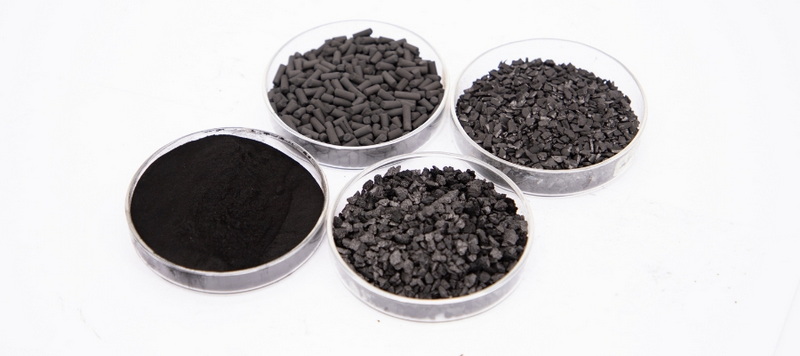
Activated carbon for water treatment is usually supplied in three main forms: granular activated carbon (GAC), powdered activated carbon (PAC), and extruded or block activated carbon. Each form is optimized for specific systems and performance requirements, from simple pitcher filters to large industrial columns.
When water passes through a bed or block of activated carbon, contaminants are removed mainly by adsorption, where molecules adhere to the surface of the carbon rather than being absorbed into its bulk. The massive internal surface area and pore network in activated carbon create countless active sites that attract and trap dissolved organic chemicals and some inorganic substances.
As water flows through an activated carbon filter, contaminants such as chlorine, VOCs, and other organic micro‑pollutants are drawn into the pores and held on the carbon surface. Physical forces such as van der Waals interactions, hydrophobic interactions, and a variety of surface chemical interactions all contribute to this strong attachment.
Over time, the adsorption sites in activated carbon become saturated. Once an activated carbon filter reaches its capacity, it can no longer effectively trap additional contaminants. At this stage, the activated carbon must be replaced, or in large industrial systems, thermally regenerated, to restore its adsorption performance.
Granular activated carbon consists of relatively large, irregular granules. GAC is widely used in:
- Whole‑house filters and point‑of‑entry systems
- Industrial activated carbon columns for continuous treatment
- Municipal water treatment plants that use activated carbon for advanced purification
GAC beds allow water to flow through relatively freely while still providing sufficient contact time with the activated carbon surface. The depth of the GAC bed, flow rate, and empty bed contact time are critical parameters that determine how effectively the activated carbon removes contaminants.
Powdered activated carbon has a much smaller particle size and therefore an extremely high external surface area. PAC is usually dosed directly into water as a slurry in:
- Municipal drinking water plants
- Industrial process water treatment
- Short‑term or emergency water treatment situations
After contact with the contaminated water, PAC is typically removed during clarification or filtration steps. PAC allows operators to adjust the activated carbon dose based on seasonal changes or sudden contamination events.
Activated carbon block filters are made by compressing powdered activated carbon with a binder into a dense solid structure. Water is forced to pass through the fine pores of the block, which significantly increases contact time and can provide a degree of mechanical filtration.
Carbon block filters are popular in:
- Under‑sink drinking water systems
- Countertop and faucet‑mounted filters
- Refrigerator filters and compact point‑of‑use systems
Because of their structure, activated carbon block filters can achieve very high removal efficiencies for chlorine, many organic chemicals, and taste‑ and odor‑forming substances, especially at the relatively low flow rates typical of household use.
Activated carbon water filters are highly popular because they offer a strong balance of performance, cost, and convenience.
Key advantages include:
- Effective removal of chlorine, chloramine (with catalytic activated carbon), and many organic chemicals
- Significant improvement in taste, odor, and appearance of drinking water
- Passive operation: activated carbon filtration usually requires no electricity or moving parts
- Flexible configurations, from simple pitchers to sophisticated industrial activated carbon systems
- Compatibility with other technologies such as sediment filters, reverse osmosis, and UV disinfection
Activated carbon is also environmentally friendly when produced from renewable materials like coconut shells. Many water treatment systems use coconut‑based activated carbon due to its fine pore structure and sustainable origin.
Despite its strengths, activated carbon does not solve every water quality problem. Understanding its limitations is essential for designing a safe filtration system.
Typical limitations of activated carbon include:
- Limited or no removal of dissolved minerals responsible for hardness, such as calcium and magnesium
- Poor removal of many inorganic ions such as nitrates, sulfates, and certain heavy metals, unless combined with other media
- Inconsistent removal of bacteria, viruses, and protozoa using standard activated carbon alone
- Dependence on contact time, flow rate, and contaminant concentration
For comprehensive protection, activated carbon is often paired with technologies such as ion exchange resins, reverse osmosis membranes, UV systems, or ceramic filters. In many multi‑stage systems, activated carbon serves as a crucial stage but not the only treatment barrier.
The exact procedure for using activated carbon to filter water depends on your system, but the core steps are similar across pitchers, faucet‑mounted units, under‑sink cartridges, and whole‑house GAC systems.
Before selecting an activated carbon system, it is important to understand what is in your water. You can:
- Review your municipal water quality report
- Use home test kits for basic parameters such as chlorine, hardness, and pH
- Send samples to a certified laboratory if you suspect specific contaminants
Activated carbon is especially effective if you are mainly concerned about chlorine, taste, odor, and many organic chemicals. If testing reveals high levels of nitrates, arsenic, fluoride, or microbiological contamination, you will need additional treatment technologies beyond activated carbon.
For household use, common options include:
- Pitcher filters using activated carbon cartridges
- Faucet‑mounted activated carbon filters
- Under‑sink activated carbon block systems with dedicated drinking water faucets
- Whole‑house GAC systems installed on the main line
When choosing an activated carbon system, consider:
- Certified performance claims for specific contaminants
- Filter capacity and recommended replacement interval
- Flow rate and contact time through the activated carbon media
- Installation complexity and available space
For industrial or commercial applications, a professional design is usually needed to size activated carbon columns correctly and to integrate them into existing treatment trains.
Always follow the manufacturer's instructions when installing an activated carbon filter. Typical steps include:
- Shutting off the water supply before installing an under‑sink or whole‑house activated carbon unit
- Mounting the filter housing securely and aligning the inlet and outlet ports
- Installing activated carbon cartridges or filling GAC housings according to the indicated flow direction
- Checking that all O‑rings, seals, and connections are properly seated to prevent leaks
After installation, it is standard practice to flush the activated carbon filter by running water through it for several minutes. This step removes air and loose carbon fines, preventing black particles from appearing in the water during initial use.
To get the best performance from activated carbon:
- Use cold or room‑temperature water only; hot water can damage some activated carbon cartridges and reduce adsorption efficiency
- Keep flow rates within the recommended range for the activated carbon unit so that contact time is sufficient
- Avoid sudden pressure surges that could disturb the activated carbon bed or cause channeling in GAC systems
If your incoming water is turbid or contains a lot of sediment, install a pre‑filter. Sediment pre‑filtration protects the activated carbon from clogging and extends the life of the media.
Over time, the pores of activated carbon fill with contaminants and lose their adsorption capacity. Proper maintenance involves:
- Replacing activated carbon cartridges according to the rated capacity or recommended schedule, often every 6 to 12 months in household systems
- Monitoring changes in taste, odor, or visible water quality as early warning signs that the activated carbon media is exhausted
- For large GAC vessels, arranging periodic media replacement or professional regeneration
Neglecting replacement can lead not only to reduced removal efficiency but also to the risk of previously adsorbed contaminants being released back into the water. Regular maintenance ensures that your activated carbon system continues to provide reliable water treatment.
For educational use or as a short‑term emergency solution, it is possible to build a simple gravity‑fed filter that uses activated carbon together with other layers of media. While this type of filter can improve clarity, taste, and odor, it should not be considered a complete disinfection barrier.
A basic DIY activated carbon filter can be made using:
- A clean plastic bottle or container with the bottom removed
- Cloth or coffee filters to hold the media in place
- A layer of granular activated carbon
- Additional layers of clean sand and gravel above the activated carbon
Water is poured slowly through the filter and collected from the outlet end. After treatment with this simple activated carbon system, the water should still be boiled or disinfected by other means if microbiological contamination is possible. This approach demonstrates the principles of activated carbon adsorption and can provide partial improvement in difficult situations.
Activated carbon is particularly effective at removing:
- Chlorine and many chlorination by‑products responsible for taste and odor
- A wide range of VOCs, pesticides, herbicides, and industrial organic chemicals
- Some disinfection by‑products such as trihalomethanes (THMs)
- Hydrogen sulfide odor and some other nuisance compounds in specific configurations
When designed correctly and used within its capacity, an activated carbon filter can dramatically improve the aesthetic and chemical quality of drinking water.
However, standard activated carbon is not a universal solution. It does not reliably remove:
- Dissolved minerals that cause hardness (calcium, magnesium)
- Many inorganic ions such as nitrates, fluorides, and sulfates
- Most heavy metals unless combined with special media or additives
- Bacteria, viruses, and protozoa, unless the filter integrates additional physical or chemical barriers
Because of these limits, activated carbon is most powerful as part of a multi‑stage system rather than as a stand‑alone treatment when dealing with complex contamination.
In homes, offices, hotels, and restaurants, activated carbon filters are widely used to:
- Improve the taste and smell of municipal tap water
- Protect appliances by removing chlorine and chemical oxidants
- Provide clean water for cooking, coffee, tea, and ice
Pitcher filters, faucet‑mounted devices, under‑sink cartridges, and whole‑house GAC systems all rely on activated carbon media. Many reverse osmosis and ultrafiltration systems also include one or more activated carbon stages to protect and complement membrane treatment.
In industrial and municipal contexts, activated carbon plays multiple roles:
- Polishing step after conventional treatment to remove trace organic contaminants
- Protection of RO membranes by removing oxidizing agents such as chlorine or chloramine
- Process water conditioning in food and beverage plants, pharmaceutical manufacturing, chemical production, and electronics industries
Granular activated carbon filters and PAC dosing systems are standard components in advanced water treatment facilities. These activated carbon installations are carefully engineered based on expected contaminant loads and required effluent quality.
To make the most of activated carbon in any system, follow these best practices:
- Ensure adequate contact time by maintaining recommended flow rates and sizing the activated carbon bed appropriately
- Use sediment pre‑filtration to prevent clogging and to protect the activated carbon media
- Choose certified activated carbon products with documented performance for the contaminants of concern
- Monitor water quality regularly, especially when activated carbon is used to treat hazardous contaminants
- Replace or regenerate activated carbon media on schedule rather than waiting for obvious taste or odor problems
By combining sound system design with disciplined maintenance, activated carbon filtration can provide long‑lasting and dependable protection for drinking and process water.
Activated carbon is a powerful, versatile, and proven medium for filtering water in both residential and industrial settings. Its enormous internal surface area and complex pore structure enable activated carbon to adsorb a wide variety of organic contaminants, chlorine, and taste‑ and odor‑forming chemicals, greatly improving water quality.
However, successful use of activated carbon depends on proper system selection, correct installation, appropriate flow conditions, and timely replacement or regeneration of the media. Activated carbon works best as part of a complete treatment strategy that addresses all relevant contaminants, including those that activated carbon alone cannot remove. When applied with these principles in mind, activated carbon water filtration provides a cost‑effective and reliable route to cleaner, safer, and better‑tasting water.
Contact us to get more information!
Activated carbon cleans water mainly through adsorption. As water passes through the activated carbon's pores, molecules such as chlorine, VOCs, and many organic pollutants are attracted to and held on the internal surface of the carbon. This process removes these substances from the water and leaves it cleaner, clearer, and better‑tasting.
Activated carbon alone is not always enough to make heavily contaminated or microbiologically unsafe water potable. While it is excellent for removing many chemicals and improving taste and odor, it does not reliably remove pathogens or many dissolved inorganic ions. For complete safety, activated carbon is often combined with disinfection methods, reverse osmosis, ion exchange, or other technologies designed for specific contaminants.
The replacement interval depends on the type and size of the filter, the quality of incoming water, and how much water you use. Many household activated carbon cartridges are designed to last between six months and one year, but they may need replacement sooner if contaminant levels or usage are high. Following the manufacturer's guidelines and paying attention to changes in taste or odor will help you decide when to renew your activated carbon media.
Granular activated carbon (GAC) filters use loose granules that allow relatively high flow rates and are common in whole‑house and larger point‑of‑entry systems. Carbon block filters compress powdered activated carbon into a solid block, which forces water through small channels and increases contact time. Carbon block filters are often used in compact point‑of‑use systems where high contaminant removal performance is desired in a small package.
Regeneration of activated carbon typically requires controlled high‑temperature treatment or specialized chemical processes, which are not practical or safe to perform at home. For residential systems, the best practice is to replace spent cartridges or GAC media with fresh activated carbon according to the manufacturer's recommendations. Industrial facilities may use professional regeneration services for large volumes of activated carbon.
1. https://www.freshwatersystems.com/blogs/blog/activated-carbon-filters-101
2. https://www.health.state.mn.us/communities/environment/hazardous/topics/gac.html
3. https://www.rbhltd.com/market-news/activated-carbon-for-water-filtration-how-does-it-work/
4. https://tappwater.co/blogs/blog/what-activated-carbon-filters-remove
5. https://extension.purdue.edu/extmedia/WQ/WQ-13.html
6. https://www.instructables.com/Water-Purification-Through-Activated-Carbon/
7. https://puragen.com/uk/insights/how-does-activated-carbon-filter-water/
8. https://www.skillingsandsons.com/blog/using-granular-activated-carbon-to-filter-water-contaminants/
9. https://ionexchangeglobal.com/how-an-activated-carbon-filter-cleans-water/
10. https://en.wikipedia.org/wiki/Carbon_filtering
11. https://www.expresswater.com/products/granular-activated-carbon-whole-house
12. https://publications.mgcafe.uky.edu/sites/publications.ca.uky.edu/files/ip6.htm


