Content Menu
● What Activated Carbon Does in a Pond
● How Activated Carbon Works in Pond Water
● General Dosing Rules for Ponds
● Step‑by‑Step: How to Calculate Pond Carbon Amount
>> 1. Measure pond volume
>> 2. Choose a dosing target
>> 3. Perform the calculation
>> 4. Adjust for stocking level and contamination
● Placement of Activated Carbon in Pond Filtration
● How Long Activated Carbon Lasts in a Pond
● When Extra Activated Carbon Is Needed
● Risks of Using Too Much or Too Little Activated Carbon
● Practical Examples for Common Pond Sizes
>> Small 500‑gallon ornamental pond
>> Medium 1,500‑gallon koi pond
>> Large 5,000‑gallon landscaping pond
● Tips for Using Activated Carbon Effectively
● How Activated Carbon Interacts with Other Pond Treatments
● Common Types of Activated Carbon for Pond Use
● Best Practices for Pond Owners Using Activated Carbon
● Conclusion
● FAQ – How Much Activated Carbon for Pond
>> (1) How do I calculate how much activated carbon my pond needs?
>> (2) How often should I replace activated carbon in a pond?
>> (3) Is activated carbon safe for koi and pond plants at typical doses?
>> (4) Can activated carbon replace my biological filter in a pond?
>> (5) Should I use activated carbon all year or only when the pond looks dirty?
● Citations:
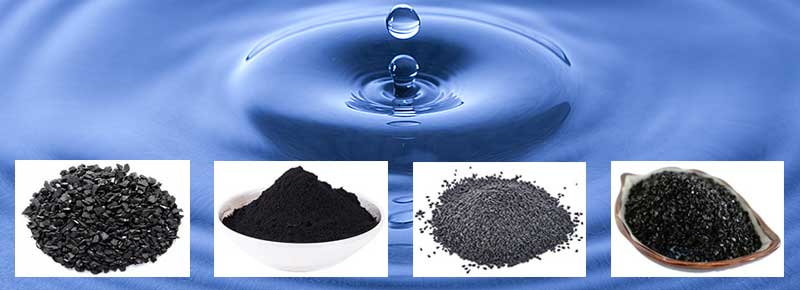
Using the right amount of activated carbon for a pond is critical to clear water, stable water quality, and a healthy environment for koi and other fish. Recommended activated carbon doses for ponds typically range from about 0.5–6 pounds per 1,000 gallons (approximately 0.25–3 kg per 4,000 liters), depending on how discolored or contaminated the pond water is and what treatment goal the pond owner has.
What Activated Carbon Does in a Pond
Activated carbon is a highly porous adsorbent that removes dissolved organics, tannins, odors, residual medications, and trace contaminants from pond water.
- It helps transform brown “tea‑colored” water caused by tannins into clear water by adsorbing these dissolved organic molecules.
- Activated carbon can also remove residual pond medications, some pesticides, and chlorine or chloramines when incoming water passes through the carbon media.
In a pond system, activated carbon is mainly a chemical filtration stage that complements mechanical and biological filtration but does not replace biofilters or plants for nitrification and nutrient control.
How Activated Carbon Works in Pond Water
Activated carbon works through adsorption, not absorption, which means dissolved substances stick to the internal surface of the activated carbon granules instead of being soaked into a bulk material.
- The internal pore structure of activated carbon provides an enormous surface area, often hundreds to more than a thousand square meters per gram, which gives activated carbon a very high capacity for trapping dissolved organic molecules.
- Many of the substances that make pond water yellow, brown, or smelly are organic compounds with relatively large molecular size, and activated carbon is especially effective at capturing these molecules in its pores.
In addition to simple physical adsorption, some activated carbon grades also support catalytic reactions that help break down chloramine and other reactive chemicals, further improving pond water quality.
General Dosing Rules for Ponds
Different manufacturers offer slightly different dosage recommendations for activated carbon in ponds, but several clear patterns are widely used in practice.
- Many pond product guidelines recommend approximately 4–6 pounds of activated carbon per 1,000 gallons of pond water for general water clarification in typical ornamental ponds.
- Other recommendations suggest about 5 pounds of activated carbon per 1,000 gallons as a practical rule of thumb for removing tea‑colored tannins and general impurities.
- Lower doses such as 0.5–2 pounds per 1,000 gallons are sometimes used for mild discoloration, with higher doses reserved for heavily stained water or targeted chemical removal.
For smaller ponds or when measuring by volume, a common aquarium‑style rule is about 1/8 cup of granular activated carbon per 10 gallons of water, which corresponds to roughly 1 cup per 80 gallons and can be scaled upward to pond volumes.
Step‑by‑Step: How to Calculate Pond Carbon Amount
To decide how much activated carbon is suitable for a specific pond, pond owners need to know the approximate pond volume and then apply a chosen dosage range.
1. Measure pond volume
- Measure length, width, and average depth of the pond in feet.
- Use the common conversion formula:
- Pond gallons ≈ length (ft) × width (ft) × average depth (ft) × 7.48.
If the pond has irregular shapes or shelves, calculate volumes for separate sections and add them together, or take an average of several depth measurements for a more realistic average depth.
2. Choose a dosing target
- For moderate discoloration or general polishing, many pond keepers use about 4–5 pounds of activated carbon per 1,000 gallons.
- For severe discoloration, strong odors, or removal of residual chemicals, doses up to around 6 pounds per 1,000 gallons are commonly applied with careful observation of water conditions.
Short‑term intensive treatments usually use the upper part of the range, while long‑term maintenance and polishing use the lower or middle part of the range.
3. Perform the calculation
- Example A: a 3,000‑gallon koi pond with brown water from tannins may need about 15 pounds of activated carbon at 5 pounds per 1,000 gallons.
- Example B: a lightly stocked 1,000‑gallon garden pond with only slight discoloration might start with 0.5–1 pound of activated carbon as a mild polishing dose, and then increase gradually if the visual effect is not sufficient.
This approach gives pond owners a flexible way to tune the activated carbon dose based on actual results instead of relying only on fixed numbers.
4. Adjust for stocking level and contamination
- Heavily stocked koi ponds with frequent feeding and high organic load typically need more activated carbon for the same volume than lightly stocked ornamental ponds.
- Ponds that receive a lot of falling leaves, dust, or run‑off may also require stronger activated carbon dosing or more frequent replacement to maintain good clarity.
Because every pond is unique, the initial dose of activated carbon should be treated as a starting point that can be adjusted over time.
Placement of Activated Carbon in Pond Filtration
The effectiveness of activated carbon in a pond does not depend only on how much is used; placement and water flow are equally important.
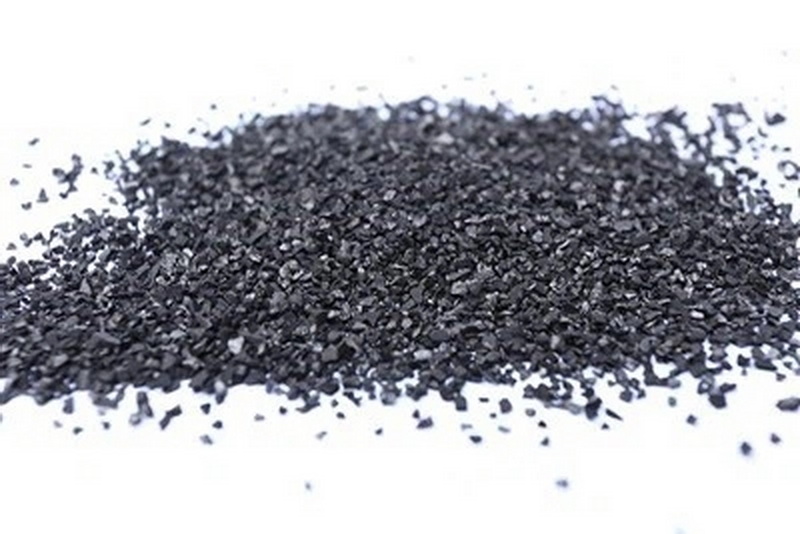
- Activated carbon should be placed in a fine mesh filter bag or dedicated media pouch to prevent small carbon particles from spreading through the pond.
- The mesh bag is usually positioned in areas of strong water circulation such as pond skimmers, waterfall boxes, biofalls, or external pressure filters connected to the main pump.
When pond water is forced to flow through or across the activated carbon media, contact between the dissolved contaminants and the internal surface of the activated carbon is maximized, which greatly improves adsorption efficiency.
How Long Activated Carbon Lasts in a Pond
Activated carbon in pond systems gradually becomes saturated as its internal pore structure fills with adsorbed contaminants.
- Under typical conditions, many pond keepers replace activated carbon every 2–3 months as part of seasonal maintenance routines.
- When activated carbon is used for heavy cleaning after medication, chemical spills, or extreme discoloration, it may be used only for a shorter period such as a few weeks, then discarded and replaced with fresh activated carbon if needed.
Since saturation is not visible, practical indicators include the return of yellow or brown color, renewed odors, or a noticeable decline in water clarity after previously good performance.
When Extra Activated Carbon Is Needed
In some situations, normal activated carbon dosing may not be enough to achieve the required water quality, and pond keepers may temporarily increase the amount of activated carbon.
- After heavy storms or large inflows of organic debris, tannins and dissolved organics can spike, and additional activated carbon helps restore clarity faster.
- After treatment with certain medications, extra activated carbon is often used to strip residual drug compounds from the pond water once the treatment period is over.
In these cases, activated carbon is used as an intensive recovery tool, working alongside partial water changes and debris removal to stabilize the pond.
Risks of Using Too Much or Too Little Activated Carbon
Both insufficient and excessive use of activated carbon in ponds can cause practical issues, even though activated carbon itself is generally safe.
- If too little activated carbon is used, pond water may remain tea‑colored, odors can persist, and residual chemicals may not be fully removed, especially in heavily stocked ponds.
- Using far more activated carbon than necessary increases cost and may capture certain beneficial trace compounds without offering proportionally better water clarity.
Moderate overdosing is usually not dangerous for fish or plants, but a balanced approach saves money and encourages proper attention to mechanical and biological filtration.
Practical Examples for Common Pond Sizes
Real‑world examples make it easier for pond owners to understand how much activated carbon to use for different pond volumes and conditions.
Small 500‑gallon ornamental pond
- With light fish load and mild discoloration, a reasonable starting point is about 2–2.5 pounds of activated carbon (equivalent to about 4–5 pounds per 1,000 gallons).
- If water remains discolored after one to two weeks, the amount of activated carbon can be increased to around 3 pounds, and the results monitored closely.
Medium 1,500‑gallon koi pond
- For a moderately stocked koi pond, a practical starting dose is about 7.5 pounds of activated carbon (5 pounds per 1,000 gallons).
- In cases of heavy organic load or after medication use, the activated carbon may be temporarily increased to around 9 pounds (6 pounds per 1,000 gallons) while fish behavior and water clarity are carefully observed.
Large 5,000‑gallon landscaping pond
- Large ponds with waterfalls or streams often benefit from distributing activated carbon pouches in multiple high‑flow locations instead of one large bag.
- Using 5 pounds of activated carbon per 1,000 gallons, a total of about 25 pounds can be split into several mesh bags placed in skimmers, waterfall boxes, and biofalls to ensure good contact with circulating water.
These examples show how activated carbon scales with pond size and how total carbon mass can be distributed to achieve effective water polishing.
Tips for Using Activated Carbon Effectively
Several simple practices can significantly improve the performance of activated carbon in pond systems and help owners get the most out of each batch.
- Activated carbon should be thoroughly rinsed in clean pond water or dechlorinated water before use to remove dust and fines that might temporarily cloud the pond.
- Activated carbon works best as the final polishing stage in a filtration chain, after coarse and fine mechanical filtration and biological media.
- Activated carbon should be removed or bypassed during medication if the product label warns that carbon will remove the active ingredients, and fresh activated carbon should be added only after the full treatment course is finished.
Consistent observation of fish behavior, water clarity, and basic water chemistry helps pond owners fine‑tune the amount and replacement frequency of activated carbon.
How Activated Carbon Interacts with Other Pond Treatments
Activated carbon does not operate in isolation; it interacts with many other pond treatments and water parameters.
- Activated carbon does not remove hardness minerals such as calcium and magnesium, so it does not soften water in the technical sense, although it may slightly influence perceived water feel by removing organic films.
- Activated carbon does not directly remove nitrate, so long‑term control of algae and nutrient levels still requires biological filtration, water changes, plants, or other nitrate‑management strategies.
Because of these limitations, activated carbon should be viewed as a powerful tool for clarity and chemical polishing, not as a complete solution for every water quality issue.
Common Types of Activated Carbon for Pond Use
Different activated carbon types can be used in ponds, and each has practical advantages.
- Bituminous coal‑based activated carbon
- Often supplied as granular activated carbon with good hardness and a versatile pore structure that works well for many pond applications.
- Widely used because it offers a good balance between cost, performance, and durability in flowing water.
- Coconut shell activated carbon
- Provides a high micro‑pore content, which offers strong adsorption of many organic molecules and chlorine‑type compounds.
- Often preferred when very clear, polished water is required and when long service life and low dust are important.
- Wood‑based activated carbon
- Contains more mesopores and macropores, which can be useful for larger organic molecules and certain industrial applications, although it is less common in hobby ponds.
- Sometimes used in specialized pond filters when specific color bodies or large organic compounds are a concern.
All of these activated carbon types can be successfully used if they are of high quality, properly rinsed, and sized correctly for the filter.
Best Practices for Pond Owners Using Activated Carbon
To get consistent results, pond owners can follow a few best‑practice guidelines when using activated carbon.
- Choose activated carbon products specifically labeled for ponds or aquariums to avoid contaminants that might harm fish.
- Avoid reusing exhausted activated carbon, because its adsorption capacity is greatly reduced and it may release fine particles back into the water.
- Combine activated carbon use with good pond management practices such as removing decaying leaves, avoiding overfeeding, and maintaining filters.
By integrating activated carbon into an overall pond care strategy, pond owners can maintain stable, attractive water conditions while keeping fish healthy.
Conclusion
For most ponds, a practical working range is about 4–6 pounds of activated carbon per 1,000 gallons of pond water, with lower doses used for light polishing and higher doses reserved for heavy discoloration or chemical cleanup. Activated carbon should always be placed in mesh bags or media cartridges in high‑flow areas so that pond water is forced through the activated carbon and can fully benefit from its adsorption capacity.
Regular replacement of saturated activated carbon, combined with strong mechanical and biological filtration, good feeding practices, and seasonal maintenance, provides a balanced approach to pond care. When used correctly, activated carbon helps keep pond water clear, odor‑free, and visually appealing while supporting a safe and comfortable environment for koi, goldfish, and other pond life.
Contact us to get more information!
FAQ – How Much Activated Carbon for Pond
(1) How do I calculate how much activated carbon my pond needs?
To calculate how much activated carbon is required, first estimate pond volume using the formula length × width × average depth × 7.48 to get gallons, then apply a dosing rule such as 4–6 pounds of activated carbon per 1,000 gallons. For lightly stocked ponds or mild discoloration, starting at the lower end and adjusting upward based on results is usually a safe approach.
(2) How often should I replace activated carbon in a pond?
Under normal conditions, most pond owners replace activated carbon every 2–3 months or at least once per season, because the pores become saturated with dissolved contaminants over time. When activated carbon is used for intensive treatment after medication or severe pollution, it is often replaced after just a few weeks to ensure that adsorption performance remains high.
(3) Is activated carbon safe for koi and pond plants at typical doses?
At typical dosing levels such as 4–6 pounds of activated carbon per 1,000 gallons, high‑quality granular activated carbon is generally safe for koi, goldfish, and aquatic plants. Problems usually arise only when activated carbon is used to replace biological filtration or when medication instructions are ignored and important treatments are removed from the water prematurely.
(4) Can activated carbon replace my biological filter in a pond?
Activated carbon cannot replace biological filtration because it does not convert ammonia and nitrite to less harmful nitrate; instead, it mainly adsorbs organic molecules and some chemicals. A stable pond needs mechanical filtration to remove solids, biological filtration to handle nitrogen waste, and chemical filtration such as activated carbon to polish the water and remove dissolved organics.
(5) Should I use activated carbon all year or only when the pond looks dirty?
Some pond keepers run a moderate amount of activated carbon throughout the main season, especially in heavily stocked or show ponds, while others use it mainly when water looks brown, smells bad, or after particular events like medication or heavy rain. The best approach is to treat activated carbon as a flexible tool, increasing or decreasing the amount according to water clarity, fish load, season, and specific treatment needs.
Citations:
1. https://www.aquascapeinc.com
2. https://www.thepondguy.com
3. https://sweetwaterponds.com
4. https://purelyponds.com
5. https://aquascape-usa.com
6. https://www.aquaticexperts.com
7. https://www.koiphen.com
8. https://www.koiforum.uk
9. https://playitkoi.com


