Content Menu
● What Are Microplastics?
● How Activated Carbon Works
● Can Activated Carbon Remove Microplastics?
>> Mechanisms of microplastic removal
>> Efficiency and influencing factors
● GAC vs Carbon Block for Microplastics
>> Granular activated carbon (GAC)
>> Carbon block filters
● Activated Carbon in Multi‑Stage Microplastic Treatment
>> Role in municipal and industrial plants
>> Combining activated carbon with membranes
● Application Scenarios for Activated Carbon and Microplastics
>> Household and commercial drinking water
>> Industrial and municipal water treatment
>> Aquaculture and sensitive processes
● Limitations of Activated Carbon for Microplastics
● Design Tips for Activated Carbon Microplastic Filtration
● Conclusion
● FAQ – Does Activated Carbon Remove Microplastics?
>> (1) How effective is activated carbon at removing microplastics?
>> (2) Do all activated carbon filters remove microplastics equally well?
>> (3) Is activated carbon enough on its own to make water microplastic‑free?
>> (4) How should an activated carbon system be designed for microplastic removal?
>> (5) How often should activated carbon be replaced when treating microplastics?
● Citations:
Activated carbon can remove a large share of microplastics from water, especially when used as granular activated carbon (GAC) or carbon block media with fine pore size in well‑designed filtration systems. However, activated carbon usually works best as part of a multi‑stage treatment train, combining adsorption with physical filtration or membranes to reach very high microplastic removal efficiencies.[1][2][3][4][5]
What Are Microplastics?
Microplastics are tiny plastic particles generally smaller than 5 mm that originate from degraded plastic waste, synthetic fibers, microbeads and industrial processes. They are now found in rivers, lakes, oceans, tap water and even bottled water, creating growing concerns for human health and aquatic ecosystems.[2][6][7]
- Primary microplastics include microbeads in cosmetics and cleaning products, and industrial resin pellets used as raw materials.[6]
- Secondary microplastics come from fragmentation of larger items such as packaging, textiles and tires under UV, mechanical abrasion and weathering.[8][6]
Because microplastics can carry adsorbed chemicals and microorganisms on their surface, many regulators, utilities and industries are investing in activated carbon and other advanced treatment technologies to reduce exposure.[7][6]
How Activated Carbon Works
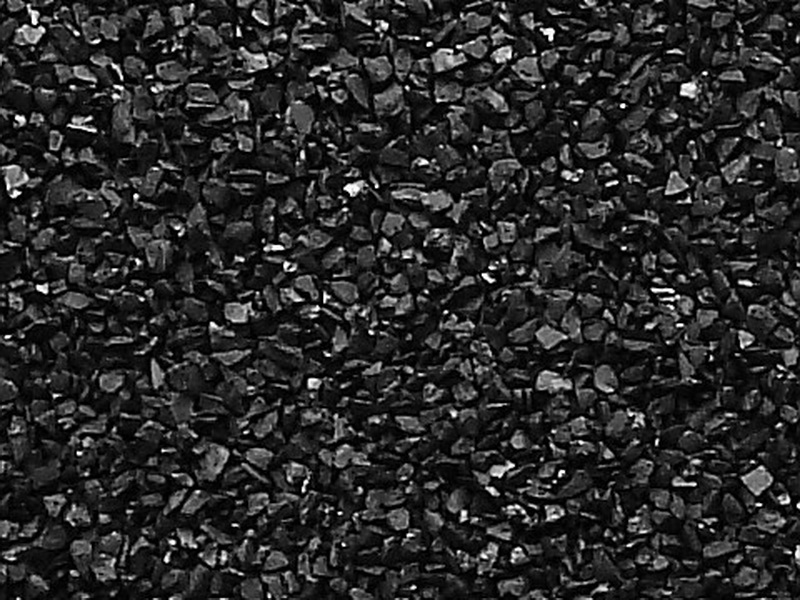
Activated carbon is a highly porous carbon material produced from coal, coconut shell, wood, or other biomass and then “activated” to create an enormous internal surface area and a network of micro‑, meso‑ and macropores. One teaspoon of high‑quality activated carbon can offer more internal surface area than a football field, making it extremely effective for adsorption.[9][8]
- Adsorption means contaminants are attracted to and held on the surface of the activated carbon, rather than absorbed into the bulk material.[4][9]
- In water treatment, activated carbon is widely used to remove organic chemicals, pesticides, taste and odor compounds, PFAS and many other micro‑pollutants.[9][4][8]
When water passes through an activated carbon bed or block, dissolved contaminants and a portion of suspended particles (including some microplastics) are captured either by adsorption or physical straining in the fine pore structure.[3][10][4]
Can Activated Carbon Remove Microplastics?
Mechanisms of microplastic removal
Activated carbon can reduce microplastics in two main ways: physical filtration/straining in the media bed and adsorption or attachment on the activated carbon surface.[11][1][6]
- Granular activated carbon beds can trap microplastic particles between granules or in tortuous flow channels, acting as a depth filter.[12][1][3]
- Carbon block filters, with very fine pore sizes (down to 0.5 µm in some products), can physically retain most microplastics suspended in water, and even a fraction of nanoplastics.[10][3][4]
Laboratory and column studies show that granular activated carbon can remove a high percentage of microplastics, with one study reporting up to about 95% removal at lower microplastic loadings when GAC is used as a column filter medium. Another review highlights that carbon‑based adsorbents, including activated carbon, are among the most promising materials for micro‑ and nano‑plastic removal due to their high surface area and tunable surface chemistry.[13][1][6][8]
Efficiency and influencing factors
The real microplastic removal efficiency of an activated carbon system depends strongly on design and operating conditions.[1][2][4]
Key factors include:
- Particle size of microplastics: finer plastics are harder to capture and may pass through coarse GAC beds, while carbon blocks with smaller pores can remove a broader size range.[3][11][4]
- Bed depth and contact time: longer GAC beds and optimized flow rates improve removal by increasing the probability that microplastics will be intercepted and retained.[14][1]
- Microplastic concentration: at high concentrations, GAC performance declines because the bed becomes overloaded and more particles break through the filter.[14][1]
Point‑of‑use drinking water studies comparing different household devices show that carbon‑based units can significantly reduce microplastics, but physical membrane filters often achieve the highest and most consistent removal.[5][2]
GAC vs Carbon Block for Microplastics
Granular activated carbon (GAC)
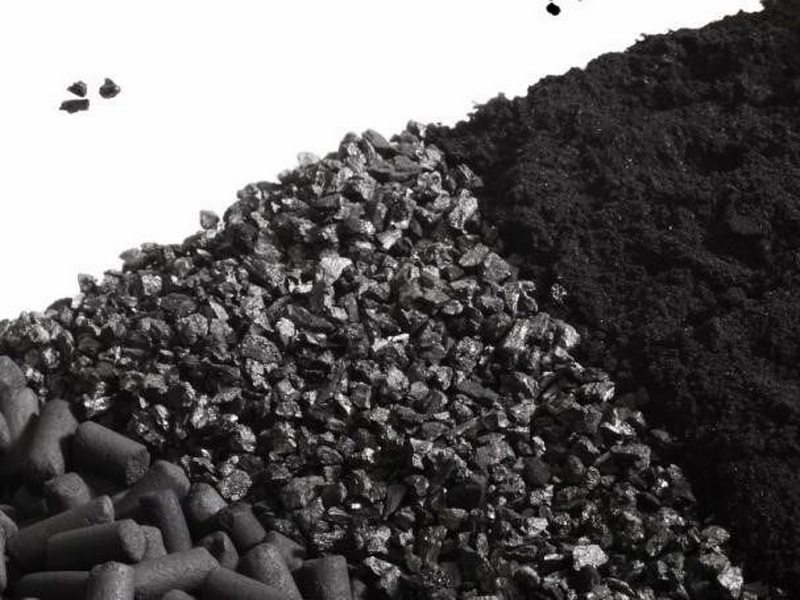
Granular activated carbon (GAC) consists of irregular particles typically used in deep beds in pressure filters or gravity filters. In microplastic removal, GAC behaves like a combined adsorbent and depth filter:[8][9]
- Column experiments with polypropylene microplastics of 40–48 µm achieved up to about 95% removal at moderate concentrations, but performance dropped to around 60% at higher microplastic loads.[13][1]
- Increasing GAC bed depth from 7.5 cm to about 15–17.5 cm improved removal to above 80–87% at constant microplastic concentration, confirming the importance of bed design.[1]
GAC offers advantages for large‑scale water plants: it handles high flows, can be thermally reactivated, and can be combined with sand or biofiltration to improve particle removal and microplastic capture.[7][14]
Carbon block filters
Carbon block filters compress activated carbon powder into a dense block with a controlled pore size, often down to 1 µm or even 0.5 µm for high‑end products.[4][10][3]
- Because of the fine pore structure, carbon block filters can remove very small particulates, including a majority of microplastics, and some nanoplastics, in addition to dissolved contaminants.[3][4]
- Consumer guidance documents show that point‑of‑use devices using activated carbon with fine pore ratings (1 µm or below) can be rated to reduce “Particulates, Class I,” which includes many microplastics.[10][4]
As a result, carbon block filters are often a strong choice for residential and commercial drinking water systems that need both chemical adsorption and microplastic reduction in a single cartridge.[4][10]

Activated Carbon in Multi‑Stage Microplastic Treatment
Role in municipal and industrial plants
Full‑scale drinking water plants and wastewater treatment facilities rely on multiple processes in series to achieve extremely high microplastic removal.[6][7]
- Studies across several drinking water facilities report overall microplastic removal above about 97%, mainly due to coagulation, flocculation, and granular media filtration (which can include GAC).[7]
- Wastewater studies demonstrate that using GAC columns as tertiary treatment improves microplastic capture, especially when bed design and microplastic loading are optimized.[14][1]
Activated carbon is therefore used either as a stand‑alone GAC filter or integrated with sand, anthracite, or biofilters to enhance removal of both dissolved organic compounds and suspended microplastics.[6][8][14]
Combining activated carbon with membranes
While activated carbon can capture many microplastics, physical membrane technologies (microfiltration, ultrafiltration, nanofiltration, reverse osmosis) often deliver the highest removal rates, especially for very small particles.[15][2][5]
- Point‑of‑use comparisons show that filters built primarily around membranes outperform simple carbon or ion‑exchange cartridges in microplastic removal, though activated carbon still contributes to overall contaminant reduction.[2][5]
- Some advanced systems combine activated carbon pre‑filters with downstream membranes: the activated carbon protects the membranes from fouling by organic compounds, while the membrane provides fine physical exclusion of microplastics and other particles.[16][2]
For industrial users, pairing activated carbon with membrane or coagulation steps can deliver robust long‑term microplastic control while also meeting chemical and taste/odor targets.[12][6][7]
Application Scenarios for Activated Carbon and Microplastics
Household and commercial drinking water
In homes, offices, restaurants and hotels, activated carbon is widely used in countertop pitchers, under‑sink cartridges and whole‑house filters.[10][4]
- Pour‑through and faucet‑mount devices using activated carbon can reduce microplastics, but their efficiency varies with pore size, contact time and cartridge quality.[2][4]
- Certifications targeting particulate removal (e.g., Class I particulates) and very fine micron ratings (1 µm or below) are good indicators that the activated carbon filter can help remove microplastics as well as chlorine and organic chemicals.[4][10]
Where microplastic risk is a major concern, combining an activated carbon filter with a dedicated membrane or a certified microplastic barrier gives higher security.[5][2]
Industrial and municipal water treatment
Industrial facilities and municipal utilities use large GAC contactors and mixed‑media filters to treat surface water, groundwater and process water.[14][7]
- Hardwood‑based and coconut‑based activated carbon materials have been evaluated as additives to sand filters, showing improved microplastic removal compared with sand alone.[17][14]
- Conversion of plastic waste into activated carbon has been explored as a sustainable way to produce high‑surface‑area adsorbents for microplastic removal, combining waste recycling with water purification.[18][17]
Customized granular activated carbon grades and filter designs allow operators to balance microplastic removal, organic contaminant control, head loss and operating cost.[8][14]
Aquaculture and sensitive processes
Aquaculture, pharmaceuticals, food & beverage and electronics manufacturing are increasingly interested in reducing microplastics to protect product quality and safety.[6][8]
- In such critical applications, activated carbon is often used upstream to remove organic contaminants and support biofiltration, then followed by tighter particle control (e.g., cartridge filters, UF or RO) for microplastics and fine solids.[7][6]
- Biomass‑derived activated carbon and advanced carbon composites are being researched to further improve microplastic adsorption, selectivity and regeneration.[17][6]
Limitations of Activated Carbon for Microplastics
Although activated carbon is a powerful tool, it is not a perfect or standalone solution for all microplastics.[5][1][2]
Key limitations:
- Very small microplastics and nanoplastics can pass through coarse GAC media, especially at high flow rates and low bed depth.[11][1][7]
- At high microplastic concentrations, GAC beds can become overloaded, causing efficiency to fall and pressure drop to increase.[1][14]
Guidance from independent studies and NGOs shows that filters relying purely on activated carbon and ion exchange are generally less effective for microplastics than those using dedicated physical membranes, although high‑quality carbon block filters narrow this gap. For critical applications, activated carbon should be combined with additional barriers to ensure robust removal across the full range of microplastic sizes.[2][5][7][4]
Design Tips for Activated Carbon Microplastic Filtration
When engineering or selecting an activated carbon system to help control microplastics, several design factors become especially important.[1][14][4]
Recommended practices:
- Choose appropriate activated carbon type: fine GAC or carbon block media with controlled pore size improve microplastic capture compared with very coarse GAC.[3][10][4]
- Increase bed depth and optimize flow: deeper beds and lower specific flux reduce microplastic breakthrough and enhance both adsorption and physical straining.[14][1]
- Use multi‑stage filtration: combine activated carbon with upstream coagulation/flocculation or sediment filters and downstream membrane or cartridge filters.[5][2][7]
- Monitor performance and replace media: microplastic accumulation and adsorbent saturation require regular monitoring of turbidity, particle counts or surrogate parameters and timely carbon replacement or reactivation.[12][1][14]
For buyers and engineers, working with experienced activated carbon manufacturers and system integrators helps align carbon selection, filter design and operating conditions with specific microplastic and contaminant profiles.[6][14]
Conclusion
Activated carbon does remove microplastics from water, especially when used as granular activated carbon beds or dense carbon block filters with fine pore sizes. However, the efficiency of activated carbon for microplastics depends strongly on particle size, bed design, microplastic loading, and how the activated carbon system is integrated with other treatment steps.[3][7][4][2][1]
In modern practice, activated carbon is a crucial component of multi‑barrier systems that include coagulation, granular media filtration and membranes, helping municipal, industrial and household users reduce both dissolved micro‑pollutants and suspended microplastics. By working with specialized activated carbon manufacturers and carefully designing filter media, bed depth and multi‑stage configurations, operators can build reliable, cost‑effective solutions for microplastic control in drinking water and industrial applications.[8][7][5][6][14]
FAQ – Does Activated Carbon Remove Microplastics?
(1) How effective is activated carbon at removing microplastics?
Activated carbon can achieve high removal rates for many microplastics, with GAC columns in laboratory studies showing up to about 95% removal at moderate microplastic concentrations. In real systems, overall performance depends on filter design, bed depth, microplastic size and concentration, and whether activated carbon is combined with other treatment steps.[13][7][2][1]
(2) Do all activated carbon filters remove microplastics equally well?
No, not all activated carbon filters perform the same for microplastic removal. Carbon block filters with fine pore sizes (around 1 µm or 0.5 µm) and certified particulate reduction usually capture more microplastics than basic granular activated carbon cartridges with coarse media and short contact time.[4][5][10][2][3]
(3) Is activated carbon enough on its own to make water microplastic‑free?
Activated carbon alone is usually not enough to guarantee completely microplastic‑free water, especially for very small microplastics and nanoplastics. The best practice is to use activated carbon as part of a multi‑stage treatment train that also includes coagulation, media filtration or membranes for additional physical removal.[11][7][5][2]
(4) How should an activated carbon system be designed for microplastic removal?
For microplastic control, activated carbon systems should use appropriately fine media, sufficient bed depth and optimized flow rates to maximize interception and adsorption. Combining activated carbon with upstream pre‑filters and downstream membrane or cartridge filters further improves microplastic removal and reduces the risk of breakthrough.[12][7][2][1][14]
(5) How often should activated carbon be replaced when treating microplastics?
Replacement frequency depends on microplastic concentration, water quality, flow rate and filter design. Operators should monitor parameters such as turbidity, particle counts and differential pressure, and replace or reactivate activated carbon when breakthrough or excessive head loss indicates that the bed is saturated or clogged with microplastics and other contaminants.[12][1][14]
Citations:
[1](https://pmc.ncbi.nlm.nih.gov/articles/PMC10653704/)
[2](https://pmc.ncbi.nlm.nih.gov/articles/PMC10054062/)
[3](https://www.youthstem2030.org/youth-stem-matters/read/the-filtration-of-microplastics-in-drinking-water)
[4](https://waterfilterguru.com/how-to-remove-microplastics-from-water/)
[5](https://www.plasticpollutioncoalition.org/resource-library/filters-that-remove-microplastics-from-water)
[6](https://www.oaepublish.com/articles/wecn.2023.74)
[7](https://www.nature.com/articles/s41545-025-00531-w)
[8](https://www.sciencedirect.com/science/article/pii/S2590123025025101)
[9](https://www.airscience.com/adsorption-vs-absorption-the-difference-for-carbon-filters)
[10](https://www.allfilters.com/blog/how-water-filters-work)
[11](https://www.sciencedirect.com/science/article/pii/S0048969721032460)
[12](https://sevenseaswater.com/removing-microplastics-from-water/)
[13](https://www.sciencedirect.com/science/article/pii/S2949839225000069)
[14](http://ui.adsabs.harvard.edu/abs/2025BiTeR..3002099G/abstract)
[15](https://uwaterloo.ca/news/media/scientists-can-now-remove-microplastics-our-water-94-cent)
[16](https://aqualogicnt.com/blogs/news/microplastics-in-your-water-how-multi-stage-carbon-filtration-protects-you-better-than-ro)
[17](https://aces.onlinelibrary.wiley.com/doi/10.1002/asia.202500346?af=R)
[18](https://pubs.acs.org/doi/10.1021/acssuschemeng.5c02073)
[19](https://www.tandfonline.com/doi/abs/10.1080/21655979.2023.2276391)
[20](https://www.reddit.com/r/water/comments/1fzggn7/can_i_filter_my_water_by_simply_using_a_piece_of/)


