Content Menu
● Does Activated Carbon Remove Fertilizers?
● How Activated Carbon Works
● Do Fertilizer Nutrients Bind to Activated Carbon?
● Special Cases – Phosphate, Nitrate and Pesticides
>> Phosphate and Nitrate Adsorption Nuances
>> Removal of Pesticides, Herbicides and Fertilizer Additives
● Practical Implications for Different Applications
>> In Aquariums and Aquatic Plant Systems
>> In Agriculture and Irrigation Water
>> In Industrial and Municipal Water Treatment
● Choosing the Right Activated Carbon for Fertilizer‑Related Systems
>> Common Forms of Activated Carbon
>> When to Combine Activated Carbon with Other Media
● Conclusion
● FAQ About Activated Carbon and Fertilizers
>> 1. Does activated carbon remove liquid plant fertilizers from aquarium water?
>> 2. Can activated carbon filters strip nitrate and phosphate from agricultural irrigation water?
>> 3. Why is activated carbon widely used in agriculture if it does not remove main fertilizer nutrients?
>> 4. Will continuous use of activated carbon harm plant growth?
>> 5. What type of activated carbon is best for fertilizer‑related water treatment?
● Citations:
Does activated carbon remove fertilizers? The accurate answer is: activated carbon does not significantly remove the main nutrient ions in most fertilizers, but it can adsorb many organic fertilizer additives, pesticides and other contaminants around them.[1][2][3]
Does Activated Carbon Remove Fertilizers?
Activated carbon is widely used in water treatment, aquariums, agriculture and industrial processes to remove organic pollutants, off‑odors and trace chemicals. Understanding whether activated carbon removes fertilizers requires looking at the chemistry of nutrients (like nitrate, phosphate and potassium) versus the organics that activated carbon is designed to capture.[4][5][3][1]
How Activated Carbon Works
Activated carbon is a highly porous carbon material with an enormous internal surface area, often exceeding 800–1200 m² per gram. Its porous network is filled with micro‑ and mesopores that create countless adsorption sites where dissolved molecules can attach via physical and chemical interactions.[6][7][3][8]
The main mechanisms include:
- Van der Waals forces and hydrophobic interactions with organic molecules.[3][6]
- Surface functional groups that can interact with certain polar or ionizable compounds depending on pH and water chemistry.[5][8]
- Size‑exclusion effects where molecules too large cannot enter the smallest pores, while very small ions may pass through with minimal interaction.[9][3]
Because of this, activated carbon is exceptionally effective at removing:
- Natural organic matter and dissolved organic carbon (DOC).[10][6]
- Pesticides, herbicides and many synthetic organic chemicals.[8][4]
- Taste and odor compounds, such as earthy/musty molecules and chlorine by‑products.[7][6]
Do Fertilizer Nutrients Bind to Activated Carbon?
Most plant fertilizers—whether in agriculture, hydroponics or aquariums—deliver nutrients primarily as small, inorganic ions such as nitrate (NO₃⁻), ammonium (NH₄⁺), phosphate (PO₄³⁻), potassium (K⁺), calcium (Ca²⁺), magnesium (Mg²⁺) and sulfate (SO₄²⁻). These ions are highly soluble and remain in the water as charged species that do not easily adsorb onto typical activated carbon surfaces.[11][1][5]
Key points:
- Aquarium and planted‑tank experts consistently note that standard activated carbon does not substantially remove common liquid fertilizers, because the nutrient ions are too small and too hydrophilic to be efficiently captured.[2][1]
- Guidance for aquarium hobbyists often explains that carbon will remove medications and some organics, but the fraction of liquid fertilizer removed is far lower than the amount plants actually consume.[12][13]
- Extension documents and water‑treatment references emphasize that activated carbon is primarily for organic compounds, not for bulk inorganic nutrients like nitrate and phosphate under normal operating conditions.[10][3]
As a result, in most practical scenarios:
- Nitrogen, phosphorus and potassium fertilizers remain available in the water and soil even when activated carbon filtration is present.[1][11]
- Routine use of activated carbon in planted systems is not considered a significant cause of nutrient deficiency, although it can remove dissolved organic carbon that sometimes contributes to carbon supply for plants.[14][2]
Special Cases – Phosphate, Nitrate and Pesticides
Although standard activated carbon is not optimized for nutrient removal, research and niche applications show important exceptions where certain nutrient‑related species can be partially removed.[15][5]
Phosphate and Nitrate Adsorption Nuances
Scientific studies on adsorption of phosphate and nitrate show that:
- Commercial activated carbon generally has low capacity for retaining phosphate, although capacity can increase at higher phosphate concentrations.[15][5]
- Nitrate adsorption on conventional activated carbon from water is usually limited compared with specialized sorbents like metal‑modified carbons or chitosan‑based composites.[9][15]
Advanced research has explored:
- Nanotechnology and activated carbon composites for enhanced phosphate adsorption, where modified carbon shows improved affinity for phosphate removal from water.[16][5]
- Doped chitosan and carbon‑containing composites that exhibit significantly higher capacities for nitrate and phosphate adsorption compared with unmodified commercial activated carbon.[15][9]
In practice:
- Standard granular activated carbon (GAC) in irrigation, drinking water or aquarium filters is not relied upon as a primary tool for nitrate or phosphate fertilizer removal.[11][1]
- Specialized engineered activated carbon materials or hybrid media may be used where targeted nutrient removal is required, such as treating agricultural runoff or advanced wastewater polishing.[5][8]
Removal of Pesticides, Herbicides and Fertilizer Additives
Where activated carbon truly excels is in removing organic contaminants often associated with fertilizer use, such as:
- Pesticides and herbicides applied to fields along with or near fertilizers.[4][9]
- Organic chelating agents, surfactants and additives in some specialty fertilizers and agricultural formulations.[8][4]
Agricultural and irrigation applications show that:
- Activated carbon filtration effectively removes residual pesticides, herbicides and many organic chemicals from irrigation water, protecting crops and soil from unintended exposure.[3][4]
- In wastewater and runoff treatment, activated carbon serves as a tertiary or polishing step to reduce micro‑contaminants, many of which are organic molecules related to modern agrochemicals.[8][9]
Thus, while activated carbon does not strip the main nutrient ions from fertilizers, it is a powerful tool to:
- Control associated organic pollutants in agricultural water.
- Improve the safety and environmental performance of fertilizer‑intensive operations.[4][8]
Practical Implications for Different Applications
The behavior of activated carbon and fertilizers varies by context: aquariums, agriculture, industrial water treatment and environmental protection.
In Aquariums and Aquatic Plant Systems
In planted aquariums:
- Technical articles and hobbyist resources emphasize that activated carbon does not remove most liquid fertilizers to any meaningful extent.[2][1]
- Carbon will, however, remove medications (such as malachite green and methylene blue) and a range of organic compounds, and it is often recommended when clearing the water after drug treatments.[17][1]
That means:
- Aquarists can usually dose macro‑ and micro‑nutrient fertilizers while running activated carbon without severe nutrient loss, although some trace organics may be reduced.[13][12]
- Continuous use of activated carbon may reduce dissolved organic carbon that certain plants use as a supplemental carbon source, which can subtly influence plant growth.[14][2]
In Agriculture and Irrigation Water
For agricultural irrigation systems:
- Activated carbon filtration is promoted as a smart solution for removing pesticides, herbicides, chlorine and organic pollutants from irrigation water.[4]
- Cleaner irrigation water supports healthier crops, better nutrient uptake and less stress on soil microorganisms, indirectly improving fertilizer efficiency.[8][4]
Key implications:
- Nutrient fertilizers in irrigation water usually pass through activated carbon largely intact, allowing farmers to maintain fertilization strategies while still cleaning the water of harmful organics.[3][4]
- Granular activated carbon (GAC), powdered activated carbon (PAC) and carbon block filters are selected based on flow rate, system size and maintenance requirements.[4]
In Industrial and Municipal Water Treatment
In industrial and municipal systems:
- Activated carbon is used to remove trace organic contaminants, taste and odor compounds, and residual disinfectants from drinking water and process water.[6][7]
- Wastewater treatment plants use activated carbon as a tertiary polishing step to reduce micro‑contaminants before discharge, including organic molecules from pharmaceuticals, industrial chemicals and some agrochemicals.[18][8]
For fertilizer‑related concerns:
- Activated carbon helps control organic pollutants that may accompany fertilizer production or use, but separate technologies (ion exchange, biological treatment, membrane filtration) are often needed for bulk removal of nitrate and phosphate.[5][10]
- Combining activated carbon with other processes enables comprehensive treatment where both organics and nutrient loads must be controlled.[5][8]
Choosing the Right Activated Carbon for Fertilizer‑Related Systems
Different types of activated carbon can be tailored to specific roles around fertilizers and agricultural water.
Common Forms of Activated Carbon
Typical forms include:
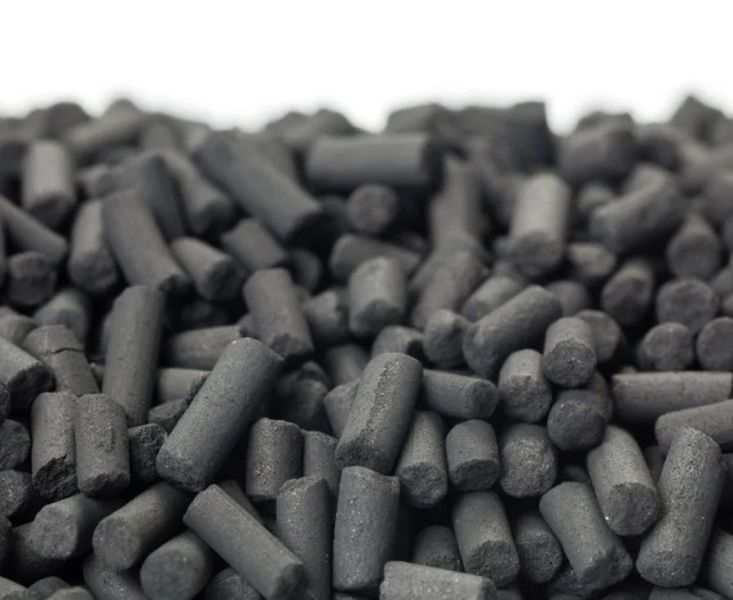
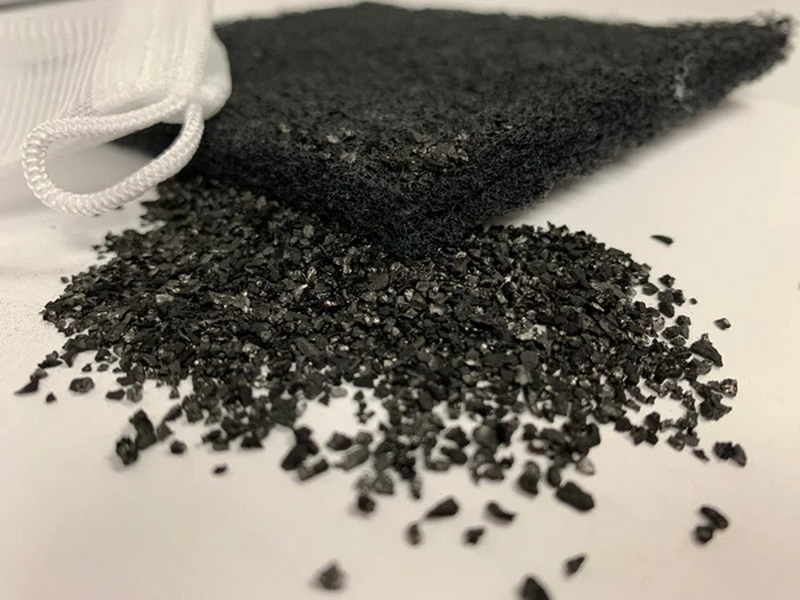
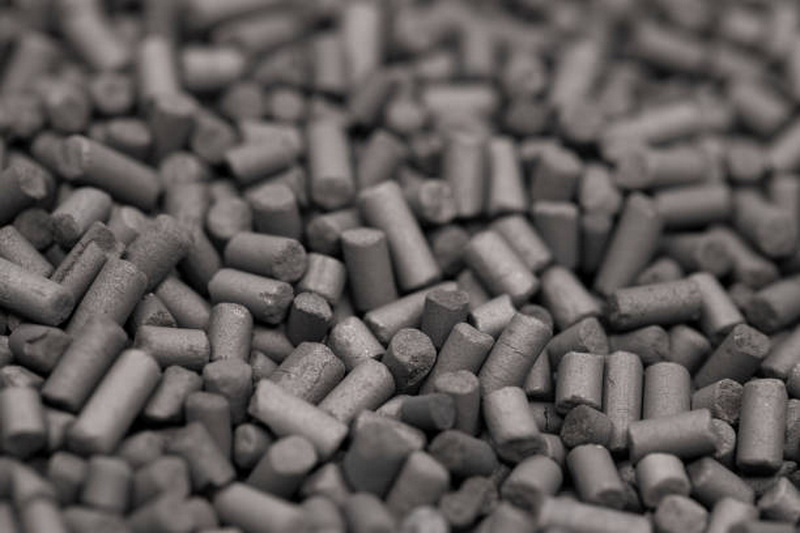
- Granular activated carbon (GAC): Coarse granules used in fixed‑bed filters for continuous flow systems such as irrigation, aquariums and industrial columns.[3][4]
- Powdered activated carbon (PAC): Fine powder dosed into water in batch or contact basins, then removed by sedimentation or filtration, often used in municipal treatment for seasonal taste, odor or pesticide issues.[6][10]
- Carbon block filters: Compressed activated carbon used in compact filters for point‑of‑use and small‑scale agricultural or greenhouse applications.[7][4]
Material sources:
- Coal‑based, wood‑based and coconut shell‑based activated carbon each have different pore structures and adsorption characteristics.[3][4]
- Coconut shell‑based activated carbon is favored in many water treatment and agricultural applications for its hardness, high microporosity and renewable origin.[4]
When to Combine Activated Carbon with Other Media
For projects dealing with fertilizers and runoff:
- If the goal is primarily removal of pesticides and organic micro‑pollutants, activated carbon alone is often sufficient.[8][4]
- If reduction of nitrate and phosphate nutrient loads is also required, adding ion exchange resins, metal‑oxide adsorbents or biological treatment stages is recommended.[16][5]
Engineers often:
- Design multi‑stage treatment systems where activated carbon polishing follows upstream processes that handle solids and nutrients.[5][3]
- Use water testing to calibrate media type, bed depth, contact time and replacement schedules for consistent performance.[8][4]
Conclusion
Activated carbon is a versatile adsorption material that excels at removing organic chemicals, taste and odor compounds, and many synthetic pollutants from water used in aquariums, agriculture and industry. For fertilizers, the main nutrient ions—nitrate, phosphate, potassium and others—are generally not significantly removed by standard activated carbon, so plants and crops can still access these nutrients even when carbon filtration is in place.[1][2][3][4]
Where activated carbon plays its most important role around fertilizers is in controlling associated organic contaminants, such as pesticides, herbicides and formulation additives, thereby improving water quality, protecting crops and ecosystems, and supporting sustainable agricultural practices. For applications requiring direct nutrient removal, activated carbon is best combined with specialized sorbents and biological or membrane processes to achieve complete treatment of both organic pollutants and fertilizer‑derived nutrients.[9][5][4][8]
FAQ About Activated Carbon and Fertilizers
1. Does activated carbon remove liquid plant fertilizers from aquarium water?
In typical planted aquariums, activated carbon does not significantly remove the main nutrient ions in liquid fertilizers, such as nitrate, phosphate and potassium. Carbon may capture some organic additives, but the amount removed is usually far less than what plants consume, so standard dosing practices remain effective.[12][13][2][1]
2. Can activated carbon filters strip nitrate and phosphate from agricultural irrigation water?
Standard granular activated carbon filters are not designed to substantially reduce nitrate and phosphate concentrations in irrigation water. To control nutrient loads, systems usually add ion exchange, biological treatment or specialized adsorbents alongside activated carbon.[16][11][15][5]
3. Why is activated carbon widely used in agriculture if it does not remove main fertilizer nutrients?
Activated carbon is used because it efficiently removes pesticides, herbicides, chlorine and organic pollutants from irrigation and process water, improving crop health and soil quality. This allows farmers to maintain fertilizer programs while minimizing exposure to harmful organic contaminants.[3][4][8]
4. Will continuous use of activated carbon harm plant growth?
Continuous use of activated carbon does not normally deprive plants of essential nutrient ions, but it can remove dissolved organic carbon and certain trace organics that may contribute to plant metabolism. For sensitive planted systems, many growers use activated carbon intermittently—after medication, chemical spills or specific contamination events—rather than permanently.[17][14][2][1]
5. What type of activated carbon is best for fertilizer‑related water treatment?
Granular activated carbon is preferred for continuous irrigation and industrial systems because of its high flow capacity and ease of handling. Coconut shell‑based activated carbon is popular for these applications due to its high adsorption efficiency, mechanical strength and renewable sourcing.[4][3]
Citations:
[1](https://aquariumscience.org/index.php/7-4-2-activated-carbon/)
[2](https://www.2hraquarist.com/blogs/filters-overview/what-about-water-polishers)
[3](https://activatedcarbon.com/applications/water)
[4](https://www.everfilt.com/post/activated-carbon-filtration-in-agriculture-irrigation-a-smart-solution-for-clean-water)
[5](https://iwaponline.com/wst/article/86/12/3113/92169/A-review-of-adsorption-techniques-for-removal-of)
[6](https://enva.com/news-insights/why-activated-carbon-plays-a-critical-role-in-water-treatment/)
[7](https://us.elgalabwater.com/activated-carbon)
[8](https://bisresearch.com/insights/how-activated-carbon-is-a-key-solution-in-global-water-treatment)
[9](https://www.sciencedirect.com/science/article/abs/pii/S0045653510007186)
[10](https://extensionpubs.unl.edu/publication/g1489/na/pdf/view)
[11](https://www.facebook.com/groups/342068286211749/posts/1744233589328538/)
[12](https://www.reddit.com/r/PlantedTank/comments/18w4qy3/will_carbon_remove_fertilizer/)
[13](https://www.tropicalaquarium.co.za/threads/purigen-and-activated-carbon-vs-fertilizers.32948/)
[14](https://www.ukaps.org/forum/threads/does-the-charcoal-in-my-filter-take-the-fertiliser-out-of-the-water.31714/)
[15](https://crimsonpublishers.com/rdms/pdf/RDMS.000637.pdf)
[16](https://www.nature.com/articles/s41598-017-03526-x)
[17](https://www.youtube.com/watch?v=e47HJvyUdoU)
[18](https://pmc.ncbi.nlm.nih.gov/articles/PMC7298675/)
[19](https://www.facebook.com/groups/320106974244685/posts/683768667878512/)
[20](https://www.sciencedirect.com/science/article/abs/pii/S004565351930952X)


