Content Menu
● What Activated Carbon Does in Aquariums
● Can You Overdose Activated Carbon?
● Recommended Amounts of Activated Carbon
● What Happens If You Use Too Much Activated Carbon?
● Activated Carbon in Freshwater vs Saltwater Tanks
● Activated Carbon and Planted Tanks
● How to Use Activated Carbon Safely (Without “Too Much”)
● When to Reduce or Remove Activated Carbon
● Conclusion
● FAQ About Activated Carbon in Aquariums
>> 1. Does activated carbon remove too many nutrients from aquarium water?
>> 2. Can activated carbon cause diseases like HLLE in fish?
>> 3. How often should activated carbon be changed in an aquarium?
>> 4. Is activated carbon necessary in every aquarium?
>> 5. Can you use activated carbon in both freshwater and saltwater aquariums?
● Citations:
Using activated carbon in an aquarium is very helpful for water clarity and odor control, but using too much activated carbon or using it for too long without a plan can cause problems such as nutrient stripping, stress to sensitive species, and possible links to diseases like HLLE in certain marine fish. In practice, the goal is not to “fill the filter” with activated carbon, but to dose activated carbon in moderate amounts, replace it regularly, and balance it with strong biological filtration and regular water changes.[1][2][3][4][5][6]
What Activated Carbon Does in Aquariums
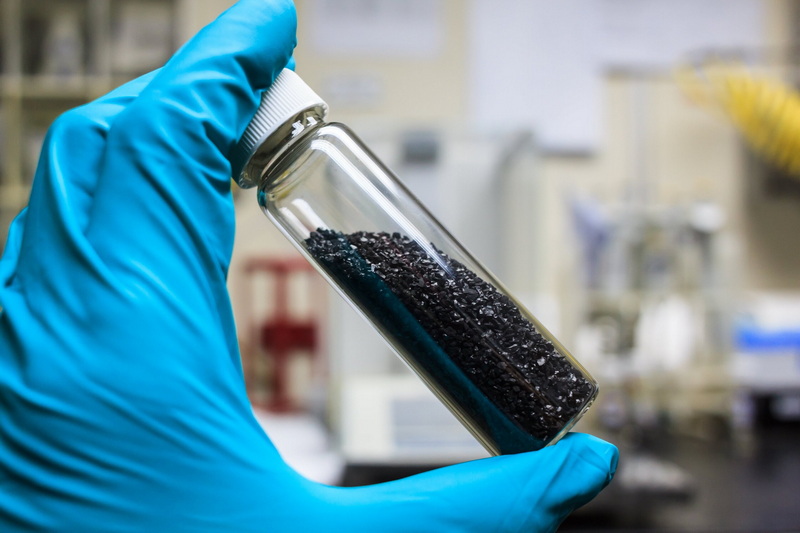
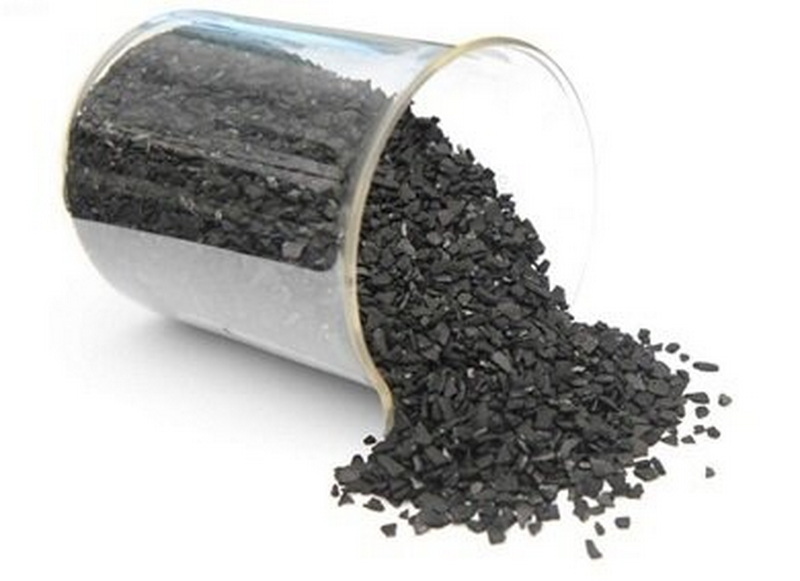
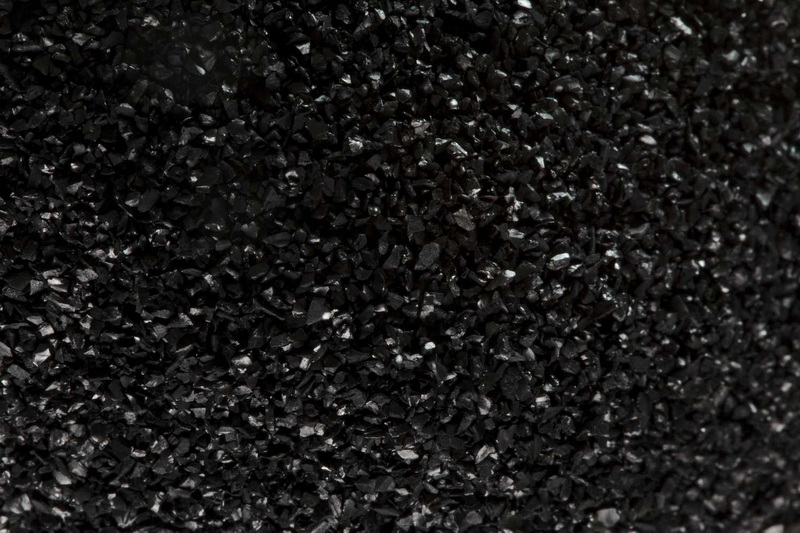
Activated carbon is a highly porous form of carbon with a huge internal surface area that adsorbs dissolved organic compounds, colors, and some chemicals from aquarium water. In freshwater and saltwater systems, activated carbon is mainly used as a chemical filtration media alongside mechanical sponges and biological media such as ceramic rings.[7][5][6]
Typical benefits of activated carbon in an aquarium include:[5][6]
- Clearer water by removing yellowing compounds and tannins from driftwood
- Odor reduction by adsorbing dissolved organic waste molecules
- Removal of medication residues and other unwanted organics after treatments
Can You Overdose Activated Carbon?
There is no precise “toxic” overdose number for activated carbon itself, but running far more activated carbon than needed or running activated carbon continuously at very high doses can lead to indirect problems in an aquarium. Many hobbyists report that you cannot easily overdose activated carbon in normal amounts, yet professional guidelines still recommend moderate activated carbon dosages and gradual changes.[8][9][2][4]
Key ways “too much” activated carbon can be a problem:[2][10][1]
- Over‑polishing water and stripping some trace elements in sensitive reef tanks
- Rapid changes in water clarity and light, which can shock corals or plants
- Higher dust load from low‑quality activated carbon, irritating fish gills and invertebrates
Recommended Amounts of Activated Carbon
Most aquarium‑focused sources recommend relatively small amounts of activated carbon per liter or gallon of aquarium water, especially when used continuously. These guidelines apply to typical high‑quality granular activated carbon used in filter bags or reactors.[3][4][11]
Common rules of thumb for activated carbon dosage in aquariums:[4][11][3]
- Freshwater community tanks: about 1/8 cup of activated carbon per 10 gallons (roughly 4–5 g per liter)
- Reef and marine tanks: start low at about 10 g of activated carbon per 100 L, slowly increasing toward 40–50 g per 100 L over several weeks
- After medication or chemical accidents: some reef keepers temporarily double the normal activated carbon dose to remove contaminants, then return to normal levels after a short period
What Happens If You Use Too Much Activated Carbon?
When activated carbon is used far beyond these typical guidelines, tanks usually do not “crash” immediately, but subtle issues may appear over days or weeks. In extreme or unusual cases (for example poor‑quality activated carbon contaminated with metals), hobbyists have reported acute tank problems shortly after adding the product.[12][13][10][1][2]
Potential negative outcomes from too much activated carbon:[14][1][2]
- Trace element depletion concern: Intensive activated carbon use is sometimes suspected of reducing iodine, iron, and other trace elements, especially in reef aquariums, which may affect coral color and growth if not compensated.[10][2]
- Plant nutrient interference: In planted tanks, heavy or continuous activated carbon use can remove some iron and other micronutrients that plants need, especially when iron levels are already marginal.[15][16][17]
- Health issues in marine fish: Studies have linked some types of dusty activated carbon and aggressive use in reef systems with an increased risk of head and lateral line erosion (HLLE) in certain surgeonfish.[1][14]
- Bacterial imbalances: Some reef hobbyists warn that large amounts of activated carbon and related “carbon dosing” can contribute to bacterial blooms and slimy films in systems if not managed carefully.[9][18][19]
Activated Carbon in Freshwater vs Saltwater Tanks
Activated carbon is used in both freshwater and saltwater aquariums, but the risks of “too much” activated carbon are often higher in delicate reef systems than in basic community freshwater tanks. In freshwater aquariums, activated carbon is usually used for water polishing and odor control, while reef tanks often depend on activated carbon for light transmission and removal of dissolved organics from corals and foods.[7][4][5]
Key differences between freshwater and saltwater use of activated carbon:[4][1][7]
| Aspect | Freshwater aquariums (activated carbon) | Reef/saltwater aquariums (activated carbon) |
| Main purpose | Odor removal, tannins, water clarityblessingsaquarium+1 | DOC control, water clarity, toxin removalreefbum+1 |
| Sensitivity to trace loss | Moderate; plants can be affected in high‑tech tanksaquascapeguide+1 | High; corals may react to trace changesmantasystems+1 |
| Risk of HLLE association | Low/uncertain for freshwater fishaquariumscience | Documented concern in some marine speciesreefbum+1 |
| Typical dosage strategy | Conservative but flexible, often intermittentaquaticexperts+1 | Start low and increase slowly, careful monitoringcoralaxy |
| Alternatives to continuous use | More biological media and water changesblessingsaquarium+1 | Protein skimming, refugia, nutrient export methodsco2art+1 |
Activated Carbon and Planted Tanks
In heavily planted aquariums, the main worry about too much activated carbon is not direct toxicity but its effect on nutrient availability and fertilizer efficiency. Some aquascaping sources argue that activated carbon can remove iron and certain chelated micronutrients, while others note that most plant fertilizer molecules are too small to be strongly adsorbed by activated carbon in typical doses.[20][16][17][15]
Practical approach to activated carbon in planted tanks:[17][15][20]
- Use activated carbon short‑term for clearing medications, tannins, or odors, then remove it once the issue is solved.
- Avoid filling the entire filter with activated carbon; keep most of the volume for biological media and keep activated carbon in a small bag if needed.
- In high‑tech CO₂‑injected scapes with intensive fertilization, many aquarists skip continuous activated carbon use entirely to avoid any interference with micronutrients.
How to Use Activated Carbon Safely (Without “Too Much”)
The best way to avoid problems from too much activated carbon is to treat activated carbon as a precision tool rather than a permanent, unlimited filter stuffing. A balanced, well‑maintained aquarium can run with very modest amounts of activated carbon or even none at all, depending on goals.[6][3][20][5][4]
Best‑practice tips for safe activated carbon use in aquariums:[3][5][6][1][4]
- Follow dosage guidelines: Start with about 1/8 cup of activated carbon per 10 gallons for general use, or 4–5 g per liter, and adjust slowly if needed.
- Rinse activated carbon thoroughly: Always rinse new activated carbon in clean water until the water runs clear to remove dust that can irritate fish and corals.
- Use high‑quality activated carbon: Choose aquarium‑grade activated carbon from reputable suppliers to reduce risks of impurities such as metals or phosphates.
- Avoid extremely high flow in reactors: In reef tanks, excessive tumbling in a reactor can grind activated carbon into fine dust, increasing the risk of HLLE and irritation.[14][1]
- Replace activated carbon regularly: Most hobby articles recommend replacing activated carbon every 2–4 weeks because it becomes saturated and less effective over time.[2][4]
- Limit continuous use in sensitive systems: In planted or ultra‑low nutrient reef tanks, consider intermittent or low‑dose activated carbon instead of maximum continuous use.[15][20]
When to Reduce or Remove Activated Carbon
If signs of “too much” activated carbon appear, reducing or temporarily removing activated carbon can help re‑balance the system. Instead of a sudden total removal, some aquarists prefer to gradually reduce activated carbon volume to avoid abrupt changes in water chemistry and clarity.[10][6][1][15][4]
Situations where cutting back activated carbon is recommended:[1][15][10]
- Corals become pale or lose color after aggressive activated carbon use in a reef tank
- Plants show persistent iron deficiency or chlorosis despite adequate fertilization
- You observe signs of HLLE in surgeonfish in a system that uses dusty, soft activated carbon
- Trace element testing or ICP results suggest possible depletion related to heavy activated carbon use
Conclusion
Activated carbon is a valuable and widely trusted aquarium filtration media, but it is not a case of “more is always better.” Using too much activated carbon, using low‑quality activated carbon, or relying on activated carbon continuously in sensitive planted or reef systems can create nutrient imbalances, stress corals or plants, and in some cases contribute to health problems like HLLE in marine fish. For most aquariums, the safest strategy is to use high‑quality activated carbon in moderate amounts, follow established dosage guidelines, rinse thoroughly, replace activated carbon on a regular schedule, and adjust activated carbon usage based on the specific needs of the tank and its inhabitants.[5][6][3][15][14][4][1]
FAQ About Activated Carbon in Aquariums
1. Does activated carbon remove too many nutrients from aquarium water?
Activated carbon mainly targets dissolved organic compounds, tannins, odors, and some larger organic molecules, not the basic macronutrient fertilizers used in many planted tanks. However, in both planted and reef systems, there is evidence and practical experience suggesting that intensive activated carbon use can reduce some trace elements such as iron or iodine, so dosing and monitoring are important in nutrient‑sensitive setups.[16][20][6][2][15]
2. Can activated carbon cause diseases like HLLE in fish?
Studies and reef‑keeping reports indicate that certain types of soft, dusty activated carbon, particularly when used in high‑flow reactors, have been associated with an increased risk of head and lateral line erosion (HLLE) in some marine species such as surgeonfish. To minimize this risk, experts advise using harder, low‑dust activated carbon, rinsing it thoroughly, avoiding aggressive tumbling, and combining activated carbon use with good protein skimming and general water quality management.[14][1]
3. How often should activated carbon be changed in an aquarium?
Most aquarium guidelines recommend replacing activated carbon every 2–4 weeks, because the adsorption sites on activated carbon gradually fill up and performance declines over time. In tanks with heavy bioloads, medication residues, or strong odors, activated carbon may need to be changed more frequently, while lightly stocked tanks with good mechanical and biological filtration sometimes run activated carbon for the full four weeks before replacement.[2][3][4][5]
4. Is activated carbon necessary in every aquarium?
Activated carbon is not strictly necessary in every aquarium, and many successful planted or biologically mature systems operate with little or no continuous activated carbon, relying instead on biological filtration and water changes. Activated carbon becomes particularly useful when managing odors, tannins, medication cleanup, or unknown dissolved contaminants, so many aquarists keep high‑quality activated carbon on hand even if it is not always installed.[20][6][15][5]
5. Can you use activated carbon in both freshwater and saltwater aquariums?
Yes, activated carbon can be used in both freshwater and saltwater aquariums, but it often plays a different role and carries different levels of risk in each environment. In freshwater community tanks, modest activated carbon use is mainly for polishing water and controlling odors, while in reef tanks activated carbon is part of a broader strategy to control dissolved organics and maintain light penetration, which requires more cautious dosing and monitoring.[7][4][1]
Citations:
[1](https://www.reefbum.com/water-chemistry/pluses-minuses-using-activated-carbon/)
[2](https://www.mantasystems.net/a/blog/post/activated-carbon)
[3](https://www.aquaticexperts.com/pages/dosage-charts)
[4](https://coralaxy.de/en/blogs/wissenswertes/activated-carbon-how-it-works-in-reef-tanks)
[5](https://www.blessingsaquarium.com/post/how-to-use-activated-carbon-in-your-aquarium-1)
[6](https://www.co2art.us/blogs/blog/using-activated-carbon-in-an-aquarium)
[7](https://www.co2art.us/blogs/blog/how-important-is-activated-carbon-in-your-aquarium)
[8](https://www.reef2reef.com/threads/how-much-activated-carbon-is-too-much.445087/)
[9](https://reefs.com/forum/reefs-beginners/174949-can-you-run-too-much-activated-carbon-1.html)
[10](https://reefs.com/interesting-thing-i-learned-about-carbon-this-week/)
[11](https://www.ultimatereef.net/threads/activated-carbon-how-much.907026/)
[12](https://www.youtube.com/watch?v=qX3rxFCINfQ)
[13](https://www.reddit.com/r/ReefTank/comments/1julrci/carbon_poisoned_my_tank/)
[14](https://aquariumscience.org/index.php/7-4-2-activated-carbon/)
[15](https://www.aquascapeguide.com/post/should-you-use-activated-carbon-in-your-planted-tank-a-balancing-act)
[16](https://www.ukaps.org/forum/threads/does-carbon-remove-trace-elements.6980/)
[17](https://www.facebook.com/groups/342068286211749/posts/2190904884661404/)
[18](https://www.facebook.com/groups/swaquariumlovers/posts/24763883533256915/)
[19](https://bostonreefers.org/forums/index.php?threads%2Fcarbon-dosing-overdose.122558%2Fpage-3)
[20](https://www.2hraquarist.com/blogs/filters-overview/what-about-water-polishers)


