Content Menu
● What Is Activated Carbon?
● How Activated Carbon Is Used in Industry
>> Activated Carbon in Water and Wastewater Treatment
>> Activated Carbon in Air and Gas Purification
>> Activated Carbon in Food and Beverage
>> Activated Carbon in Chemical and Pharmaceutical Processes
● Is Activated Carbon Hazardous Waste?
>> Unused Activated Carbon
>> Spent Activated Carbon
● Regulatory Perspective on Hazardous Waste
● Environmental Profile of Activated Carbon
● Safe Handling and Storage of Activated Carbon
● Disposal Options for Spent Activated Carbon
>> Direct Disposal
>> Reactivation and Recycling
● Best Practices for Industrial Users
● Conclusion
● FAQ
>> 1. Is unused activated carbon hazardous waste?
>> 2. When does spent activated carbon become hazardous waste?
>> 3. Can spent activated carbon be recycled instead of disposed of?
>> 4. What safety precautions are important when handling activated carbon?
>> 5. How should companies decide the correct disposal route for spent activated carbon?
● Citations:
Activated carbon is one of the most widely used adsorbent materials in modern industry, especially for water treatment, air and gas purification, food and beverage processing, and pharmaceutical manufacturing. In all these applications, activated carbon plays a critical role in removing contaminants and protecting human health and the environment. At the same time, many users are unsure whether activated carbon itself should be considered hazardous waste, especially after it has been used and becomes “spent” or saturated with pollutants.
Understanding if and when activated carbon is hazardous waste is crucial for environmental compliance, workplace safety, and cost-effective waste management. This article explains what activated carbon is, how it is used, when it may become hazardous, and how to handle, store, dispose of, and recycle activated carbon safely and responsibly.
What Is Activated Carbon?
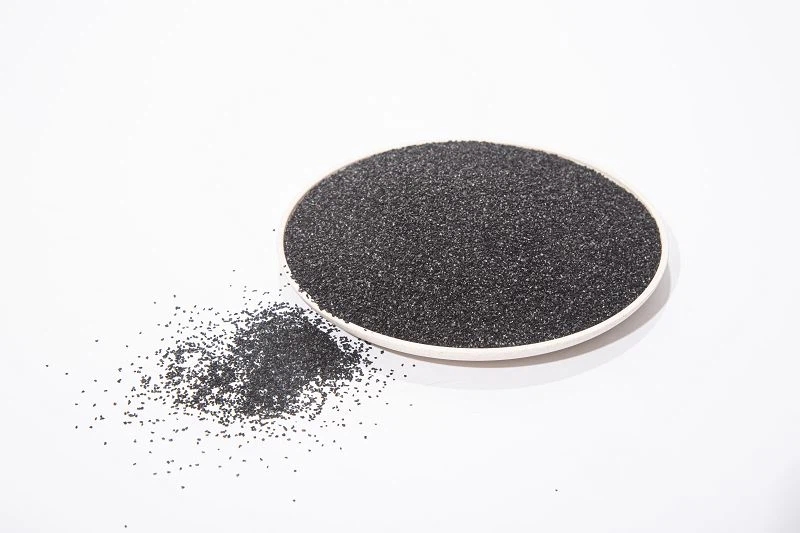
Activated carbon (also known as activated charcoal) is a porous carbonaceous material made from raw materials such as coal, coconut shells, wood, or peat that have been processed to create an extremely high internal surface area. Through physical or chemical activation, millions of microscopic pores are formed, turning ordinary carbon into a highly efficient adsorbent capable of trapping molecules from liquids and gases.
Because of this enormous surface area, just a small amount of activated carbon can adsorb large quantities of organic compounds, odors, colors, and trace contaminants. Different grades and particle sizes of activated carbon (powdered, granular, extruded) are tailored for specific uses, from polishing drinking water to treating industrial flue gases.
How Activated Carbon Is Used in Industry
Activated Carbon in Water and Wastewater Treatment
In water treatment, activated carbon is used to remove taste, odor, color, and a wide range of dissolved organic contaminants. It is applied in:
- Drinking water treatment plants to remove chlorine, disinfection by-products, pesticides, and industrial chemicals.
- Wastewater treatment systems to polish effluents and meet discharge limits for organics and trace pollutants.
- Groundwater remediation systems to adsorb volatile organic compounds (VOCs) and other contaminants.
In these applications, activated carbon protects consumers, ecosystems, and infrastructure by capturing contaminants before they reach distribution networks or the environment.
Activated Carbon in Air and Gas Purification
In air and gas applications, activated carbon removes harmful gases, vapors, and odors from process streams and indoor environments. Typical uses include:
- Control of VOC emissions from industrial processes.
- Odor control in wastewater treatment plants and chemical production facilities.
- Purification of compressed air and process gases.
- Removal of sulfur compounds, solvents, and other hazardous air pollutants.
By trapping these contaminants in its pore structure, activated carbon helps operators comply with air-quality regulations and improves workplace and community air quality.
Activated Carbon in Food and Beverage
Activated carbon is widely used to purify and decolorize products in the food and beverage industry. Common examples include:
- Decolorizing sugar syrup and sweeteners.
- Purifying edible oils and fats.
- Improving color and flavor stability in beverages such as juices, wines, and spirits.
In these sensitive applications, food-grade activated carbon must meet strict purity and safety standards so that it does not introduce contaminants into final products.
Activated Carbon in Chemical and Pharmaceutical Processes
In chemical manufacturing and pharmaceutical production, activated carbon is used to:
- Remove color bodies and by-products from intermediates and final products.
- Adsorb catalysts and impurities from reaction mixtures.
- Polish solvents and process liquids.
Here, activated carbon improves product quality and purity and supports compliance with pharmacopeia and industry standards.
Is Activated Carbon Hazardous Waste?
Unused Activated Carbon
In its unused, original form, activated carbon is generally not classified as hazardous waste under typical regulatory frameworks. It is considered a stable, solid adsorbent that does not exhibit the standard characteristics of hazardous waste such as ignitability, corrosivity, reactivity, or acute toxicity when properly handled.
Safety data sheets for many commercial activated carbon products typically classify unused activated carbon as non-hazardous with respect to waste regulations, provided it has not been contaminated with hazardous substances during storage or handling. It is, however, a combustible solid, so it must be handled and stored with appropriate fire precautions.
Spent Activated Carbon
The situation changes once activated carbon has been used and becomes “spent.” Spent activated carbon contains whatever contaminants it has adsorbed from water, air, or process streams. Whether spent activated carbon must be classified and managed as hazardous waste depends primarily on:
- The nature and concentration of the adsorbed contaminants.
- Applicable national and local hazardous waste regulations.
- How the activated carbon was used and in which process.
If the spent activated carbon has adsorbed hazardous substances (for example, heavy metals such as mercury, lead, or cadmium, toxic organic chemicals, or regulated solvents), it may meet the regulatory definition of hazardous waste. In such cases, the spent activated carbon must be handled, transported, and disposed of in accordance with hazardous waste regulations, often including manifesting, treatment, and disposal at licensed hazardous waste facilities.
If the contaminants captured are not classified as hazardous and do not cause the spent carbon to exhibit hazardous characteristics, the spent activated carbon may be managed as non-hazardous industrial waste, subject to local rules. In practice, many environmental authorities and industrial operators perform testing or review process knowledge to decide the appropriate waste classification.
Regulatory Perspective on Hazardous Waste
Most regulatory systems, such as those in the United States and the European Union, define hazardous waste based on specific criteria and lists. In the U.S., for example, hazardous waste is defined under federal regulations, and a solid waste becomes hazardous if it is specifically listed or if it displays hazardous characteristics such as ignitability, corrosivity, reactivity, or toxicity.
Applied to activated carbon:
- Unused activated carbon typically does not meet these criteria and is not listed as a hazardous waste.
- Spent activated carbon may be hazardous if the adsorbed contaminants fall under listed hazardous waste categories or cause the spent carbon to exhibit hazardous characteristics.
Industrial users are generally responsible for evaluating their spent activated carbon (through analytical testing or documented process knowledge) to determine the correct classification and disposal route. This evaluation is often part of a facility's environmental management system and regulatory compliance program.
Environmental Profile of Activated Carbon
Activated carbon itself is largely composed of elemental carbon and is chemically inert under normal environmental conditions. It is not soluble in water, does not readily degrade, and does not bioaccumulate in living organisms in the way many organic pollutants do.
Because activated carbon is not water-soluble and can be separated from water by filtration or sedimentation, it is not generally subject to water hazard classifications in its unused state. However, environmental impact is strongly influenced by the contaminants adsorbed onto the activated carbon. Spent activated carbon containing hazardous substances can pose environmental risks if not handled appropriately, particularly if contaminants are prone to desorption or leaching under landfill or storage conditions.
For this reason, environmental regulations focus not on the inert carbon matrix but on the substances captured within its pore structure and the potential for those substances to be released.
Safe Handling and Storage of Activated Carbon
Even though activated carbon is not inherently hazardous waste, it is still a chemical material that requires safe handling. Key points for safe use and storage include:
- Dust control: Many grades of activated carbon, especially powdered activated carbon, can generate dust. Dust inhalation should be minimized by using appropriate local exhaust ventilation and dust collection systems. Workers should avoid dust clouds and use suitable respiratory protection where necessary.
- Skin and eye protection: Contact with activated carbon dust may cause mechanical irritation to the eyes and skin. Protective gloves, safety goggles, and suitable work clothing help prevent irritation and contamination.
- Oxygen depletion risk: Activated carbon can adsorb oxygen from air, especially in confined or poorly ventilated spaces. Wet activated carbon can exacerbate oxygen depletion. Tanks, vessels, or enclosed spaces containing activated carbon should not be entered without proper testing, ventilation, and confined-space entry procedures.
- Incompatible materials: Activated carbon should be stored away from strong oxidizing agents, such as liquid oxygen or powerful oxidants, which can react violently and increase the risk of fire or explosion.
- Fire and heat: Activated carbon is combustible and may self-heat under certain conditions, especially when exposed to high temperatures or direct sunlight over long periods. Storage should be in cool, dry, well-ventilated areas, with measures to prevent heat build-up and to control potential ignition sources.
By following these practices, operators can safely manage activated carbon throughout its lifecycle, from delivery and loading to service and replacement.
Disposal Options for Spent Activated Carbon
Direct Disposal
Where testing or process knowledge confirms that spent activated carbon is non-hazardous, it may be sent to permitted landfills or industrial waste disposal facilities under non-hazardous waste regulations. Operators should still ensure that the facility is authorized to accept spent adsorbent materials and that any residual contamination is compatible with site permit conditions.
If the spent activated carbon is classified as hazardous waste, it must be managed under hazardous waste regulations. This typically requires:
- Classification according to the relevant hazardous waste codes.
- Use of licensed transporters and hazardous waste manifests.
- Disposal at approved hazardous waste treatment or disposal facilities, such as hazardous waste landfills or incineration plants.
Because hazardous waste disposal can be costly and is closely regulated, many industries prefer to minimize hazardous classifications via careful process design, segregation of waste streams, and the use of reactivation services where feasible.
Reactivation and Recycling
Reactivation is an important alternative to disposal and is widely used for both hazardous and non-hazardous spent activated carbon. In a typical reactivation process:
1. Spent activated carbon is transported to a specialized reactivation facility.
2. The material is thermally treated at high temperatures in a controlled atmosphere (usually steam or inert gas), which drives off and destroys the adsorbed organic contaminants.
3. The pore structure of the activated carbon is restored, and the reactivated material can be returned to service in suitable applications.
Reactivation offers multiple benefits:
- Reduces the volume of waste sent to landfills or hazardous waste facilities.
- Lowers life-cycle costs compared with complete replacement of spent activated carbon.
- Decreases the consumption of virgin raw materials and associated environmental impacts.
- Helps companies demonstrate circular-economy practices and sustainability performance.
For certain highly hazardous contaminants (for example, mercury or specific organics), specialized reactivation or treatment processes may be needed to ensure that emissions and residues are safely controlled. In some jurisdictions, spent activated carbon sent for reactivation may still be regulated as hazardous waste until it is fully treated; however, reactivation remains a preferred option over disposal.
Best Practices for Industrial Users
To manage activated carbon responsibly and reduce the risk of it being treated as hazardous waste, industrial users can follow several practical strategies:
- Select appropriate grades of activated carbon based on process conditions and contaminant profiles, optimizing performance and extending service life.
- Implement monitoring to determine when activated carbon is approaching breakthrough or saturation, allowing timely replacement or reactivation.
- Maintain clear documentation of process inputs, contaminants, and operating conditions to support waste classification decisions for spent activated carbon.
- Work with qualified waste management and reactivation service providers who understand regulatory requirements and can provide compliant, traceable solutions.
- Train staff on safe handling, storage, and emergency procedures related to activated carbon, including fire response and confined-space safety.
By integrating these steps into daily operations, companies can maintain high environmental and safety standards while controlling costs.
Conclusion
Activated carbon is a critical material for modern industry, protecting water, air, products, and people by efficiently removing contaminants from complex process streams. In its unused form, activated carbon is generally not considered hazardous waste and can be managed as a standard industrial material with appropriate precautions for dust, combustibility, and storage.
When activated carbon becomes spent, its classification depends largely on the contaminants it has adsorbed. If the spent activated carbon contains hazardous substances or exhibits hazardous characteristics, it may be regulated as hazardous waste and must be managed accordingly. Where contaminants are non-hazardous, spent activated carbon can often be handled as non-hazardous industrial waste.
Reactivation and recycling of spent activated carbon offer a powerful way to reduce waste volumes, conserve resources, and lower lifecycle costs. With careful evaluation, proper handling and storage, and the support of experienced waste and reactivation partners, industrial users can manage activated carbon safely, economically, and in full compliance with applicable regulations.
Contact us to get more information!
FAQ
1. Is unused activated carbon hazardous waste?
Unused activated carbon is typically not classified as hazardous waste. It does not usually exhibit hazardous characteristics such as ignitability, corrosivity, reactivity, or toxicity under normal conditions. However, it is a combustible solid and must be stored away from ignition sources and strong oxidizing agents. Standard industrial solid waste rules and good chemical handling practices usually apply.
2. When does spent activated carbon become hazardous waste?
Spent activated carbon becomes hazardous waste if the contaminants it has adsorbed are classified as hazardous and if the spent material meets the relevant regulatory criteria or listings. For example, if activated carbon has captured heavy metals, toxic organics, or regulated solvents at significant levels, regulators may classify the spent carbon as hazardous. The exact determination depends on regional regulations and on laboratory testing or process knowledge.
3. Can spent activated carbon be recycled instead of disposed of?
Yes. Many industrial users send their spent activated carbon to specialized facilities for thermal reactivation. During reactivation, the adsorbed contaminants are removed and destroyed under controlled conditions, and the carbon's adsorption capacity is restored. Reactivated activated carbon can then be reused in suitable applications, reducing waste disposal volumes and lowering total costs.
4. What safety precautions are important when handling activated carbon?
Key safety precautions include controlling dust, wearing suitable PPE such as gloves, goggles, and dust masks or respirators when necessary, and ensuring good ventilation. Wet or dry activated carbon should never be handled in confined spaces without proper oxygen monitoring because activated carbon can adsorb oxygen and create oxygen-deficient atmospheres. Storage areas should be cool, dry, and away from strong oxidizers and direct heat sources to reduce the risk of fire or self-heating.
5. How should companies decide the correct disposal route for spent activated carbon?
Companies should evaluate the contaminants present on the spent activated carbon, using laboratory analysis or well-documented process information. This evaluation is then compared against local and national hazardous waste regulations to determine whether the spent activated carbon must be handled as hazardous waste or can be managed as non-hazardous industrial waste. Many operators work closely with waste management firms or reactivation service providers who can assist in classification, documentation, transportation, and final treatment or recycling.
Citations:
1. https://www.activatedcarbon.org/health-safety-environment/
2. https://www.activatedcarbon.org/health-safety-environment/handling-storage/
3. https://www.activatedcarbon.org/health-safety-environment/environment/
4. https://www.activatedcarbon.org
5. https://www.law.cornell.edu/cfr/text/40/261.3
6. https://www.ecfr.gov/current/title-40/chapter-I/subchapter-I/part-261/subpart-A/section-261.3
7. https://www.generalfiltration.com/wp-content/uploads/2020/07/Clarimex-Activated-Carbon-SDS.pdf
8. https://norit.com/hubfs/S-PAC-Europe-EN-1.pdf
9. https://redox.com/wp-content/sds/870.pdf
10. https://www.calgoncarbon.com/reactivation-services/
11. https://activatedcarbon.com/services/reactivation
12. https://puragen.com/us/industries/food-and-beverage/


