Content Menu
● What Is Activated Carbon?
● Is Activated Carbon Classified as Hazardous?
● Health Hazards of Activated Carbon
>> Toxicity and Regulatory Status
>> Dust Inhalation and Respiratory Effects
>> Eye and Skin Irritation
>> Ingestion and Medical Use
● Physical and Fire Hazards of Activated Carbon
>> Combustible Dust and Self‑Heating
>> Oxygen Depletion in Confined Spaces
>> Fire Behavior and Decomposition Products
● Safe Handling and Storage of Activated Carbon
>> Personal Protective Equipment (PPE)
>> Engineering Controls and Good Practices
>> Confined Space Entry and Vessel Safety
● Environmental and Disposal Considerations
>> Unused Activated Carbon
>> Spent Activated Carbon
● Typical Industrial Applications and Risk Profiles
>> Water and Wastewater Treatment
>> Air and Gas Purification
>> Food, Beverage, and Pharmaceutical Industries
● Is Activated Carbon Hazardous Overall?
● Conclusion
● FAQ: Activated Carbon Safety
>> 1) Is activated carbon hazardous to human health?
>> 2) Can activated carbon cause fires or explosions?
>> 3) Why is wet activated carbon dangerous in confined spaces?
>> 4) Is activated carbon safe for use in food and drinking water?
>> 5) How should spent activated carbon be disposed of?
● Citations:
Activated carbon is generally considered a low‑toxicity, non‑corrosive material when used and handled correctly, but it does present specific health, fire, and environmental hazards that industrial users must understand and control. With proper engineering measures, personal protective equipment, and responsible management of spent media, activated carbon remains a safe and reliable solution for water treatment, air and gas purification, food and beverage processing, chemical production, and pharmaceutical applications.
What Is Activated Carbon?
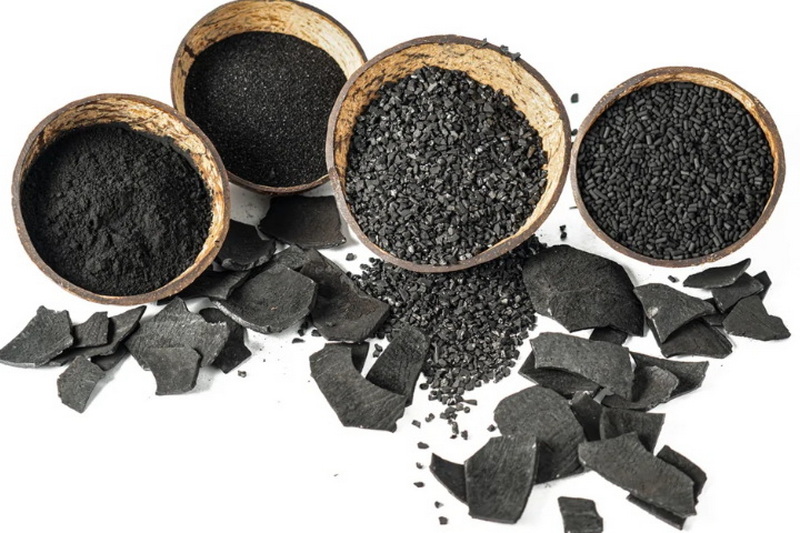
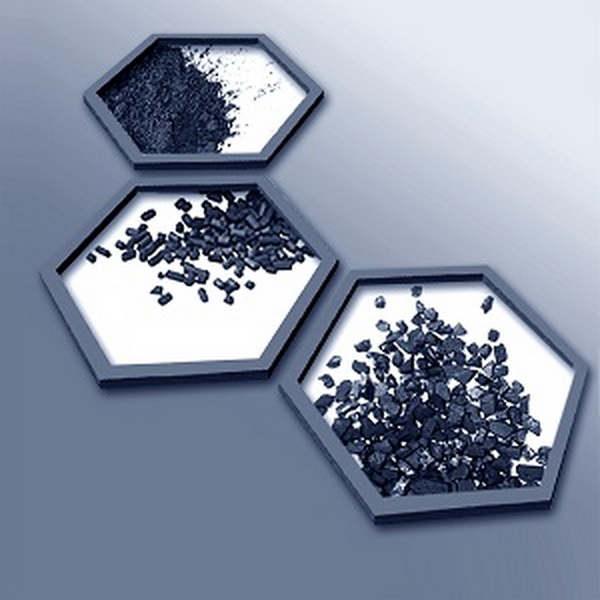
Activated carbon is a highly porous form of carbon produced from raw materials such as coal, coconut shell, wood, or other carbon‑rich sources through controlled carbonization and activation processes. This activation creates an enormous internal surface area and a network of micro‑ and mesopores that enable activated carbon to adsorb contaminants from liquids and gases. Because of this unique structure, activated carbon is one of the most widely used adsorbents in industrial purification and environmental protection.
In global industrial applications, activated carbon is widely used for:
- Water and wastewater treatment, including municipal water, industrial effluents, and groundwater remediation.
- Air and gas purification, solvent recovery, volatile organic compound (VOC) control, and odor removal.
- Food and beverage decolorization and deodorization, such as sugar, edible oils, juices, and alcoholic beverages.
- Chemical and petrochemical processes, including catalyst support, decolorization, and product purification.
- Pharmaceutical and medical applications, including purification of active pharmaceutical ingredients and specially produced oral activated carbon products.
Because activated carbon is used in so many sensitive applications, manufacturers and end users must clearly understand its safety profile, including possible health effects, dust behavior, fire risks, oxygen depletion in confined spaces, and disposal requirements.
Is Activated Carbon Classified as Hazardous?
Most commercial grades of activated carbon are not classified as hazardous substances or hazardous wastes in their unused form under major regulatory systems. In many jurisdictions, unused activated carbon is treated as a “non‑hazardous” or “nuisance” dust rather than as a toxic or corrosive chemical. This means that under normal conditions of handling and storage, activated carbon does not pose significant acute toxicity, corrosivity, or reactivity hazards.
In some transport regulations, certain forms of activated carbon may appear under dangerous goods listings (for example, when specific self‑heating characteristics are present), but many commercial grades are exempt from strict dangerous goods classification when they pass defined self‑heating tests. Unused activated carbon is also typically not regulated as hazardous waste, provided it has not been contaminated by hazardous substances during use.
However, “not classified as hazardous” does not mean that activated carbon is risk‑free. Activated carbon can generate respirable dust, it is combustible as a solid, it may self‑heat under certain conditions, and wet activated carbon can remove oxygen from the air in confined spaces. Understanding these specific risks is essential for safe storage, transport, and use of activated carbon in industrial environments.
Health Hazards of Activated Carbon
Toxicity and Regulatory Status
Activated carbon is generally considered a low‑toxicity material. It is widely accepted for contact with drinking water, food, and pharmaceutical products when produced to appropriate standards and when the correct grade of activated carbon is selected. Some grades of activated carbon are even used directly as medicinal products, such as oral activated carbon tablets and powders for poison treatment, which underlines its inherently low systemic toxicity when manufactured and used correctly.
In occupational hygiene, activated carbon dust is often covered by exposure limits for nuisance dusts or graphite‑type dusts. These limits are designed to prevent long‑term respiratory problems and other dust‑related health effects. While exact values vary by jurisdiction, typical time‑weighted average limits distinguish between total dust and respirable dust fractions. Employers using activated carbon in large volumes should consult local regulations and design dust control systems to keep exposures well below these limits.
Dust Inhalation and Respiratory Effects
The primary health hazard of activated carbon in industrial environments is inhalation of dust, especially when handling powdered activated carbon. Fine particles of activated carbon can become airborne during unloading, conveying, sieving, or dosing operations. If not properly controlled, this dust can irritate the respiratory tract and cause:
- Coughing and sneezing
- Short‑term throat and nose irritation
- Discomfort or tightness in the chest in sensitive individuals
Long‑term exposure to high levels of dust from activated carbon or other inert particulate materials can contribute to chronic respiratory issues. To reduce risk, plants handling activated carbon should:
- Use local exhaust ventilation at transfer points, bag dumping stations, and dosing equipment.
- Employ enclosed conveying systems and dust‑tight joints wherever possible.
- Implement housekeeping programs to remove settled dust before it becomes airborne.
- Provide suitable respiratory protection (such as dust masks or respirators) when dust levels cannot be reliably kept below occupational limits.
By treating activated carbon as a controlled industrial dust and designing systems to minimize airborne concentrations, companies can keep respiratory hazards at very low levels.
Eye and Skin Irritation
Activated carbon is not corrosive and does not generally cause chemical burns, but it can produce mechanical irritation when dust or granules come into contact with the eyes or skin.
- Eye contact with activated carbon dust may cause redness, tearing, and a gritty sensation. Prompt rinsing with clean water usually relieves symptoms.
- Prolonged or repeated skin contact with activated carbon dust or slurry can cause dryness, mild irritation, and temporary discoloration of the skin.
To control these hazards, workers handling activated carbon should wear safety glasses or goggles and suitable gloves, especially when dealing with powdered products or operational tasks that can generate splashing or spillage. Good personal hygiene practices, including washing hands and exposed skin after handling activated carbon, are also recommended.
Ingestion and Medical Use
Accidental ingestion of small amounts of industrial activated carbon is generally considered low risk because the material is not significantly absorbed by the digestive system and passes through the body inertly. However, industrial grades of activated carbon may contain impurities or adsorbed contaminants from processing, so they are not intended for ingestion.
Medicinal activated carbon, on the other hand, is a specialized grade produced under pharmaceutical conditions, with strict control over impurities and particle size. This type of activated carbon is intentionally ingested under medical supervision to treat certain types of poisoning and overdose, as it can adsorb toxins in the gastrointestinal tract. It is essential to distinguish between industrial activated carbon and medical‑grade activated carbon and to use each only for its intended purpose.
Physical and Fire Hazards of Activated Carbon
Combustible Dust and Self‑Heating
Activated carbon is a carbonaceous material, and like many finely divided organic solids, it is combustible. Fine activated carbon dust can form explosive dust clouds in air if dispersed in sufficient concentration and ignited by sparks, hot surfaces, or other ignition sources. In addition, large activated carbon beds that adsorb heat‑releasing substances or reactive organics may be susceptible to self‑heating and smoldering.
Key aspects of combustible dust and self‑heating hazards include:
- Dry activated carbon dust can ignite and burn rapidly when mixed with air in appropriate concentrations.
- Deposits of fine activated carbon dust on equipment, floors, and structural surfaces can create a secondary explosion hazard if disturbed.
- Activated carbon used for adsorption of VOCs or other flammable vapors can warm up as contaminants are adsorbed, and under certain conditions, this heat can accumulate and lead to hotspots or smoldering.
To mitigate these hazards, facilities should:
- Minimize dust generation and accumulation by using enclosed equipment and conducting regular cleaning.
- Avoid open flames, sparks, and hot surfaces in areas where activated carbon dust may be present.
- Evaluate dust explosion hazards using recognized methods and install appropriate explosion protection (relief panels, suppression, or containment) where needed.
- Monitor temperature and airflow in large activated carbon beds, especially in systems handling high‑concentration organic vapors.
Oxygen Depletion in Confined Spaces
A particularly serious hazard associated with activated carbon, especially wet or saturated activated carbon, is oxygen depletion in confined spaces. Activated carbon is a very effective adsorbent, not only for contaminants but also for certain gases, including oxygen. When activated carbon is wet and located in confined vessels, filters, or columns, it can remove oxygen from the surrounding air and create a dangerous oxygen‑deficient atmosphere.
This hazard is especially relevant when maintenance personnel need to enter vessels or tanks containing activated carbon. If the oxygen level inside the confined space drops below safe thresholds, workers are at risk of loss of consciousness and suffocation, often without warning. Because of this, any confined space that contains or has contained activated carbon should be treated as potentially oxygen deficient.
Safe practices for confined spaces with activated carbon include:
- Treating all activated carbon vessels, columns, and filters as permit‑required confined spaces.
- Testing the atmosphere for oxygen content and any hazardous gases before entry.
- Providing forced ventilation to restore safe oxygen levels before and during entry.
- Using continuous atmospheric monitoring, appropriate personal protective equipment, and established rescue procedures.
Many recorded incidents in water treatment, chemical, and environmental plants involve workers entering carbon vessels without proper testing and ventilation. Strict compliance with confined space entry standards is therefore a critical part of activated carbon safety management.
Fire Behavior and Decomposition Products
In a fire situation, activated carbon burns as a carbonaceous solid, producing heat, smoke, and combustion gases. The main hazardous combustion products are carbon dioxide and carbon monoxide, along with soot and, potentially, other gases depending on what contaminants are adsorbed on the activated carbon.
Standard firefighting measures for activated carbon fires include:
- Using water spray, foam, or dry chemical agents to cool and extinguish burning material.
- Avoiding high‑pressure water jets that might spread burning activated carbon dust.
- Considering the possibility of oxygen depletion in enclosed spaces when large amounts of wet activated carbon are present.
Because activated carbon is generally chemically stable and non‑reactive under normal conditions, the main fire concern is its combustible nature and any hazardous substances it may have adsorbed.
Safe Handling and Storage of Activated Carbon
Personal Protective Equipment (PPE)
To safely handle activated carbon in industrial settings, appropriate personal protective equipment should be used based on the form and application of the product. Typical PPE for activated carbon includes:
- Safety glasses or goggles to prevent dust or particles from entering the eyes.
- Dust masks or respirators for operations where airborne activated carbon dust is present or likely to exceed recommended levels.
- Chemical‑resistant or work gloves to reduce skin contact and facilitate clean‑up.
- Protective clothing or coveralls in operations with frequent dusty tasks, to prevent contamination of personal clothing.
PPE should always be selected as a complement to, not a replacement for, effective engineering controls and good workplace design.
Engineering Controls and Good Practices
Engineering controls are the primary means of reducing exposure to activated carbon and preventing hazardous situations. For companies using activated carbon in bulk, good practice involves:
- Designing loading and unloading systems for activated carbon to be enclosed and dust‑tight where possible.
- Installing local exhaust ventilation at bag dumping stations, transfer points, and equipment openings.
- Using closed screw conveyors, pneumatic conveying systems, or sealed belt systems to move activated carbon.
- Implementing well‑planned housekeeping routines to remove dust deposits on surfaces before they become a risk.
- Avoiding unnecessary grinding or crushing of activated carbon, which creates finer dust and increases explosion potential.
- Storing activated carbon in cool, dry, well‑ventilated areas, away from direct sunlight and strong oxidizing agents.
Well‑designed systems that account for the physical properties of activated carbon significantly reduce the likelihood of health or fire incidents.
Confined Space Entry and Vessel Safety
Because of the oxygen depletion risk described earlier, confined spaces are a crucial focus area in activated carbon safety. Any tank, vessel, filter, or column containing granular activated carbon or powdered activated carbon should be treated cautiously.
Safe vessel procedures typically include:
- Lock‑out and tag‑out of all energy sources feeding the vessel.
- Complete isolation, draining, and rinsing of the system where necessary.
- Purging with fresh air and monitoring oxygen levels until they are within safe limits.
- Use of entry permits, trained attendants, retrieval systems, and emergency plans before any worker enters.
By integrating activated carbon hazards into the company's overall confined space program, plant operators can prevent life‑threatening incidents.
Environmental and Disposal Considerations
Unused Activated Carbon
Unused activated carbon in its original packaging is generally considered non‑hazardous for disposal purposes. It does not contain hazardous air pollutants, ozone‑depleting substances, or highly reactive components. Nonetheless, disposal must always follow local regulations and guidelines, which may specify preferred routes such as controlled landfill or incineration.
Because activated carbon has a long shelf life when stored correctly, many users minimize waste by careful inventory management and by rotating stock so that older activated carbon is used first.
Spent Activated Carbon
The environmental profile of spent activated carbon is very different from that of unused material. Once activated carbon is used in industrial processes, it may contain adsorbed contaminants such as:
- Organic solvents and VOCs
- Petroleum hydrocarbons
- Pesticides or industrial chemicals
- Heavy metals or other inorganic pollutants
Depending on the adsorbed substances, spent activated carbon can be classified as hazardous waste and subject to stricter regulations. The risks associated with spent activated carbon include:
- Release of contaminants if the carbon is improperly disposed of.
- Fire and self‑heating hazards due to adsorbed organics.
- Worker exposure to toxic substances during handling of spent carbon.
To manage these risks, many industrial users send spent activated carbon to specialized facilities for thermal reactivation or high‑temperature incineration. Thermal reactivation restores the adsorption capacity of activated carbon while destroying contaminants, reducing both waste volume and cost. Where reactivation is not suitable, spent activated carbon may be disposed of through controlled incineration or other approved methods.
Typical Industrial Applications and Risk Profiles
Water and Wastewater Treatment
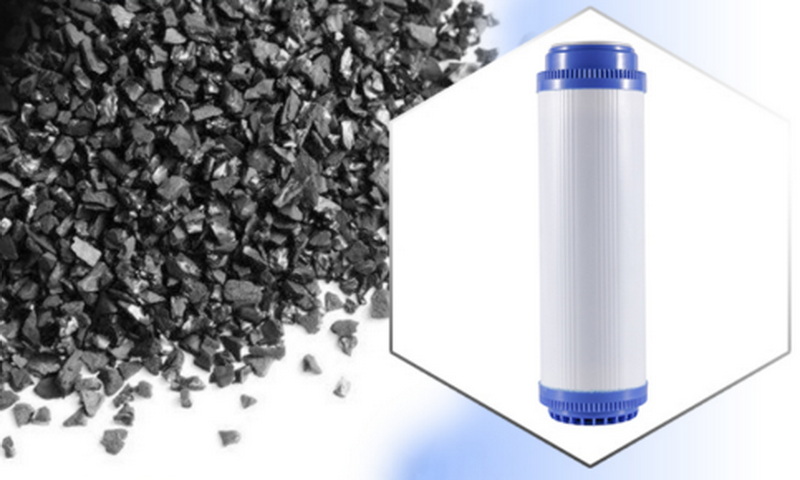
Activated carbon plays a central role in water and wastewater treatment. Granular activated carbon filters and powdered activated carbon dosing systems are used to remove organic contaminants, taste and odor compounds, and trace pollutants from drinking water, process water, and wastewater.
The main hazards in water treatment applications of activated carbon include:
- Dust generation during unloading and dosing of powdered activated carbon, which can be mitigated through sealed systems and ventilation.
- Oxygen depletion hazards inside activated carbon contactors, downflow filters, or adsorption tanks when personnel need to enter for inspection or maintenance.
By integrating appropriate dust control, vessel design, and confined space procedures into plant operations, water treatment facilities can use activated carbon effectively and safely.
Air and Gas Purification
In air and gas purification, activated carbon is used in fixed beds or cartridges to remove volatile organic compounds, odors, and other gaseous contaminants. These applications can be found in chemical plants, printing facilities, solvent recovery systems, and odor control units.
Risk factors in air and gas purification systems include:
- Self‑heating and fire hazards when activated carbon adsorbs high concentrations of reactive or flammable vapors.
- Potential formation of combustible dust during handling and replacement of activated carbon in large filters.
Proper system design, monitoring of inlet concentrations and temperature, and strict operating procedures help prevent self‑heating and fire. Many large systems are equipped with temperature sensors, emergency shutdown mechanisms, and fire detection or suppression facilities specifically to address activated carbon risks.
Food, Beverage, and Pharmaceutical Industries
In food, beverage, and pharmaceutical applications, activated carbon is used for decolorization, deodorization, impurity removal, and product purification. Examples include:
- Decolorization of sugar solutions and syrups.
- Purification of edible oils and beverages.
- Removal of trace organic impurities from pharmaceutical intermediates.
In these sectors, product purity and hygiene are as important as worker safety. Food‑grade and pharma‑grade activated carbon are produced under strict quality control, with carefully defined specifications for ash content, leachable metals, and microbial load. Process design focuses on sanitary equipment, clean handling practices, and complete removal of spent activated carbon from product streams. The safety hazards (dust, fire, oxygen depletion) are similar to those in other industries, but the additional regulatory requirements and quality standards place extra emphasis on proper material selection and system design.
Is Activated Carbon Hazardous Overall?
From a holistic perspective, activated carbon is not inherently hazardous in the way that corrosive acids, toxic solvents, or strong oxidizers are. It is generally non‑toxic, non‑corrosive, and chemically stable under normal conditions, and it is widely accepted for use with drinking water, food, and pharmaceuticals. At the same time, activated carbon does have specific and sometimes serious hazards that must be controlled:
- Dust inhalation and irritation of the respiratory tract and eyes.
- Combustible dust and self‑heating, leading to fire and explosion risks.
- Oxygen depletion in confined spaces, posing life‑threatening asphyxiation hazards.
- Environmental and health risks associated with contaminants adsorbed onto spent activated carbon.
When companies understand these risks and implement appropriate controls, activated carbon remains a powerful and relatively low‑hazard technology for meeting demanding environmental and process requirements.
Conclusion
Activated carbon is a versatile and essential material for modern industry, playing a key role in water treatment, air and gas purification, food and beverage processing, chemical production, and pharmaceutical manufacturing. In its unused form, activated carbon is generally non‑toxic, non‑corrosive, and not classified as hazardous waste, making it a safe choice for many sensitive applications.
However, activated carbon is not completely risk‑free. Fine activated carbon dust can irritate the respiratory system and eyes and may form combustible dust clouds. Large beds of activated carbon, especially when adsorbing volatile organics, can self‑heat and potentially ignite if not designed and monitored correctly. Wet activated carbon in confined spaces can remove oxygen from the air and create dangerous oxygen‑deficient atmospheres. Spent activated carbon may carry hazardous contaminants and must be managed accordingly.
For manufacturers, operators, and end users, the key to safe use of activated carbon lies in a combination of correct material selection, robust engineering controls, appropriate personal protective equipment, strict confined space procedures, and responsible management of spent media. With these measures in place, activated carbon provides high performance in purification and environmental control with a well‑understood and manageable risk profile.
Contact us to get more information!
FAQ: Activated Carbon Safety
1) Is activated carbon hazardous to human health?
Activated carbon is generally considered a low‑toxicity material and is not usually classified as hazardous to human health under normal use conditions. The main health concerns arise from inhalation of activated carbon dust, which can irritate the respiratory tract, and from mechanical irritation of the eyes and skin. These risks can be effectively controlled by minimizing dust generation, using local exhaust ventilation, and wearing suitable PPE such as safety glasses, gloves, and dust masks when handling fine activated carbon powders.
2) Can activated carbon cause fires or explosions?
Yes. Activated carbon is a combustible material, and fine activated carbon dust can form explosive mixtures with air. In addition, activated carbon beds that adsorb certain organic vapors may self‑heat and potentially ignite if heat is not properly dissipated. To reduce these risks, facilities should control dust emissions, prevent dust accumulation, avoid ignition sources in dusty areas, implement explosion protection where needed, and carefully design and monitor activated carbon adsorption systems, particularly those handling high‑concentration VOC streams.
3) Why is wet activated carbon dangerous in confined spaces?
Wet activated carbon can adsorb oxygen from the surrounding atmosphere, reducing oxygen levels in confined spaces such as vessels, tanks, or filter housings. When oxygen concentration drops below safe limits, workers entering these spaces may experience dizziness, unconsciousness, and even fatal asphyxiation. Because oxygen‑deficient atmospheres give little warning, any entry into confined spaces containing or previously containing activated carbon should follow strict confined space procedures, including atmospheric testing, forced ventilation, permits, and emergency rescue planning.
4) Is activated carbon safe for use in food and drinking water?
Yes, when the correct grade is selected. Food‑grade and drinking‑water‑grade activated carbon products are specifically manufactured to meet regulatory standards for purity, leachables, and microbiological quality. These activated carbon grades are widely used to decolorize and purify sugar solutions, edible oils, beverages, and drinking water. As long as the appropriate specification is chosen and the system is properly designed and maintained, activated carbon is considered safe and effective in food and drinking water applications.
5) How should spent activated carbon be disposed of?
Spent activated carbon must be managed based on the substances it has adsorbed. If the activated carbon has captured hazardous chemicals, solvents, or heavy metals, it may be classified as hazardous waste and must follow strict disposal regulations. Many industrial users send spent activated carbon to specialized facilities for thermal reactivation, which restores adsorption capacity and destroys contaminants, or to high‑temperature incineration. It is essential to analyze the nature of the spent activated carbon and work with qualified waste management providers to select the appropriate disposal or recycling route.
Citations:
1. https://www.carbonxt.com/wp-content/uploads/2018/07/MACT-PAC-SDS.pdf
2. https://www.osha.gov/publications/hib19970730
3. https://www.epa.gov/rmp/chemical-safety-alert-fire-hazard-carbon-adsorption-deodorizing-systems
4. https://generalcarbon.com/activated-carbon/activated-carbon-msds/
5. https://nrf.aux.eng.ufl.edu/_files/msds/2/Activated%20Carbon%20.pdf
6. https://www.sentryair.com/brochures/ActivatedCarbon.pdf
7. https://wcponline.com/2005/06/22/care-handling-activated-carbon/
8. https://mcpur.com/wp-content/uploads/2021/02/SDS_Carbon_Coal_ME50097.pdf
9. https://www.sigmaaldrich.com/US/en/sds/sial/05105
10. https://www.activatedcarbon.org/health-safety-environment/
11. https://www.generalfiltration.com/wp-content/uploads/2020/07/Clarimex-Activated-Carbon-SDS.pdf
12. https://www.fishersci.com/store/msds?partNumber=AC404042500&productDescription=ACTIVATED+CHARCOAL+NORI+250GR&vendorId=VN00032119
13. https://www.arq.com/wp-content/uploads/2024/06/arq-air-emissions-series-powerpac-fastpac.pdf
14. https://www.sorbtech.com/msds/SDS%20Activated%20Carbon(9-12-22).pdf
15. https://www.calgoncarbon.com/app/uploads/138_CENTAUR_HSL_8X30.pdf


