Content Menu
● What Is Activated Carbon?
● Is Activated Carbon Good for Plants?
● Key Benefits of Activated Carbon for Plants
>> Improved Drainage and Aeration
>> Root Health and Odor Control
>> Toxin and Chemical Adsorption
>> Support for Native Plants and Restoration
>> Improved Use of Fertilizers in High-Input Systems
● Where Is Activated Carbon Most Useful?
>> Houseplants and Indoor Containers
>> Terrariums, Paludariums, and Vivariums
>> Orchids and Epiphytic Plants
>> Land Restoration and Native Plant Projects
>> High-Input Agriculture and Fertility Management
● Potential Drawbacks and Misuse of Activated Carbon
>> Nutrient Adsorption and Imbalances
>> Over-Drying or Water-Balance Problems
>> Not a Stand-Alone Cure for Root Rot or Disease
>> Cost, Sourcing, and Grade Differences
● Practical Ways to Use Activated Carbon for Plants
>> General Guidelines in Potting Mixes
>> Layered Systems in Terrariums
>> Orchid and Epiphyte Mixes
>> Field and Restoration Applications
● Examples of Effective Activated Carbon Use
● Conclusion
● FAQ: Activated Carbon and Plants
>> 1. Does activated carbon act as fertilizer for plants?
>> 2. How much activated carbon should I add to potting soil?
>> 3. Is activated carbon necessary for all plants?
>> 4. Can activated carbon help prevent root rot?
>> 5. Is there a difference between aquarium activated carbon and horticultural activated carbon?
● Citations:
Activated carbon can be very beneficial for plants when it is used in the right way, in the right place, and at the right rate. It is especially useful in potting mixes, terrariums, orchids, restoration projects, and certain high-input agricultural systems where its unique adsorption and filtration properties improve the root environment and overall plant health. At the same time, activated carbon is not a fertilizer and is not required for every plant, so it should be treated as a targeted soil amendment rather than a universal cure-all.
What Is Activated Carbon?
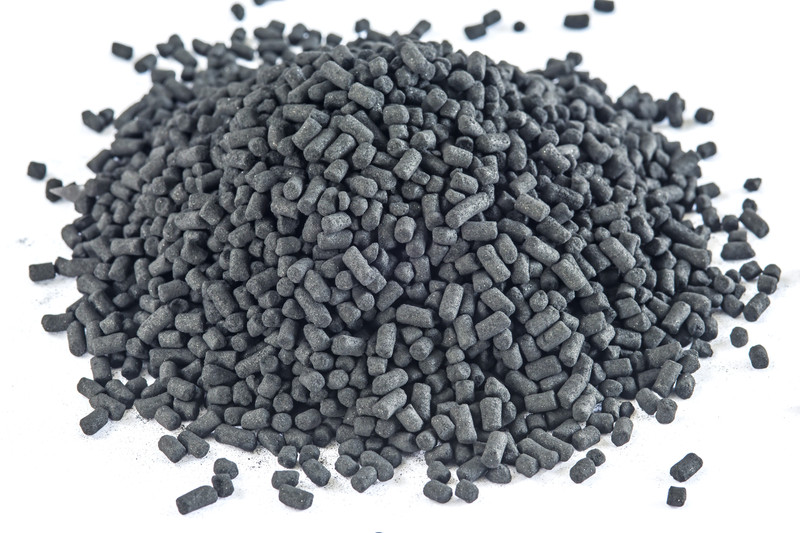
Activated carbon (often called activated charcoal) is a highly porous form of carbon that has been processed to create an enormous internal surface area. This internal network of pores gives activated carbon a remarkable ability to adsorb (bind onto its surface) organic molecules, gases, odors, and a wide range of dissolved compounds from air and water.
Because of these properties, activated carbon is widely used in water purification, air filtration, industrial processes, food and beverage production, and pharmaceutical applications. In horticulture and agriculture, the same adsorption capacity allows activated carbon to filter toxins and impurities in the root zone, moderate plant–soil interactions, and improve the physical and chemical environment around plant roots.
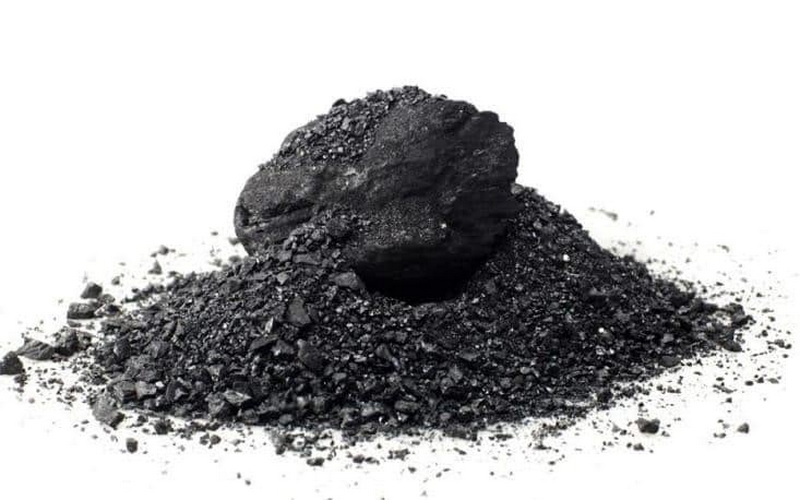
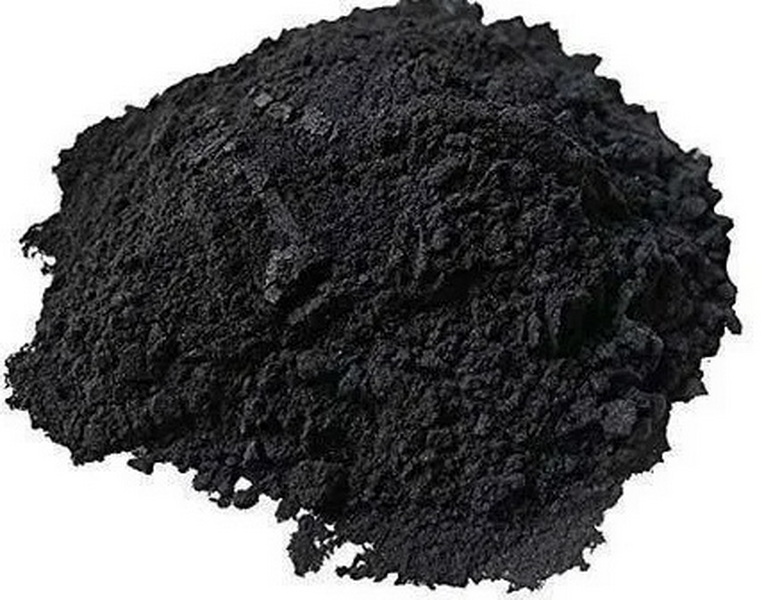
Activated carbon can be produced from many raw materials, such as coal, wood, coconut shell, or other biomass, and then activated by physical or chemical processes. Differences in raw materials and activation methods lead to different pore structures, particle sizes, and surface chemistries, which in turn influence how activated carbon behaves in plant-related applications like potting mixes or soil restoration.
Is Activated Carbon Good for Plants?
For many plant systems, the answer is yes—activated carbon is good for plants when it is integrated into a well-designed substrate or soil management strategy. It enhances drainage, supports healthier roots, removes odors, and can moderate harmful compounds in the root environment. These benefits are especially obvious in:
- Houseplants grown in containers, especially in closed or semi-closed systems
- Terrariums, paludariums, and vivariums
- Orchids and other epiphytic plants
- Restoration projects where invasive plants and allelopathy are problems
- High-input cropping systems seeking better fertilizer efficiency
However, activated carbon is not a direct plant nutrient and should not be treated as a replacement for balanced fertilization, good watering practices, and proper plant care. In some situations, using too much activated carbon or using it without understanding its effects can temporarily tie up nutrients or alter water-holding capacity in ways that are not ideal for plant growth.
Key Benefits of Activated Carbon for Plants
Improved Drainage and Aeration
One of the most practical benefits of activated carbon in potting mixes is improved drainage and aeration. The rigid, porous particles of activated carbon help loosen compacted substrates and create air-filled spaces, allowing water to move more freely through the root zone. This reduces the risk of waterlogging, which is a common cause of root rot and poor plant performance in containers.
In indoor potted plants and terrariums, activated carbon helps maintain a better moisture balance. Water can drain away or redistribute more easily, while the porous structure still holds a small amount of moisture and dissolved substances inside the carbon particles. This “buffer” effect is especially valuable for sensitive houseplants that require a balance between moisture and oxygen at the roots.
Root Health and Odor Control
Activated carbon is highly effective at adsorbing organic compounds, volatile molecules, and some metabolic by-products that can accumulate in closed or poorly ventilated containers. In a plant substrate, this means activated carbon can help moderate substances that contribute to bad smells and unhealthy conditions around roots.
In practical terms, activated carbon:
- Keeps potting mixes and terrariums smelling fresher
- Helps reduce the buildup of certain toxins and fermentation by-products from decomposing organic matter
- Supports a cleaner micro-environment, which indirectly contributes to healthier roots and shoots
For indoor plant lovers, the odor-control benefit alone makes activated carbon a popular choice, especially in glass containers, decorative pots without drainage holes, and locations with limited air movement.
Toxin and Chemical Adsorption
Another important benefit of activated carbon for plants is its ability to adsorb harmful chemicals and residues. Activated carbon has long been used in environmental and agricultural research to bind pesticides, herbicides, plant-derived toxins (allelochemicals), and other organic molecules in the soil.
In soils that have been exposed to chemical inputs or allelopathic plants, activated carbon can:
- Bind and reduce the bioavailability of some pesticides and herbicides
- Neutralize or lessen the impact of allelopathic compounds produced by certain plant species
- Help “reset” the soil environment when converting land from one use to another, particularly in restoration or transition projects
By moderating these chemical signals and residues, activated carbon can shift plant–soil feedbacks and help beneficial species gain a foothold where they previously struggled.
Support for Native Plants and Restoration
In ecological restoration, activated carbon is being explored as a tool to manage invasive species and support native plant communities. Studies show that adding activated carbon to the soil can alter plant–soil feedbacks, reduce the competitive advantage of non-native invasive plants, and increase the relative cover of native species over time.
In these projects, activated carbon is applied to the soil surface or mixed into the top layer, often at relatively high application rates compared with small container uses. The goal is to neutralize allelopathic compounds and modify microbial communities in ways that favor native plants. While results can be context-dependent and species-specific, the general pattern is that activated carbon can be a powerful instrument in restoring plant community balance when carefully managed.
Improved Use of Fertilizers in High-Input Systems
In high-input agriculture, there is growing interest in using activated carbon to improve nutrient use efficiency. By affecting how nutrients and organic molecules are retained, moved, and transformed in the soil, activated carbon can influence how effectively crops absorb fertilizers.
Potential benefits in such systems include:
- Better retention of certain nutrients in the root zone
- More targeted delivery of nutrients to plants instead of loss through leaching
- Interactions with soil microbes that can enhance nutrient cycling and organic matter dynamics
This area is still evolving and often requires technical design, but it highlights the broader potential of activated carbon as a functional soil amendment, not just a filter in pots.
Where Is Activated Carbon Most Useful?
Houseplants and Indoor Containers
Activated carbon is particularly useful for houseplants under challenging container conditions. It is most helpful when:
- Pots do not have drainage holes
- Plants are grown in decorative sleeves or cachepots where water can accumulate
- The growing environment is warm and humid, increasing the risk of odors and fungal growth
In such setups, activated carbon supports plant health by moderating moisture, improving drainage within the potting mix, and adsorbing volatile compounds that cause bad smells. It also gives peace of mind to plant owners who worry about stagnant water and root issues.
For regular pots with good drainage holes and a well-structured, airy mix, activated carbon is more of a “nice-to-have” than an essential ingredient. It can still enhance overall substrate performance, but the basics of proper watering and an appropriate medium remain more important than any single additive.
Terrariums, Paludariums, and Vivariums
Terrariums and similar enclosed environments are classic use cases for activated carbon. Because air exchange is limited and evaporation–condensation cycles are constant, these systems can quickly develop mold, bacteria, and unpleasant odors if not carefully designed.
Activated carbon is often used in one of two ways in terrariums:
- As a distinct layer above the drainage layer (such as pebbles or leca) and below the main soil layer
- Mixed in moderate amounts into a terrarium substrate blend along with materials like orchid bark, fern fiber, sphagnum moss, peat, and others
In both cases, activated carbon acts as a filter that cleans the water and air circulating inside the terrarium. It helps trap impurities, excess nutrients, and harmful compounds, creating a more stable and resilient micro-ecosystem for mosses, ferns, tropical plants, and even small animals like isopods, frogs, or invertebrates.
Orchids and Epiphytic Plants
Many orchid growers and enthusiasts use coarse activated carbon chips as part of a chunky orchid mix, often combined with orchid bark, perlite, pumice, and other airy materials. In this context, activated carbon:
- Provides a sturdy, inert surface for aerial roots to grip
- Helps prevent the buildup of excess salts from fertilizers and irrigation water
- Contributes to excellent drainage and aeration in orchid pots
Because epiphytic plants like orchids are adapted to growing on trees with high airflow around their roots, the structural role of activated carbon in such mixes is just as valuable as its chemical adsorption properties.
Land Restoration and Native Plant Projects
On degraded or previously cultivated land dominated by invasive species, activated carbon can be used at the field scale to influence plant community dynamics. When integrated into restoration designs, activated carbon helps:
- Reduce the dominance of certain aggressive non-native plants
- Increase the ratio of native to non-native species over several years
- Modify soil microbes and chemical interactions in ways that favor native vegetation
These projects often involve seeding or planting native species after applying activated carbon and may be combined with other restoration techniques. The goal is to use activated carbon as a lever to alter plant–soil feedbacks, not simply as a fertilizer or soil conditioner.
High-Input Agriculture and Fertility Management
In intensive cropping systems, activated carbon can be used to support better nutrient management. It may be applied as a soil amendment, blended with fertilizers, or integrated into irrigation systems. By adjusting how nutrients are stored and released in the soil, activated carbon can help align fertilizer availability with crop demand and reduce losses.
While this approach requires more technical planning than a simple potting mix amendment, it demonstrates the versatility of activated carbon in supporting plant growth, from small potted plants to large-scale commercial fields.
Potential Drawbacks and Misuse of Activated Carbon
Nutrient Adsorption and Imbalances
The same adsorption properties that make activated carbon valuable for trapping toxins can also affect nutrient availability. If used in very high proportions in a potting mix or soil, activated carbon may initially capture nutrients that plants could otherwise absorb, leading to temporary nutrient deficiencies or slower growth.
In some research and grower observations, activated carbon has been associated with changes in nitrogen and other nutrient levels in the substrate. In some cases, it can increase nutrient availability by improving soil processes, while in others it can tie up nutrients until the carbon becomes saturated or conditions change. This dual behavior is one reason why moderate application rates and careful monitoring are recommended.
Over-Drying or Water-Balance Problems
Activated carbon can influence the water-holding characteristics of a substrate. If combined with many other fast-draining materials (such as large quantities of perlite, bark, or gritty aggregates), the overall mix may become too free-draining for moisture-loving plants. When watering is light or infrequent, such plants may suffer from drought stress even though the intention was to protect them from overwatering.
Selecting an appropriate ratio of activated carbon to organic materials and adjusting watering practices accordingly is essential. The goal is to create a balanced environment, not an extreme “bone-dry” or “always wet” root zone.
Not a Stand-Alone Cure for Root Rot or Disease
Activated carbon is sometimes promoted as a solution for root rot, but it is important to clarify that it is a supportive tool, not a cure. Improving drainage, moderating toxins, and supporting a cleaner substrate helps reduce conditions that favor root rot, but it does not remove rot that already exists or correct chronic overwatering by itself.
Effective root-rot management still depends on:
- Correct watering frequency and volume
- Proper pot size and drainage design
- Removal of rotted roots and use of clean tools and containers
- Appropriate potting mix tailored to the plant's needs
Activated carbon can complement these steps, but it should not be relied upon as the only intervention.
Cost, Sourcing, and Grade Differences
High-quality activated carbon, especially when produced for specialized uses, can be more expensive than common horticultural amendments. For large-scale agricultural or restoration projects, cost per hectare or per ton must be carefully evaluated.
There are also differences between activated carbon grades:
- Aquarium-grade activated carbon
- Horticultural or terrarium-grade activated carbon
- Industrial-grade activated carbon for water treatment or chemical processes
Each may differ in particle size, activation method, and potential impurities or additives. For plant use, clean, well-washed, and appropriately sized activated carbon is essential. Many growers prefer products specifically marketed for horticulture or aquariums, or they thoroughly rinse and test a small amount of new material before wider use.
Practical Ways to Use Activated Carbon for Plants
General Guidelines in Potting Mixes
When adding activated carbon to potting soil, many growers use relatively modest volume ratios. In typical houseplant mixes, activated carbon might make up around 5–10% of the total volume. This amount is usually enough to support drainage, reduce odors, and provide some adsorption of impurities without significantly disrupting nutrient management.
A simple approach to create an activated carbon–enhanced potting mix could be:
- 50–60% base substrate (such as peat or coco coir)
- 20–30% aeration components (perlite, pumice, or coarse sand)
- 10–20% structural organic matter (bark, composted material)
- 5–10% activated carbon granules or chips
These ratios can be adjusted depending on plant species, container type, and watering habits.
Layered Systems in Terrariums
In terrariums and similar closed systems, activated carbon is often used as a discrete layer rather than throughout the entire substrate. A common terrarium layering strategy includes:
- A first drainage layer of small stones, expanded clay (leca), or coarse gravel
- A second layer of activated carbon, usually a thin but continuous layer
- A third layer of the main planting substrate (a custom mix of moss, soil, bark, and other materials)
The activated carbon layer acts as a filter between the drainage reservoir and the planting zone. As water cycles through the terrarium, it passes the activated carbon, which helps trap impurities and maintain a cleaner environment.
Orchid and Epiphyte Mixes
For orchids and other epiphytes, activated carbon is usually used as large chips or chunks mixed into an airy substrate. These mixes might contain bark, tree fern fiber, charcoal, perlite, and other components. The activated carbon in this context helps:
- Maintain a fresh root environment with fewer excess salts
- Provide an inert, durable structure that does not break down rapidly
- Support good airflow, which is essential for epiphytic roots
Growers can adjust the proportion of activated carbon based on species requirements and local climate.
Field and Restoration Applications
In field and restoration settings, activated carbon is typically applied based on mass per area or mass per soil volume rather than by potting mix percentage. Application rates can be substantial, especially when the goal is to strongly influence allelopathy or plant–soil feedbacks.
In such projects, activated carbon is:
- Spread over the soil surface and incorporated into the topsoil
- Combined with seeding or planting of desired native species
- Monitored over multiple seasons to assess changes in plant community composition and soil characteristics
Because these are complex systems, restoration specialists often conduct pilot trials or rely on published research to select appropriate activated carbon rates and configurations.
Examples of Effective Activated Carbon Use
To better visualize practical uses of activated carbon in real plant scenarios, consider the following examples:
- A home gardener builds a closed glass terrarium for moisture-loving tropical plants. They add a drainage layer, then a layer of activated carbon, and finally a custom substrate. Over time, the terrarium remains clear, odor-free, and healthy thanks in part to the filtration role of activated carbon.
- An orchid enthusiast repots an epiphytic orchid into a mix containing bark, perlite, and activated carbon chunks. After the change, the plant shows improved root growth and fewer issues with salt buildup, allowing the orchid to bloom more reliably.
- A restoration team works on an abandoned field dominated by invasive grasses. They apply activated carbon to the surface, lightly incorporate it, and plant native grasses and forbs. Over several seasons, the proportion of native species increases, suggesting that activated carbon helped shift plant–soil relationships in favor of native plants.
These examples highlight how activated carbon can support plant health and ecosystem function at many scales.
Conclusion
Activated carbon is a versatile and powerful tool for plant care, horticulture, and ecological management. When integrated thoughtfully into potting mixes, terrariums, orchids, restoration projects, and high-input agricultural systems, activated carbon improves drainage and aeration, protects roots, reduces odors, and moderates harmful compounds in the root zone.
At the same time, activated carbon is not a direct source of nutrients and should not replace balanced fertilization or proper watering practices. Overuse or poorly planned application can interfere with nutrient availability or water balance, so moderation and context-specific design are important. Used wisely, activated carbon enhances plant performance, supports healthier substrates, and can even contribute to restoring native plant communities and improving fertilizer efficiency.
For growers, landscapers, and restoration professionals, understanding how activated carbon behaves in different plant systems unlocks its full potential as a targeted, high-value amendment rather than a generic additive.
Contact us to get more information!
FAQ: Activated Carbon and Plants
1. Does activated carbon act as fertilizer for plants?
No. Activated carbon does not act as a traditional fertilizer because it does not directly supply key plant nutrients like nitrogen, phosphorus, or potassium. Its primary role is to modify the physical and chemical environment around roots by adsorbing organic compounds, moderating toxins, and influencing microbial activity. These effects can indirectly support better plant growth, but you still need appropriate fertilizers or nutrient-rich substrates to meet your plants' nutritional needs.
2. How much activated carbon should I add to potting soil?
For most houseplants in standard pots, activated carbon is usually added at about 5–10% of the total potting mix volume. This is often enough to support drainage and odor control without dramatically altering nutrient dynamics. In terrariums and specialized containers, activated carbon is frequently used as a thin layer between the drainage and growing medium rather than mixed throughout. Starting with moderate amounts and observing plant response is the best way to determine the ideal dose for your specific setup.
3. Is activated carbon necessary for all plants?
Activated carbon is beneficial in many situations, but it is not necessary for every plant or growing system. In well-draining pots with good-quality soil, proper watering, and adequate ventilation, plants can thrive without activated carbon. It becomes particularly valuable in enclosed or semi-enclosed systems—such as terrariums, closed pots, or containers without drainage—where moisture and impurities can accumulate. In those environments, activated carbon acts as a safety net that helps maintain balanced conditions over time.
4. Can activated carbon help prevent root rot?
Activated carbon can help reduce the risk of root rot by improving drainage, adsorbing some toxic by-products, and supporting a cleaner root environment. However, it does not eliminate root rot pathogens or fix severe overwatering on its own. Preventing root rot still requires correct watering practices, appropriate pot size, a well-aerated substrate, and regular inspection of root health. Activated carbon works best as part of a comprehensive approach to plant care rather than as a stand-alone solution.
5. Is there a difference between aquarium activated carbon and horticultural activated carbon?
Both aquarium and horticultural products are forms of activated carbon, but they may differ in particle size, shape, activation method, and potential impurities or additives. Aquarium activated carbon is formulated for water filtration, while horticultural activated carbon is tailored for use in substrates and terrariums. Many growers prefer activated carbon specifically sold for plant use, or they thoroughly rinse and test small amounts of aquarium-grade activated carbon before using it widely in potting mixes. Using clean, appropriately sized activated carbon is essential for safe long-term performance in plant systems.
Citations:
1. https://extension.usu.edu/rangelands/research/activated-carbon-restoration-technique
2. https://www.supermoss.com/the-complete-guide-to-activated-charcoal-in-horticulture/
3. https://www.sybotanica.com/blogs/soil/activated-carbon-faq
4. https://pmc.ncbi.nlm.nih.gov/articles/PMC4303759/
5. https://peerj.com/articles/14858.pdf
6. https://planethouseplant.com/how-to-use-activated-charcoal-for-plants/
7. https://ome.design/blogs/guides/terrarium-layers-guide
8. https://modernrium.com.au/blogs/news/activated-charcoal-terrarium
9. https://www.bonsainut.com/threads/activated-carbon-good-for-soil.64457/
10. https://www.motherearthnews.com/organic-gardening/gardening-techniques/horticultural-charcoal-vs-activated-charcoal-for-plants-sick-soils-zm0z24amzolk/


