Content Menu
● What Is Activated Carbon?
● Activated Carbon vs Charcoal: Are They the Same?
● Why People Call It “Activated Charcoal”
● How Activated Carbon Works
● Main Types of Activated Carbon
>> Powdered Activated Carbon (PAC)
>> Granular Activated Carbon (GAC)
>> Extruded or Pelletized Activated Carbon
● Industrial Applications of Activated Carbon
>> Water Treatment and Wastewater Purification
>> Air and Gas Purification
>> Food and Beverage Processing
>> Chemical, Oil, and Gas Industries
>> Pharmaceutical and Medical Uses
● Advantages of Activated Carbon for Industrial Users
● How to Choose the Right Activated Carbon
● Is Activated Carbon Charcoal in Everyday Use?
● Conclusion
● FAQ About Activated Carbon
>> 1. Is activated carbon the same as charcoal?
>> 2. Why is activated carbon used for water treatment?
>> 3. How is activated carbon made?
>> 4. Can activated carbon be regenerated and reused?
>> 5. What industries use activated carbon the most?
● Citations:
Activated carbon is closely related to charcoal, but it is not exactly the same material. In technical and industrial contexts, activated carbon refers to a specially processed, highly porous adsorbent designed for precise purification tasks in water, air, gas, food, and pharmaceutical applications. In everyday language, many people casually call it “activated charcoal,” but this can hide important performance and quality differences that matter for professional users and buyers.
For a global industrial supply chain, understanding the distinction between ordinary charcoal and activated carbon is essential. Activated carbon is engineered to offer extremely high internal surface area and a carefully developed pore structure, which enable it to capture and hold a wide range of contaminants. This makes activated carbon a key technology for modern environmental protection, product quality control, and process optimization in many industries worldwide.
What Is Activated Carbon?
Activated carbon is a carbon‑rich material that has been processed to create an extremely large internal surface area filled with a network of microscopic pores. These pores provide countless active sites where molecules from liquids or gases can be trapped through a process called adsorption. Thanks to this highly developed structure, activated carbon can remove colors, odors, organic compounds, and certain inorganic impurities from water, air, and process streams.
The raw materials used to produce activated carbon typically include coconut shells, coal, wood, nutshells, and other carbonaceous feedstocks. These materials are first carbonized, meaning they are heated in the absence of oxygen to remove volatile components and leave behind a carbon skeleton. In the next step, the carbon is “activated” using steam, hot gases, or chemical activation agents at high temperature. This activation process opens and enlarges the pore structure, dramatically increasing the internal surface area and turning the material into high‑performance activated carbon.
Activated carbon performance is usually described by parameters such as surface area, pore size distribution, iodine number, methylene blue value, hardness, and ash content. By adjusting the raw material and activation conditions, manufacturers can design activated carbon grades optimized for specific applications such as water treatment, air and gas purification, food and beverage decolorization, solvent recovery, and pharmaceutical purification. The result is a broad family of activated carbon products tailored to different industrial needs.
Activated Carbon vs Charcoal: Are They the Same?
Charcoal is a relatively simple product made by carbonizing biomass such as wood in the absence of oxygen. It generally has lower surface area, a less developed pore structure, and is commonly used as a fuel, cooking material, or for basic odor control. While charcoal is mainly valued for its combustion properties, it has limited and inconsistent adsorption performance when compared with activated carbon.
Activated carbon, by contrast, is produced by taking a carbonized material similar to charcoal and then subjecting it to an additional activation step. This step dramatically increases the internal surface area and creates a dense network of micro‑, meso‑, and macropores. Because of this, activated carbon can adsorb a much larger quantity of contaminants per unit weight than ordinary charcoal. It is therefore not just “charcoal,” but a high‑performance adsorbent used for critical purification and separation tasks.
In practical terms, charcoal is mostly a fuel and simple absorbent, while activated carbon is a refined, high‑purity, carbon‑rich material engineered for industrial purification. This is why industries such as municipal water treatment, chemical production, food and beverage, and pharmaceuticals rely on activated carbon instead of ordinary charcoal. They need predictable performance, documented specifications, and media that can help them meet strict regulatory standards and quality requirements.
Why People Call It “Activated Charcoal”
Despite the technical differences, the terms “activated carbon,” “activated charcoal,” and “active carbon” are often used interchangeably in everyday conversations and even in some product labels. In consumer markets, such as cosmetic products, home water filters, pet care, and dietary supplements, “activated charcoal” is a familiar and marketable phrase that many people recognize instantly.
From a professional standpoint, however, “activated carbon” is the more precise and widely accepted technical term. It emphasizes that the material belongs to a broad family of engineered carbons with different raw materials, activation methods, and performance characteristics. When engineers, buyers, and quality managers specify a product, they usually focus on detailed activated carbon data such as surface area, pore size distribution, adsorption capacity, hardness, and compliance with industry standards.
Understanding that “activated charcoal” usually means an activated carbon material helps avoid confusion. For example, two products both labeled “activated charcoal” may have very different properties depending on whether they are coconut‑based or coal‑based, powdered or granular, and tailored for water, air, or solvent vapor treatment. Using the more accurate term “activated carbon,” together with technical specifications, ensures that users get the right adsorbent for their systems.
How Activated Carbon Works
Activated carbon works through a mechanism called adsorption. Adsorption is a surface phenomenon in which molecules from a liquid or gas adhere to the surface of a solid. Because activated carbon has an enormous internal surface area—often hundreds or even over a thousand square meters per gram—there are many locations where molecules can be captured and held by physical forces or chemical interactions.
The pore structure plays a crucial role in this process. Micropores are extremely small pores that are ideal for trapping small molecules. Mesopores and macropores are larger pores that help transport molecules into the interior and allow the activated carbon to handle bigger molecules. The overall distribution of pore sizes determines which contaminants an activated carbon will adsorb most efficiently, which is why different grades are developed for specific applications.
In many industrial systems, activated carbon can be used in fixed beds, moving beds, or as a powdered dose in batch processes. Over time, the activated carbon becomes “loaded” with contaminants, and its adsorption capacity decreases. In some cases, the spent activated carbon can be thermally reactivated. Reactivation drives off the adsorbed compounds and restores most of the original adsorption capacity, enabling the media to be reused and reducing waste. This makes activated carbon not only effective but also a relatively sustainable purification option.
Main Types of Activated Carbon
Powdered Activated Carbon (PAC)
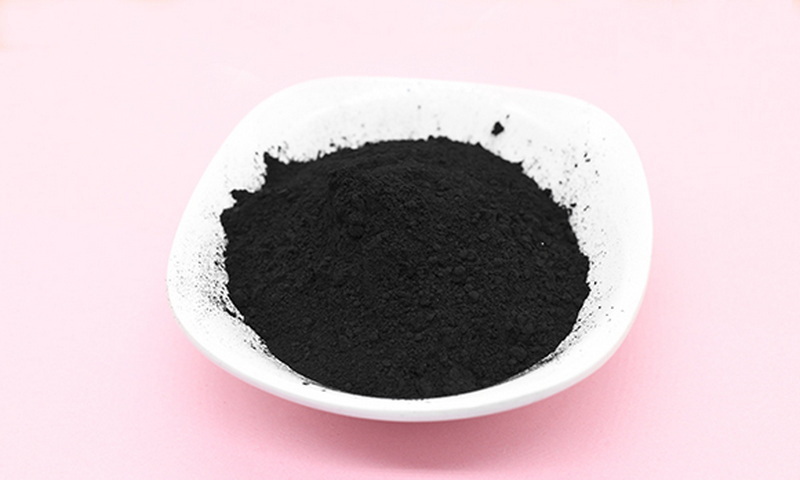
Powdered activated carbon consists of very fine particles, typically less than a few hundred micrometers in size. PAC is often added directly into liquid streams or stirred into tanks, where it provides rapid adsorption due to its large external surface and short diffusion paths. It is widely used for short‑contact, high‑efficiency treatments, such as removing tastes, odors, and micropollutants in drinking water and wastewater treatment.
PAC is usually separated from the treated fluid by sedimentation, filtration, or other solid–liquid separation methods. Because it is dosed and removed in a relatively flexible way, PAC allows plants to respond quickly to seasonal changes, sudden contamination events, or temporary quality issues. However, it typically cannot be easily regenerated on‑site and is often used once before disposal or external reactivation.
Granular Activated Carbon (GAC)
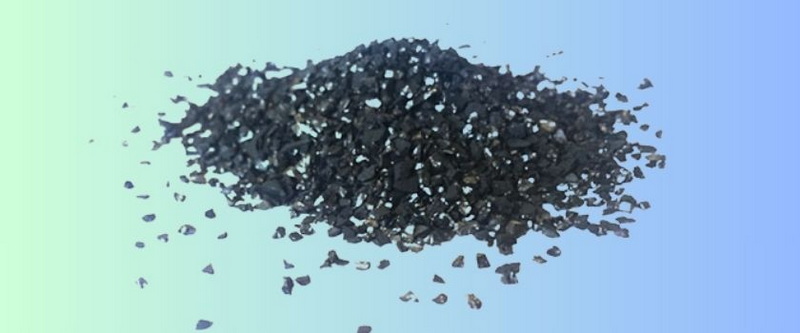
Granular activated carbon is composed of larger particles, often in the range of 0.5 to several millimeters. GAC is commonly used in fixed or moving bed filters, columns, and contactors. Water or gas flows through the packed bed of granular activated carbon, and contaminants are removed as they come into contact with the carbon surface inside the pores.
GAC systems are preferred for continuous, long‑term treatment and are widely used in municipal water plants, industrial process water systems, groundwater remediation, and air or gas treatment units. One of the key advantages of GAC is that it can often be removed from the filter vessels, sent to a specialized facility for thermal reactivation, and then returned for reuse. This makes GAC an economical choice for large‑scale operations.
Extruded or Pelletized Activated Carbon
Extruded or pelletized activated carbon is manufactured by combining activated carbon powder with a binder and forming it into cylindrical or shaped pellets. These pellets offer high mechanical strength, low dust, and controlled size, which is very helpful for gas‑phase applications where pressure drop and handling characteristics are important.
Pelletized activated carbon is widely used in industrial air and gas treatment. Typical applications include removal of volatile organic compounds (VOCs), solvent vapors, odors, and hazardous gases from process exhausts and ventilation systems. It is also used in solvent recovery units, where the adsorbed solvent is later desorbed, condensed, and reused, providing both environmental and economic benefits.
Industrial Applications of Activated Carbon
Water Treatment and Wastewater Purification
One of the most important uses of activated carbon is in water treatment. Activated carbon is used in drinking water production, municipal water plants, and industrial water systems to remove organic contaminants, odors, tastes, and certain trace chemicals. Granular activated carbon filters are often installed after conventional treatment processes to provide a polishing step that improves aesthetic quality and removes remaining micropollutants.
In wastewater treatment, activated carbon helps remove residual organics, dyes, and complex chemicals that may not be fully broken down by biological processes. Using activated carbon in tertiary treatment enables facilities to meet stringent discharge regulations and to protect rivers, lakes, and groundwater from harmful substances. Industrial plants in sectors such as textiles, chemicals, and pharmaceuticals often rely on activated carbon to maintain compliance and improve environmental performance.
In addition, activated carbon is widely used in household and commercial point‑of‑use systems. Many domestic water filters, refrigerator cartridges, and dispenser filters contain activated carbon to improve taste, reduce chlorine, and remove certain organic contaminants. For users, this is often their first direct contact with activated carbon, even if they simply think of it as “charcoal” inside a filter.
Air and Gas Purification
Activated carbon is a key technology for controlling air and gas pollutants. In industrial air treatment, activated carbon filters are installed to remove VOCs, odors, and hazardous gases from exhaust streams. Painting lines, printing houses, chemical plants, refineries, and many other facilities use activated carbon to capture solvents and toxic components before releasing the air to the atmosphere.
In gas purification, specialized activated carbon grades are formulated to target particular contaminants. For example, impregnated activated carbon can remove hydrogen sulfide, ammonia, mercury vapor, and other challenging pollutants from process gases or natural gas. These applications protect downstream equipment from corrosion, improve product quality, and enhance workplace safety.
Activated carbon is also present in many everyday air purification products. Air purifiers for homes and offices often include activated carbon layers to absorb odors and gaseous pollutants that cannot be captured by particle filters alone. Vehicle cabin filters and HVAC systems in buildings use activated carbon media to improve indoor air quality and comfort for occupants.
Food and Beverage Processing
The food and beverage industry relies heavily on activated carbon to ensure product quality and appearance. Sugar solutions, syrups, juice concentrates, alcoholic beverages, and various food ingredients are often treated with activated carbon to remove unwanted colors, odors, and off‑flavor compounds. This helps manufacturers achieve a consistent, attractive appearance and a stable sensory profile.
Because activated carbon can be tailored to minimize adsorption of desirable components while focusing on unwanted impurities, it is suitable for sensitive products. For example, it can help remove color bodies and trace contaminants without significantly affecting the main nutrients or active ingredients. Both powdered and granular activated carbon systems are used, depending on whether the process is batch‑based or continuous.
In edible oil refining, activated carbon may assist in removing pigments, polyaromatic compounds, and other undesirable components. This contributes to clear, stable oils with improved shelf life. By using the appropriate activated carbon grade and operating conditions, food and beverage producers can maintain quality while meeting safety and regulatory requirements.
Chemical, Oil, and Gas Industries
In the chemical and petrochemical industries, activated carbon is used for purification and environmental control across many stages of production. It removes trace contaminants from feedstocks, intermediates, and final products, preventing catalyst poisoning and improving product stability. In oil refining, activated carbon can assist in polishing fuels, lubricants, and other streams to enhance color, odor, and performance.
Activated carbon is also integral to many emission control systems. Vapor recovery units use activated carbon to capture hydrocarbons from storage tanks and loading facilities, allowing the hydrocarbons to be recovered and reused. This not only reduces environmental impact but also recovers valuable product. Similarly, activated carbon beds in flue gas treatment systems adsorb harmful organic compounds and certain heavy metal vapors before they are released to the atmosphere.
In natural gas treatment and gas processing plants, activated carbon and impregnated activated carbon grades are applied to remove sulfur compounds, mercury, and other corrosive or toxic substances. By protecting equipment and pipelines from corrosion and reducing contaminants, these systems support safe and efficient operation.
Pharmaceutical and Medical Uses
In pharmaceutical manufacturing, activated carbon is used to purify intermediates, active ingredients, and finished products. It can remove color bodies, by‑products, and trace impurities that might affect purity, stability, or safety. Selected pharmaceutical‑grade activated carbons offer low extractables, controlled particle size, and consistent performance, which are crucial for meeting strict regulatory standards.
In medicine, activated carbon is well known as a treatment for certain types of poisoning and overdose. When administered under professional supervision, activated carbon can adsorb many toxins in the gastrointestinal tract, reducing their absorption into the bloodstream. It is also used in some medical devices and filters, including respiratory filters and dialysis equipment, where activated carbon helps remove specific contaminants from air or fluids.
Advantages of Activated Carbon for Industrial Users
Activated carbon offers a unique combination of capabilities that make it very attractive for industrial users. Its high adsorption capacity enables efficient removal of a wide range of contaminants. It can work in both liquid and gas phases, making it versatile across many processes. Additionally, many activated carbon systems are relatively simple to operate, with rapid start‑up and consistent performance when properly designed and maintained.
Another major advantage is the possibility of reactivation and reuse. Instead of disposing of spent activated carbon, some industries send it to specialized reactivation facilities. There, thermal processes drive off the adsorbed contaminants and restore much of the original adsorption capacity. This reduces waste, lowers life‑cycle cost, and supports sustainability goals.
Activated carbon also integrates well with other treatment technologies. For example, it can be used downstream of biological treatment, upstream of membrane filtration, or in parallel with other adsorbents and catalysts. This flexibility allows engineers to design optimized treatment trains that deliver the desired effluent quality or product purity.
How to Choose the Right Activated Carbon
Choosing the right activated carbon begins with a clear understanding of the process conditions and treatment goals. Users must consider whether they are treating water, wastewater, air, gas, food liquids, solvents, or process chemicals. They should define the target contaminants, required removal efficiency, typical loading, and contact time available in the system.
Key parameters used to evaluate activated carbon include iodine number, methylene blue value, surface area, pore size distribution, hardness, ash content, and particle size. These properties influence how quickly and how much a given activated carbon can adsorb specific contaminants. Pilot tests and laboratory adsorption studies are often used to compare different activated carbon grades under realistic operating conditions.
It is also important to consider operational and economic factors. Decisions such as using powdered activated carbon versus granular activated carbon, selecting single‑use or reactivated media, and designing fixed or moving bed systems all affect long‑term cost and performance. Working with experienced activated carbon manufacturers and technical teams helps users match the right activated carbon solutions to their exact requirements.
Is Activated Carbon Charcoal in Everyday Use?
In everyday conversation, many people treat activated carbon as a type of charcoal and use the terms interchangeably. When they buy “charcoal filters” for water or air, they often receive products that contain activated carbon. From a consumer point of view, this simplified language is understandable, because both materials are black, carbon‑based, and derived from similar raw materials.
However, from a technical and industrial perspective, it is more accurate to say that activated carbon is a specially activated form of charcoal‑like carbon. It undergoes carefully controlled activation processes to create a much higher surface area and optimized pore structure. This transformation is what makes activated carbon such a powerful tool for purification, separation, and environmental control.
By recognizing this difference, industrial users and engineers can specify and select activated carbon grades that are truly suited to their needs instead of relying on generic “charcoal” descriptions. This leads to better performance, more reliable compliance with regulations, lower operating costs, and more sustainable industrial operations.
Conclusion
Activated carbon is not just ordinary charcoal; it is a highly engineered adsorbent produced by activating carbon‑rich materials to create an enormous internal surface area and a tailored pore structure. This engineered structure gives activated carbon a much higher adsorption capacity and far more consistent performance than simple charcoal. For demanding applications, this difference is critical.
Although “activated carbon” and “activated charcoal” are often used interchangeably in everyday language, industrial and professional users rely on detailed activated carbon specifications and test data. Across water treatment, air and gas purification, food and beverage processing, chemical and petrochemical production, and pharmaceutical manufacturing, activated carbon has become one of the most important and versatile purification materials.
Understanding how activated carbon is made, how it works, and how it differs from ordinary charcoal allows decision‑makers to choose the right products and system designs. With proper selection and operation, activated carbon solutions can help industries produce cleaner products, reduce emissions, protect equipment, and achieve long‑term sustainability goals in a cost‑effective way.
Contact us to get more information!
FAQ About Activated Carbon
1. Is activated carbon the same as charcoal?
No. Activated carbon is made from carbonaceous materials similar to those used for charcoal, but it undergoes an additional activation step that creates a much higher surface area and a more developed pore structure. Ordinary charcoal is mainly used as a fuel or simple absorbent, while activated carbon is specifically engineered for high‑performance purification and adsorption.
2. Why is activated carbon used for water treatment?
Activated carbon is widely used in water treatment because it can adsorb a broad range of organic contaminants, taste‑ and odor‑causing compounds, and some trace chemicals. Granular activated carbon filters in municipal and industrial plants provide an effective polishing step that improves water quality and helps meet strict regulatory standards. In household filters, activated carbon also improves the taste and smell of drinking water.
3. How is activated carbon made?
Activated carbon is produced by first carbonizing raw materials such as coconut shells, wood, or coal to create a basic carbon structure. Then the carbonized material is activated at high temperature using steam, gases, or chemical agents. This activation process opens and enlarges pores, dramatically increasing internal surface area and creating the network of pores that gives activated carbon its strong adsorption capability.
4. Can activated carbon be regenerated and reused?
Yes, many industrial activated carbon grades can be thermally reactivated. In reactivation facilities, the spent activated carbon is heated to drive off the adsorbed contaminants and restore a large portion of its original adsorption capacity. This allows the regenerated activated carbon to be reused in treatment systems, which reduces waste and lowers overall operating costs for long‑term projects.
5. What industries use activated carbon the most?
Activated carbon is heavily used in water and wastewater treatment, air and gas purification, food and beverage processing, chemical and petrochemical production, oil and gas refining, and pharmaceutical and medical applications. In all of these industries, activated carbon plays a key role in removing impurities, protecting equipment and catalysts, meeting environmental standards, and ensuring consistent product quality.
Citations:
1. https://en.wikipedia.org/wiki/Activated_carbon
2. https://activatedcarbon.com/applications
3. https://www.calgoncarbon.com/industrial-air-treatment/
4. https://www.donau-carbon.com/getattachment/76f78828-2139-496f-9b80-6b6b9bdc6acc/aktivkohle.aspx
5. https://activatedcarbondepot.com/blogs/news/activated-carbon-in-the-oil-and-gas-industry-applications-in-refining-processes
6. https://www.westerncarbon.com/activated-carbon-activated-charcoal/
7. https://activatedcarbon.com/applications/air-and-gas
8. https://www.sciencedirect.com/science/article/pii/S1573428506800189
9. https://cementplantequipment.com/what-is-the-differences-between-charcoal-and-activated-charcoal/
10. https://rajahfiltertechnics.com/uncategorized/the-science-behind-activated-carbon-how-it-works-and-why-its-effective/
11. https://www.coral.eu/en/insight/i-carboni-attivi-negli-impianti-di-filtrazione-dellaria-industriale/
12. https://www.charcoalmachinery.com/differences-between-wood-charcoal-and-activated-carbon/
13. https://www.jacobi.net/air-gas-treatments/
14. https://jamescumming.com.au/articles/uses-for-activated-carbon/
15. https://generalcarbon.com/facts-about-activated-carbon/activated-carbon-faq/


