Content Menu
● What Does “Biodegradable” Mean?
● Is Activated Carbon Itself Biodegradable?
>> Refractory, Not Biodegradable in the Usual Sense
>> Activated Carbon vs. Biochar and Other Carbon Materials
● Biodegradation of Pollutants vs. Biodegradation of Activated Carbon
>> Microbial Degradation of Adsorbed Pollutants
>> Activated Carbon as a Sorbent, Not a Substrate
● Environmental Impact and Sustainability of Activated Carbon
>> Role of Activated Carbon in Environmental Protection
>> Raw Materials and Life‑Cycle Considerations
● Regeneration, Reuse, and Disposal of Activated Carbon
>> Thermal and Chemical Regeneration
>> Landfilling and Other Disposal Routes
● Industrial Applications of Activated Carbon
>> Key Industrial Uses
>> Biodegradability vs. System Design
● How Activated Carbon Supports Sustainability Goals
>> Contribution to Cleaner Water and Air
>> Circular Approaches: Regeneration and Resource Efficiency
● Communicating About Activated Carbon and Biodegradability to Customers
● Conclusion
● FAQ About Activated Carbon and Biodegradability
>> 1. Is activated carbon biodegradable in soil or water?
>> 2. Can microorganisms break down activated carbon in filters?
>> 3. How is spent activated carbon disposed of if it is not biodegradable?
>> 4. Is biomass‑based activated carbon more environmentally friendly?
>> 5. Does the use of activated carbon support sustainability goals even if it is not biodegradable?
● Citations:
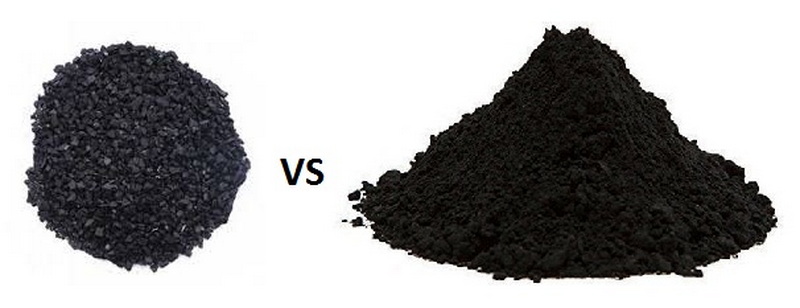
Activated carbon plays a critical role in modern industry, especially in water treatment, air and gas purification, and many other environmental and process applications. Because activated carbon is used to capture pollutants, many buyers now ask whether activated carbon is biodegradable and how sustainable it really is across its full life cycle.
In this article, we will explain what biodegradability means for activated carbon, how activated carbon behaves in the environment, and what this implies for industrial users who care about sustainability, ESG performance, and regulatory compliance. We will also look at how activated carbon is produced, regenerated, and disposed of, and how you can communicate these issues to your customers in a clear and professional way.
What Does “Biodegradable” Mean?
Biodegradability usually refers to the ability of a material to be broken down by microorganisms into water, carbon dioxide, biomass, and other simple substances under normal environmental conditions. Common biodegradable materials include many types of food waste, paper, wood, and some bioplastics that microorganisms can digest relatively quickly.
Activated carbon, however, is a highly carbonized, thermally treated material with a very stable graphitic structure, designed specifically to resist chemical and biological attack while adsorbing contaminants. This engineered stability is excellent for performance in filters and industrial systems, but it also means the base activated carbon itself does not easily break down in soil or water through normal microbial activity.
As a result, when we speak strictly in terms of biodegradability, activated carbon is not considered biodegradable in the same way as typical organic wastes. It behaves more like a long‑lasting solid phase that remains in the environment unless it is regenerated, oxidized at high temperature, or properly disposed of.
Is Activated Carbon Itself Biodegradable?
Refractory, Not Biodegradable in the Usual Sense
Industry technical guidance often describes activated carbon as a refractory material that is not amenable to breakdown by natural chemical or enzymatic processes. In practical terms, this means the following:
- Activated carbon is not soluble in water and does not easily enter cells where biodegradation normally occurs.
- It only breaks down under extreme conditions, such as strong oxidizing environments at high temperature, eventually converting to carbon dioxide.
- Under normal environmental conditions in soil, sediment, or water, activated carbon particles remain largely unchanged for long periods.
From a regulatory or scientific perspective, this behavior means activated carbon is not classified as biodegradable in the same way as organic wastes or biodegradable plastics. It is designed to be physically and chemically stable so that it can be used repeatedly in demanding industrial environments.
Activated Carbon vs. Biochar and Other Carbon Materials
Activated carbon is related to other carbonaceous materials such as biochar and charcoal, but its processing and pore structure are different. All these materials can persist in soils for years or decades, acting more like long‑term carbon reservoirs than short‑lived biodegradable substances.
Biochar, for example, is often used intentionally as a soil amendment because of its long‑term stability, which helps with carbon sequestration and soil health. Activated carbon shares this long‑term stability, although it is optimized for adsorption performance rather than soil application. For industrial buyers, the key point is that activated carbon remains solid and stable, rather than quickly disintegrating via microbial activity.
Biodegradation of Pollutants vs. Biodegradation of Activated Carbon
A common confusion is between biodegradation of contaminants that are adsorbed on activated carbon and biodegradation of the activated carbon itself. In many industrial systems, the activated carbon is stable, but it can support biological processes that break down pollutants.
Microbial Degradation of Adsorbed Pollutants
In many systems, especially granular activated carbon (GAC) filters for water treatment, microorganisms can colonize the surface of activated carbon particles and biodegrade organic pollutants that have been adsorbed. Research and practical experience show that:
- Drinking water filters using granular activated carbon often rely on both adsorption and biological activity to remove trace organics.
- In some studies, the presence of granular activated carbon has enhanced biodegradation of compounds such as benzene, toluene, ethylbenzene, and xylenes, combining sorption and biodegradation in one step.
- Activated carbon amendments in soils can change the microbial community but still allow biodegradation of polycyclic aromatic hydrocarbons (PAHs) and other contaminants.
In these cases, activated carbon acts as a support or habitat for microbes, rather than something that microbes consume as food. The pollutants are degraded biologically, but the activated carbon skeleton remains.
Activated Carbon as a Sorbent, Not a Substrate
Because activated carbon is highly stable, microbes generally do not use it as a carbon source in the way they use sugars, fats, or simple organic molecules. Instead:
- Microbes grow on the surface of the activated carbon and in its pore structure.
- They use adsorbed pollutants or dissolved organic matter in the surrounding water as nutrients.
- The structure of activated carbon remains largely intact, even as pollutants are broken down.
This distinction is critical when evaluating “biodegradability” in environmental or regulatory discussions. Activated carbon enables biodegradation of contaminants without itself being biodegradable.
Environmental Impact and Sustainability of Activated Carbon
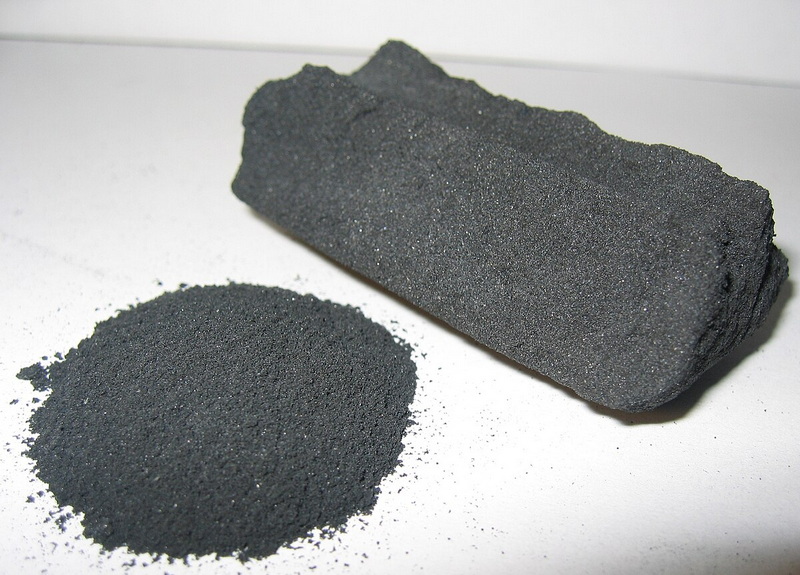
Even though activated carbon is not biodegradable, it can still be part of highly sustainable environmental solutions when manufactured, used, regenerated, and disposed of correctly. For many industrial users, the overall environmental impact and life‑cycle performance of activated carbon matter more than its strict biodegradability.
Role of Activated Carbon in Environmental Protection
Activated carbon is widely used to reduce emissions and protect water quality, delivering clear environmental benefits:
- Removal of organic micropollutants, taste and odor compounds, and trace contaminants from drinking water and wastewater.
- Treatment of industrial effluents and process water to meet stringent discharge standards.
- Air and gas purification, including volatile organic compound (VOC) control, odor removal, and flue gas treatment for power plants and incinerators.
- Purification of biogas and other gas streams by removing hydrogen sulfide and other harmful components.
By trapping contaminants and allowing clean water and air to be discharged, activated carbon helps reduce health and ecological risks, even if the material itself is not biodegradable. In many cases, activated carbon is the key technology that allows industrial plants to comply with modern environmental regulations.
Raw Materials and Life‑Cycle Considerations
The environmental footprint of activated carbon depends strongly on its raw materials and production technology. Common feedstocks include:
- Coal and lignite.
- Peat and wood.
- A wide range of biomass wastes such as coconut shell, sawdust, sugar cane bagasse, and rice husk.
Life‑cycle assessment studies show that choosing biomass‑based raw materials and efficient activation processes can significantly reduce overall environmental impacts. Coconut shell activated carbon, in particular, is frequently highlighted as a powerful and sustainable option due to its high hardness, high surface area, and renewable feedstock base.
For industrial buyers, this means the sustainability of activated carbon is not only about biodegradability but about the entire life cycle from feedstock selection to production, use, regeneration, and end‑of‑life management.
Regeneration, Reuse, and Disposal of Activated Carbon
Since activated carbon is not biodegradable, efficient regeneration and responsible disposal are essential to minimize waste and environmental burden. A well‑planned regeneration strategy can transform activated carbon from a single‑use consumable into part of a circular process.
Thermal and Chemical Regeneration
Spent granular activated carbon can often be reactivated instead of being landfilled. The main regeneration methods include:
- Thermal reactivation: Spent activated carbon is heated at high temperatures, typically 800–900 °C, in a controlled atmosphere with steam or inert gas. This process removes adsorbed organics and restores much of the original pore structure and adsorption capacity.
- Chemical regeneration: Acids, bases, or other reagents are used to dissolve or desorb fouling compounds at much lower temperatures. This method can be suitable for certain applications where thermal treatment would damage the activated carbon or be too energy‑intensive.
- Emerging regeneration technologies: Microwave heating, advanced oxidation, and bio‑regeneration methods are being studied and implemented to reduce energy consumption and optimize the reactivation of activated carbon.
By regenerating activated carbon, operators can extend carbon life cycles, reduce the volume of hazardous waste, and improve the sustainability profile of their treatment systems. Regeneration also often reduces the total cost of ownership, especially for large‑scale industrial users of granular activated carbon.
Landfilling and Other Disposal Routes
When activated carbon cannot be regenerated economically—often due to the nature or concentration of adsorbed contaminants—it must be disposed of via regulated routes. Depending on the contaminants and local regulations, disposal options may include:
- Landfilling in controlled, engineered facilities with appropriate liners and leachate treatment.
- Thermal destruction in incinerators, where both the activated carbon and adsorbed contaminants are oxidized.
- Co‑processing in cement kilns or other high‑temperature industrial furnaces where energy content and carbon can be utilized.
In many cases, activated carbon with captured contaminants will be regarded as hazardous or special waste, requiring strict handling and documentation. While landfill disposal does not rely on biodegradation of activated carbon, it ensures environmental protection by controlling leachate and emissions. For responsible producers and users, it is good practice to work with professional waste management partners who understand the specific requirements for spent activated carbon.
Industrial Applications of Activated Carbon
In most industrial applications, the primary requirement for activated carbon is stable, high‑performance adsorption rather than biodegradability. The unique pore structure and high surface area of activated carbon make it an indispensable material in many sectors.
Key Industrial Uses
Activated carbon is used across a wide range of industries, including:
- Water treatment: Municipal drinking water treatment, groundwater remediation, industrial wastewater treatment, and process water polishing all rely heavily on powdered or granular activated carbon. Activated carbon removes taste and odor compounds, pesticides, pharmaceuticals, disinfection by‑product precursors, and many other organics.
- Air and gas purification: Activated carbon is widely used in VOC abatement systems, solvent recovery units, odor control systems, gas purification for chemical plants, and gas mask cartridges to protect workers.
- Food and beverage: In sugar refining, beverage clarification, edible oil purification, and specialty ingredient processing, activated carbon is used to decolorize, deodorize, and remove off‑flavors and contaminants, helping manufacturers meet stringent quality standards.
- Chemical and pharmaceutical: Activated carbon purifies intermediates, removes color bodies and trace organics, protects catalysts, and helps ensure the purity of active pharmaceutical ingredients and fine chemicals.
- Metals and mining: In gold recovery and other hydrometallurgical processes, activated carbon selectively adsorbs metal complexes, enabling efficient extraction and refining.
In all these cases, users depend on activated carbon's mechanical strength, chemical stability, and high surface area, properties that would be compromised if the material were easily biodegradable. A biodegradable adsorbent would lose performance too quickly and could not withstand aggressive process conditions.
Biodegradability vs. System Design
For environmental and process engineers, the key design questions are not whether activated carbon is biodegradable, but whether it can meet performance and sustainability requirements:
- How effectively can activated carbon remove target contaminants at the required flow rates and concentrations?
- How long will the activated carbon bed perform before breakthrough and change‑out?
- What is the regeneration or replacement strategy, and how will spent activated carbon be handled safely and economically?
- How does the use of activated carbon affect the overall environmental footprint of the system, taking into account energy, chemicals, and waste?
Biodegradability of the activated carbon itself is usually not required or even desirable in high‑performance industrial systems. Instead, stability and regenerability are the key properties that support both technical performance and sustainable operation.
How Activated Carbon Supports Sustainability Goals
Even though activated carbon is not biodegradable, it can contribute significantly to corporate sustainability and ESG goals when applied correctly throughout its life cycle. Many companies now evaluate activated carbon solutions in terms of climate impact, resource use, and circularity.
Contribution to Cleaner Water and Air
Activated carbon helps industries, municipalities, and service providers meet strict environmental standards for water and air quality. By using activated carbon:
- Municipal utilities can deliver safe drinking water that meets or exceeds regulations on micropollutants, taste, and odor.
- Industrial facilities can reduce emissions of VOCs, odors, and toxic gases, improving local air quality.
- Wastewater treatment plants can remove priority contaminants and micro‑pollutants that are not easily eliminated by conventional biological treatment.
These benefits directly support public health, regulatory compliance, and environmental protection. For many users, the use of activated carbon is essential to maintain their operating licenses and community acceptance.
Circular Approaches: Regeneration and Resource Efficiency
A sustainable strategy for activated carbon focuses on circular use rather than single‑use disposal. Key elements include:
- Selecting renewable feedstocks such as coconut shell activated carbon where feasible.
- Designing systems so that granular activated carbon can be regenerated multiple times without losing performance.
- Partnering with suppliers that offer return, regeneration, and recycling services for spent activated carbon.
- Monitoring system performance and optimizing operating conditions to maximize the useful life of activated carbon beds.
By integrating these principles into system design, users can significantly reduce waste generation, conserve resources, and lower the overall environmental footprint of their purification processes, even though the activated carbon itself does not biodegrade.
Communicating About Activated Carbon and Biodegradability to Customers
Many end users now ask whether materials are biodegradable because they associate biodegradability with being eco‑friendly. For activated carbon suppliers and industrial buyers, it is important to respond with accurate but reassuring information that reflects the real environmental profile of activated carbon.
A clear, practical message might be:
- Activated carbon itself is not biodegradable under normal conditions, because it is a highly stable carbon material engineered for long‑term performance.
- However, activated carbon is a key technology for cleaning water, air, and gas streams, helping reduce pollution and protect health and ecosystems.
- Activated carbon can be produced from renewable biomass and used in systems that emphasize regeneration, reuse, and responsible disposal, making it a central component of many sustainability strategies.
This balanced explanation helps customers understand why activated carbon remains a cornerstone of green purification technologies despite not being biodegradable in the strict sense. It also positions activated carbon as a responsible, high‑performance choice for companies seeking to improve both environmental performance and process efficiency.
Conclusion
From a strict scientific perspective, activated carbon is not biodegradable under normal environmental conditions. Its highly carbonized and stable structure is specifically engineered to resist biological and chemical attack, ensuring that activated carbon maintains its adsorption performance in demanding industrial applications.
However, this lack of biodegradability does not prevent activated carbon from being an environmentally valuable material. Activated carbon plays a vital role in protecting water resources, air quality, and industrial process purity by adsorbing a wide variety of contaminants. When produced from sustainable feedstocks, integrated into regeneration‑focused systems, and managed responsibly at the end of its life, activated carbon can contribute significantly to corporate sustainability, regulatory compliance, and overall environmental protection.
For industrial users, the most important questions are not whether activated carbon is biodegradable, but how effectively activated carbon can remove pollutants, how easily it can be regenerated, and how efficiently it can be integrated into circular, low‑waste treatment solutions. With proper design and management, activated carbon remains one of the most powerful and flexible tools for modern environmental and process control.
Contact us to get more information!
FAQ About Activated Carbon and Biodegradability
1. Is activated carbon biodegradable in soil or water?
No, activated carbon is generally not considered biodegradable in normal soil or aquatic environments. It is a refractory, highly carbonized material that resists natural chemical and enzymatic breakdown. Instead of decomposing quickly, activated carbon particles can remain in the environment for long periods unless they are oxidized, regenerated, or removed through a controlled waste management process.
2. Can microorganisms break down activated carbon in filters?
Microorganisms can colonize activated carbon filters and biodegrade organic pollutants that are adsorbed on the activated carbon surface, but they usually do not consume the activated carbon itself as a nutrient. In many granular activated carbon systems, removal of contaminants is a combination of adsorption and microbial biodegradation, with the carbon skeleton remaining largely intact. The activated carbon acts as a support for biofilms and a high‑surface‑area contact medium for pollutants.
3. How is spent activated carbon disposed of if it is not biodegradable?
If activated carbon cannot be regenerated economically or technically, it is typically treated and disposed of through controlled routes. These may include landfilling in engineered facilities, thermal destruction in incinerators, or co‑processing in high‑temperature industrial furnaces. Because spent activated carbon often contains captured pollutants, it is frequently classified as hazardous or special waste and must be handled according to relevant environmental regulations and safety standards.
4. Is biomass‑based activated carbon more environmentally friendly?
Activated carbon produced from biomass feedstocks such as coconut shell, wood, or agricultural residues can offer a lower environmental footprint than coal‑based alternatives, depending on the specific process and energy sources. Renewable feedstocks are part of a shorter carbon cycle, and modern activation technologies can improve energy efficiency and emissions performance. For many sustainability‑focused projects, coconut shell activated carbon and other biomass‑based products are attractive options that combine strong adsorption performance with improved life‑cycle metrics.
5. Does the use of activated carbon support sustainability goals even if it is not biodegradable?
Yes, the use of activated carbon can strongly support sustainability and ESG goals, even though activated carbon itself is not biodegradable. By enabling the removal of harmful pollutants from water, air, and industrial streams, activated carbon helps protect communities, ecosystems, and downstream users. When combined with regeneration, reuse, and responsible end‑of‑life management, activated carbon becomes a central element of clean, resource‑efficient treatment strategies in many industries.
Citations:
1. https://www.activatedcarbon.org/health-safety-environment/environment/
2. https://www.sciencedirect.com/science/article/pii/S0043135421012203
3. https://www.laballey.com/blogs/blog/how-activated-charcoal-can-benefit-the-environment
4. https://activatedcarbon.com/activated-carbon
5. https://en.wikipedia.org/wiki/Activated_carbon
6. https://pubmed.ncbi.nlm.nih.gov/27552734/
7. https://www.academia.edu/117458180/Industrial_Applications_of_Activated_Carbon
8. https://www.carbotech.de/en/news-en/sustainability-and-activated-carbons-production-use-and-disposal/
9. https://pmc.ncbi.nlm.nih.gov/articles/PMC3342763/
10. https://www.karbonous.com/applications/
11. https://semspub.epa.gov/work/01/6847.pdf
12. https://open.clemson.edu/all_theses/4652/
13. https://www.suneetacarbons.com/blog/top-industrial-applications-of-pelletized-activated-carbon/
14. https://www.haycarb.com/media/coconut-shell-activated-carbon-leading-the-way-in-eco-friendly-purification/
15. https://www.sciencedirect.com/science/article/pii/S0301479722019296


