Content Menu
● What granular activated carbon is
● Municipal drinking water treatment
● Groundwater and environmental remediation
● Industrial process water and wastewater
● Air and gas purification
● Odor control and VOC abatement
● Food and beverage processing
● Pharmaceutical and fine chemical production
● Household water filters and appliances
● Respiratory protection and specialty safety uses
● Storage, logistics, and agricultural uses
● How granular activated carbon is typically installed
● Advantages of granular activated carbon across applications
● Typical industries using granular activated carbon
● How suppliers customize granular activated carbon solutions
● Conclusion
● FAQ About Where Granular Activated Carbon Is Used
>> (1) How is granular activated carbon used in drinking water plants?
>> (2) Where is granular activated carbon used for air and gas treatment?
>> (3) What industries use granular activated carbon for process water and wastewater?
>> (4) Is granular activated carbon used in food, beverage, and pharmaceutical production?
>> (5) How is granular activated carbon used in households and small systems?
● Citations:
Granular activated carbon is used wherever industries need reliable, cost‑effective adsorption of organic contaminants, color, odor, and trace chemicals from water, air, gases, and process liquids. Because granular activated carbon combines huge internal surface area, mechanical strength, and reusability, it has become a standard purification media in municipal, industrial, and household systems worldwide.[1][2][3][4]
To help readers better understand where granular activated carbon is used, this article walks through key application areas, explains how granular activated carbon fits into different systems, and shows why it is chosen over other media for many critical purification tasks.[5][1]
What granular activated carbon is
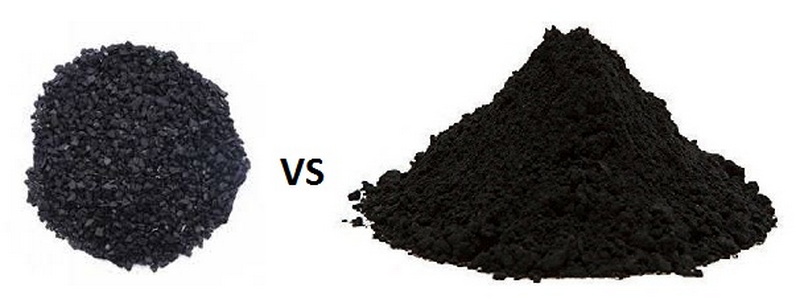
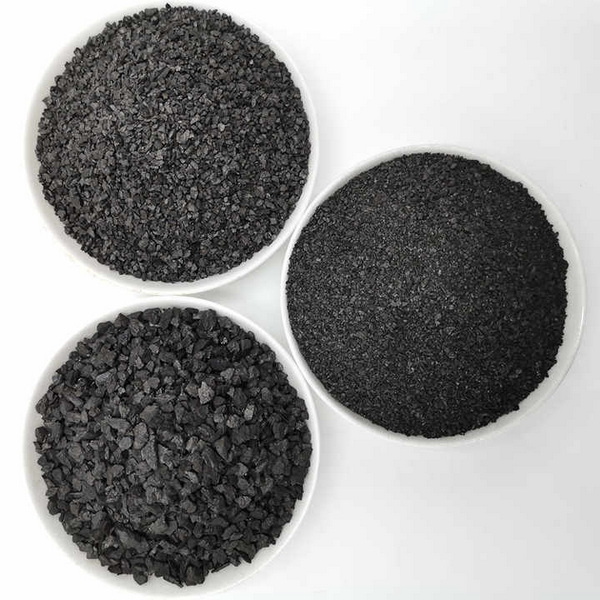
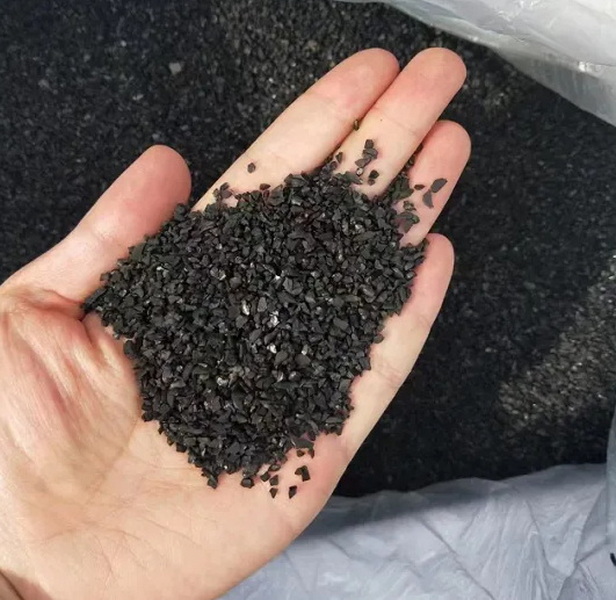
Granular activated carbon is an adsorbent produced from carbon‑rich raw materials such as coal, coconut shells, wood, or nutshells, which are carbonized and activated to create a highly porous granular structure. The granules typically range from about 0.4 to 2.5 mm and are designed for use in continuous‑flow systems such as fixed‑bed filters, contactors, and adsorption columns.[2][6][7]
Because granular activated carbon has an enormous internal surface area and a network of micro‑, meso‑, and macropores, it can trap a wide variety of dissolved and gaseous contaminants by adsorption. Granular activated carbon is also mechanically strong, resistant to many chemicals, and can often be thermally reactivated, making it suitable for large‑scale industrial and municipal applications.[8][9][1][2]
Municipal drinking water treatment
Granular activated carbon is widely used by municipal water utilities to improve drinking water quality and safety. In these systems, granular activated carbon contactors are installed after conventional clarification and filtration to remove dissolved organic compounds, taste and odor substances, disinfection by‑product precursors, and emerging contaminants such as PFAS.[10][11][4][1]
Regulators and technical agencies recognize granular activated carbon as a best available technology for a broad range of organic contaminants in drinking water, including total organic carbon, volatile organic compounds, pesticides, algal toxins, and many synthetic chemicals. Granular activated carbon in municipal plants can be configured in down‑flow gravity filters, pressure vessels, or staged contactors, providing a robust barrier against both routine and unexpected contamination events.[3][4][12][13]
Groundwater and environmental remediation
Granular activated carbon is also used for groundwater treatment and environmental remediation where man‑made contaminants such as solvents, fuel components, pesticides, and PFAS must be controlled. Pump‑and‑treat systems often employ granular activated carbon vessels to polish extracted groundwater before it is discharged or reused, providing a flexible solution for sites with variable contaminant loads.[11][12][13][3]
Recent studies and field projects confirm that granular activated carbon can be highly effective for PFAS removal in full‑scale groundwater and drinking water applications when systems are correctly designed and monitored. In many remediation projects, granular activated carbon is used alongside air stripping, ion exchange, and biological processes, forming part of an integrated solution for complex contaminant mixtures.[14][3][5][11]
Industrial process water and wastewater
Industrial facilities across sectors such as chemicals, petrochemicals, textiles, and electronics use granular activated carbon to treat process water and wastewater. In these applications, granular activated carbon adsorbs dissolved organics, color bodies, surfactants, and trace toxic compounds that could interfere with production, damage equipment, or cause non‑compliance with discharge permits.[9][15][1][3]
Granular activated carbon contactors are particularly valuable in polishing steps, where relatively low concentrations of contaminants must be reduced to strict limits before discharge or reuse. For some solvents and process chemicals, granular activated carbon beds can also be used for recovery, allowing plants to reclaim valuable organics and reduce raw material costs.[1][3][9][12]
Air and gas purification
Granular activated carbon is widely used in air and gas purification to remove volatile organic compounds, odors, and hazardous pollutants from exhaust streams and indoor air. Its high surface area and tailored pore structure enable effective adsorption of a broad spectrum of VOCs, sulfur compounds, and other gaseous contaminants from process vents, solvent recovery lines, and off‑gas treatment systems.[5][1][9]
Industries such as chemical manufacturing, coatings, printing, automotive, and electronics rely on granular activated carbon filters or canisters to meet emission regulations and protect worker health. Granular activated carbon is also used in air purification units for buildings and cleanrooms, where it helps control odors and airborne organics that can affect product quality or comfort.[16][1][5]
Odor control and VOC abatement
Odor control is a specialized but important segment of granular activated carbon use, covering wastewater treatment plants, pumping stations, sludge handling facilities, landfills, and industrial processes. In these systems, granular activated carbon beds are installed in ventilation lines or scrubber exhausts to capture odorous compounds such as hydrogen sulfide, mercaptans, and organic sulfur species.[9][5][1]
Granular activated carbon is also essential for VOC abatement in painting, printing, and solvent‑using industries, where it adsorbs organic vapors to reduce air emissions. In some plants, granular activated carbon systems are paired with thermal or catalytic oxidizers and other technologies to balance operating cost, energy consumption, and emission performance.[5][1][9]
Food and beverage processing
In the food and beverage sector, granular activated carbon is used to refine and stabilize products and process water. Typical applications include decolorization of sugar solutions, removal of off‑flavors and off‑odors from beverages, and polishing of process water used in brewing, bottling, and dairy production.[17][15][9]
Granular activated carbon helps remove trace organics, color bodies, and oxidation products that can cause undesirable taste or reduce shelf life. Many food‑grade granular activated carbon products are manufactured to comply with strict purity standards to ensure they do not introduce impurities into high‑value products.[15][17][16]
Pharmaceutical and fine chemical production
Granular activated carbon plays a crucial role in pharmaceutical and fine chemical manufacturing, where product purity and regulatory compliance are critical. In these processes, granular activated carbon is used for decolorization, removal of process impurities, adsorption of residual solvents, and polishing of process water or intermediate solutions.[3][16][9]
Because many active ingredients and intermediates are sensitive, granular activated carbon must be carefully selected and validated to avoid any adverse impact on yield or quality. Granular activated carbon can be used in stirred tanks, fixed‑bed columns, or slurry treatment steps, followed by filtration to separate the carbon from the product stream.[16][3][9]
Household water filters and appliances
Beyond large industrial and municipal systems, granular activated carbon is common in household and point‑of‑use water filters. Many faucet filters, under‑sink filters, refrigerator filters, and countertop units rely on granular activated carbon to reduce chlorine, chloramines, taste and odor compounds, and a range of organic chemicals.[18][4][7]
Granular activated carbon in these devices often serves as a final polishing step after sediment filtration or membrane treatment, improving taste while maintaining beneficial minerals in the water. Some advanced residential systems use granular activated carbon specifically for PFAS reduction, especially where local regulations or contamination concerns are high.[18][7][11]
Respiratory protection and specialty safety uses
Granular activated carbon is a key component of many respiratory protection products such as gas masks and industrial respirators. In these devices, granular activated carbon adsorbs toxic gases and vapors, protecting users in military, emergency response, chemical handling, and hazardous material environments.[16][9][5]
Specialty granular activated carbon grades are also used in nuclear facilities to adsorb radioactive gases like krypton and xenon before exhaust streams are discharged. These critical safety applications demand granular activated carbon with high adsorption capacity, mechanical strength, and tight quality control.[9][16][1]
Storage, logistics, and agricultural uses
Granular activated carbon is used in cold‑storage rooms, fruit warehouses, and logistics facilities to control ethylene and other gases that accelerate spoilage. By adsorbing ethylene and odor‑forming compounds, granular activated carbon helps extend the shelf life of fruits and vegetables during storage and transportation.[5][9][16]
Some agricultural and post‑harvest applications also use granular activated carbon for air purification and solvent recovery, especially where pesticides or fumigants are applied. Granular activated carbon filters installed in ventilation systems can create more stable storage environments, improving product quality and reducing waste.[9][5][16]
How granular activated carbon is typically installed
Across all these sectors, granular activated carbon is usually installed in fixed‑bed contactors or filters where water, air, or process fluids flow through the packed media. Typical designs include gravity filters, pressure vessels, canisters, and modular skids, often arranged in series or parallel to balance throughput, contact time, and service life.[6][10][12]
Granular activated carbon performance depends on factors such as particle size distribution, bed depth, empty bed contact time, inflow contaminant concentrations, and regeneration or replacement strategy. Many suppliers offer application‑specific granular activated carbon grades and engineering support to match carbon properties and system design to the required treatment objectives.[6][15][3][1]
Advantages of granular activated carbon across applications
Many industries choose granular activated carbon because it delivers a combination of performance, flexibility, and lifecycle benefits. Key advantages include high adsorption capacity for a wide range of contaminants, chemical‑free operation, compatibility with other treatment processes, and the possibility of thermal reactivation and reuse in many large‑scale applications.[8][3][1]
Granular activated carbon systems can be designed for both high‑volume continuous flows and small point‑of‑use devices, making them suitable from municipal utilities and factories to households and clinics. In environmental terms, granular activated carbon offers a well‑understood and mature technology that can help utilities and industries meet ever‑stricter water and air quality regulations.[7][11][4][1]
Typical industries using granular activated carbon
The table below summarizes some of the main sectors where granular activated carbon is used and the primary treatment goals.
| Industry / Sector | Main use of granular activated carbon |
| Municipal drinking water | Remove organics, taste/odor, DBP precursors, PFAS, VOCs. westechwater+1 |
| Groundwater remediation | Treat solvents, fuel components, PFAS, pesticides. peltonenv+1 |
| Industrial wastewater | Polish organics, color, toxic trace contaminants. generalcarbon+1 |
| Air and gas purification | Adsorb VOCs, odors, hazardous gases. calgoncarbon+1 |
| Food and beverage | Decolorize, remove off‑flavors, polish process water. karbonous+1 |
| Pharmaceutical and fine chemical | Remove impurities, solvents, color; polish water. generalcarbon+1 |
| Household water filters | Improve taste, remove chlorine and organics. membrane-solutions+1 |
| Respiratory protection | Adsorb toxic gases and vapors in masks. naturecarbon+1 |
| Storage and logistics | Control ethylene and odors in warehouses. naturecarbon+1 |
How suppliers customize granular activated carbon solutions
Specialized manufacturers provide granular activated carbon products and system designs tailored to specific industries and contaminants. By adjusting raw materials, activation processes, particle sizes, and surface chemistries, suppliers can optimize granular activated carbon performance for drinking water, industrial wastewater, air purification, food and beverage, pharmaceutical, and many other uses.[2][15][3][1]
Engineering support typically includes selection of the right granular activated carbon grade, sizing of contactors, estimation of breakthrough curves, and planning for media replacement or regeneration. For customers, partnering with an experienced granular activated carbon supplier helps reduce technical risk and ensures that systems meet both regulatory requirements and operational cost targets.[12][11][3][1]
Conclusion
Granular activated carbon is used across an exceptionally wide range of applications, from municipal drinking water and groundwater remediation to industrial wastewater treatment, air and gas purification, food and beverage processing, pharmaceutical production, household filtration, respiratory protection, and agricultural storage. Its unique combination of high adsorption capacity, mechanical strength, reusability, and design flexibility makes granular activated carbon one of the most important purification technologies for modern industry and public health.[4][3][1][9]
As regulations tighten and expectations for water, air, and product quality continue to rise, demand for reliable granular activated carbon solutions is set to grow further across global markets. For end users, working with a professional manufacturer that can supply high‑quality granular activated carbon and custom system designs is the most effective way to unlock the full potential of granular activated carbon in their specific applications.[15][11][5][1]
FAQ About Where Granular Activated Carbon Is Used
(1) How is granular activated carbon used in drinking water plants?
Granular activated carbon is installed in contactors or filters after conventional clarification and filtration to adsorb dissolved organic matter, taste and odor compounds, disinfection by‑product precursors, and emerging contaminants such as PFAS. Many utilities operate granular activated carbon beds in parallel to maintain continuous service while individual filters are backwashed or the media is replaced or reactivated.[10][11][4][12]
(2) Where is granular activated carbon used for air and gas treatment?
Granular activated carbon is widely used in industrial exhaust treatment, solvent recovery, VOC abatement systems, and building air purification units. It is also essential in protective equipment such as gas masks and respirators, where granular activated carbon cartridges adsorb toxic gases and vapors before they reach the user.[5][1][9][16]
(3) What industries use granular activated carbon for process water and wastewater?
Industries including chemical processing, petrochemicals, metal finishing, textiles, power generation, and electronics use granular activated carbon to polish process water and treat wastewater prior to discharge or reuse. Granular activated carbon helps them meet strict discharge permits by removing trace organics, color bodies, and persistent chemicals that are difficult to handle with biological or conventional treatments alone.[12][3][1]
(4) Is granular activated carbon used in food, beverage, and pharmaceutical production?
Yes, food and beverage producers use granular activated carbon to refine sugar solutions, remove off‑flavors and odors from drinks, and purify process water, while pharmaceutical and fine chemical manufacturers depend on granular activated carbon to remove impurities, residual solvents, and color from intermediates and final products. In these applications, high‑purity granular activated carbon grades and validated processes are required to ensure product safety and regulatory compliance.[15][17][3][16]
(5) How is granular activated carbon used in households and small systems?
In households, granular activated carbon is commonly found in faucet‑mounted filters, under‑sink units, refrigerator cartridges, pitcher filters, and small point‑of‑entry systems. These devices use granular activated carbon to reduce chlorine, chloramines, taste and odor compounds, and many organic chemicals, improving the sensory quality of tap water and, in some designs, contributing to PFAS and VOC reduction.[18][7][4]
Citations:
[1](https://www.calgoncarbon.com/gac/)
[2](https://en.wikipedia.org/wiki/Activated_carbon)
[3](https://generalcarbon.com/understanding-granular-activated-carbon-for-water-treatment/)
[4](http://www.purewatergazette.net/blog/activated-carbon-an-all-around-best-choice-for-drinking-water-filtration/)
[5](https://puragen.com/uk/insights/what-is-activated-carbon-used-for/)
[6](https://www.hyerainc.com/gac-and-pac)
[7](https://www.membrane-solutions.com/blog-Granular-Activated-Carbon-Filter)
[8](https://qizhongcarbon.com/blog/granular-activated-carbon-for-water-treatment/)
[9](https://www.naturecarbon.com/news/application-of-granular-activated-carbon-84981257.html)
[10](https://www.westechwater.com/products/granular-activated-carbon-contactors)
[11](https://www.peltonenv.com/blog/activated-carbon-solutions-for-municipal-water-treatment)
[12](https://wigen.com/granular-activated-carbon-contactors/)
[13](https://www.wateronline.com/doc/drinking-water-filtration-using-granular-acti-0001)
[14](https://pmc.ncbi.nlm.nih.gov/articles/PMC8864563/)
[15](https://www.calgoncarbon.com/products/filtrasorb/)
[16](https://www.jacobi.net/activated-carbon-an-essential-commodity/)
[17](https://www.karbonous.com/applications/)
[18](https://crystalquest.com/blogs/filter-media/carbon-filtration-pfas-removal)
[19](https://www.sciencedirect.com/science/article/pii/S2369969821000311)
[20](https://www.chemviron.eu/solutions/activated-carbon/)


