Content Menu
● Definition And Basic Characteristics
● How Granular Activated Carbon Works
● Pore Structure And Surface Area
● Raw Materials For Granular Activated Carbon
>> Coal‑Based Granular Activated Carbon
>> Coconut‑Shell Granular Activated Carbon
● Production Process Of Granular Activated Carbon
>> Physical And Chemical Activation
>> Granulation And Classification
● Types Of Granular Activated Carbon
● Granular Activated Carbon In Water Treatment
>> Drinking Water And Process Water
>> Wastewater And Effluent Polishing
● Granular Activated Carbon For Air And Gas Purification
>> Odor Control And VOC Removal
>> Protective And Specialty Uses
● Granular Activated Carbon In Food And Beverage Processing
>> Quality And Regulatory Considerations
● Granular Activated Carbon In Chemical And Pharmaceutical Industries
>> Pharmaceutical Water And Ingredient Purification
● Advantages Of Granular Activated Carbon
>> Key Benefits Of Granular Activated Carbon
● Limitations And Challenges
>> Operating And Maintenance Considerations
● Granular Activated Carbon vs. Powdered Activated Carbon
>> Practical Selection Between GAC And PAC
● Design Principles For Granular Activated Carbon Systems
>> Key Design Parameters
● Regeneration And Reactivation Of Granular Activated Carbon
>> Economic And Environmental Benefits
● Safety And Handling Of Granular Activated Carbon
● How To Choose The Right Granular Activated Carbon
>> Evaluation And Testing
● Real‑World Applications Of Granular Activated Carbon
● Conclusion
● FAQ About Granular Activated Carbon
>> 1. What is granular activated carbon?
>> 2. What is granular activated carbon used for?
>> 3. How long does granular activated carbon last in a filter?
>> 4. Is granular activated carbon safe for drinking water?
>> 5. What is the difference between granular activated carbon and powdered activated carbon?
● Citations:
Granular activated carbon is a highly porous adsorbent produced from carbon‑rich raw materials and formed into granules that efficiently remove contaminants from water, air, gases, and liquids. Because granular activated carbon combines a huge internal surface area with mechanical strength and regenerability, it has become a core purification medium in municipal, industrial, and household treatment systems.[1][3][7][10]
Definition And Basic Characteristics
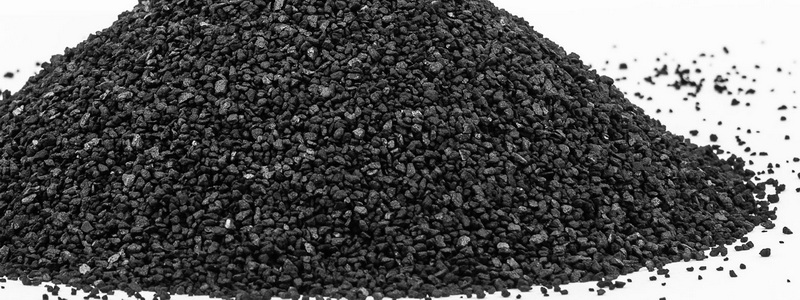
Granular activated carbon (often abbreviated as GAC) consists of irregular granules typically in the size range of about 0.2–5 mm, designed to operate in fixed or moving beds where fluid continuously passes through the granular activated carbon layer. Produced from carbon‑rich feedstocks such as coal, coconut shell, wood, or peat, granular activated carbon is treated at high temperatures to develop a network of micro‑, meso‑, and macropores that provide extremely high surface area for adsorption.[2][5][10][1]
How Granular Activated Carbon Works
Granular activated carbon purifies water, air, and process streams mainly through adsorption, a surface phenomenon where molecules from the fluid phase attach to the internal pore surfaces of the carbon granules. Unlike absorption, which takes contaminants into the bulk of a material, granular activated carbon adsorption relies on physical forces and, in some cases, chemical interactions within its pores to trap and retain pollutants.[4][7][1]
Pore Structure And Surface Area
Each granule of granular activated carbon contains a hierarchy of pores: micropores for small molecules, mesopores for medium‑sized organics, and macropores that act as transport channels leading into the carbon particle. The total internal surface area of granular activated carbon can exceed 1,000 m² per gram, meaning a relatively small volume of granular activated carbon can adsorb a large mass of contaminants before reaching saturation.[5][7][2]
Raw Materials For Granular Activated Carbon
Granular activated carbon can be made from several raw materials, with common options including bituminous coal, lignite, coconut shells, and various woods. Each feedstock produces granular activated carbon with different hardness, pore distribution, and impurity profiles, so the choice of raw material influences which applications a particular granular activated carbon grade is best suited for.[3][11][1][5]
Coal‑Based Granular Activated Carbon
Coal‑based granular activated carbon is widely used for municipal and industrial water treatment because it offers a robust balance of micropores and mesopores, good hardness, and competitive cost. This type of granular activated carbon performs well in high‑flow filters and large pressure vessels where mechanical strength and long service life are important.[7][9][3]
Coconut‑Shell Granular Activated Carbon
Coconut‑shell‑based granular activated carbon is known for high hardness and a strong microporous structure, which makes it particularly effective at removing low‑molecular‑weight organic compounds and many taste and odor molecules. Because coconut‑shell granular activated carbon can be produced with very low leachable impurities, it is often chosen for drinking water, beverage processing, and other sensitive applications.[1][3][5][7]
Production Process Of Granular Activated Carbon
Manufacturing granular activated carbon typically involves carbonization and activation steps, followed by granulation, sizing, and finishing. During carbonization, the raw material is heated in an oxygen‑limited environment to drive off volatile components and leave behind a carbon‑rich char that is ready for activation.[11][4][1]
Physical And Chemical Activation
In physical activation, the char is exposed to steam or carbon dioxide at high temperatures, which selectively burns out parts of the carbon matrix and creates a network of pores inside the granular activated carbon. In chemical activation, the precursor is impregnated with an activating agent such as phosphoric acid or zinc chloride before carbonization, which helps form pores at lower temperatures and can yield granular activated carbon with different pore structures.[12][4][11]
Granulation And Classification
After activation, the material is crushed, granulated, and screened to achieve the desired particle size distribution for granular activated carbon products. The final granular activated carbon is then washed, dried, and packaged to meet application‑specific quality standards such as food grade, drinking water grade, or industrial grade.[13][3][5][7]
Types Of Granular Activated Carbon
Granular activated carbon can be categorized by raw material, pore structure, surface chemistry, and particle size, allowing users to select products tailored to specific contaminants and operating conditions. Some granular activated carbon grades are acid‑washed or surface‑modified to reduce ash, adjust pH, or enhance removal of particular contaminants like chloramines or sulfur compounds.[14][15][5][7]
Granular Activated Carbon In Water Treatment
Granular activated carbon is one of the most important media in modern drinking water and process water treatment, used to remove dissolved organic compounds, taste and odor substances, and many synthetic chemicals. In municipal plants and industrial facilities, granular activated carbon filters can reduce concentrations of pesticides, disinfection by‑products, volatile organic compounds, and emerging contaminants to help meet regulatory limits and quality targets.[16][2][3][7]
Drinking Water And Process Water
Granular activated carbon is applied in point‑of‑entry systems, central treatment plants, and specialized industrial process water units to polish water after clarification and filtration. The design of these granular activated carbon filters focuses on achieving sufficient empty bed contact time, suitable bed depth, and appropriate flow distribution to ensure complete utilization of the granular activated carbon's adsorption capacity.[8][2][3][16]
Wastewater And Effluent Polishing
In wastewater treatment, granular activated carbon is used as a polishing step after biological treatment or membrane processes to remove residual color, refractory organics, and trace toxic compounds. By integrating granular activated carbon columns or filters into industrial effluent systems, operators can significantly improve discharge quality and increase opportunities for water reuse.[17][18][8][16]
Granular Activated Carbon For Air And Gas Purification
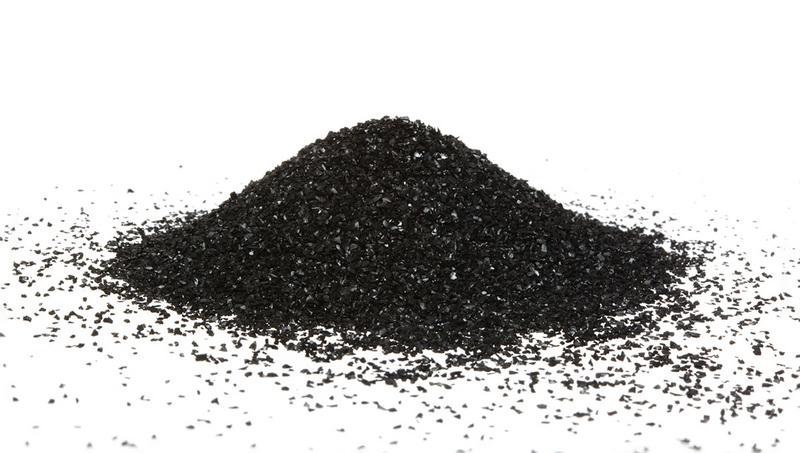
Granular activated carbon is a key medium for treating polluted air and gases because it can adsorb a wide range of volatile organic compounds, odorous compounds, and certain toxic gases. Typical granular activated carbon applications in the gas phase include industrial exhaust treatment, VOC control, odor removal in wastewater plants, and purification of biogas or off‑gases.[6][15][18]
Odor Control And VOC Removal
Granular activated carbon beds in packed towers or cartridges are widely used to treat exhaust air from painting, printing, chemical processing, and waste handling facilities. The granular activated carbon captures target molecules until the bed approaches saturation, at which point it is replaced or regenerated to restore capacity.[9][15][6]
Protective And Specialty Uses
Granular activated carbon also appears in respirators, gas masks, and specialized cartridges that protect workers from hazardous gases and vapors. In some cases, the granular activated carbon is impregnated with catalytic or reactive chemicals that enhance removal of specific pollutants such as acid gases or mercury.[15][2][14]
Granular Activated Carbon In Food And Beverage Processing
Many food and beverage producers use granular activated carbon to decolorize and deodorize products, improve appearance, and remove off‑flavors. Typical applications include decolorization of sugar syrup, purification of beverage bases, and treatment of ingredients where granular activated carbon selectively removes color bodies or unwanted organics.[19][7][17]
Quality And Regulatory Considerations
Food‑grade granular activated carbon must meet strict purity standards, including low soluble ash and absence of harmful leachables, to avoid contaminating the treated product. Producers therefore choose granular activated carbon from manufacturers that comply with food contact regulations and provide consistent, traceable quality for global markets.[20][3][7][1]
Granular Activated Carbon In Chemical And Pharmaceutical Industries
In the chemical and pharmaceutical sectors, granular activated carbon is used to purify intermediates, remove color and by‑products, and capture residual solvents from process streams. Granular activated carbon filters are often integrated into production lines as polishing stages that ensure final products meet stringent purity, stability, and regulatory requirements.[21][8][15][19]
Pharmaceutical Water And Ingredient Purification
Granular activated carbon plays a role in pretreatment for pharmaceutical water systems, helping to remove organics and chlorine that could harm downstream membranes or resins. Because pharmaceutical processes are highly regulated, granular activated carbon for these uses is selected for low extractables and predictable performance across multiple regeneration cycles.[8][16][21][1]
Advantages Of Granular Activated Carbon
Granular activated carbon offers a combination of high adsorption capacity, flexible system design, and the possibility of regeneration, which together provide a strong balance of performance and lifecycle cost. In both water and air treatment, granular activated carbon acts mainly through physical processes and does not require continuous chemical dosing, which simplifies operation and reduces chemical handling.[3][4][7]
Key Benefits Of Granular Activated Carbon
- Granular activated carbon provides broad‑spectrum removal of many organic contaminants, taste and odor compounds, and some heavy metals bound to organic ligands.[2][1]
- Granular activated carbon systems can be scaled from small household filters to large municipal and industrial plants, maintaining similar operating principles across sizes.[10][8]
- Spent granular activated carbon can frequently be thermally reactivated, allowing reuse of the media and reducing waste and overall treatment costs.[9][20]
Limitations And Challenges
Granular activated carbon does not remove all contaminants; for example, it is generally ineffective for hardness, simple inorganic salts, and certain low‑molecular‑weight ions, which require other technologies. In addition, granular activated carbon beds require proper pretreatment to control suspended solids and biological growth, since fouling or biofilm formation can reduce adsorption efficiency and increase pressure drop.[22][16][2][8]
Operating And Maintenance Considerations
To keep granular activated carbon systems performing well, operators must monitor key parameters such as pressure drop, effluent quality, and operating time to determine when media change‑out or reactivation is necessary. Backwashing is often used in water applications to remove accumulated solids and prevent channeling, helping the granular activated carbon bed maintain uniform flow distribution.[7][2][3]
Granular Activated Carbon vs. Powdered Activated Carbon
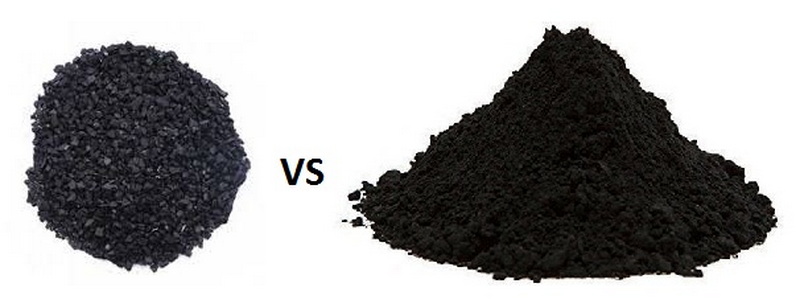
Although both granular activated carbon and powdered activated carbon (PAC) are forms of activated carbon, they differ significantly in particle size, usage mode, and operational strategy. Granular activated carbon is typically used in fixed beds for continuous filtration and is often regenerated, while powdered activated carbon is dosed as a slurry into water or process streams and is usually not regenerated.[23][10][7]
Practical Selection Between GAC And PAC
Granular activated carbon is generally preferred for long‑term, steady‑state operations where continuous treatment and media reactivation are desirable. Powdered activated carbon is often favored for short‑term events such as seasonal taste and odor problems or incidental pollutant spikes, where flexible dosing is more important than regeneration.[16][23][8]
Design Principles For Granular Activated Carbon Systems
Designing a granular activated carbon system starts with defining target contaminants, required removal efficiency, flow rates, and allowable pressure drop. Engineers then select a suitable granular activated carbon grade and design bed depth, contact time, and vessel configuration to achieve the desired performance while providing safety margins for variations in influent quality.[2][3][7][8]
Key Design Parameters
Important parameters in granular activated carbon system design include empty bed contact time, hydraulic loading rate, particle size, and frequency of backwash or media replacement. Properly designed granular activated carbon systems integrate with other unit operations such as coagulation, filtration, ion exchange, and membrane processes to form a complete treatment train.[7][8][16][2]
Regeneration And Reactivation Of Granular Activated Carbon
When granular activated carbon becomes saturated with contaminants, its capacity can often be restored through thermal reactivation in specialized furnaces. During reactivation, the granular activated carbon is heated in a controlled atmosphere, decomposing and removing adsorbed substances while reopening blocked pores and recovering a significant portion of the original adsorption capacity.[20][9][7]
Economic And Environmental Benefits
Reactivated granular activated carbon reduces the need for fresh carbon production and lowers disposal volumes, yielding both cost savings and environmental advantages for large users. Many municipal and industrial plants adopt a reactivation loop, sending spent granular activated carbon to a reactivation facility and receiving reactivated granular activated carbon for reuse in their systems.[8][9][20]
Safety And Handling Of Granular Activated Carbon
Granular activated carbon is generally safe to handle under normal industrial conditions, but basic safety measures such as dust control and personal protective equipment should be observed. Wet granular activated carbon stored in confined spaces can deplete oxygen, so operators must follow confined‑space entry procedures and ventilation guidelines when working with granular activated carbon vessels and silos.[24][15][22]
How To Choose The Right Granular Activated Carbon
Selecting the right granular activated carbon grade requires analyzing the contaminant profile, water or gas chemistry, process temperature, and regulatory requirements for the treated stream. By working with experienced manufacturers or suppliers, users can specify granular activated carbon products with suitable raw material, pore size distribution, particle size, and surface chemistry for applications in water treatment, air purification, food, chemical, or pharmaceutical processes.[5][19][3][7]
Evaluation And Testing
Before full‑scale implementation, pilot testing with candidate granular activated carbon grades helps determine adsorption capacity, breakthrough curves, and operating costs under real conditions. Ongoing monitoring and occasional performance audits ensure that the selected granular activated carbon continues to meet treatment goals as influent quality or regulations evolve.[3][16][7][8]
Real‑World Applications Of Granular Activated Carbon
Globally, granular activated carbon is used in municipal drinking water plants, industrial parks, refineries, food factories, and pharmaceutical facilities to improve product quality and reduce environmental emissions. Its versatility means the same fundamental granular activated carbon technology can address problems as diverse as odor control at wastewater treatment plants, pesticide removal in surface water, and solvent recovery in chemical manufacturing.[18][15][19][7]
Conclusion
Granular activated carbon is a versatile, high‑surface‑area adsorbent that plays a critical role in purifying water, air, and process streams across many industries. By understanding how granular activated carbon is produced, how it works, and how to design and operate granular activated carbon systems, users can achieve reliable contaminant removal, manage lifecycle costs, and support environmental protection goals.[10][1][3][7]
FAQ About Granular Activated Carbon
1. What is granular activated carbon?
Granular activated carbon is an activated carbon product supplied as relatively large granules with high internal surface area, used mainly in fixed‑bed filters for water, air, and gas treatment. It is typically made from carbon‑rich materials such as coal, coconut shell, or wood that are carbonized and activated to create a porous structure capable of adsorbing many different contaminants.[11][1][5][10]
2. What is granular activated carbon used for?
Granular activated carbon is widely used in drinking water treatment, industrial wastewater polishing, and process water purification to remove organic pollutants, taste and odor compounds, and many synthetic chemicals. It is also applied in air and gas purification, solvent recovery, food and beverage decolorization, and chemical and pharmaceutical processing.[15][19][16][3]
3. How long does granular activated carbon last in a filter?
The service life of granular activated carbon depends on contaminant concentrations, flow rate, contact time, and required effluent quality, so bed life can range from weeks in very demanding applications to many months in lighter‑duty service. Breakthrough monitoring and performance testing are used to decide when granular activated carbon needs to be replaced or sent for reactivation.[2][3][7][8]
4. Is granular activated carbon safe for drinking water?
Granular activated carbon is widely recognized as safe when produced to appropriate standards and used in properly designed and maintained systems for drinking water treatment. Because granular activated carbon does not introduce harmful chemicals under normal use, it is a preferred technology for improving taste, odor, and organic contaminant levels in potable water.[24][16][3][2]
5. What is the difference between granular activated carbon and powdered activated carbon?
Granular activated carbon has larger particles and is used in fixed or moving beds for continuous filtration, with the potential for regeneration and long service life. Powdered activated carbon is a fine powder dosed temporarily into water or process streams and then removed, making it suitable for short‑term events and flexible dosing but usually without regeneration.[23][10][7]
Citations:
[1](https://www.huameicarbon.com/comprehensive-guide-to-granular-activated-carbon-gac-in-water-purification/)
[2](https://wqa.org/wp-content/uploads/2022/09/2016_GAC.pdf)
[3](https://generalcarbon.com/understanding-granular-activated-carbon-for-water-treatment/)
[4](https://www.sffiltech.net/a-the-science-behind-gac-carbon-filtration-a-simplified-guide.html)
[5](https://qizhongcarbon.com/blog/types-of-activated-carbon/)
[6](https://19january2021snapshot.epa.gov/sites/static/files/2015-04/documents/a_citizens_guide_to_activated_carbon_treatment.pdf)
[7](https://www.yrdcarbon.com/news/the-ultimate-guide-to-granular-activated-carbon-(gac)-for-water-treatment.html)
[8](https://www.keiken-engineering.com/news/comprehensive-guide-to-granular-activated-carbon)
[9](https://www.calgoncarbon.com/app/uploads/Basics-of-Activated-Carbon-Calgon-Carbon-Chemical-Engineering-Magazine.pdf)
[10](https://www.sciencedirect.com/topics/engineering/granular-activated-carbon)
[11](https://heycarbons.com/manufacture-of-activated-carbon/)
[12](https://mp.watereurope.eu/media/factsheets/Factsheet_GAC_V6_UU0E2CA.pdf)
[13](https://www.pelletmachine.com/blog/2022/03/30/activated-carbon-granulation/)
[14](https://www.sorbotech.uk/56,types_and_uses_of_activated_carbon)
[15](https://sodimate-inc.com/activated-carbon-types-applications-advantages/)
[16](https://www.epa.gov/sdwa/overview-drinking-water-treatment-technologies)
[17](https://www.naturecarbon.com/news/application-of-granular-activated-carbon-84981257.html)
[18](https://jamescumming.com.au/articles/exploring-the-uses-of-granular-activated-carbon/)
[19](https://activatedcarbon.com/applications)
[20](https://puragen.com/uk/insights/granular-activated-carbon/)
[21](https://www.calgoncarbon.com/gac/)
[22](https://www.wwdmag.com/what-is-articles/article/10939799/what-is-granular-activated-carbon-gac)
[23](https://www.bygen.com.au/post/granular-vs-powdered-activated-carbon-which-one-is-right-for-your-application)
[24](https://www.health.state.mn.us/communities/environment/hazardous/topics/gac.html)


