Content Menu
● Why Coconut Shell Activated Carbon Matters for Industrial Users
● Why Demand Is Growing So Fast
● How Industrial Buyers Evaluate Coconut Shell Activated Carbon Suppliers
● Key Evaluation Dimensions from a Customer's Perspective
>> Real-World Product Performance and Consistency
>> Delivery Reliability, Lead Times, and Inventory Support
>> Technical Support, Testing, and After-Sales Service
>> Pricing, Transparency, and Total Cost of Ownership
● Top Coconut Shell Activated Carbon Manufacturers and Suppliers Serving Singapore
>> No.1 – Qizhong Chemical: Application-Focused Solutions for Singapore Industry
>> No.2 – Heycarb / Heycarbons: High-Performance Media with Detailed Specifications
>> No.3 – Regional Specialists and Case-Based Suppliers
● Deep Dive: Where Coconut Shell Activated Carbon Delivers the Most Value
>> Air and Gas Treatment – Protecting People and Assets
>> Water Treatment – Meeting Stricter Regulatory Standards
>> Food, Beverage, and Pharmaceutical Purification
● Practical Supplier Selection Checklist for Singapore Buyers
● Turning Insight into Action: How to Move Forward
● FAQs
>> 1. Why choose coconut shell activated carbon over coal-based or wood-based carbon?
>> 2. What are the most important parameters when selecting a carbon grade?
>> 3. How is coconut shell activated carbon used in water treatment?
>> 4. What makes a good supplier for the Singapore market?
>> 5. How is the coconut shell activated carbon market expected to grow?
● References
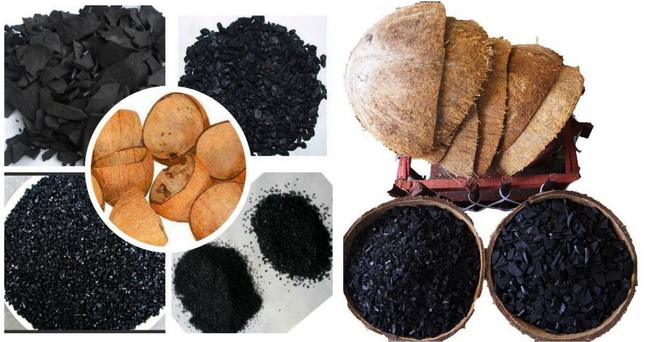
Coconut shell activated carbon is rapidly becoming a strategic material for modern water, air, and process purification, and Singapore has emerged as a key hub connecting advanced end users with specialized manufacturers across Asia. Drawing on industrial buyer feedback and specialist insights, this guide ranks leading coconut shell activated carbon manufacturers and suppliers serving Singapore, while explaining how real customer experience, performance data, and supply-chain reliability should shape your sourcing decisions. [haycarb]
Why Coconut Shell Activated Carbon Matters for Industrial Users
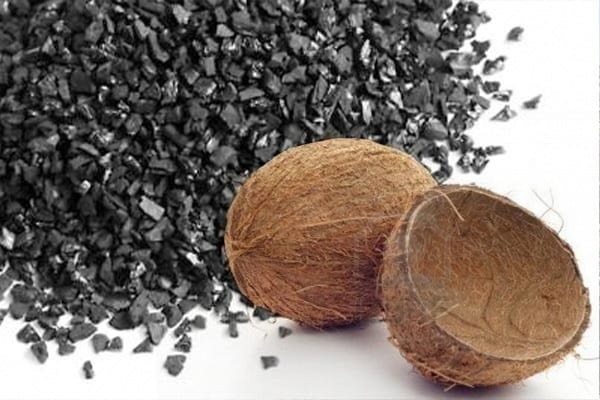
Coconut shell activated carbon offers a uniquely high micropore volume, strong hardness, and excellent adsorption efficiency, making it ideal for demanding industrial purification tasks. Compared with many coal-based or wood-based carbons, coconut shell grades often deliver longer service life, better resistance to attrition, and more stable performance in continuous systems. This explains why it is increasingly chosen for municipal water treatment, industrial wastewater polishing, VOC removal, gas purification, and high‑purity food and pharmaceutical applications. [strategicrevenueinsights]
For buyers in Singapore and the broader Southeast Asian region, coconut shell activated carbon combines performance with sustainability, since it utilizes a renewable agricultural by‑product aligned with global decarbonization and circular‑economy goals. This shift is reinforced by stricter environmental regulations and corporate ESG commitments, which are pushing companies to replace less sustainable sorbents with low‑footprint, bio‑based carbons. [congruencemarketinsights]
Why Demand Is Growing So Fast
Recent industry analyses show that the global coconut shell activated carbon market is expanding at a robust pace, driven by regulatory pressure and demand for eco‑friendly filtration solutions. One study estimates that the coconut shell activated carbon market is on track to reach roughly USD 1.2 billion by 2033, growing at a solid compound annual growth rate from 2025 onward. Another market snapshot places the value of coconut shell activated carbon at about USD 120 million in 2024, with strong growth expected through 2032 as sustainability and water quality requirements intensify. [strategicrevenueinsights]
Industry commentary also highlights accelerating demand from emerging economies, with year‑on‑year consumption growth around 10% in some segments and clear evidence that renewable raw material sourcing is gaining market share. These trends are particularly visible in sectors such as food and beverage, pharmaceuticals, and high‑spec water treatment, where product purity, safety, and traceability are non‑negotiable. [linkedin]
How Industrial Buyers Evaluate Coconut Shell Activated Carbon Suppliers
Well‑run industrial plants rarely choose suppliers based only on product brochures or unit prices. Experienced procurement teams and process engineers usually focus on four critical dimensions when they evaluate manufacturers and distributors:
1. Real‑world performance in specific applications (water treatment, gas purification, food processing, pharma, etc.).
2. Delivery reliability and supply-chain resilience for both standard and customized grades.
3. Technical support quality, including application engineering, testing, and troubleshooting.
4. Total cost of ownership (TCO) rather than just price per kilogram.
In this article, each featured manufacturer is discussed based on publicly available technical data, market positioning, and representative case examples where industrial users report measurable improvements in efficiency, compliance, or operating costs. This approach helps B2B readers understand not only who supplies coconut shell activated carbon to Singapore, but also how those suppliers perform under real operational conditions. [qizhongcarbon]
Key Evaluation Dimensions from a Customer's Perspective
Real-World Product Performance and Consistency
For process engineers, plant managers, and quality teams, the primary question is simple: Does this carbon work reliably in my system? Industrial buyers focus on:
- Adsorption capacity (iodine number, surface area, pore-size distribution). [mellifiq]
- Service life and breakthrough time under actual operating conditions. [naturecarbon]
- Batch‑to‑batch consistency, especially for regulated sectors like drinking water and pharmaceuticals. [sciencedirect]
Academic and industrial studies confirm that coconut shell activated carbon, when properly manufactured, can deliver excellent performance in water purification, often achieving high removal efficiencies for organics, color, and trace contaminants. These properties are directly linked to the material's well‑developed micro‑porous structure, which is particularly effective at capturing small molecules and dissolved organics. [naturecarbon]
Delivery Reliability, Lead Times, and Inventory Support
In Singapore's tightly scheduled industrial ecosystem, delivery performance can make or break a supplier relationship. Procurement and operations leaders usually assess:
- Stock availability for standard mesh sizes and grades.
- Typical lead times for repeat orders and large‑volume shipments.
- Emergency response capabilities when plants face unplanned demand spikes.
Suppliers with dedicated regional inventories, multi‑origin sourcing, and flexible logistics are far better positioned to support water plants, chemical facilities, and OEMs that cannot afford downtime. When a supplier can demonstrate on‑time performance data, safety stock strategies, and proven support for urgent shipments into Singapore, it stands out in technical tenders and framework agreements. [heycarbons]
Technical Support, Testing, and After-Sales Service
High‑value users rarely treat activated carbon as a pure commodity. They expect specialized guidance on:
- Media selection (GAC vs PAC, mesh size, surface chemistry, pore structure).
- Pilot testing and performance validation in real effluent or gas conditions.
- Troubleshooting problems such as premature breakthrough, channeling, or pressure drop.
Experienced suppliers often maintain in‑house labs, application specialists, and established protocols for conducting adsorption tests and optimization studies. For complex projects—such as biogas purification, multi‑stage industrial wastewater treatment, or combined odor and VOC control—this expertise is essential to minimize risk and speed up commissioning. [haycarb]
Pricing, Transparency, and Total Cost of Ownership
Price per ton is only one dimension of cost. Seasoned buyers now evaluate:
- Adsorption capacity per unit cost (how much pollutant is removed per dollar spent).
- Media lifetime, regeneration options, and disposal costs.
- Operational impacts such as reduced downtime, fewer change‑outs, and lower risk of non‑compliance.
Suppliers who provide clear technical data, life‑cycle cost estimates, and transparent contracts help customers make decisions that align with long‑term sustainability and budget objectives. This TCO mindset is especially important for Singapore plants that operate under tight regulatory and financial constraints. [qizhongcarbon]
Top Coconut Shell Activated Carbon Manufacturers and Suppliers Serving Singapore
The following examples illustrate how different manufacturers position themselves in the Singapore and broader regional market. They are included to help buyers understand typical strengths and capabilities when evaluating potential partners.
No.1 – Qizhong Chemical: Application-Focused Solutions for Singapore Industry
Qizhong Chemical presents itself as a professional manufacturer supplying both coal-based and coconut shell activated carbon, with a portfolio tailored to petrochemical processing, water treatment, and environmental remediation. The company emphasizes fine control over pore structure and adsorption characteristics, aiming to reduce replacement frequency and total operational costs for industrial users. [qizhongcarbon]
For customers in Singapore, Qizhong highlights:
- A comprehensive range of granular and powdered carbons for water, air, and process applications. [qizhongcarbon]
- An annual capacity of around 35,000 tons, supporting stable supply and multi‑market coverage. [qizhongcarbon]
- Technical consultation services to match carbon specifications with real‑world operating conditions. [qizhongcarbon]
From a buyer's perspective, this combination of scale, application knowledge, and global logistics can be particularly valuable for long‑term framework contracts and multi‑site industrial deployments.
No.2 – Heycarb / Heycarbons: High-Performance Media with Detailed Specifications
Heycarb (often branded as Heycarbons in international markets) supplies a wide range of activated carbon solutions for the Singapore market, including granular grades with iodine values and specific surface areas clearly documented. For water treatment, the company lists granular activated carbons in multiple mesh sizes (such as 4×8, 8×30, 8×16, 12×40, 30×60, and 80×150), with iodine numbers typically in the 500–1050 mg/g range and hardness values between 90% and 99%. [heycarbons]
Industrial customers benefit from:
- High iodine value and low ash options for critical purification tasks. [heycarbons]
- Dedicated product lines for water filters, wastewater COD/BOD reduction, and food decolorization. [heycarbons]
- Technical support on selecting the right grade for COD removal, color reduction, and odor control in complex effluents. [heycarbons]
The availability of detailed performance parameters makes it easier for engineers and consultants to model adsorption behavior and design systems with predictable outcomes.
No.3 – Regional Specialists and Case-Based Suppliers
Several other manufacturers and solution providers serve Singapore directly or via distributors, offering coconut shell activated carbon alongside system integration and service packages. For example, some suppliers focus on air and gas purification, leveraging coconut shell carbon's durability and effectiveness at removing VOCs, sulfur compounds, and odor‑causing species. Others specialize in water plants, emphasizing high hardness, low dust, and tight particle-size control to minimize pressure drop and media loss. [gycarbons]
One published case describes shipments of coconut shell activated carbon (18–40 mesh) for a Singapore water plant, highlighting product characteristics such as high hardness, dust‑free performance, and ton‑bag packaging optimized for bulk handling. This type of reference shows how reliable supply and robust physical properties translate into daily operational advantages for municipal and industrial users. [gycarbons]
> For Chinese manufacturers such as Guangdong Tongke Activated Carbon Co., Ltd., aligning with these expectations—documented quality, stable logistics, and application‑driven technical support—is essential when building credibility with Singapore buyers.
Deep Dive: Where Coconut Shell Activated Carbon Delivers the Most Value
Air and Gas Treatment – Protecting People and Assets
In air and gas treatment, coconut shell activated carbon is valued for its hardness, high micropore volume, and resistance to attrition in fixed‑bed and moving‑bed systems. Industrial systems rely on it to remove VOCs, sulfur compounds, and toxic gases from process vents, flue gas, and indoor air streams. In gas purification, it effectively cleans natural gas, biogas, and hydrogen by removing contaminants such as hydrogen sulfide, ammonia, and carbon dioxide that can corrode equipment or compromise product quality. [mellifiq]
From a health and safety standpoint, cleaner air reduces the risk of respiratory issues and long‑term occupational illnesses for workers in chemical plants, refineries, and manufacturing facilities. In residential and commercial environments, coconut shell carbon is widely used in air purifiers and respirator cartridges to capture odors, VOCs, and allergens, supporting better indoor air quality. [haycarb]
Water Treatment – Meeting Stricter Regulatory Standards
Water purification remains one of the largest and fastest‑growing application segments for coconut shell activated carbon. Its high surface area and micro‑porous structure allow efficient removal of organic contaminants, taste and odor compounds, and trace pollutants in both municipal and industrial water systems. Academic studies confirm that coconut shell carbons fabricated with optimized activation processes can achieve strong performance in water purification, with favorable adsorption behavior and regeneration potential. [congruencemarketinsights]
In practice, utilities and industrial plants deploy granular carbon in fixed beds for continuous filtration, while powdered carbon is dosed into clarifiers or filters to handle episodic contamination events. The choice of mesh size, contact time, and regeneration strategy significantly affects performance, underscoring the value of suppliers who can support pilot tests and system optimization. [sciencedirect]
Food, Beverage, and Pharmaceutical Purification
In food and beverage processing, coconut shell activated carbon is widely used for decolorization, deodorization, and removal of trace contaminants to ensure product safety and sensory quality. Typical applications include sugar refining, edible oil polishing, beverage clarification, and purification of fermentation products. The renewable origin of coconut shells and their favorable sustainability profile align well with brand owners' focus on natural ingredients and eco‑friendly processing. [strategicrevenueinsights]
Pharmaceutical and fine chemical producers also rely on high‑purity carbons with stringent control over impurities and extractables, often combining coconut shell and other specialty carbons in multi‑stage treatment trains. For such users, documentation, traceability, and consistent quality are as critical as adsorption performance. [mellifiq]
Practical Supplier Selection Checklist for Singapore Buyers
When shortlisting coconut shell activated carbon suppliers for Singapore or regional operations, experienced buyers often apply a structured checklist like the one below.
| Selection Factor | What to Check in Practice | Why It Matters |
| Technical fit | Mesh size, iodine number, surface area, hardness, ash and moisture data. (heycarbons) | Ensures the carbon matches process design and performance targets. |
| Application references | Case studies in similar industries or systems (water plants, gas treatment, F&B). (haycarb) | Reduces risk by learning from proven deployments. |
| Certifications | Quality and environmental systems, relevant product approvals for water or food use. (congruencemarketinsights) | Supports compliance and customer audits. |
| Supply stability | Annual capacity, inventory strategy for Singapore, logistics network. (qizhongcarbon) | Protects against stockouts and production interruptions. |
| Technical support | Lab capabilities, pilot testing services, troubleshooting expertise. (haycarb) | Improves performance and speeds up problem resolution. |
| TCO transparency | Life‑cycle cost estimates, regeneration options, service packages. (haycarb) | Enables smarter, long‑term sourcing decisions. |
Using this kind of framework not only improves technical fit but also strengthens internal justification when presenting supplier recommendations to management or procurement committees.
Turning Insight into Action: How to Move Forward
If you are evaluating coconut shell activated carbon suppliers for Singapore or regional operations, the most effective next steps are:
1. Define your critical parameters – inlet contaminant profile, target effluent quality, operating temperature, and allowable pressure drop.
2. Shortlist 2–3 technically capable suppliers with proven experience in your sector, such as water utilities, petrochemicals, or food processing. [gycarbons]
3. Request detailed technical data and case references, including mesh size, iodine number, hardness, and real‑world performance results. [mellifiq]
4. Run controlled pilot or plant‑scale trials to validate performance, service life, and regeneration behavior under your actual conditions. [sciencedirect]
5. Evaluate total cost of ownership rather than unit price, accounting for change‑out frequency, downtime risk, disposal, and compliance benefits. [strategicrevenueinsights]
For industrial end users, system integrators, and distributors who need customized coconut shell activated carbon solutions from a specialist Chinese manufacturer, contacting a dedicated producer such as Guangdong Tongke Activated Carbon Co., Ltd. can be an effective way to leverage tailored formulations, stable supply, and project‑level technical support.
Contact us to get more information!
FAQs
1. Why choose coconut shell activated carbon over coal-based or wood-based carbon?
Coconut shell activated carbon offers higher micropore volume, strong hardness, and excellent adsorption efficiency, making it particularly suitable for removing small organic molecules in water and gas streams. Its renewable origin and lower environmental footprint also align with sustainability and ESG goals adopted by many industrial buyers. [linkedin]
2. What are the most important parameters when selecting a carbon grade?
Engineers typically focus on iodine number, specific surface area, pore-size distribution, hardness, ash content, and moisture level when comparing activated carbon grades. These parameters directly influence adsorption capacity, mechanical durability, and compatibility with specific filtration system designs. [naturecarbon]
3. How is coconut shell activated carbon used in water treatment?
In water treatment, coconut shell carbon is usually applied as granular media in fixed beds or as powdered carbon dose in clarification steps to remove organic contaminants, color, taste, and odor. Studies confirm that properly produced coconut shell carbons can deliver high purification performance with good regeneration potential in many systems. [sciencedirect]
4. What makes a good supplier for the Singapore market?
Strong suppliers serving Singapore combine reliable logistics, sufficient production capacity, detailed technical documentation, and responsive local or regional support. They also provide case references and application‑specific guidance, which help buyers reduce risk and speed up system optimization. [haycarb]
5. How is the coconut shell activated carbon market expected to grow?
Recent analyses project that the global coconut shell activated carbon market will continue growing steadily toward 2033, driven by stricter environmental regulations and demand for sustainable filtration solutions. Emerging economies and eco‑conscious applications in water, air, and food processing are expected to contribute significantly to this growth. [linkedin]
References
1. Haycarb PLC – "The Role of Coconut Shell Activated Carbon in Air and Gas Treatment."
https://www.haycarb.com/media/unlocking-the-potential-of-coconut-shell-activated-carbon-in-air-and-gas-treatment/ [haycarb]
2. Congruence Market Insights – "Coconut Shell Activated Carbon Market Report | Size & Forecast."
https://www.congruencemarketinsights.com/report/coconut-shell-activated-carbon-market [congruencemarketinsights]
3. Qizhong Chemical – "Activated Carbon Supplier in Singapore."
https://qizhongcarbon.com/activated-carbon-suppliers-in-singapore/ [qizhongcarbon]
4. Nature Carbon – "The Functions of Coconut Shell Activated Carbon."
https://www.naturecarbon.com/news/the-functions-of-coconut-shell-activated-carbo-84932286.html [naturecarbon]
5. LinkedIn – "Coconut Shell Based Activated Carbon Market Size."
https://www.linkedin.com/pulse/coconut-shell-based-activated-carbon-0tejf [linkedin]
6. Heycarb / Heycarbons – "Activated Carbon Supplier in Singapore."
https://heycarbons.com/activated-carbon-supplier-in-singapore/ [heycarbons]
7. ScienceDirect – "Fabrication and characterization of coconut shell activated carbon for water purification."
https://www.sciencedirect.com/science/article/pii/S2211715622000108 [sciencedirect]
8. Strategic Revenue Insights – "Coconut Shell Activated Carbon Market Size, Future Growth and Outlook."
https://www.strategicrevenueinsights.com/industry/coconut-shell-activated-carbon-market [strategicrevenueinsights]
9. Fujian Guangyuan Carbon Products Co., Ltd. – "To Singapore Water Plant: You have an urgent coconut charcoal …"
https://www.gycarbons.com/News/57.html [gycarbons]
10. Mellifiq – "High-Quality Coconut Shell Activated Carbon."
https://mellifiq.com/en/coconut-shell-activated-carbon/ [mellifiq]


