Content Menu
● What is powdered activated carbon?
● How is powdered activated carbon made?
● What is fly ash and how is it related?
● Is fly ash itself powdered activated carbon?
● Effects of powdered activated carbon in fly ash
● Beneficiation and treatment of PAC‑contaminated fly ash
● Key applications of powdered activated carbon
● Powdered activated carbon vs granular activated carbon
>> PAC vs GAC overview
● How a Chinese PAC manufacturer can support fly ash and industrial users
● Conclusion
● FAQ
● 1: Is fly ash considered powdered activated carbon?
>> 2: Why does powdered activated carbon in fly ash cause problems in concrete?
>> 3: How is powdered activated carbon used in flue‑gas treatment?
>> 4: What are the main advantages of powdered activated carbon over granular forms?
>> 5: Can PAC‑contaminated fly ash be made usable again?
● Citations:
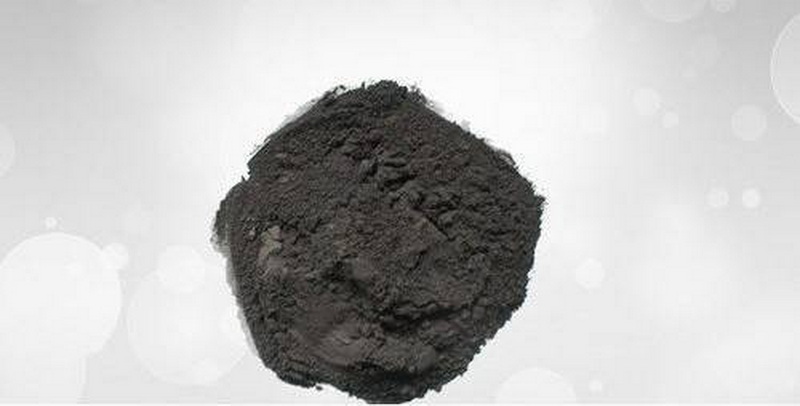
Fly ash itself is not powdered activated carbon, but in many industrial processes fly ash can become contaminated with powdered activated carbon (PAC) that is injected into flue gas for pollutant control. In practice, this means some fly ash streams contain a mixture of mineral ash and powdered activated carbon particles, which strongly affects how the ash can be reused, especially in concrete.[1][2][3]
What is powdered activated carbon?
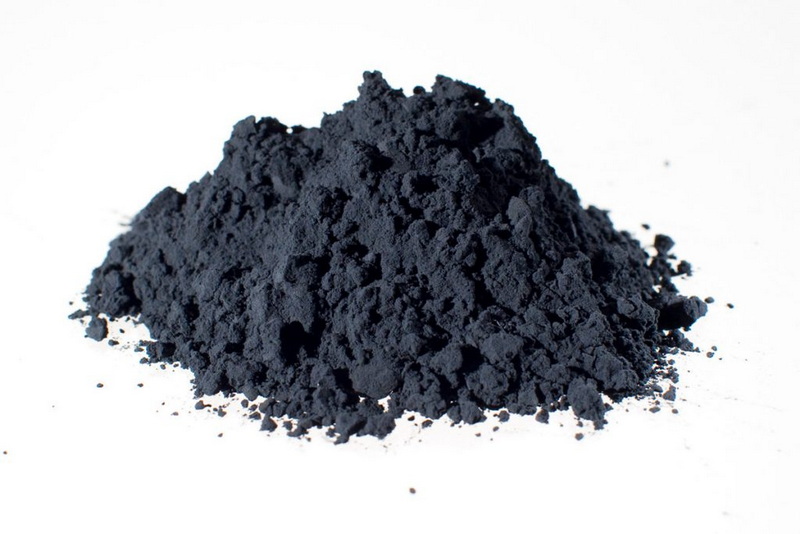
Powdered activated carbon (PAC) is a finely ground activated carbon with most particles small enough to pass an 80‑mesh sieve, giving it a very high external surface area and fast adsorption kinetics. It is produced from carbon‑rich raw materials such as coal, coconut shell, wood, or other carbonaceous feedstocks that are carbonized and then activated to create a porous structure.[4][5][6]
PAC is widely used to remove organic contaminants, taste and odor compounds, chlorine, and various micropollutants from water, as well as volatile organic compounds (VOCs), mercury, and other pollutants from air and flue gas. Because of its small particle size, powdered activated carbon can be dosed directly into liquid or gas streams and then separated with conventional solid–liquid separation or filtration equipment.[7][8][9]
How is powdered activated carbon made?
In a typical process, raw materials such as coal, coconut shells, or wood are first carbonized at elevated temperatures (around 350–600 °C for coal‑based materials) to drive off volatile components and form a carbon‑rich char. The char is then activated physically (with steam or carbon dioxide) or chemically (with agents such as phosphoric acid or zinc chloride) at higher temperatures to develop a network of micro‑, meso‑, and macropores.[10][6][11]
After activation, the material is milled to the desired fine particle size to become powdered activated carbon, often with most of the product able to pass through an 80‑mesh screen. Throughout production, samples are taken and tested to control parameters such as iodine number, surface area, ash content, and particle size distribution, which are critical for high‑performance powdered activated carbon in industrial applications.[5][11][4]
What is fly ash and how is it related?
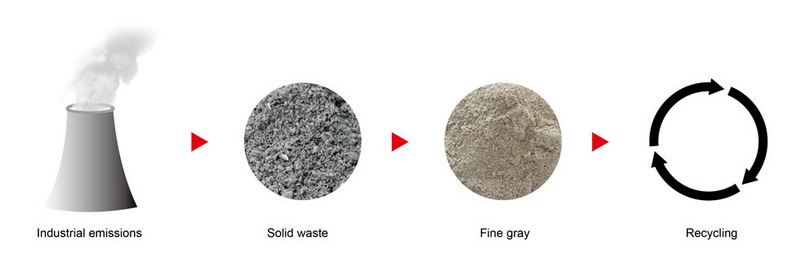
Fly ash is a fine powder by‑product collected from the flue gas of coal‑fired boilers and other combustion systems, composed mainly of silica, alumina, iron oxides, and unburned carbon. It is widely used as a supplementary cementitious material in concrete and as a filler in various construction and geotechnical applications due to its pozzolanic properties.[12]
In many power plants and waste‑to‑energy facilities, powdered activated carbon is injected into the flue gas upstream of particulate collectors to capture mercury, dioxins, and other pollutants. The injected powdered activated carbon is then captured together with fly ash in the same collection system, which means that the resulting solid stream can contain significant amounts of powdered activated carbon mixed with mineral fly ash.[3][8][1][7]
Is fly ash itself powdered activated carbon?
Chemically and structurally, fly ash is not powdered activated carbon; fly ash is mainly inorganic mineral material, while powdered activated carbon is a porous carbon adsorbent. However, when powdered activated carbon is injected into flue gas, it is collected together with fly ash, resulting in “PAC‑contaminated fly ash” where small amounts of powdered activated carbon are dispersed throughout the ash.[13][1][3][12]
Studies show that even low levels (often less than 0.5–3 % by mass) of powdered activated carbon contamination in fly ash can dramatically change how that fly ash behaves in downstream applications such as air‑entrained concrete. Because the powdered activated carbon strongly adsorbs admixtures, the contaminated fly ash can become difficult to use, and beneficiation or treatment is often needed to make the ash marketable again.[2][1][12]
Effects of powdered activated carbon in fly ash
When powdered activated carbon is present in fly ash, it can substantially increase the demand for air‑entraining admixtures (AEA) required to achieve target air content in concrete, because PAC adsorbs these surfactant‑type chemicals. Research indicates that fly ash containing powdered activated carbon may require several times more AEA than fly ash with only native unburned carbon, and in some cases the ash becomes unsuitable for air‑entrained concrete without treatment.[14][1][2][3]
This behavior can negatively affect air‑void structure, freeze–thaw resistance, and overall durability of concrete if not properly controlled. To address these challenges, treatment technologies such as chemical beneficiation (for example, sacrificial admixtures or specialized liquid reagents) have been developed to neutralize the adsorption capacity of powdered activated carbon within fly ash and restore more predictable admixture performance.[15][1][2][14][12]
Beneficiation and treatment of PAC‑contaminated fly ash
Chemical treatment technologies can be applied to fly ash streams that contain powdered activated carbon to reduce or mask the strong adsorption sites on the PAC surface. These methods often use proprietary reagents or sacrificial admixtures sprayed onto flowing ash so that the treated fly ash shows air‑entraining behavior similar to uncontaminated material, even when carbon contamination is relatively high.[15][1][12]
Such beneficiation processes enable continued beneficial use of fly ash in concrete and other value‑added applications instead of landfilling, which supports both economic and environmental objectives. Treatment also helps utilities and waste‑to‑energy operators continue using powdered activated carbon for flue‑gas pollution control while maintaining markets for their fly ash by‑products.[8][1][12][15]
Key applications of powdered activated carbon
Powdered activated carbon is valued for its versatility across multiple industries because of its rapid adsorption and ease of dosing. Major application areas include:[9][7]
- Drinking water and wastewater treatment: powdered activated carbon is dosed into contact basins to remove organic contaminants, taste and odor compounds, pesticides, and emerging micropollutants.[7][9]
- Groundwater and industrial liquid treatment: PAC polishes process streams, liquid chemicals, and wastewater to meet discharge or product purity targets.[9][7]
- Flue gas and air purification: powdered activated carbon is injected into flue gas to capture mercury, dioxins, furans, VOCs, and acid gases before particulate collection.[8][7]
- Food, beverage, and pharmaceutical purification: PAC is used to decolorize liquids, remove off‑flavors, and eliminate trace impurities in high‑value process streams.[16][7]
These applications leverage the fine particle size and high surface area of powdered activated carbon, which provide fast kinetics and flexibility in batch or continuous processes.[7][9]
Powdered activated carbon vs granular activated carbon
Granular activated carbon (GAC) consists of larger particles that are typically used in fixed‑bed filters, while powdered activated carbon is a fine powder that is usually added directly to water or flue gas and then removed along with solids. GAC is preferred for continuous systems where media can be regenerated or replaced in columns, whereas powdered activated carbon is ideal for intermittent, seasonal, or shock‑load events due to its easy on‑off dosing.[17][5][9]
Because powdered activated carbon is not recovered in most applications, it is generally used where disposal of spent PAC along with sludge or ash is acceptable and cost‑effective. Fly ash systems that use PAC for flue‑gas treatment are a typical example, and managing the resulting PAC‑contaminated fly ash is an important technical and commercial consideration.[1][3][8][7]
PAC vs GAC overview
| Item | Powdered activated carbon (PAC) | Granular activated carbon (GAC) |
| Typical particle size | Very fine, passes about 80‑mesh sieve karbonous | Larger granules in specified mesh ranges karbonous+1 |
| Typical use mode | Dosed into water, slurry, or flue gas and later removed with solids puragen+1 | Packed in fixed beds/columns for continuous filtration bygen |
| Main applications | Drinking water, wastewater, flue‑gas mercury/VOC control puragen+2 | Domestic/industrial water filters, gas phase adsorbers activatedcarbon+1 |
| Recovery/regeneration | Usually not regenerated; disposed with sludge/ash puragen+1 | Often regenerated or replaced at end of service life bygen |
| Interaction with fly ash | Collected together with fly ash after flue‑gas injection uknowledge.uky+1 | Typically not present in fly ash streams |
How a Chinese PAC manufacturer can support fly ash and industrial users
A specialized activated carbon manufacturer in China can design powdered activated carbon products optimized for specific industrial applications, such as water treatment, flue‑gas mercury removal, or decolorization in food and pharma processes. For facilities that generate fly ash, tailored PAC grades and dosing strategies can help balance high adsorption efficiency with downstream handling of PAC‑contaminated fly ash, including compatibility with concrete markets where possible.[1][8][9][7]
By offering custom particle size distributions, surface chemistries, and packaging forms (bulk, big bags, or slurry), a supplier can deliver powdered activated carbon solutions that integrate smoothly into existing metering and injection systems. Technical support, lab testing, and pilot trials further help industrial clients optimize powdered activated carbon dosage, contact time, and separation methods to achieve performance and cost targets.[11][18][9]
Conclusion
Fly ash is not the same as powdered activated carbon, but modern air‑pollution control practices often cause fly ash to become contaminated with powdered activated carbon injected into flue gas. This combination plays a crucial role in mercury and VOC removal yet introduces significant challenges for concrete producers and other end users of fly ash, prompting the development of beneficiation treatments and careful PAC selection.[2][3][15][1]
Understanding the distinct properties, manufacturing routes, and application behaviors of powdered activated carbon allows industrial users to design more efficient water, air, and flue‑gas treatment systems while still preserving downstream reuse options for by‑products such as fly ash. With customized powdered activated carbon products and technical support, manufacturers can help global clients in water treatment, air and gas purification, food and beverage, chemical, and pharmaceutical industries meet tightening environmental and quality standards.[18][16][8][9][7]
FAQ
1: Is fly ash considered powdered activated carbon?
Fly ash itself is not considered powdered activated carbon; it is mainly a mineral by‑product from coal combustion, whereas powdered activated carbon is a purposely manufactured porous carbon adsorbent. However, when powdered activated carbon is injected into flue gas for pollution control, it is collected together with fly ash, so the resulting ash may contain a small percentage of powdered activated carbon.[3][12][13][1]
2: Why does powdered activated carbon in fly ash cause problems in concrete?
Powdered activated carbon in fly ash adsorbs air‑entraining admixtures and other organic chemical admixtures, increasing the dosage required to obtain the specified air content in concrete. This can lead to unstable air void systems, reduced freeze–thaw resistance, and, in severe cases, make the fly ash unsuitable for use in air‑entrained structural concrete unless it is treated.[14][2][3][1]
3: How is powdered activated carbon used in flue‑gas treatment?
In flue‑gas treatment, powdered activated carbon is pneumatically injected into the gas stream upstream of particulate collectors, where it adsorbs mercury, dioxins, furans, and VOCs. The PAC particles loaded with pollutants are then captured by bag filters or electrostatic precipitators together with fly ash, forming a combined solid waste or by‑product stream.[8][1][7]
4: What are the main advantages of powdered activated carbon over granular forms?
Powdered activated carbon offers faster adsorption kinetics and more flexible dosing because of its small particle size and ability to be added directly to process streams. It is especially useful for intermittent or emergency events, seasonal taste‑and‑odor episodes, or short‑term projects where installing fixed‑bed granular activated carbon filters would be costly or impractical.[17][9][7]
5: Can PAC‑contaminated fly ash be made usable again?
Yes, several beneficiation technologies treat fly ash containing powdered activated carbon using chemical reagents or sacrificial admixtures that neutralize the PAC's adsorption sites. After treatment, the fly ash can often meet performance requirements for concrete applications, allowing utilities to continue using powdered activated carbon for emission control while maintaining markets for their ash.[12][15][1]
Citations:
[1](https://uknowledge.uky.edu/cgi/viewcontent.cgi?article=2076&context=woca)
[2](https://rosap.ntl.bts.gov/view/dot/56555)
[3](https://repository.lsu.edu/transet_pubs/81/)
[4](https://www.suneetacarbons.com/process.html)
[5](https://www.karbonous.com/coconut-shell-activated-carbon/)
[6](https://rotarykilnfactory.com/how-to-make-coal-based-activated-carbon/)
[7](https://puragen.com/uk/insights/what-is-powder-activated-carbon/)
[8](https://activatedcarbon.com/applications/air-and-gas)
[9](https://www.mandmmilling.com/closer-look-at-powdered-activated-carbon-pac/)
[10](https://iarjset.com/wp-content/uploads/2022/05/IARJSET.2022.9440.pdf)
[11](https://activatedcarbon.com/manufacturing)
[12](http://www.mcilvainecompany.com/Decision_Tree/subscriber/Tree/DescriptionTextLinks/Kabis-2013.pdf)
[13](https://en.wikipedia.org/wiki/Activated_carbon)
[14](https://ascelibrary.org/doi/10.1061/9780784483787.017)
[15](https://ecomaterial.com/products/restoreair/)
[16](https://sodimate-inc.com/activated-carbon-types-applications-advantages/)
[17](https://www.bygen.com.au/post/granular-vs-powdered-activated-carbon-which-one-is-right-for-your-application)
[18](https://www.calgoncarbon.com/powdered-activated-carbon/)
[19](https://www.sciencedirect.com/science/article/pii/S0950061815000392)
[20](https://generalcarbon.com/activated-carbon/)


