Content Menu
● What Is Activated Carbon?
● Is Activated Carbon Toxic to Humans?
● Key Hazards of Activated Carbon
>> Respiratory Irritation and Dust
>> Oxygen Depletion and Asphyxiation
>> Fire, Combustible Dust, and Self‑Heating
>> Contaminants on Spent Activated Carbon
● Is Activated Carbon Safe in Water and Air Treatment?
>> Water Treatment Uses
>> Air and Gas Purification Uses
● Safe Handling and Storage of Activated Carbon
>> Personal Protective Equipment (PPE)
>> Handling Practices
>> Storage Conditions
● Environmental and Workplace Safety Considerations
● Conclusion
● FAQ About Activated Carbon Safety
>> 1. Is activated carbon dangerous to breathe in?
>> 2. Can activated carbon cause suffocation?
>> 3. Is activated carbon safe in drinking water filters?
>> 4. Is activated carbon flammable or explosive?
>> 5. Is spent activated carbon hazardous waste?
● Citations:
Activated carbon is widely used in water treatment, air and gas purification, food and beverage processing, chemical production, and pharmaceuticals. When activated carbon is properly manufactured, handled, and applied, it is generally considered safe for workers, end users, and the environment. However, like any industrial material, activated carbon presents specific hazards that must be understood and controlled, especially in bulk handling and industrial operations.
In practice, the main risks associated with activated carbon are not severe toxicity, but dust inhalation, temporary eye and skin irritation, oxygen depletion in confined spaces, combustible dust and fire hazards, and the contaminants that may be adsorbed on spent activated carbon. With appropriate safety measures, activated carbon remains one of the most important and reliable purification media for modern industry and everyday life.
What Is Activated Carbon?
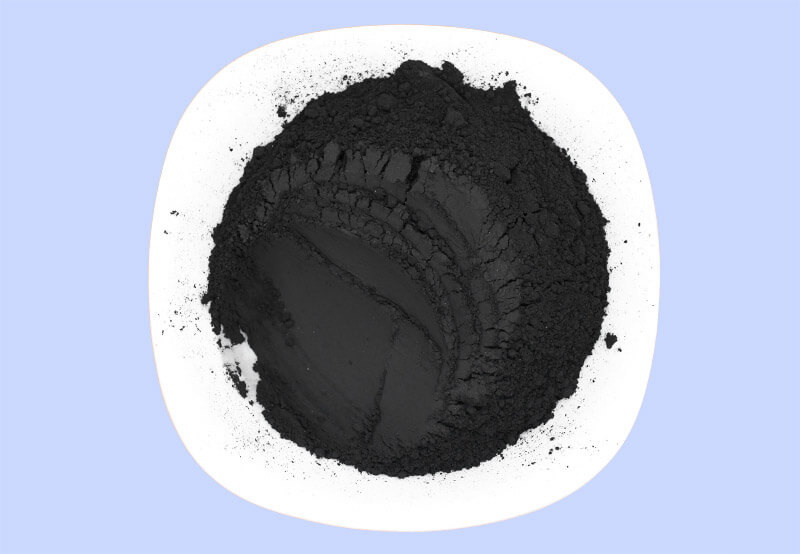
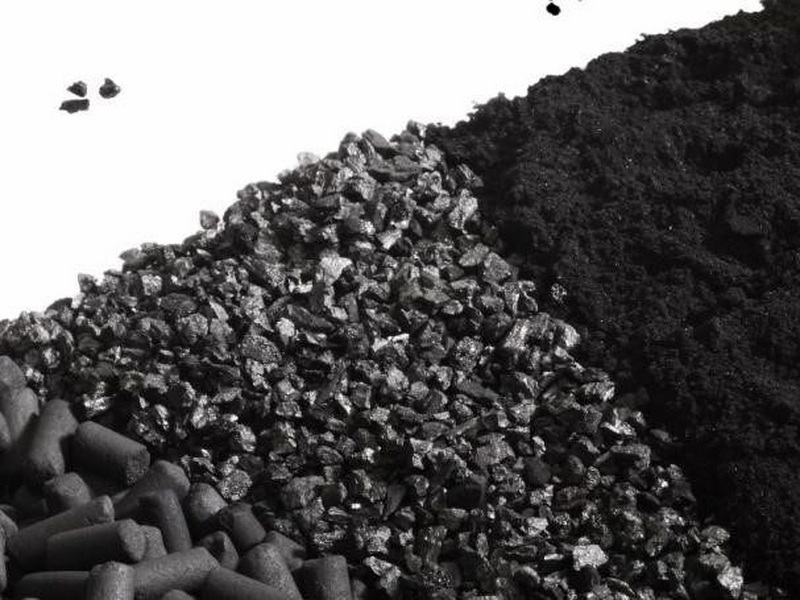
Activated carbon is a highly porous form of carbon produced from carbon‑rich raw materials such as coal, coconut shell, wood, or other biomass. During production, these materials are carbonized and then “activated” by steam, gases, or chemicals to open an intricate network of micro‑, meso‑, and macropores. This process creates an enormous internal surface area, often reaching hundreds or even more than a thousand square meters per gram.
The defining feature of activated carbon is its ability to adsorb molecules onto its surface. Unlike absorption, where substances penetrate into the bulk of a material, adsorption involves the accumulation of molecules on the internal surfaces of the activated carbon pores. Because activated carbon offers such a large internal surface area, it can capture and retain a wide variety of organic molecules, odors, colors, and certain inorganic compounds.
In industrial and environmental applications, activated carbon is used to:
- Purify drinking water and process water.
- Remove odors, chlorine, and organic contaminants from municipal water.
- Capture volatile organic compounds (VOCs) and toxic gases from air streams.
- Decolorize and purify sugar, edible oils, and beverages.
- Polish and refine chemicals and pharmaceuticals.
- Treat wastewater and industrial effluents.
Many grades of activated carbon are specifically certified for drinking water contact, food processing, or pharmaceutical use, which shows that properly produced activated carbon can be safely integrated into sensitive applications.
Is Activated Carbon Toxic to Humans?
From a toxicological point of view, virgin activated carbon is generally regarded as having low acute toxicity. In fact, specially processed pharmaceutical‑grade activated carbon (often called activated charcoal) is used in hospitals to treat certain types of poisoning and drug overdoses. This medical use demonstrates that activated carbon itself is not inherently poisonous when used correctly.
That said, industrial‑grade activated carbon is not a food or drug product, and direct ingestion of such material is not recommended. Safety documents typically describe the following potential effects:
- Inhalation: Dust from activated carbon can irritate the nose, throat, and respiratory tract. Workers may experience coughing, dryness, or discomfort when exposed to high levels of airborne activated carbon dust. Prolonged or repeated exposure to dust should be avoided.
- Skin contact: Activated carbon is not usually corrosive or sensitizing, but the fine particles can cause dryness or mild mechanical irritation, especially with prolonged contact. Washing with soap and water is typically sufficient after handling activated carbon.
- Eye contact: Activated carbon dust can cause temporary irritation, redness, and tearing if it enters the eyes. Because powders and fines can become airborne during handling, eye protection is strongly recommended.
- Ingestion: Swallowing small amounts of industrial activated carbon is unlikely to cause serious systemic toxicity, but it may lead to gastrointestinal discomfort, nausea, or constipation.
Overall, activated carbon is considered a low‑toxicity material when handled with reasonable precautions. The primary health concern is mechanical irritation due to dust rather than chemical toxicity of activated carbon itself.
Key Hazards of Activated Carbon
Although activated carbon is not particularly poisonous, it is not completely risk‑free. Understanding its main hazards is essential for safe use in industrial and commercial environments.
Respiratory Irritation and Dust
Powdered activated carbon and very fine particles released from granular activated carbon can create dust. This activated carbon dust is the most common source of workplace exposure.
Key points about activated carbon dust hazards:
- Dust can irritate the respiratory system, especially at high concentrations.
- Fine activated carbon particles can remain suspended in air and travel beyond the immediate handling area.
- Poor housekeeping and uncontrolled transfer operations can lead to accumulation of dust on surfaces, beams, and equipment.
To control activated carbon dust:
- Use local exhaust ventilation and enclosed conveying systems whenever possible.
- Handle powdered activated carbon slowly and carefully to minimize dust generation.
- Provide suitable respiratory protection when dust levels may exceed accepted exposure limits.
- Implement regular housekeeping procedures such as vacuuming or careful sweeping using methods that reduce dust.
Oxygen Depletion and Asphyxiation
One of the less obvious but very serious hazards of activated carbon is oxygen depletion in confined spaces. When activated carbon becomes wet or moist, it can adsorb oxygen from the surrounding air. In enclosed or poorly ventilated spaces, this can lead to a dangerously low oxygen concentration.
This risk is especially relevant for:
- Activated carbon filters, vessels, and adsorption columns.
- Storage tanks or silos that have contained wet activated carbon.
- Confined spaces where large quantities of activated carbon have been stored or used.
If a worker enters such a space without proper atmospheric testing and protection, they may encounter an oxygen‑deficient atmosphere and quickly lose consciousness. To control this hazard, any work inside activated carbon vessels or confined spaces should follow strict confined‑space entry procedures, including:
- Testing the air for oxygen concentration and hazardous gases before entry.
- Continuous monitoring of the atmosphere during work.
- Use of self‑contained breathing apparatus or other approved respiratory protection when necessary.
- Having trained attendants and rescue plans in place.
Fire, Combustible Dust, and Self‑Heating
Activated carbon is combustible. In powder form or as accumulated dust, activated carbon can present a combustible dust hazard. Under the right conditions, activated carbon dust can ignite and even cause explosions inside equipment, ducts, or rooms.
Important aspects of activated carbon fire risk:
- Fine activated carbon dust can form explosive dust‑air mixtures when dispersed in air.
- Ignition sources such as sparks, hot surfaces, welding, or static discharge can ignite these mixtures.
- Certain organic vapors adsorbed onto activated carbon can release heat and potentially cause self‑heating or spontaneous ignition, particularly in large, poorly cooled beds.
To prevent fire and combustible dust incidents with activated carbon:
- Keep dust under control using appropriate ventilation and dust collection systems.
- Avoid open flames, sparks, and high‑temperature surfaces near activated carbon handling areas.
- Ground and bond equipment to reduce static electricity.
- Follow design and operational guidelines for activated carbon adsorption systems, including temperature monitoring and proper flow control.
- Store activated carbon away from strong oxidizers and other materials that could intensify fires.
Contaminants on Spent Activated Carbon
Another critical aspect of activated carbon safety involves the contaminants it captures during use. Virgin activated carbon may be relatively benign, but spent activated carbon can be hazardous depending on what it has adsorbed.
Examples of contaminants that can make spent activated carbon hazardous include:
- Volatile organic compounds (VOCs), solvents, and fuels.
- Toxic gases, such as hydrogen sulfide or certain acid gases.
- Heavy metals and other regulated inorganic contaminants.
- Persistent organic pollutants from industrial effluents.
Because these contaminants may be present in concentrated form on the activated carbon surface, spent activated carbon can qualify as hazardous waste and must be handled, transported, and disposed of according to relevant regulations. In many cases, spent activated carbon is sent to specialized facilities for thermal reactivation or secure disposal. Users should always consult local environmental regulations and the supplier's guidance when classifying and managing spent activated carbon.
Is Activated Carbon Safe in Water and Air Treatment?
Activated carbon is one of the most trusted technologies for purifying water and air. Its wide adoption in critical applications demonstrates that it can be used safely when systems are properly designed and maintained.
Water Treatment Uses
In water treatment, activated carbon is used in both municipal and industrial systems, as well as in household filters. Typical applications include:
- Removal of chlorine, chloramine, and disinfection by‑products from drinking water.
- Removal of taste‑ and odor‑causing compounds.
- Adsorption of pesticides, herbicides, and many organic contaminants.
- Polishing of process water for beverages, food ingredients, and industrial uses.
Many activated carbon products are manufactured and tested to meet specific water treatment standards. When installed in sealed housings or filter cartridges, the activated carbon remains contained, and end users have minimal direct contact with the media. The primary user responsibility is to replace cartridges or regenerate activated carbon at recommended intervals to maintain performance and hygiene.
Air and Gas Purification Uses
In air and gas purification, activated carbon is used to protect workers, communities, and equipment by capturing harmful or undesirable gases and vapors. Common uses include:
- Treatment of industrial exhaust streams containing VOCs, solvents, or odorous compounds.
- Protection of workers using respirators and filter cartridges filled with activated carbon.
- Indoor air purification systems that reduce odors and certain gaseous pollutants.
- Purification of process gases in chemical and pharmaceutical plants.
Specialized grades of activated carbon are often impregnated with additional chemicals to enhance adsorption of specific contaminants such as acid gases or ammonia. These systems are designed so that air or gas flows through contained beds of activated carbon, again limiting direct user exposure while maximizing purification efficiency.
When these systems are engineered and maintained correctly, activated carbon can significantly improve water and air quality without introducing unsafe conditions for operators or end users.
Safe Handling and Storage of Activated Carbon
For industrial users and operators, safe handling and storage practices are essential to minimize risks associated with activated carbon, particularly dust exposure, oxygen depletion, and fire hazards.
Personal Protective Equipment (PPE)
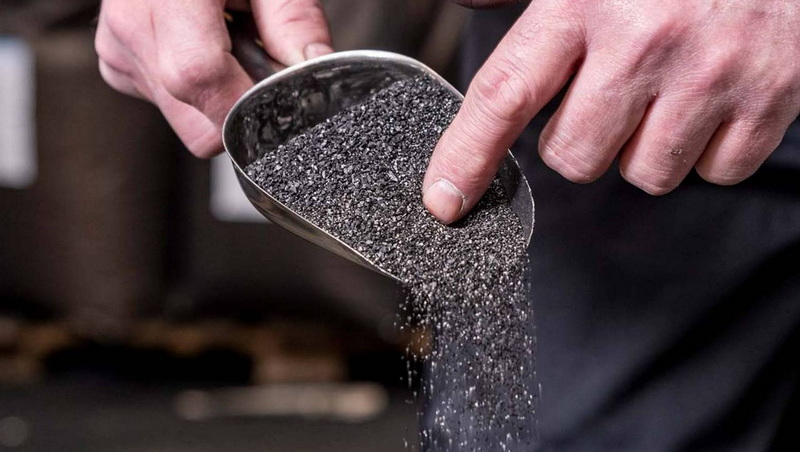
Appropriate personal protective equipment should be selected based on the form of activated carbon (granular, pelletized, powdered) and the handling method. Typical recommendations include:
- Respiratory protection (dust mask or respirator) when handling powdered activated carbon or when dust levels cannot be adequately controlled by ventilation.
- Safety goggles or face shields to protect eyes from dust and splashes, particularly when working with activated carbon slurries.
- Protective gloves to prevent skin dryness and simplify cleanup after handling activated carbon.
- Suitable work clothing that can be washed after exposure to activated carbon dust.
PPE should be part of a broader safety program that includes training on the properties of activated carbon and the hazards associated with specific processes.
Handling Practices
Good handling practices for activated carbon help reduce dust and improve workplace cleanliness:
- Transfer activated carbon using enclosed systems (pneumatic conveying, sealed screw conveyors, or pouring into closed hoppers) whenever possible.
- Avoid dropping bags from height or dumping activated carbon too quickly, as this can create dust clouds.
- When spills occur, clean them promptly using methods that minimize dust, such as vacuum systems designed for combustible dust or careful sweeping and collection into appropriate containers.
- Train operators in correct methods of opening bags, loading vessels, and sampling activated carbon so that dust generation is reduced.
Storage Conditions
Proper storage of activated carbon protects product quality and helps reduce safety risks:
- Store activated carbon in a cool, dry, and well‑ventilated area.
- Keep containers tightly closed when not in use to prevent moisture uptake and contamination.
- Protect bags, big‑bags, or drums from physical damage that could release activated carbon and generate dust.
- Keep activated carbon away from strong oxidizing agents and other chemicals that might react with carbon or increase fire risk.
- Do not store activated carbon near uncontrolled heat sources or in locations where temperatures can rise excessively.
When activated carbon is stored and handled correctly, its performance in water, air, and process applications remains high, and safety risks are effectively controlled.
Environmental and Workplace Safety Considerations
Beyond individual worker protection, activated carbon has broader implications for environmental and workplace safety. It is widely used as a barrier between industrial pollution sources and the environment.
Key environmental and workplace safety roles of activated carbon include:
- Emission reduction: Activated carbon captures pollutants from industrial exhaust, helping facilities meet air emission standards and reducing odors that affect nearby communities.
- Water protection: Activated carbon filters and columns remove harmful contaminants from wastewater and process streams, reducing the load on receiving waters and municipal treatment plants.
- Protection of product quality: In food, beverage, and pharmaceutical industries, activated carbon removes undesirable color, taste, odor, or trace contaminants, ensuring that final products are safe and consistent.
To preserve these benefits while keeping operations safe, companies must integrate activated carbon systems into their overall environmental health and safety (EHS) management. This includes regular monitoring of system performance, adherence to maintenance schedules, and correct handling and disposal of spent activated carbon.
Conclusion
Activated carbon is not inherently dangerous when it is produced to high standards and used in appropriate systems. As a highly porous adsorption medium, activated carbon plays a vital role in protecting water quality, improving air purity, refining foods and beverages, and supporting safer chemical and pharmaceutical production. Its long history in drinking water treatment, respiratory protection, and even medical detoxification shows that activated carbon can be used safely in direct contact with people and the environment.
However, activated carbon is not completely risk‑free. The main hazards include dust‑related respiratory and eye irritation, oxygen depletion in confined spaces when activated carbon is wet, combustible dust and potential self‑heating leading to fire, and the hazardous substances that may be concentrated on spent activated carbon. These risks can be effectively managed through good engineering controls, proper PPE, careful handling and storage, strict confined‑space procedures, and responsible management of spent activated carbon.
For industrial users, implementing comprehensive safety programs around activated carbon handling is essential to protect workers and comply with environmental regulations. For end users and consumers, relying on certified activated carbon products and well‑designed systems ensures that activated carbon delivers its powerful purification benefits with a very high degree of safety. When treated with respect and managed correctly, activated carbon remains one of the most valuable and reliable materials in modern environmental and industrial technology.
Contact us to get more information!
FAQ About Activated Carbon Safety
1. Is activated carbon dangerous to breathe in?
In normal use, activated carbon is not considered highly toxic, but breathing in activated carbon dust can irritate the nose, throat, and lungs. People who frequently work with powdered activated carbon should avoid inhaling dust and should use appropriate ventilation and respiratory protection as recommended by workplace safety guidelines. Controlling dust through proper handling and regular housekeeping greatly reduces this risk.
2. Can activated carbon cause suffocation?
Activated carbon does not directly remove oxygen from the blood, but wet or moist activated carbon can adsorb oxygen from the surrounding air. In confined or poorly ventilated spaces such as tanks or carbon vessels, this may lead to an oxygen‑deficient atmosphere. Workers entering such spaces must follow confined‑space entry procedures, including air monitoring and, when necessary, the use of self‑contained breathing apparatus to avoid suffocation risks.
3. Is activated carbon safe in drinking water filters?
Activated carbon is widely used and generally considered safe in drinking water filters, provided that the product is certified for potable water use and installed correctly. It effectively reduces chlorine, tastes, odors, and many organic contaminants in water. Users should replace filter cartridges or media as recommended by the manufacturer to maintain water quality and to avoid bacterial growth in saturated or old activated carbon beds.
4. Is activated carbon flammable or explosive?
Activated carbon is a combustible material and can present a fire hazard, especially in the form of fine dust or when exposed to high temperatures and ignition sources. Under certain conditions, activated carbon dust can form explosive mixtures with air. Facilities that handle large amounts of powdered activated carbon must implement combustible dust controls, avoid sparks and open flames, and follow established fire safety and equipment design standards to prevent fires and explosions.
5. Is spent activated carbon hazardous waste?
Whether spent activated carbon is classified as hazardous waste depends on what contaminants it has adsorbed during use. If activated carbon has captured hazardous chemicals, solvents, gases, or metals, the spent material may fall under hazardous waste regulations. In such cases, it should be handled, transported, and treated or disposed of by licensed facilities in accordance with local and national environmental laws. Some spent activated carbon can be thermally reactivated, restoring its adsorption capacity while safely destroying the adsorbed contaminants.
Citations:
1. https://www.carbonxt.com/wp-content/uploads/2018/07/MACT-PAC-SDS.pdf
2. https://www.osha.gov/publications/hib19970730
3. https://www.webmd.com/vitamins-and-supplements/activated-charcoal-uses-risks
4. https://nrf.aux.eng.ufl.edu/_files/msds/2/Activated%20Carbon%20.pdf
5. https://www.activatedcarbon.org/health-safety-environment/
6. https://wcponline.com/2005/06/22/care-handling-activated-carbon/
7. https://extension.purdue.edu/extmedia/WQ/WQ-13.html
8. https://redox.com/wp-content/sds/796.pdf
9. https://generalcarbon.com/activated-carbon/activated-carbon-msds/
10. https://pmc.ncbi.nlm.nih.gov/articles/PMC6582802/
11. https://19january2021snapshot.epa.gov/sites/static/files/2015-04/documents/a_citizens_guide_to_activated_carbon_treatment.pdf
12. https://www.calgoncarbon.com/app/uploads/ASC-Safe-Handling-Guide-FINAL.docx
13. https://www.sorbtech.com/msds/SDS%20Activated%20Carbon(9-12-22).pdf
14. https://www.cargohandbook.com/Activated_Carbon
15. https://sites.chemengr.ucsb.edu/~ceweb/faculty/scott/Chemical%20SOPs/CarbonPowder.pdf


