
Language
Views: 222 Author: Tina Publish Time: 2026-02-02 Origin: Site


Content Menu
● Understanding Styrofoam and Activated Carbon
● Why Convert Styrofoam into Activated Carbon?
● Overall Process Flow: Styrofoam to Activated Carbon
● Step 1: Feedstock Preparation
>> 1.1 Collection and Cleaning
>> 1.2 Size Reduction and Densification
● Step 2: Pretreatment and Carbonization
>> 2.1 Sulfonation Pretreatment
>> 2.3 Carbonization (Pyrolysis) of Pretreated Styrofoam
● Step 3: Activation – Developing the Pore Structure
>> 3.1 Physical Activation with Steam or Carbon Dioxide
>> 3.2 Chemical Activation with KOH or Phosphoric Acid
>> 3.3 Textural Properties of Styrofoam‑Derived Activated Carbon
● Step 4: Finishing and Testing of Activated Carbon
>> 4.1 Washing, Drying, and Grinding
>> 4.2 Quality Control and Performance Testing
● Applications of Styrofoam‑Derived Activated Carbon
● Safety, Environmental, and Economic Considerations
● Integrating Styrofoam‑Derived Activated Carbon into an Activated Carbon Portfolio
● FAQ
>> 1. Can styrofoam really be converted into activated carbon at industrial scale?
>> 3. Is it safe and environmentally responsible to use strong acids and bases in this process?
>> 4. What kinds of applications are most suitable for styrofoam‑derived activated carbon?
>> 5. Can small companies or communities implement styrofoam‑to‑activated‑carbon projects?
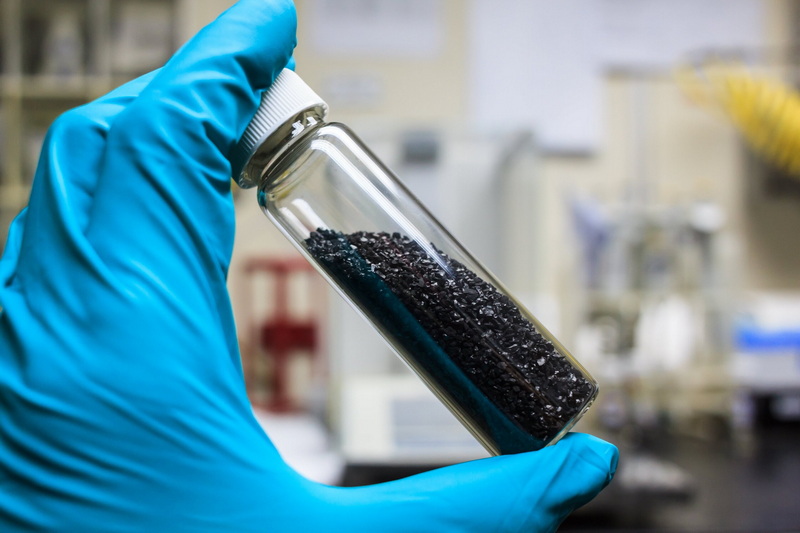
Activated carbon is one of the most widely used adsorbent materials in modern industry, playing a critical role in water treatment, air and gas purification, food and beverage processing, chemicals, and pharmaceuticals. Turning waste styrofoam (expanded polystyrene) into activated carbon is an innovative way to convert a difficult‑to‑recycle plastic into a high‑value functional material. This article explains in detail how to turn styrofoam into activated carbon, the chemistry behind the process, and how manufacturers can integrate styrofoam‑derived activated carbon into industrial applications.
Our company is a professional Chinese manufacturer and exporter of activated carbon, providing customized activated carbon solutions for global industrial applications such as water treatment, air and gas purification, food and beverage, chemical processing, and pharmaceutical production. With growing interest in circular economy and sustainable raw materials, using styrofoam as a precursor for activated carbon offers a promising new product line and an effective approach to plastic waste management.
Styrofoam is the trade name commonly used for expanded polystyrene (EPS), a lightweight plastic foam made by expanding polystyrene beads with steam. EPS offers excellent cushioning and thermal insulation, which is why it is widely used for packaging, single‑use cups, food trays, building insulation panels, and protective transport boxes. However, styrofoam is bulky, has very low recycling rates, and degrades extremely slowly in the environment.
Activated carbon, by contrast, is a highly porous carbonaceous material with a very large internal surface area. The pores of activated carbon (micropores, mesopores, and sometimes macropores) provide vast active surface for adsorption of organic molecules, odors, gases, and certain metal ions in water and air. Conventional activated carbon is produced from biomass or fossil precursors such as:
- Coconut shells
- Wood and sawdust
- Lignite or bituminous coal
- Peat and other organic residues
The idea of turning styrofoam into activated carbon is to take advantage of the carbon‑rich polystyrene polymer backbone. By using controlled thermal and chemical treatments, the long chains of polystyrene can be transformed into a rigid carbon network with the pores needed for high‑performance activated carbon.
Styrofoam is notoriously problematic in solid‑waste management. It occupies large volumes in landfills, breaks into micro‑fragments, and is difficult to collect and recycle economically. Converting styrofoam into activated carbon offers several advantages for both the environment and the activated carbon industry:
- Reduces volume of plastic waste going to landfills and incineration.
- Creates a value‑added product (activated carbon) from nearly valueless waste.
- Lowers dependence on traditional carbon precursors.
- Supports corporate sustainability and circular‑economy branding.
Research has demonstrated that activated carbon derived from waste polystyrene foam can achieve very high surface areas and excellent adsorption performance for organic dyes and other contaminants when properly prepared by carbonization and activation.
On a conceptual level, the process of turning styrofoam into activated carbon can be broken down into four main steps:
1. Feedstock preparation: collection, cleaning, and size reduction of styrofoam.
2. Pretreatment and carbonization: chemical modification (often sulfonation) and pyrolysis to form carbonized char.
3. Activation: development of pore structure using physical or chemical activation.
4. Finishing and performance testing: washing, drying, grinding, and testing activated carbon for industrial use.
Each stage must be carefully controlled to avoid complete volatilization of styrofoam, to maximize fixed‑carbon yield, and to generate the pore structure required for high‑quality activated carbon.
The first step in producing styrofoam‑derived activated carbon is collecting suitable EPS waste. For industrial‑grade activated carbon, it is preferable to use clean post‑industrial or post‑consumer styrofoam with minimal contamination. Typical sources include:
- Packaging inserts for electronics and appliances
- Disposable food trays and cups (after thorough washing)
- Insulation boards and protective blocks from logistics
Contaminants such as food residues, oils, paper labels, adhesive tape, and mixed plastics should be removed as much as possible. Organic contaminants can decompose into tar and ash, reducing the quality of the final activated carbon, while heterogeneous materials can create inhomogeneous pores and higher ash content. After manual sorting, the styrofoam is often washed and then dried to reduce moisture content before further processing.
Because styrofoam is mostly air, one of the challenges is its very low bulk density. To achieve efficient carbonization and activation, the volume must be reduced and the material must be made more uniform. Typical methods include:
- Shredding or grinding styrofoam into flakes, granules, or fine particles.
- Compressing or compacting shredded styrofoam into briquettes or pellets.
- Optionally dissolving styrofoam in an organic solvent (for example toluene) to collapse the foam structure, then stripping the solvent to obtain dense polystyrene.
Reducing particle size improves heat and mass transfer during subsequent sulfonation, carbonization, and activation. Densification also allows more material to be fed into reactors, improving throughput and energy efficiency.
Under typical carbonization conditions used for biomass or coal, untreated styrofoam tends to melt and gasify, leaving little solid residue. This behavior makes it unsuitable as a direct precursor for activated carbon unless the polymer structure is modified. Therefore, a pretreatment step is used to stabilize the polystyrene and improve char yield before or during carbonization.
One widely studied and patented approach introduces sulfonic acid groups into the polystyrene backbone using concentrated sulfuric acid. In this method, waste styrofoam pieces or granules are placed in a reactor and contacted with concentrated sulfuric acid at controlled temperature. The acid promotes sulfonation and cross‑linking, transforming the thermoplastic polystyrene into a more thermoset‑like network that resists complete melting and volatilization during heating.
Key points of sulfonation include:
- Mass ratio of concentrated sulfuric acid to styrofoam typically ranges from about 0.5:1 to 4:1, depending on the desired degree of sulfonation.
- Reaction temperature can vary from near room temperature up to around 200 °C, with higher temperatures accelerating sulfonation but requiring careful control.
- Contact time must be long enough to achieve uniform sulfonation throughout the styrofoam particles.
After the sulfonation reaction, the material is thoroughly washed with water to remove free acid and then dried. The resulting sulfonated polystyrene can be directly carbonized to produce carbonized material or further impregnated with agents such as phosphoric acid to promote activation.
In addition to or instead of sulfonation, chemical activation agents are often introduced before carbonization. Two common agents used to convert various precursors into activated carbon are:
- Potassium hydroxide (KOH)
- Phosphoric acid (H₃PO₄)
For styrofoam‑derived activated carbon, one possible route is to impregnate sulfonated polystyrene with phosphoric acid solution, allowing acid to penetrate the structure. After drying, this mixture can be carbonized and activated in a single or multi‑step thermal treatment to yield activated carbon. Another route is to carbonize styrofoam first and then mix the resulting char with solid KOH or KOH solution prior to high‑temperature activation.
Chemical agents play several roles: they promote dehydration and aromatization, create cross‑links, prevent shrinkage collapse, and directly participate in pore formation by reacting with the carbon matrix. The ratio of activating agent to carbon precursor, as well as heating conditions, strongly influences the final porosity and surface chemistry of the activated carbon.
Carbonization is the thermal decomposition of organic material in the absence of oxygen. For styrofoam‑derived activated carbon, carbonization is usually carried out in an inert atmosphere such as nitrogen or argon. Typical features of this step include:
- Temperature range: approximately 400–700 °C for styrofoam char production, though specific processes may adjust this depending on sulfonation and impregnation levels.
- Heating rate: gradual heating helps control the release of volatile products and reduces structural collapse.
- Holding time: a dwell period at the target temperature allows the completion of carbonization reactions and the formation of a carbon‑rich matrix.
During carbonization, hydrogen and other heteroatoms are removed as gases, leaving behind a more aromatic and ordered carbon structure. The output of this step is a carbonized material (often called char), which is the direct precursor to activated carbon. Initially, this char has limited surface area and only a modest pore structure; the full development of activated carbon pores requires an additional activation step.
Activation is the stage where the internal pore structure that defines activated carbon is created or significantly enhanced. There are two main types of activation used for styrofoam‑derived char: physical activation and chemical activation. Both methods have been demonstrated to produce high‑surface‑area activated carbon from polystyrene foam.
In physical activation, the carbonized material is heated at high temperature in the presence of oxidizing gases such as steam or carbon dioxide. The conditions are carefully controlled so that the oxidizing gas reacts with carbon at the internal surfaces, widening existing pores and creating new ones without completely burning away the material.
Typical parameters for physical activation include:
- Activation temperature: approximately 750–1000 °C.
- Activating gas: water vapor (steam) or carbon dioxide.
- Atmosphere: primarily inert (nitrogen), with controlled injection of steam or CO₂.
- Activation time: tens of minutes to a few hours, finely tuned to reach the desired burn‑off and pore development.
As the activation proceeds, the surface area and pore volume of styrofoam‑derived activated carbon increase. However, over‑activation can result in excessive burn‑off and reduced yield, so optimizing activation time and gas flow is essential.
Chemical activation is often carried out at somewhat lower temperatures than physical activation and can provide very high surface areas and controlled porosity. For styrofoam‑derived precursors, chemical activation has been shown to produce impressive textural properties.
A simplified KOH activation sequence can be described as follows:
1. Mix carbonized char with potassium hydroxide in a selected mass ratio (for example, KOH:char ratios of 1:1 to 4:1 are commonly explored in research).
2. Dry the mixture to remove free water.
3. Heat under nitrogen or another inert gas to temperatures in the range of 600–900 °C.
4. During heating, KOH reacts with carbon, generating potassium carbonate, metallic potassium, and gases, all of which contribute to pore formation.
5. After activation, cool the material, then wash repeatedly with water or diluted acid to remove residual potassium salts and neutralize the activated carbon.
In similar fashion, phosphoric acid activation involves impregnating the precursor with H₃PO₄, followed by controlled carbonization and subsequent washing to remove phosphorus‑containing species. In studies on waste polystyrene foams, two‑step methods (char formation followed by chemical activation) have achieved very high BET surface areas and notable mesopore volumes, enabling excellent adsorption of dyes such as methylene blue.
When carefully optimized, activated carbon from waste polystyrene foam can reach very high surface areas, with micro‑ and mesoporous structures suitable for a range of adsorption applications. Reported materials have shown:
- BET surface areas in the thousands of square meters per gram.
- Significant pore volumes, especially in the micropore and small mesopore range.
- Strong adsorption capacities for large organic molecules such as methylene blue.
These characteristics indicate that styrofoam‑derived activated carbon can compete technically with many conventional activated carbon grades used in water treatment and other sectors.
Once activation is complete, the styrofoam‑derived activated carbon must be cleaned, dried, conditioned, and tested before being supplied to end users.
For chemically activated carbon, washing is crucial to remove residual acids, bases, salts, and soluble impurities. The carbon is typically washed with hot deionized water and sometimes mild acid or alkali until the effluent pH is close to neutral and conductivity is low. For physically activated carbon, washing is mainly used to remove fine particulates and any leftover process contaminants.
After washing, the activated carbon is dried in an oven or dryer at moderate temperature to reduce moisture content to a controlled level. The dry activated carbon can then be:
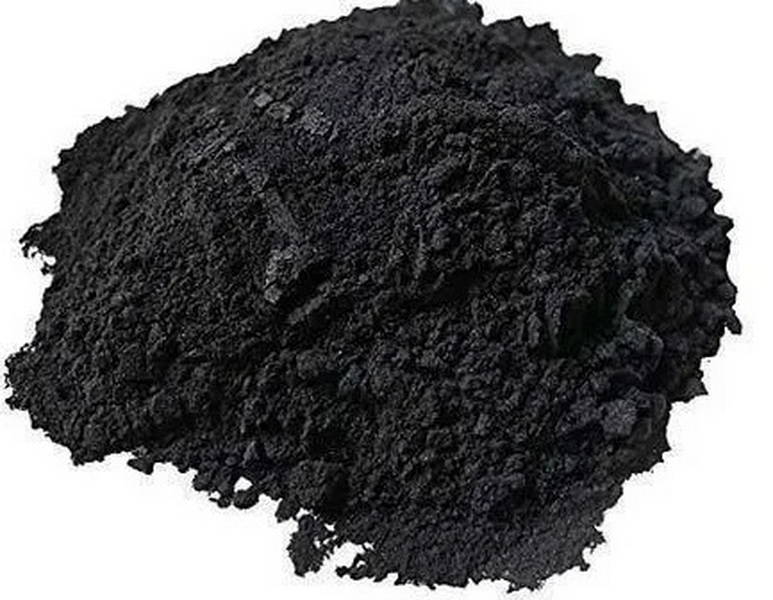
- Milled or ground to produce powder activated carbon (PAC).
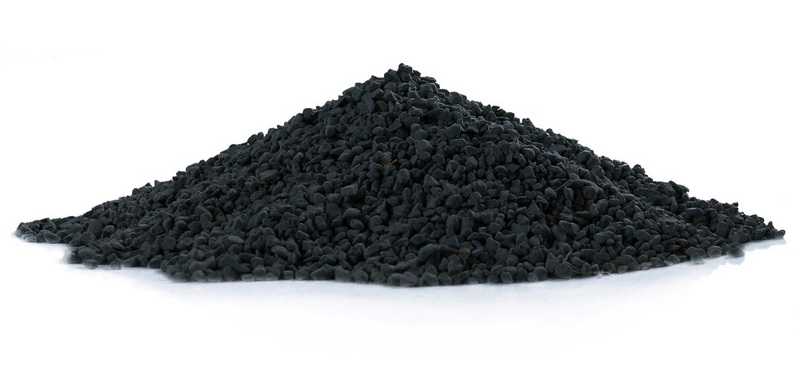
- Sieved into granule size ranges for granular activated carbon (GAC).
- Pressed into pellets, briquettes, or extruded shapes for specific applications.
Key quality indicators for styrofoam‑derived activated carbon are similar to those used for conventional activated carbon and include:
- Iodine number (an indicator of micropore content and overall adsorption capacity).
- Methylene blue adsorption capacity (related to larger pores and dye removal ability).
- Surface area and pore volume (determined by gas adsorption techniques such as nitrogen sorption).
- Ash content and bulk density.
- pH of water extract and leachable impurities (important for food and pharmaceutical uses).
Application‑specific tests can include removal of organic micro‑pollutants from water, adsorption of volatile organic compounds (VOCs) from air streams, or uptake of specific metal ions from wastewater. In laboratory trials, styrofoam‑derived activated carbon has demonstrated strong performance in removing contaminants such as dyes and heavy metals from aqueous solutions, confirming its practical potential.
Styrofoam‑based activated carbon can be engineered for many of the same uses as conventional activated carbon. Depending on activation method and particle size, potential applications include:
- Water treatment: removal of taste and odor compounds, organic micropollutants, residual disinfectants, and certain metal ions.
- Air and gas purification: capture of volatile organic compounds, odors, and trace contaminants in industrial exhaust streams or HVAC systems.
- Industrial process purification: decolorization and purification of chemicals, intermediates, and process streams.
- Energy and electrochemical devices: use as electrode materials in supercapacitors or as supports in catalytic systems, where high surface area and conductivity are advantageous.
Because the raw material originates from plastic waste, styrofoam‑derived activated carbon is particularly attractive for projects that emphasize recycled content, low‑waste processes, and innovative environmental solutions.
Producing activated carbon from styrofoam involves handling strong chemicals and operating high‑temperature equipment, so safety and environmental aspects must be carefully managed:
- Concentrated sulfuric acid and phosphoric acid require appropriate chemical handling procedures, corrosion‑resistant equipment, and neutralization systems for effluents.
- KOH activation must be performed in well‑designed reactors with temperature control and effective off‑gas treatment.
- Carbonization and activation furnaces must operate under controlled atmospheres, with reliable monitoring to prevent oxygen ingress and uncontrolled combustion.
- Off‑gases containing volatile organic compounds (from styrofoam decomposition) and CO, CO₂, or other species should be treated before release, for example via thermal oxidation or suitable gas‑cleaning systems.
From an economic standpoint, the feasibility of styrofoam‑derived activated carbon depends on:
- Availability and cost of waste styrofoam feedstock.
- Transport and preprocessing expenses (collection, sorting, shredding, densification).
- The degree to which existing activated carbon production lines can be adapted to handle polystyrene‑based precursors.
- Market acceptance of recycled‑plastic‑based activated carbon in different industries.
As waste‑management policies tighten and demand for sustainable materials grows, styrofoam‑derived activated carbon can become an attractive option for manufacturers already experienced with activated carbon technologies.
For a professional activated carbon manufacturer and exporter, introducing a product line based on styrofoam‑derived activated carbon is a strategic way to diversify raw‑material sources and showcase innovation. Typical steps to integrate this technology include:
- Pilot‑scale trials to optimize sulfonation, carbonization, and activation conditions for local styrofoam waste streams.
- Development of one or two core styrofoam‑based activated carbon grades with clear specifications (iodine number, methylene blue, particle size, surface area).
- Application testing with selected customers in water treatment, industrial gas purification, or specialty chemical processes.
- Environmental and life‑cycle assessment to quantify waste reduction and carbon‑footprint benefits.
By combining advanced process control with rigorous quality testing, manufacturers can supply styrofoam‑derived activated carbon as a reliable product for domestic and international markets, alongside traditional coal‑based and coconut‑shell‑based activated carbon.
Turning styrofoam into activated carbon is a technically viable and environmentally meaningful way to upgrade a problematic plastic waste into a high‑value industrial adsorbent. Through careful feedstock preparation, sulfonation or other pretreatments, controlled carbonization, and either physical or chemical activation, expanded polystyrene waste can be transformed into activated carbon with high surface area, developed pore structure, and strong adsorption performance.
For activated carbon manufacturers, styrofoam‑derived activated carbon offers an opportunity to expand product portfolios, support circular‑economy initiatives, and serve customers who are increasingly focused on sustainability. With proper engineering design, safety measures, and quality‑control systems, styrofoam‑based activated carbon can be used in water treatment, air and gas purification, industrial processing, and even energy applications. As regulatory pressure on plastic waste grows, the technology and know‑how for converting styrofoam into activated carbon will become an important competitive advantage in the global activated carbon market.
Contact us to get more information!
Yes. With appropriate sulfonation, carbonization, and activation steps, styrofoam (expanded polystyrene) can be converted into industrial‑grade activated carbon. Pilot‑scale and laboratory studies have already demonstrated high surface areas and good adsorption capacities for styrofoam‑derived activated carbon, indicating that scaling up is technically achievable when existing activated carbon reactors are adapted for polystyrene‑based feedstock.
Styrofoam‑derived activated carbon can reach surface areas comparable to or higher than many commercial activated carbons and can exhibit excellent adsorption for organic dyes and other contaminants. However, detailed performance depends on processing conditions, activation method, and application. In some cases, styrofoam‑based activated carbon can match or exceed conventional products, while in other uses it may function best as a complementary or specialized product rather than a universal replacement.
The process does involve strong acids (such as sulfuric and phosphoric acid) and strong bases (such as KOH), so it must be implemented with strict industrial safety and environmental controls. Proper reactor design, corrosion‑resistant materials, trained personnel, and neutralization systems for effluents are essential. When managed correctly, the environmental benefits from diverting styrofoam from landfills and creating activated carbon for pollution control can outweigh the impacts of chemical use in the process.
Styrofoam‑derived activated carbon can be used in many applications where high‑surface‑area and well‑developed micropores or mesopores are needed, including municipal and industrial water treatment, adsorption of dyes and organic pollutants, air purification, and certain chemical processing operations. Additional research and qualification may be required for sensitive uses such as food, beverage, or pharmaceutical applications, but for many industrial and environmental purposes, styrofoam‑based activated carbon is a strong candidate.
At small scale, simplified versions of the process can be used in educational or demonstration projects, often focusing on mild sulfonation and low‑volume batch carbonization and activation. However, a full, safe, and consistent production system for high‑quality activated carbon requires industrial‑grade equipment, gas‑handling systems, and chemical‑safety infrastructure. Therefore, small companies or communities typically partner with professional activated carbon producers or research institutions to implement this technology safely and effectively.
1. Method for preparing activated carbon using waste polystyrene foam (CN1569622A). https://patents.google.com/patent/CN1569622A/en
2. High value activated carbons from waste polystyrene foams. https://explore.openaire.eu/search/publication?pid=10261%2F167660
3. Activated carbon from waste polystyrene foam – Microporous and Mesoporous Materials (abstract and related sources). https://ui.adsabs.harvard.edu/abs/2018MicMM.267..181D/abstract
4. Activated carbon from biomass precursors using phosphoric acid – overview of chemical activation. https://www.sciencedirect.com/science/article/pii/S2405844022032285
5. Application of activated carbons obtained from polymer waste. https://pmc.ncbi.nlm.nih.gov/articles/PMC10856332/
6. Styrofoam to activated carbon water‑filter concept (Styro‑Filter project). https://static.nsta.org/ecybermission-files/2016-winners/Folder3Styro-Filter.pdf


